

We may earn a commission when you buy through links on this page, at no extra cost to you. Learn more.
White Zinfandel is usually semi-sweet, not dry; the question “is white zinfandel sweet or dry” has a little nuance because dry versions also exist. Its pink color comes from dark-skinned Zinfandel grapes, not white grapes. Most familiar bottles taste fruity and easygoing, while a smaller group of producers make crisp, fully dry examples.
For a quick buying decision, expect a soft, fruit-forward wine with noticeable sweetness unless the producer clearly identifies it as dry. White Zinfandel is a rosé style, and its sweetness depends on fermentation and finishing choices—not its pink color.
How Sweet Is White Zinfandel Usually?
Most widely recognized White Zinfandel is semi-sweet, with ripe berry fruit and a gentle sweetness rather than the crisp, bone-dry finish associated with many classic rosés. Wine Enthusiast describes the style as usually semi-sweet and juicy, although the category includes dry bottlings too.
Expect strawberry, watermelon, raspberry, and soft red cherry, with enough acidity to keep the wine refreshing. Sweetness is usually noticeable on the finish without making the wine syrupy. A chilled glass seems crisper than one served too warm, while an icy pour can mute the fruit aroma.
Sweetness is not a fixed legal definition of the name. White Zinfandel identifies a pink wine made from Zinfandel grapes; it does not guarantee one exact residual-sugar level. Sutter Home reports that its 1974-vintage White Zinfandel retained about 2 percent residual sugar after a fermentation stopped early. That figure is a historical detail about one wine, not a standard that applies to every bottle on the shelf.
Separate sweetness from fruitiness: a wine can smell of fresh strawberries and still be dry, because ripe-fruit aromas do not prove that sugar remains. Acidity and cool serving temperature can also make a semi-sweet bottle seem less sweet. Use the producer’s description to distinguish dry, off-dry, and sweeter styles. The red wine made from the same grape can taste quite different, so see is Zinfandel sweet or dry for a separate look at that style.
Why White Zinfandel Became Known as a Sweet Pink Wine
White Zinfandel’s modern reputation grew from a winemaking accident in California during the 1970s. The first Sutter Home version was dry, but a later batch retained sugar after fermentation stalled, and consumers responded enthusiastically to the softer, sweeter result.
Sutter Home’s timeline traces the first vintage to 1972, when winemaker Bob Trinchero used saignée: he drained some free-run juice from Zinfandel grapes to concentrate the red wine left behind. The runoff was fermented to dryness and bottled as a pale wine. Sutter Home says the initial production totaled 220 cases, making the first White Zinfandel a small experiment rather than the mass-market style that later became familiar. The turning point came with the winery’s 1974 vintage, which suffered a stuck fermentation in 1975. Yeast stopped converting sugar into alcohol before fermentation was complete, leaving the wine lightly pink and with about 2 percent residual sugar. The winery says customers liked the new style, and it quickly became the wine Sutter Home sold out of first each year. That story is why many drinkers associate White Zinfandel with sweetness, even though the category began with a dry example.
The popularity grew quickly. According to Sutter Home, production rose from 25,000 cases in 1981 to more than 4.5 million cases in 1987, when the wine became the best-selling premium wine in the United States. That growth helped make White Zinfandel a familiar entry point for American wine drinkers and created a major market for California Zinfandel grapes. For the producer’s own account of the milestones, see Sutter Home’s winery history.
| Year | Milestone | Reported figure |
|---|---|---|
| 1972 | Sutter Home’s first dry White Zinfandel vintage | 220 cases |
| 1975 | The 1974 vintage developed a stuck fermentation | About 2 percent residual sugar |
| 1981 | Annual White Zinfandel production | 25,000 cases |
| 1987 | Became the best-selling premium wine in the United States | More than 4.5 million cases |
The category’s past was not exclusively sweet. Lodi Winegrape Commission recounts that California wineries made dry pink Zinfandel in the early 1970s, before the sweeter version defined the category commercially. Later dry Lodi bottlings show that the grape can also produce a crisp, expressive rosé.
How Winemakers Make White Zinfandel
White Zinfandel is made from the same dark-skinned Zinfandel grape used for red wine, but the juice spends much less time in contact with the skins. Short skin contact gives the wine its pale pink color and limits the extraction of the tannins that give red Zinfandel more grip.
One traditional route is saignée, a French term commonly translated as “bleeding.” A winemaker removes a portion of juice from a tank of crushed Zinfandel early in the red-wine process. The remaining red wine has a higher ratio of skins to juice, which can give it more concentration, while the separated juice can be fermented as a pink wine. Sutter Home used this approach for its original 1972 White Zinfandel.
Another route is to press the grapes specifically for rosé, allowing only brief contact between juice and skins before fermentation. The amount of skin contact, the ripeness of the grapes, and the time of harvest all influence color, body, acidity, and flavor. In a Lodi example described by the regional winegrowers’ organization, grapes for a dry White Zinfandel were picked earlier than the producer’s red-wine crop to retain higher natural acidity and a lighter profile.
Sweetness is decided separately from color. During fermentation, yeast converts grape sugar into alcohol and carbon dioxide. If fermentation stops while some sugar remains, the finished wine will taste sweeter; if the yeast ferments the available sugar to dryness, the wine can taste dry. A producer can also make stylistic choices around fermentation and blending, so two bottles made from the same grape can have noticeably different finishes. So White Zinfandel is not simply “red Zinfandel with the color removed”: shorter maceration changes its structure, while fermentation choices change its sweetness. The rosé can range from soft and sweet to bright and dry.
Flavor, Color, and Clues to the Wine’s Sweetness
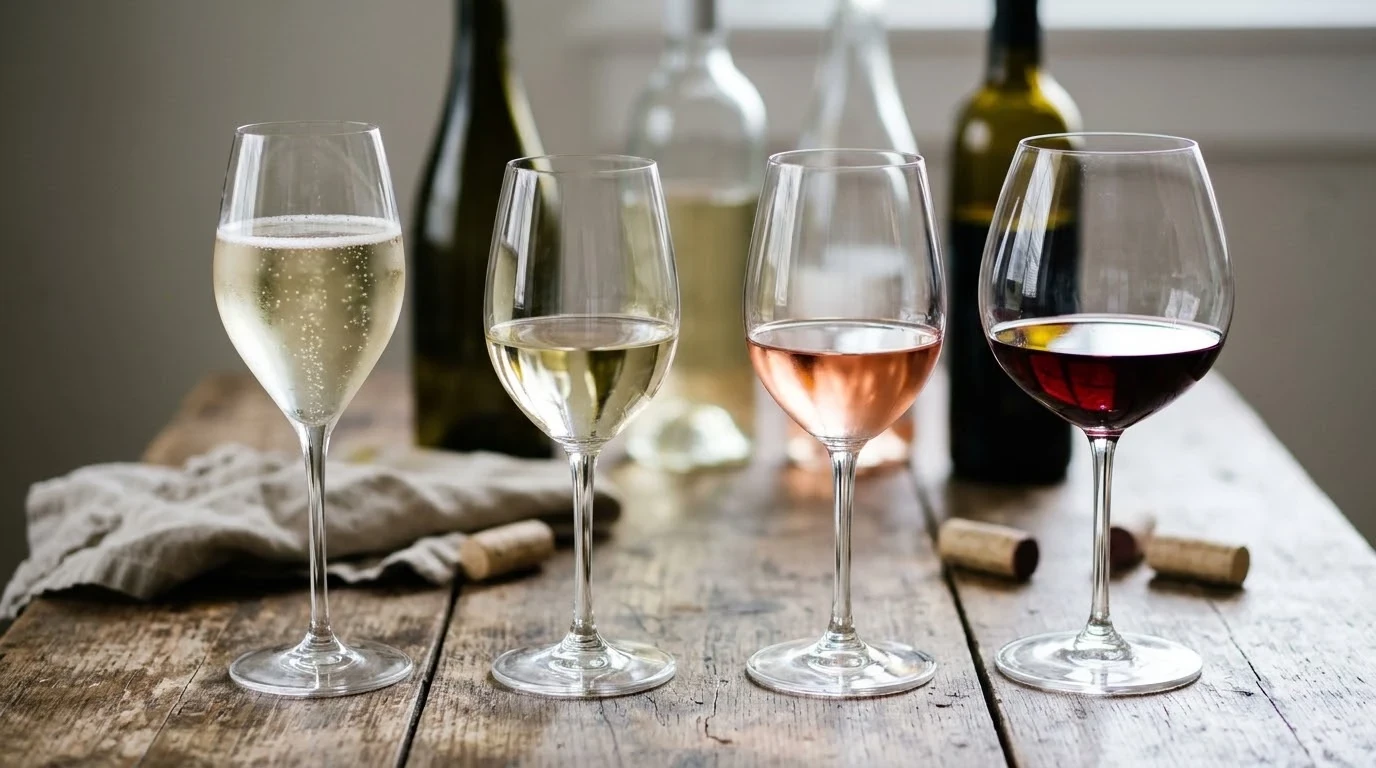
White Zinfandel is usually pale pink to deeper watermelon pink, with fresh red-fruit aromas and a lighter structure than red Zinfandel. The key difference between a sweet and dry bottle is the impression on the palate after the fruit flavors pass—not the shade of pink in the glass.
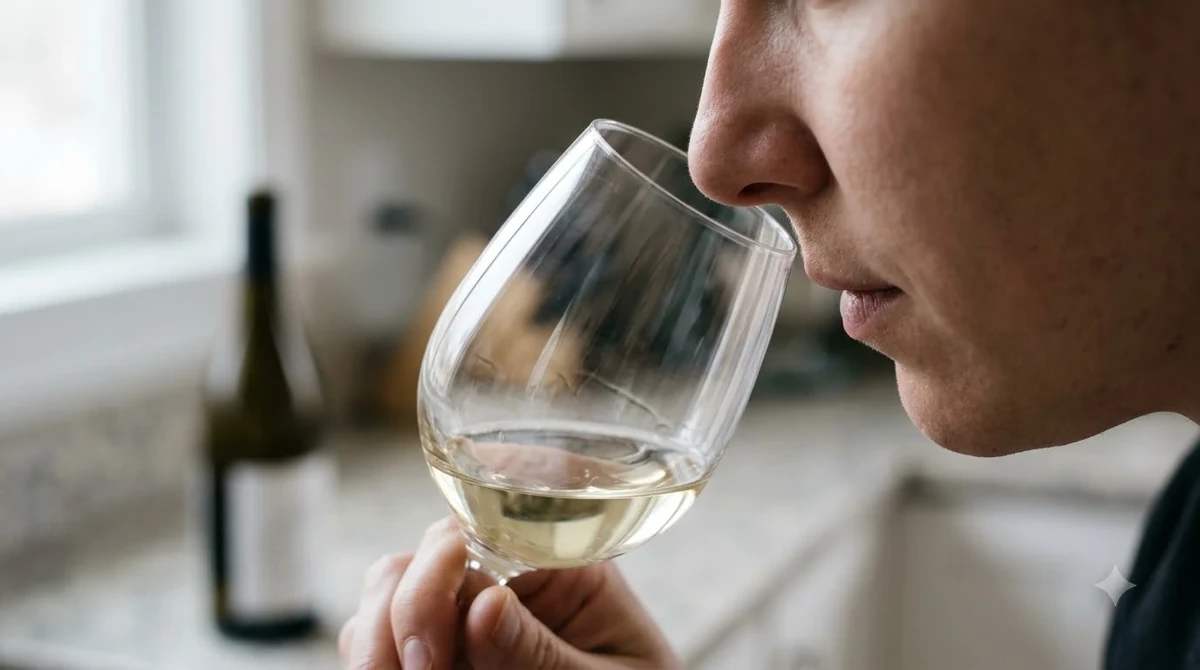
In the familiar semi-sweet style, look for strawberry, raspberry, watermelon candy, and sometimes peach-like notes. The palate tends to feel rounded, with a soft finish and enough freshness to keep the sweetness from becoming heavy. Those fruit impressions can make the wine seem sweeter than it is, so smell alone is not a reliable test. Taste a sip and pay attention to whether the finish leaves a sugary impression or a crisp, clean sensation.
A dry White Zinfandel can show red berry, pomegranate, citrus zest, and herbal or earthy notes, with a firmer finish and more pronounced acidity. The Lodi Winegrape Commission’s account of a dry McCay Cellars bottling describes pomegranate character and lively tartness. It is a useful reminder that Zinfandel can make a structured, savory pink wine as well as the softly sweet style familiar from supermarket shelves. The Lodi Winegrape Commission’s discussion of dry White Zinfandel offers a producer example and a look at the category’s early history.
Color alone cannot tell you the sugar level. A very pale bottle can be sweet, and a vivid pink bottle can be dry; color reflects pigment from the skins and the winemaker’s handling of the juice. “White” is a conventional style name, not a description of the wine’s appearance. White Zinfandel belongs in the rosé family, where sweetness varies widely. For comparison, read about whether rosé is sweet or dry or browse wine by type to distinguish grape varieties from production styles.
What Foods Pair Well With White Zinfandel?
White Zinfandel is an easy match for lightly seasoned foods, salty snacks, fruit, and seafood because its fruit-forward flavor can complement simple dishes without the tannin of a red wine. The best pairing depends on the bottle’s sweetness: a semi-sweet version works especially well with a little heat or salt, while a dry version is more flexible with savory dishes.
For a relaxed spread, serve semi-sweet White Zinfandel with mild cheeses, crackers, sliced melon, strawberries, and a charcuterie board. Salt can make a wine seem less sharp, while the wine’s fruit can soften the impression of salty cured meats. Keep strongly smoky or heavily spiced items in balance; the wine should refresh the palate rather than disappear behind the food.
Seafood is another natural direction. Try shrimp skewers, crab cakes, grilled white fish, or seafood kebabs with a lightly sweet or dry bottling. Wine Enthusiast specifically lists light appetizers, charcuterie boards, fruit salad, and seafood kebabs as good matches for White Zinfandel. Avoid pairing a very sweet bottle with a dish that is already sweet and sticky, since the combination can taste heavy rather than balanced.
For spicy food, choose a gently sweet bottle with moderate alcohol and serve it cool. A touch of sweetness can soften the impression of chili, but alcohol can make heat feel more intense, so very hot dishes may overwhelm the wine. Mild Thai noodles, lightly spiced chicken tacos, or a subtly seasoned curry are safer options than intensely hot sauces. If the meal is acidic—such as a salad dressed with sharp vinegar—the wine needs enough freshness to stand up to it. White Zinfandel also works with picnic food: roast chicken, turkey sandwiches, pasta salad, and grilled vegetables. A crisp dry version can handle herb-forward dishes, while a softer semi-sweet bottle can be pleasant with fruit-based salads or lightly glazed poultry. For a different sweet-leaning option, compare its flavor profile with whether Moscato is sweet or dry; Moscato is often more aromatic, so the two wines can suit different dessert and appetizer combinations.
How to Serve, Store, and Choose a Bottle
Serve White Zinfandel at 45 to 50 degrees Fahrenheit to keep its fruit lively and sweetness balanced. A 750-milliliter bottle yields about five 5-ounce pours.
Tip: Chill the bottle before serving, then pour a small first glass. Let it warm for a few minutes if the fruit seems muted, or return it to the refrigerator if the sweetness feels heavy.
Let the wine warm slightly in the glass if it comes straight from a very cold refrigerator. Near-freezing temperatures mute delicate strawberry and citrus aromas; a few minutes in the glass can restore them.
When choosing a bottle, start with the producer’s sweetness description. Terms such as “dry,” “off-dry,” and “semi-sweet” are more helpful than judging by the front-label color or the word “white.” A tasting note that mentions ripe strawberry, watermelon, and a soft finish points toward the familiar sweet-leaning profile. Descriptions such as crisp, tart, refreshing, or bone-dry suggest a leaner style. If the label gives no clear clue, a retailer’s product notes or the winery’s own description can help narrow the choice. Do not assume that a sweeter White Zinfandel is automatically lower in alcohol, or that a dry one is necessarily stronger. Fermentation choices, grape ripeness, and the producer’s style all affect the final balance. If you are serving several guests, a familiar semi-sweet bottle is often the safer choice for people who enjoy approachable fruit, while a clearly labeled dry bottling is a better fit for drinkers who prefer crisp rosé.
After opening, reseal the bottle and keep it in the refrigerator. Most still wines remain in good condition for about 3 to 5 days when chilled and protected from air, although the fruit aromas may fade before the wine becomes unpleasant. Use a stopper or the original screw cap, keep the bottle upright, and avoid leaving it on a sunny counter. Unopened bottles are best stored in a cool, dark place near 55 degrees Fahrenheit, away from sharp temperature changes.
Frequently Asked Questions
These quick answers cover a few details that help put White Zinfandel’s name, grape, and range of styles in context. They also explain why two pink wines made from Zinfandel can taste quite different.
What grape is used to make White Zinfandel?
White Zinfandel is made from Zinfandel, a dark-skinned grape that is also known as Primitivo in Italy. In Croatia, related naming includes Tribidrag and Crljenak Kaštelanski, names that appear in the grape’s wider history.
Was White Zinfandel originally sweet?
No. The Lodi Winegrape Commission recounts that an early sweet batch was first set aside as a problem, then bottled after the winemaker tasted it and liked its lightly sweet character. That decision turned a fermentation mishap into the commercial style many drinkers now recognize.
Can White Zinfandel be completely dry?
Yes. One example discussed by the Lodi Winegrape Commission is McCay Cellars’ 2014 Lodi White Zinfandel, made from grapes averaging 22 degrees Brix and reaching 13 percent alcohol in the finished wine. That example shows that a White Zinfandel label does not require a sweet finish.
What was White Zinfandel called before the name became familiar?
Some early Sutter Home bottlings used the name “Oeil de Perdrix,” a French expression translated as “eye of the partridge.” The term was used for pale pink wines, and it reflected the style’s early identity as a dry, lightly colored wine rather than the sweeter version that later became popular.
Can White Zinfandel include another grape?
A White Zinfandel bottling can include a small amount of another grape, depending on the producer and the wine. The Lodi Winegrape Commission notes that McCay Cellars’ 2014 example included about 3 percent Carignan from a neighboring vineyard, a specific blend rather than a standard recipe.
White Zinfandel is usually a gently sweet, fruit-driven rosé, but dry examples are part of the category’s history and remain available. Start with a semi-sweet bottling if you like soft berry flavors, or choose a dry version when you want a crisp pink wine for savory food.
More in Wine Types & Grapes
 Zinfandel Sugar Content: Dry Red vs. White Zinfandel GramsUpdated Nov 21, 2026
 Best Zinfandel Substitute Options for Sipping and CookingUpdated Nov 21, 2026
 Zweigelt Food Pairing: Best Dishes, Cheeses, and Serving TipsUpdated Nov 21, 2026
 Zinfandel Tannins Explained: How Structure Shapes Every BottleUpdated Nov 21, 2026
 Zinfandel Sweetness Level: Dry Red vs. Sweet White Zin ExplainedUpdated Nov 21, 2026
 Xinomavro Food Pairing: Best Dishes, Styles, and Serving TipsUpdated Nov 21, 2026