

We may earn a commission when you buy through links on this page, at no extra cost to you. Learn more.
How to serve vermouth depends on its style, but a chilled pour in a small wine glass or over ice with a simple citrus garnish is an excellent place to start. Vermouth is aromatized, fortified wine, not a spirit, so it has enough structure to enjoy on its own and enough botanical character to mix into cocktails. Dry, sweet, white, red, and rosé styles each bring a different balance of sweetness, bitterness, and herbs.
Start by choosing the style, then decide whether you want to taste it clearly, lengthen it with soda, or use it as a cocktail ingredient. A few small choices—temperature, ice, glass, garnish, and storage—make a noticeable difference without requiring special bar equipment.
What Vermouth Is and Why Temperature Matters
Vermouth is a wine-based aperitif fortified with distilled spirit and flavored with botanicals such as herbs, roots, bark, flowers, spices, and citrus peel. Common ingredients include juniper, cardamom, cloves, cinnamon, coriander, chamomile, and ginger, but recipes vary from producer to producer.
Most vermouth sits around 16% to 18% alcohol by volume, according to Decanter, higher than ordinary table wine but lower than most base spirits. The wine component still matters: oxygen gradually changes its aromas after opening, so vermouth should not be treated like a bottle of gin or whiskey that can live indefinitely on a bar shelf. Read Decanter’s guide to vermouth for more on styles and serving.
Serving temperature changes the balance: a cooler pour makes herbal details feel crisp, while a slightly warmer red vermouth can show more spice and bittersweet character. Think of vermouth as a wine aperitif with cocktail uses, not as a spirit that belongs on the bar shelf at room temperature. For a broader survey of styles, browse Wine by Type.
Choose a Style Before You Pour
Dry vermouth is usually pale, lean, and herbal, with a sharper, less sweet profile. It is the natural choice for a classic Martini and can also make a refreshing drink with ice, lemon, and soda. Sweet vermouth is rounder and more bittersweet, often showing baking spice, orange, dark fruit, or caramel-like notes; it is the usual partner for whiskey in a Manhattan and for gin and bitter aperitivo in a Negroni.
The color labels can be confusing because white does not always mean dry. Bianco or blanc vermouth is often pale but sweet, while rosso or rouge is typically red and sweet or bittersweet. Amber and rosé styles add more options between the familiar dry-white and sweet-red categories. Decanter notes that sweet vermouth commonly contains about 90 to 130 grams of sugar per liter, while dry styles generally stay at or below 50 grams per liter.
Choose by flavor and intended use, not color alone. For a crisp Martini, look for dry vermouth; for a softer aperitif with orange peel, choose sweet red or bianco. Rosé or amber can be a middle ground between fruit and herbal lift. Taste a small pour before adding garnish or soda so you can identify its sweetness and bitterness.
How to Serve Vermouth Neat or Over Ice
For a first pour, serve vermouth chilled in a small wine glass, or pour it over fresh ice in a rocks glass. White, amber, and rosé vermouths are best served at about 12°C to 14°C (54°F to 57°F), while red vermouth is often served a little warmer, near 16°C (61°F), according to Decanter. These are practical targets rather than rigid rules: a very sweet bottle may feel refreshing colder, while a complex red can show more aroma when it is not ice-cold.
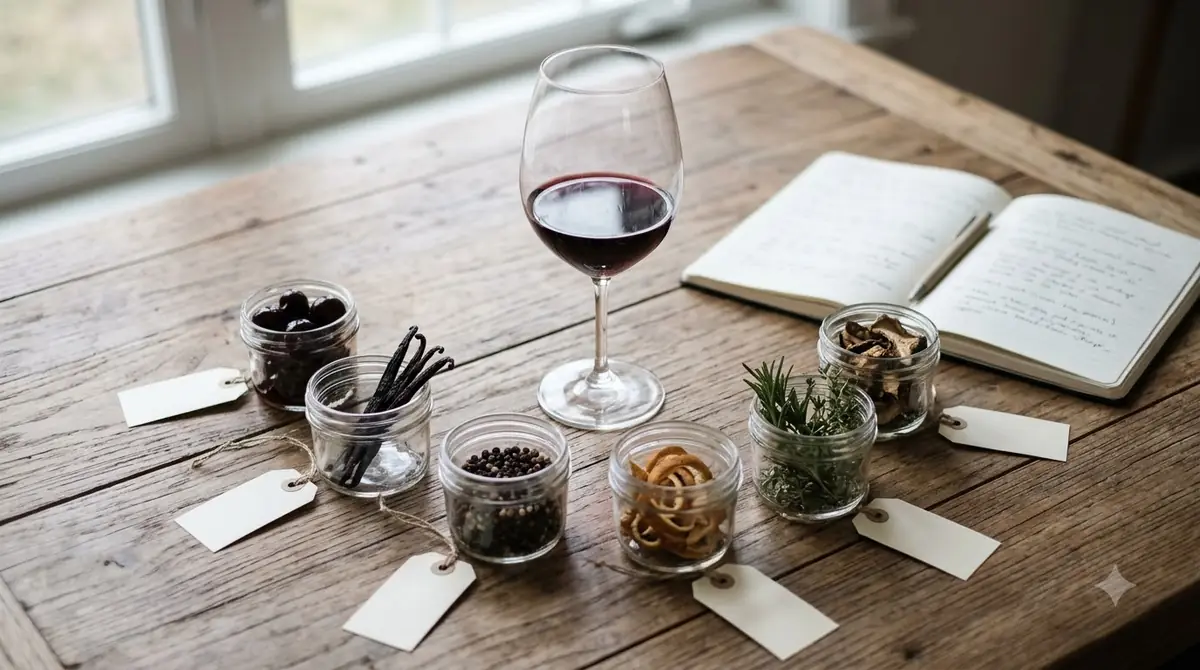
Use a modest pour rather than filling a large wine glass. A small serving keeps the drink focused and makes styles easy to compare. A chilled stemmed glass suits a neat pour, while a short rocks glass is convenient with ice. If the bottle is not cold, chill the bottle or glass first instead of relying on ice to do all the cooling.
Garnish should support the vermouth, not bury it. Orange peel is a natural match for sweet red and bianco styles, while lemon peel brings a clean edge to dry vermouth. An olive can add a salty note to a savory white vermouth, and a thin orange slice gives a more relaxed aperitif feel. Express a strip of citrus peel over the glass to release its fragrant oils, then drop it in or rest it on the rim. Begin with one garnish; adding several competing ingredients makes it harder to recognize the drink’s herbal character.
Build a Vermouth Spritz With Soda or Tonic
A vermouth spritz is an easy way to make the aperitif longer and lighter without turning it into a complicated cocktail. Fill a wine glass or highball with fresh ice, add vermouth, and top with chilled soda water or tonic. Soda keeps the flavor relatively dry and lets the botanicals stay in the foreground; tonic adds bitterness and a little sweetness, which can be especially appealing with a rounder red or bianco vermouth.
For a simple starting point, try 2 ounces of vermouth with 2 to 3 ounces of soda, then adjust the balance to taste. Use less soda when you want the wine and botanicals to lead, or more when you want a longer, lighter drink. Add the mixer slowly so it does not lose all its fizz, and give the drink one gentle stir. Chilled ingredients and solid ice help keep the spritz cool without watering it down too quickly.
Match the garnish to the style: orange with sweet red or bianco, lemon with dry white, or an olive when you want a savory accent. A sprig of rosemary can add an aromatic note, but it is optional. Vermouth and soda is also a useful first drink before a meal because the result is lower in alcohol than a typical spirit-and-mixer highball. For more ideas on aperitif-style wine service, compare the approach with how to serve rose; the same attention to chill and simple garnishes works well, even though the flavor profiles are different.
Choose the Right Vermouth for Classic Cocktails
In cocktails, vermouth is not a minor decoration: it contributes wine texture, sweetness, herbal aroma, and bitterness. Follow the recipe’s style direction. Dry vermouth belongs in a classic gin or vodka Martini, where its crisp, herbal character balances the base spirit. Sweet red vermouth is the usual choice in a Manhattan, while a Negroni combines sweet vermouth with gin and Campari.
Some recipes use a different balance, but the style distinction is a reliable starting point. A Boulevardier follows the bittersweet path of a Negroni while using whiskey in place of gin. A perfect Martini or Manhattan uses both sweet and dry vermouth, creating a more layered result. If a recipe says simply “vermouth,” a dry, pale cocktail generally points to dry vermouth, while a rich, bittersweet cocktail generally calls for sweet vermouth.
Keep vermouth cold and measure it rather than free-pouring: small changes in quantity can shift a Martini or Manhattan noticeably. Use fresh vermouth and fresh ice, stir or shake according to the recipe, and choose a garnish that complements rather than masks the drink. Vermouth also works in sparkling-wine or spirit-and-citrus drinks. For a wine-based comparison, see how to serve pinot grigio and how to serve pinot gris; both show how chill and glass choice affect aromatic wines, though vermouth adds botanicals and fortification.
Pair Vermouth With Salty, Savory Food
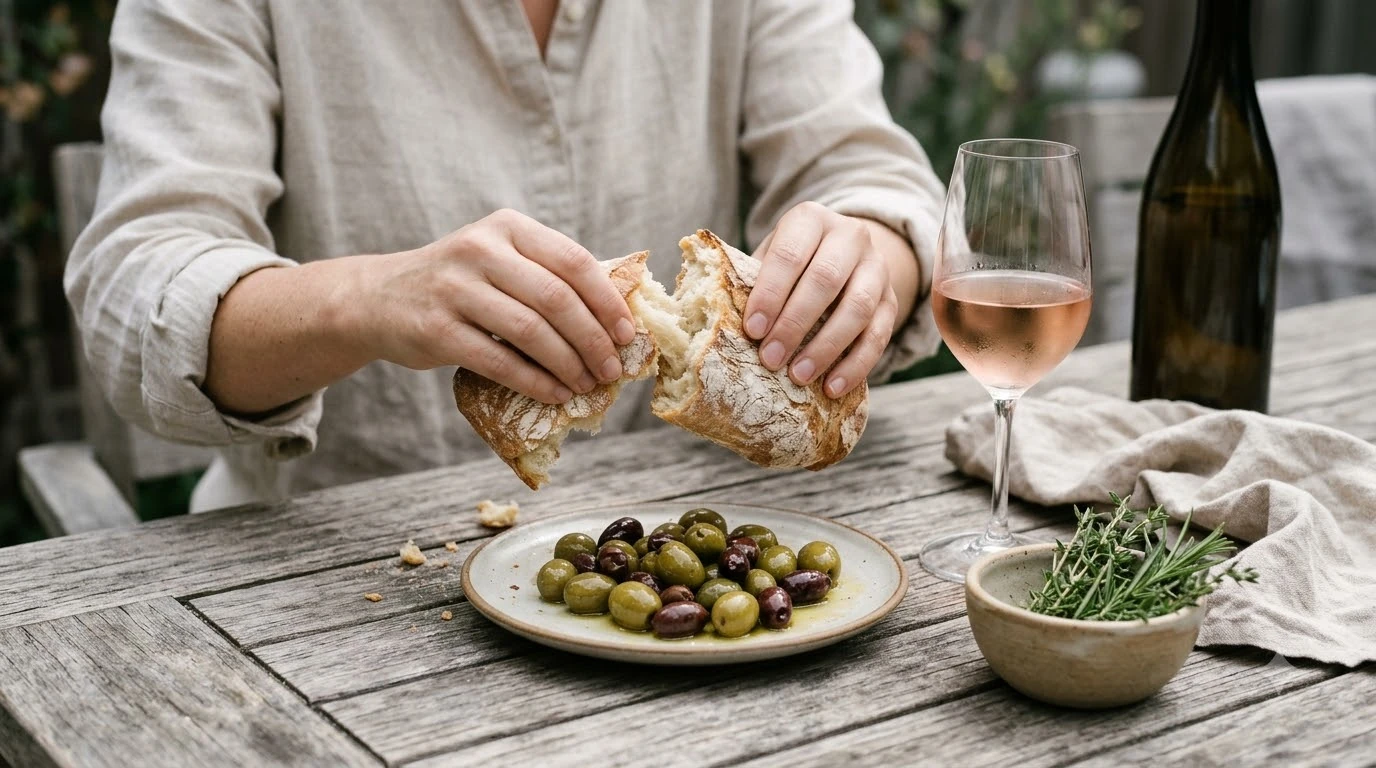
Vermouth is traditionally an aperitif, so it works naturally with small bites served before a meal. Salty snacks such as olives, salted nuts, and anchovies make the drink’s fruit and herbal notes stand out, while fatty foods such as cured ham can soften its bitter edge. In Spain, vermouth hour is commonly paired with tapas; jamón Ibérico, anchovies, and tortilla are examples of savory foods that suit the drink.
Dry vermouth is particularly good with oysters and other shellfish because its crisp profile can refresh the palate between bites. White vermouth also works with many cheeses, while sweeter red vermouth is a comfortable match for salami and cured meats. For a simple tasting plate, put out green olives, salted almonds, a few slices of cured ham, and a mild firm cheese, then serve dry and sweet vermouth side by side. The contrast makes it easier to see how sweetness and bitterness affect food pairing.
Think about the weight and salt level of the food. A lighter dry vermouth can disappear beside strongly spiced or very sweet dishes, while a fuller sweet red can hold its own with rich charcuterie. For an aperitif, modest portions are enough: a few bites should refresh the palate rather than turn the drink into a full meal pairing. Avoid assuming that every vermouth needs the same accompaniment; the best match depends on the bottle’s sweetness, bitterness, and herbal intensity.
Store an Open Bottle for Freshness
Refrigerate vermouth as soon as you open it, and keep the bottle tightly sealed. Fortification helps it last longer than ordinary still wine, but it still loses freshness through oxidation. VinePair’s vermouth FAQ and Decanter describe a refrigerated bottle as usable for up to about three months, while Difford’s Guide gives a more conservative six-week limit. For the best flavor, aim to finish it within several weeks rather than treating the longest estimate as a guarantee.
Keep the bottle away from heat and direct light, and return it to the refrigerator promptly after measuring a cocktail. If you use vermouth only occasionally, choose a smaller bottle so less wine sits open for months. A vacuum stopper or inert-gas wine preserver can reduce contact with oxygen, but it does not stop quality from changing forever. Labeling the opening date is a simple way to keep track, especially if you have both dry and sweet bottles on hand.
Unopened vermouth can be stored in a cool, dark cupboard, but once the seal is broken, refrigeration is the safer default. Pour only what you need, close the bottle firmly, and avoid leaving a speed-pourer in the neck between uses. If a bottle has been open for a long time, smell and taste a small amount before serving it neat; fading aroma, dull fruit, or an unpleasant stale note are signs that it is past its best. You can sometimes use an older bottle in cooking, but a fresh pour is better for an aperitif or a Martini.
| Vermouth style or detail | Practical guide | How to use it |
|---|---|---|
| Dry white | At or below 50 g/L sugar; serve near 54°F–57°F | Neat, with lemon and soda, or in a Martini |
| Sweet vermouth | About 90–130 g/L sugar | Over ice with orange, or in a Manhattan or Negroni |
| White, amber, and rosé | 12°C–14°C (54°F–57°F) | Chilled in a small wine glass or over ice |
| Red vermouth | About 16°C (61°F) | Neat, over ice, or with soda |
| Opened bottle | Refrigerate; aim for about 6 weeks, with some guides allowing up to 3 months | Keep sealed and return to the fridge after each pour |
Tip: Keep two bottles in rotation only if you use both regularly. Dry vermouth for Martinis and sweet vermouth for Manhattans or Negronis cover many cocktail needs, but each open bottle needs refrigerator space and attention to freshness.
Frequently Asked Questions
These answers cover practical questions about ingredients, kitchen uses, and the natural changes that can occur in a bottle.
Does vermouth always contain wormwood?
No. Wormwood is closely associated with vermouth’s name and history, but producers do not have to include it in every recipe. Other botanicals, including citrus peel, cardamom, cloves, coriander, and chamomile, can shape a bottle’s aroma and bitterness.
Can you cook with vermouth?
Yes. Vermouth can stand in for wine in pan sauces, braises, and stews, where its herbs and spices add another layer of flavor. Dry vermouth can work in a recipe calling for dry white wine; start with a modest amount because its botanicals are pronounced.
Why are there crystals or sediment in some vermouth bottles?
Small tartrate crystals can form naturally from tartaric acid in the wine base. Vya Vermouth explains that these crystals are harmless and may be allowed to settle before pouring. Pour gently if you want to leave the sediment behind, or strain the final portion through a fine sieve.
Is sweet vermouth always red, and is dry vermouth always white?
Not always. Dry vermouth is generally made from a white wine base, while sweet vermouth is traditionally made from red wine, although some sweet examples use white wine and receive color from caramel. Bianco and blanc styles show that a pale appearance does not automatically mean a vermouth is dry.
Does vermouth have to come from Italy or France?
No. Italy’s Piedmont and France’s Savoie are important traditional centers, but vermouth is also produced in places such as Spain, Australia, and the United States. The base wine, botanical mix, and sweetness matter more to the glass than the country name alone.
Serve vermouth in the format that best suits its style: dry and chilled for a crisp aperitif, sweet red over ice or in a stirred cocktail, and white or rosé with a simple citrus finish. Keep opened bottles cold and sealed, and treat vermouth as wine with a longer—but still limited—life after opening.
More in Wine Types & Grapes
 Zinfandel Sugar Content: Dry Red vs. White Zinfandel GramsUpdated Nov 21, 2026
 Best Zinfandel Substitute Options for Sipping and CookingUpdated Nov 21, 2026
 Zweigelt Food Pairing: Best Dishes, Cheeses, and Serving TipsUpdated Nov 21, 2026
 Zinfandel Tannins Explained: How Structure Shapes Every BottleUpdated Nov 21, 2026
 Zinfandel Sweetness Level: Dry Red vs. Sweet White Zin ExplainedUpdated Nov 21, 2026
 Xinomavro Food Pairing: Best Dishes, Styles, and Serving TipsUpdated Nov 21, 2026