

We may earn a commission when you buy through links on this page, at no extra cost to you. Learn more.
verde valley vineyards are part of a high-desert wine region in central Arizona, where higher sites, dramatic day-to-night temperature changes, and varied soils support more than 40 grape varieties. The Verde Valley American Viticultural Area (AVA) includes vineyards and tasting rooms around Cottonwood, Cornville, Clarkdale, Jerome, and nearby communities. Expect a mix of Rhône, Italian, and classic international grapes rather than one uniform house style. A little planning helps you distinguish wines grown in the AVA from bottles made by wineries that also source fruit elsewhere in Arizona.
Arizona’s Verde Valley rewards curious wine drinkers with creekside tasting rooms, hillside vineyards, and a landscape shaped by the Verde River, Oak Creek, and surrounding high country. The region is compact enough to explore over a weekend, but its elevations, soils, and grape choices change from one site to another. Use this overview to understand the appellation, recognize local varieties, and plan a visit that leaves time for the wines as well as the scenery.
Where the Verde Valley AVA Sits
The Verde Valley AVA is a defined wine-grape growing area in northeastern Yavapai County, centered on the Verde River and the meeting point of Oak Creek and the river. It covers about 219 square miles, with Cottonwood serving as a convenient hub for exploring nearby vineyard communities.
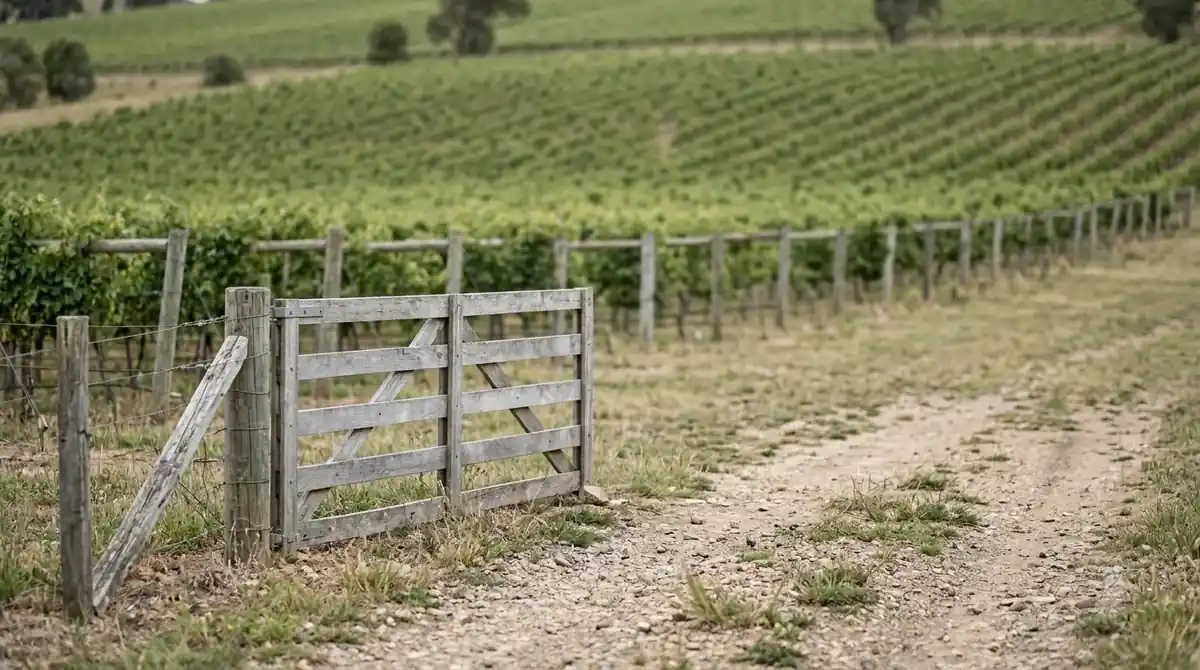
The area is roughly 100 miles north of Phoenix by Interstate 17, according to the Arizona Office of Tourism. Cottonwood, Cornville, Clarkdale, Jerome, Sedona, Camp Verde, Rimrock, and Page Springs are among the communities associated with the broader wine region. Vineyards are scattered along Oak Creek and the Verde River, on valley slopes, and around smaller settlements rather than concentrated in one continuous block. That pattern explains why driving between tasting rooms is part of the experience.
The AVA is one of Arizona’s three federally recognized wine regions, alongside Willcox and Sonoita. Its designation identifies where grapes were grown, not simply where a winery’s tasting room is located: a winery in the valley may also pour wines made from fruit grown elsewhere in Arizona. Cottonwood is a practical base, while Jerome, Sedona, and Cornville add different scenery and access points. Map each stop before setting out, allow for rural roads, and use the site’s overview of Wine Regions to understand why appellation names on labels carry specific meaning.
High-Desert Elevation, Climate, and Soil
Elevation and sharp temperature changes shape the Verde Valley growing season, while varied geology gives vineyards different drainage and rooting conditions. The result is a patchwork of growing sites rather than one identical terroir across the AVA.
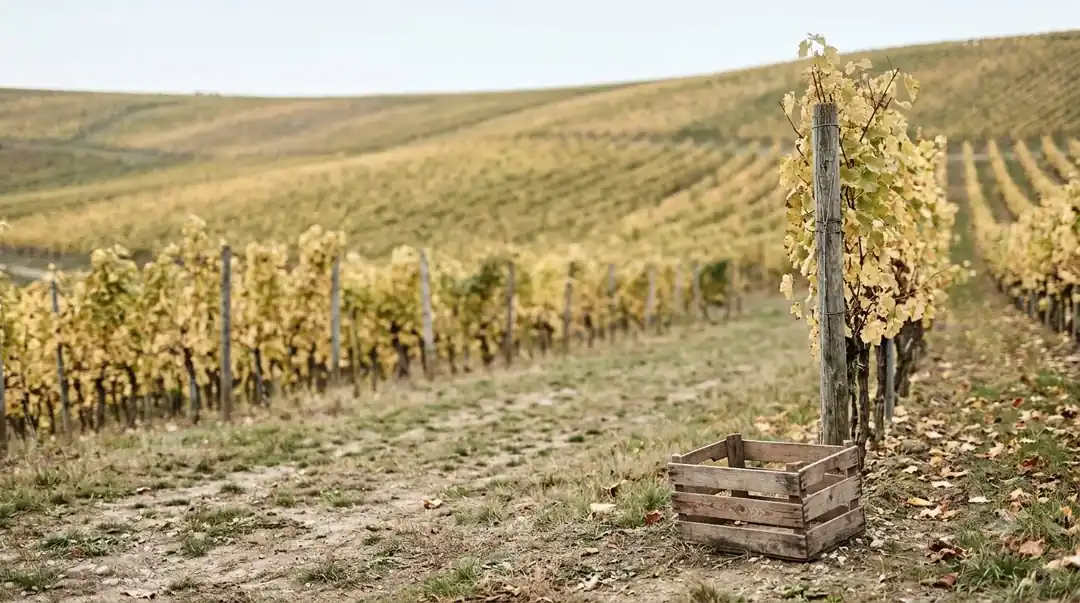
The Arizona Wine Growers Association describes the communities in the wine region as sitting roughly 3,000 to 5,500 feet above sea level. The University of Arizona’s Verde Valley climate profile says much of the AVA itself lies between 3,000 and 4,000 feet, with a northwestern section reaching 4,000 to 5,000 feet. Those figures describe different geographic scopes: the broader collection of wine communities includes higher surrounding ground, while the mapped AVA has its own elevation distribution. The Verde Valley Wine Consortium reports a 30- to 40-degree Fahrenheit diurnal shift, and the University of Arizona places the growing-season temperature across almost all of the AVA between 70 and 75 degrees Fahrenheit. Warm afternoons encourage ripening; cooler nights can slow maturation and help retain acidity and aromatic freshness.
Rainfall figures vary by source and geographic scope. The Arizona Wine Growers Association gives a regional average of 16 to 18 inches annually, mostly during the summer monsoon, while the Verde Valley Wine Consortium reports 13.83 inches for the AVA. Both descriptions point to a dry setting where water availability matters. Soil also changes by site: limestone occurs around Rimrock, sandstone is associated with Sedona, basalt appears near House Mountain, and alluvial deposits occur along Oak Creek and the Verde River. The University of Arizona also identifies sand and gravel in many valley-floor areas.
| Regional feature | Reported figure or detail | Why it matters |
|---|---|---|
| AVA area | About 219 square miles | Defines the designated grape-growing area |
| Elevation in much of the AVA | 3,000–4,000 feet | Influences temperature and seasonal timing |
| Growing-season temperature | 70–75°F | Helps compare heat conditions across wine regions |
| Typical diurnal shift | 30–40°F | Warm days and cooler nights affect ripening pace |
| Regional annual rainfall estimate | 13.83 inches (AVA FAQ); 16–18 inches (regional profile) | Published estimates differ by source and geographic scope |
Tip: Treat elevation as a starting point, not a tasting prediction. Ask which vineyard or growing area supplied the grapes, since a south-facing hillside, creekside parcel, and upper site can produce different results within the same appellation.
Grape Varieties and Wine Styles
More than 40 grape varieties have been planted in the Verde Valley AVA, giving local winemakers room to work with Mediterranean, Rhône, and familiar international grapes. Rather than expecting one signature blend, look for bottlings that show how each producer matches a variety to its site and vintage.
The Verde Valley Wine Consortium’s AVA FAQ lists white grapes such as Malvasia Bianca, Viognier, Chardonnay, Vermentino, Seyval Blanc, and Picpoul Blanc. Viognier can be aromatic and broad, Vermentino often has a savory or citrus-leaning profile, and Picpoul Blanc is known for firm acidity. Chardonnay offers a familiar reference point, while Malvasia Bianca can bring floral and ripe-fruit aromas. Red varieties include Syrah, Petite Sirah, Cabernet Sauvignon, Sangiovese, Tannat, and Barbera. Syrah can show dark fruit and peppery notes; Sangiovese offers an Italian comparison with lively acidity; and Cabernet Sauvignon or Tannat can make more structured wines. These are grape-based expectations, not guarantees about every local bottling.
Blends are worth attention, too. A producer may combine varieties to balance fruit weight, acidity, tannin, or aroma, and a tasting flight can show how a blend differs from a single-variety wine. Ask whether a red is made mostly from local fruit or sourced across several sites; both approaches can be interesting, but they tell different stories about the region. A Verde Valley wine tasting itinerary can help group nearby tasting rooms and compare whites, rosés, and reds without assuming every bottle has the same regional profile.
Vineyards and Wineries to Put on Your Route
The Verde Valley wine scene includes vineyard estates, tasting rooms in historic towns, and producers working with fruit from multiple Arizona sites. Four useful starting points are Alcantara Vineyards, Caduceus Cellars, Page Springs Cellars, and Chateau Tumbleweed.
Alcantara Vineyards is in the Cottonwood area near the confluence of Oak Creek and the Verde River. The Arizona Office of Tourism reports more than 20,000 vines across 17 grape varieties at the property, and describes its tasting room as a stop for visitors spending time on the river. Caduceus Cellars is associated with Jerome, while related Merkin Vineyards focuses on Spanish and Italian varieties grown on high-elevation slopes southeast of town; the tourism office reports annual production of 4,500 cases for the operation described in its regional overview. Page Springs Cellars is in Cornville, less than 20 minutes south of downtown Sedona, on Oak Creek.
Chateau Tumbleweed is based in Clarkdale and sources grapes from a dozen high-elevation vineyards across Arizona, according to the tourism office. Together, these producers illustrate why winery location, vineyard location, and grape origin should be considered separately. Before visiting, confirm current tasting hours, reservation requirements, food policies, and whether the room is pouring the wines you want to explore. The Verde Valley wine country overview can help organize towns and tasting clusters, while direct confirmation with each winery helps avoid a missed appointment.
How to Plan a Vineyard Visit
A good Verde Valley wine day is built around a small number of stops, realistic driving time, and a clear idea of which wines you want to compare. Cottonwood is a convenient starting point, with routes branching toward Clarkdale and Jerome to the west and Cornville and Sedona to the east.
From Phoenix, the drive to Cottonwood is about 100 miles by Interstate 17, according to Visit Arizona. Once in the valley, destinations are spread across rural roads rather than arranged in one compact district; Page Springs Cellars is less than 20 minutes south of downtown Sedona, but not every other winery is a similar short hop away. For a first day, choose two or three tasting rooms with different settings or wine lists, confirm reservations, and build in a meal or a break rather than racing through a long chain of stops.
At each tasting, ask what is distinctive about the current flight, which grapes are grown nearby, and which wines use fruit from outside the Verde Valley AVA. Summer monsoon storms can bring sudden rain, and exposed patios may be hot in direct sun, so wear shoes suitable for gravel paths and leave room in the schedule for the weather and winding roads. If you purchase bottles, protect them from heat in a parked car. Pair the visit with a walk, a meal in Cottonwood or Jerome, or time near Oak Creek to enjoy more than the tasting room.
Reading Labels, Tasting, and Serving Local Wines
A Verde Valley address on a winery website does not automatically mean every wine in its tasting room comes from the AVA. The bottle label and the producer’s explanation of grape sourcing are the best ways to understand whether a wine represents the appellation, another Arizona region, or a blend of sources.
The Verde Valley Wine Consortium explains that an Arizona winery may identify the Verde Valley AVA as the grape origin when at least 85 percent of the wine’s grapes were harvested from vineyards inside the AVA. “Estate bottled” has a tighter meaning: at least 85 percent of the grapes must come from the winery’s estate, the grapes must be harvested from vineyards on the winery property, and the wine must be produced and bottled entirely there. During a tasting, start with lighter whites and rosés before fuller whites and reds, and notice acidity, body, tannin, and finish. Sauvignon Blanc and Riesling are useful high-acid reference points; Chardonnay usually has medium acidity. Among reds, Pinot Noir tends to have lower-to-medium tannin and higher acidity than Cabernet Sauvignon.
Serve chilled whites and rosés around 45 to 50 degrees Fahrenheit, light reds around 55 to 60 degrees, and fuller reds around 60 to 65 degrees. A standard 5-ounce pour makes it easier to compare several wines, and young full-bodied reds may benefit from 30 to 60 minutes in a decanter. At home, store bottles on their sides in a cool, dark place near 55 degrees and refrigerate opened still wines, which usually keep their best character for 3 to 5 days. Food helps reveal style: Picpoul Blanc or Vermentino can suit grilled fish and citrus, while Sangiovese or Barbera can accompany tomato-based pasta. Salt and fat soften tannin in reds such as Syrah and Cabernet Sauvignon, while a dessert wine should be at least as sweet as the dish.
Frequently Asked Questions
When did the Verde Valley receive official AVA status?
The Verde Valley AVA was established in November 2021. Its federal designation gives eligible wines a formal geographic appellation rather than relying only on a broad regional name. The official boundary is described in the federal regulations for American Viticultural Areas.
How much of the Verde Valley AVA is privately owned?
The University of Arizona reports that about 79 square miles, or 36 percent, of the 219-square-mile AVA is privately owned. Federal and state entities manage the remaining area. This land pattern is one reason the appellation boundary should not be mistaken for a continuous belt of commercial vineyards.
When does the last spring freeze usually occur?
The University of Arizona’s regional climate profile places the average last spring freeze in the first half of April across much of the central and southeastern AVA. Many western and northern areas near the boundary average their last spring freeze in the second half of March. A late cold snap can damage new vine growth, so vineyard managers monitor conditions closely.
When is the first fall freeze typically recorded?
The University of Arizona reports that almost all of the AVA has an average first fall freeze in the first half of November. Some western and northern boundary areas average the first fall freeze in the second half of November. The timing matters because an early freeze can affect fruit still hanging on the vine and shorten the post-harvest period.
What soil textures occur in the Verde Valley besides alluvial deposits?
The University of Arizona identifies fine sandy loam, loam, sandy clay loam, sandy loam, silty clay loam, silt loam, and very fine sandy loam in the AVA. Sand is common near surface-water features such as Oak Creek and the Verde River. The mix helps explain why drainage and rooting conditions can change considerably between vineyard parcels.
Verde Valley vineyards are best understood as a collection of distinct sites and producers connected by a shared high-desert setting. Compare grape varieties, ask where the fruit was grown, and give yourself time to explore more than one town. That approach makes it easier to appreciate both the character of the AVA and the range of Arizona wines poured across the valley.
More in Wine Regions
 Willcox Wine Trail: Discover Arizona’s High-Elevation Wine CountryUpdated Nov 20, 2026
 Yakima Valley Wine Region: Find the Best Styles to TryUpdated Nov 20, 2026
 Vosne Romanee Wine Tasting: Identify Aromas and Choose Better PairingsUpdated Nov 20, 2026
 Yakima Valley Wine Festival: Find the Best Seasonal Wine EventsUpdated Nov 20, 2026
 Wales Vineyards: Discover Cool-Climate Wines and Where to VisitUpdated Nov 20, 2026
 Yountville Wine Festival: Discover Napa Wines and Local FoodUpdated Nov 20, 2026