

We may earn a commission when you buy through links on this page, at no extra cost to you. Learn more.
A hunter valley wine tasting is a chance to discover distinctive Australian Semillon, savory Shiraz, and historic cellar doors in New South Wales. Start with young and aged Semillon, compare the region’s softer-fruited Shiraz, and leave time to explore one or two subregions rather than racing through a long list of wineries. A little planning helps you enjoy the wines, understand the differences between producers, and arrange safe transport between tastings.
The Hunter Valley sits north of Sydney and is one of Australia’s best-known wine destinations. Its appeal comes from a rare mix: an early commercial wine history, a warm and humid growing season, a celebrated dry white wine that can age for decades, and a broad range of cellar-door experiences. The guide below explains what to taste, how the local geography shapes the wines, and how to build a day that leaves room for food and conversation.
What Makes the Hunter Valley Distinctive
The Hunter Valley’s signature is a combination of old Australian wine history and a climate that gives its wines a recognizable balance. It is especially known for Semillon and Shiraz, with the Lower Hunter’s Pokolbin and Broke Fordwich among the best-known tasting areas.
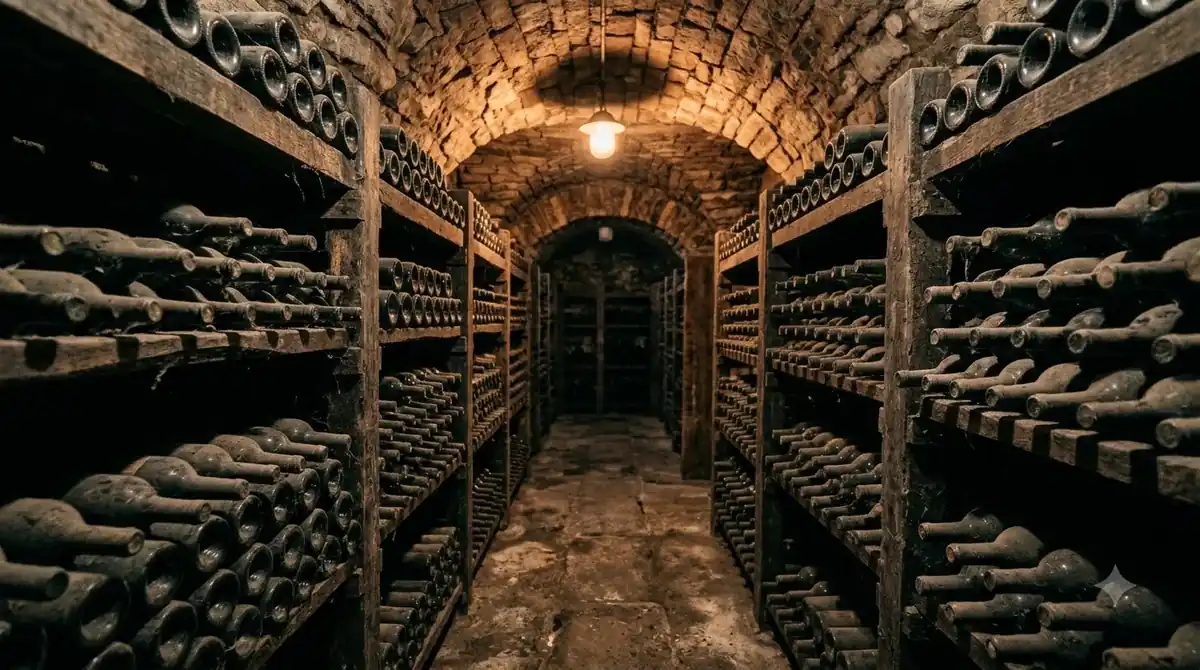
Vines were first planted in the early 1820s using cuttings brought by James Busby, according to the NSW Wine Industry Association. The association describes the Hunter as Australia’s oldest wine-growing region and distinguishes the Lower Hunter from the Upper Hunter. The Lower Hunter contains more than 150 premium producers across areas such as Pokolbin, Lovedale, Mount View, Broke Fordwich, and Wollombi Valley. The Upper Hunter extends through Singleton, Scone, Denman, and Murrurundi, roughly 80 to 120 kilometers northwest, and has a warmer, drier climate than the Lower Hunter.
Wine Australia describes the broader Hunter wine-grape zone as including the Hunter region and the subregions of Upper Hunter Valley, Broke Fordwich, and Pokolbin. Its regional profile lists 2,605 hectares of vineyards, a mean January temperature of 23.1 degrees Celsius, and 527 millimeters of growing-season rainfall. Those figures help explain why visitors should expect warm-weather vineyard landscapes, but they do not mean every site or vintage tastes alike. Cloud cover, humidity, and gentle sea breezes moderate the warmth, while harvest rain can be a factor in some years.
Soil and site also matter. Wine Australia notes that Semillon performs well on sandy alluvial flats, while Shiraz favors friable red duplex and loam soils. The region is not one uniform vineyard, even within a single tasting area. For a broader overview beyond New South Wales, browse the site’s Wine Regions section.
Semillon Leads the Tasting
Hunter Valley Semillon is the wine to put at the center of a first visit. In its classic local style it is usually dry, unoaked, light in body, high in acidity, and modest in alcohol, with young citrus flavors that can become toasty and honeyed with bottle age.
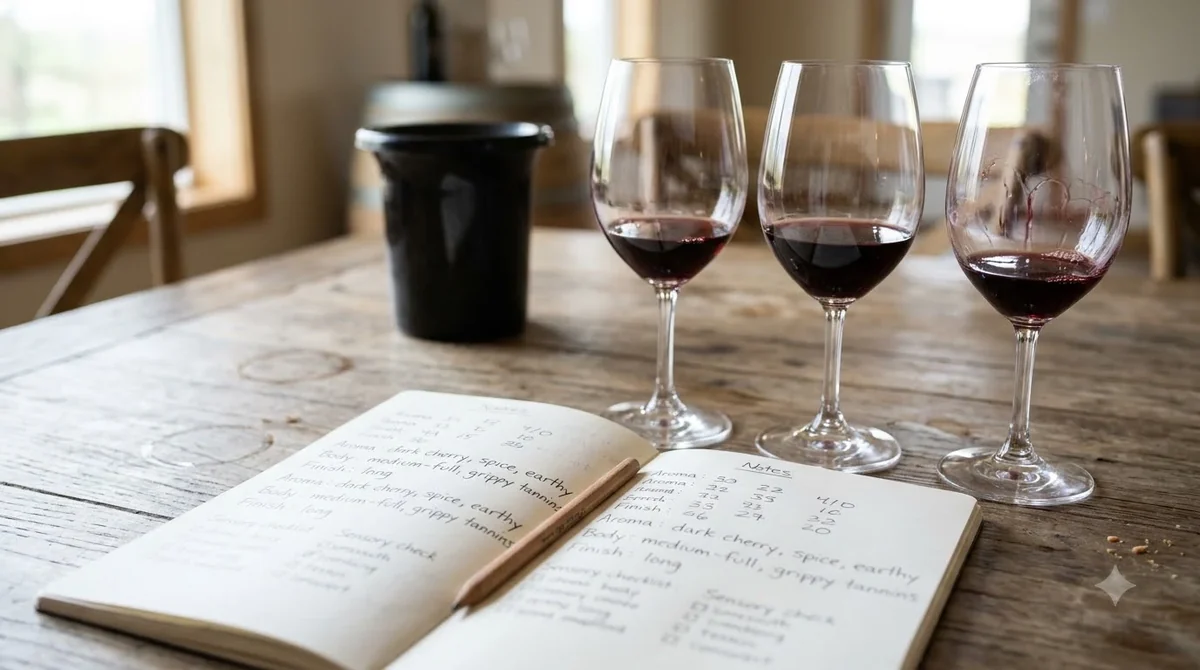
The region’s Semillon often surprises visitors because a young bottle can seem restrained rather than perfumed or full-bodied. Expect lemon, lime, green apple, and a clean, brisk finish. Wine Australia explains that the grapes are often picked early, producing low-alcohol wines with ripe flavors despite relatively low sugar levels at harvest. That approach preserves freshness and creates a wine with a distinctive profile rather than the broad, overtly tropical character some drinkers associate with warm-climate whites.
Age is the second part of the story. With time in bottle, the citrus profile can deepen into lemon curd, toast, honey, and savory complexity, while the wine retains its freshness. Try a young release alongside a bottle with several years of age, ideally from the same producer or vineyard. The comparison makes the evolution easier to understand than tasting two unrelated wines.
Semillon’s acidity makes it a natural partner for oysters, grilled prawns, white fish, or vegetables with lemon. Avoid overwhelming a delicate young bottle with heavy cream, very sweet sauces, or aggressive chili heat. For comparison, a Casablanca Valley wine tasting also highlights bright white-wine acidity, though the climates and regional identities differ. Ask whether the Semillon is intended for early drinking or longer cellaring; taste multiple vintages from youngest to oldest to follow its development.
Shiraz, Chardonnay, and Other Varieties
Shiraz is the Hunter Valley’s leading red, but it is often more medium-bodied and savory than the plush, powerful styles associated with some other Australian regions. Chardonnay, Verdelho, and alternative grapes add useful contrasts and show why a tasting should include more than the two headline varieties.
A typical young Hunter Shiraz can show red and dark berries, peppery spice, and soft tannins. Wine Australia describes the regional style as medium-bodied, with a more complex, earthy and leathery character developing as it ages. That structure can make the wine more flexible with food than a heavily extracted, high-tannin red. Look for versions that emphasize freshness, savory detail, and a moderate frame rather than expecting every Shiraz to be dense or intensely oaked.
Chardonnay has a long local history and varies considerably by producer. Wine Australia describes modern Hunter Chardonnay styles that range from lean and mineral to fuller, richer expressions. In a tasting, compare the weight and texture: one wine may emphasize citrus and stone fruit, while another may show ripe peach, creamier texture, or oak influence. Neither approach represents the whole region. Ask whether the wine was fermented or matured in oak, and whether the producer aims for a restrained or richer style.
Verdelho is another established variety, often more aromatic and generous than classic Semillon. You may also encounter alternatives such as Tempranillo, which the NSW Wine Industry Association identifies among the grapes producers are exploring. Taste these after the signature styles for context. A useful order is sparkling or light whites, Semillon and Chardonnay, then lighter reds before Shiraz; take water between contrasting wines and remember that a 5-ounce pour is a standard home serving, not a target for every cellar-door sample.
How to Choose Cellar Doors and Tastings
The Hunter Valley has more than 150 cellar doors, so a good visit begins with a shortlist rather than an attempt to see everything. Choose appointments by what they teach you: a historic producer, a focused Semillon flight, a Shiraz comparison, or a small winery exploring less familiar varieties.
Pokolbin is a practical starting point, with Broke Fordwich, Lovedale, and Mount View nearby. These Lower Hunter areas let you build a compact day; with more time, give the warmer, drier Upper Hunter a separate outing. Before booking, decide whether you want a seated guided flight, a shorter bar tasting, or a themed experience devoted to Semillon, Shiraz, single-vineyard bottlings, or reserve wines.
Tyrrell’s is one example of a historic cellar door in Pokolbin. Its visitor information traces the family operation to 1858 and lists guided tastings of about one hour, with preferred bookings and five set start times: 10:00 a.m., 11:15 a.m., 12:30 p.m., 1:45 p.m., and 3:00 p.m. Focused options include single-vineyard wines and Vat 1 Semillon. For another stop, choose a producer offering a clear contrast, such as young and aged Semillon or Shiraz from different sites. Read current visitor information before setting out because booking rules and hours can change. The Wine Australia Hunter Valley profile summarizes regional varieties, climate, and soils.
Build a One-Day Tasting Route
A relaxed day usually works best with two or three booked tastings and a proper meal between them. The Tourism Australia Hunter Valley visitor guide places the region about two hours north of Sydney by car and recommends a car or organized tour for getting around.
Choose one geographic cluster. A Pokolbin-centered day makes it easier to combine a historic producer, a Semillon specialist, and a restaurant; Broke Fordwich is an alternative for a quieter rural feel. Avoid mixing distant stops just because they look close on a map. For a sample schedule, book a first tasting around 10:00 a.m. and allow about an hour, then place a second appointment late in the morning or after lunch.
Keep the afternoon flexible for a third stop, a vineyard walk, or time at your accommodation. Give yourself 30 to 45 minutes between appointments for parking, short drives, and a tasting that runs long. Make lunch a real break, not a rushed snack. Tourism Australia recommends a car or organized tour for getting around the region, but anyone tasting wine should not drive; arrange a tour, private driver, or designated non-drinking driver before the first pour.
Two thoughtful tastings can deliver more than five rushed visits. For a contrasting itinerary in a different setting, the site’s Russian River Valley wine tasting article offers another way to compare how place shapes a wine-focused trip.
Food Pairings, Serving, and Taking Wine Home
Food can make a Hunter Valley tasting easier to understand because the region’s crisp Semillon and savory Shiraz respond differently to salt, fat, acidity, and spice. Match the weight of the dish to the wine, and serve each bottle cool enough to show freshness without muting its aromas.
Pair young Semillon with oysters, prawns, grilled fish, lemon-dressed salads, and simply prepared vegetables. Its high acidity suits lemon, but the dish should not be markedly more sour than the wine. Chardonnay can handle richer seafood, roast chicken, or dishes with butter, especially in fuller styles. Hunter Shiraz works with grilled lamb, roast pork, mushrooms, sausages, and dishes with herbs or pepper. Salt and fat soften tannin, while hot chili can make alcohol and tannin feel stronger.
Use serving temperature to keep the wines expressive. Light whites are generally best around 45 to 50 degrees Fahrenheit, while fuller-bodied whites suit about 50 to 55 degrees. Light reds can be served around 55 to 60 degrees, and fuller reds around 60 to 65 degrees. A warm room can make Shiraz taste more alcoholic, so a brief chill before serving is often helpful. Do not serve a white so cold that its aromas disappear.
| Wine style | Serving temperature | Good tasting focus |
|---|---|---|
| Young Hunter Semillon | 45–50°F | Citrus, acidity, clean finish |
| Aged Hunter Semillon | 45–50°F | Lemon curd, toast, savory depth |
| Hunter Chardonnay | 50–55°F | Stone fruit, texture, oak balance |
| Hunter Shiraz | 60–65°F | Berry fruit, spice, soft tannin |
| Light-bodied red | 55–60°F | Freshness and red-fruit character |
When buying bottles, decide whether you prefer vivid citrus in young Semillon or the toast and honey notes of an aged bottle. For cellaring, ask about the vintage and expected drinking window. Store bottles away from sunlight and heat, ideally on their sides in a stable place near 55 degrees Fahrenheit. A 750-milliliter bottle provides about five 5-ounce glasses. Refrigerate opened still wine and aim to finish it within three to five days. Bring whites toward their serving temperature before pouring; a young, full-bodied red may benefit from 30 to 60 minutes of air if it seems tight.
Tip: Keep a simple note on your phone for each tasting: producer, grape, vintage, the aroma you noticed first, and one food you would pair with it. A few specific details make it much easier to remember which Semillon or Shiraz you liked after visiting several cellar doors.
Frequently Asked Questions
These answers cover a few details that help put the region’s wines, geography, and visitor seasons into context before you book a tasting.
Why is Hunter Valley Semillon sometimes called Hunter River Riesling?
Hunter River Riesling is a historical name for the local Semillon style, not an indication that the wine is made from Riesling grapes. The name reflects an earlier period in the region’s wine history and can appear in older Australian wine references.
How large is the Hunter Valley wine region?
Wine Australia describes the Hunter geographical indication as covering about 19,578 square kilometers. That is the wider region, not the area planted to vines; the same profile lists 2,605 hectares of vineyard.
Does Hunter Valley Shiraz change with bottle age?
Yes. Along with more earthy and leathery notes, mature examples can gain a silkier texture and a more pronounced perfume. The pace of change depends on the wine and how it has been stored.
When is a good season for a Hunter Valley visit?
Tourism Australia identifies spring, from September through November, as the high season, with mild weather and a calendar of music events and local festivals. Winter, from June through August, is identified as the low season and can suit visitors who prefer fewer crowds.
Is the Hunter Valley close to Newcastle?
Tourism Australia places the Hunter Valley about an hour west of Newcastle by car. Visitors flying into Newcastle Airport can compare a rental car or organized tour when arranging the final part of the journey.
A well-planned Hunter Valley visit is less about tasting the most wines and more about understanding why the region’s Semillon and Shiraz have such distinct identities. Choose a compact route, book the experiences that match your interests, and leave space for a meal and a slower final stop. You will come away with a clearer sense of the wines and a better memory of the place that produced them.
More in Wine Regions
 Willcox Wine Trail: Discover Arizona’s High-Elevation Wine CountryUpdated Nov 20, 2026
 Yakima Valley Wine Region: Find the Best Styles to TryUpdated Nov 20, 2026
 Vosne Romanee Wine Tasting: Identify Aromas and Choose Better PairingsUpdated Nov 20, 2026
 Yakima Valley Wine Festival: Find the Best Seasonal Wine EventsUpdated Nov 20, 2026
 Wales Vineyards: Discover Cool-Climate Wines and Where to VisitUpdated Nov 20, 2026
 Yountville Wine Festival: Discover Napa Wines and Local FoodUpdated Nov 20, 2026