


We may earn a commission when you buy through links on this page, at no extra cost to you. Learn more.
Santa cruz mountains wine tasting offers visitors the chance to discover distinctive Pinot Noir, Chardonnay, and Cabernet Sauvignon at small wineries scattered throughout California’s coastal mountain range. The region combines cool Pacific influences, rugged mountain vineyards, and varied soils to produce wines with freshness, structure, and individual character. Visitors can explore estate wineries near Saratoga, Los Gatos, and Corralitos, as well as convenient tasting rooms in Santa Cruz. Planning around a few neighboring wineries makes it easier to enjoy the region without spending the entire day driving.
The Santa Cruz Mountains offer a different experience from California’s more familiar wine destinations. Instead of concentrating around one central wine-country town, wineries occupy mountain ridges, wooded slopes, coastal foothills, and small communities. Some tasting rooms provide expansive vineyard views, while others offer a relaxed urban setting close to restaurants and the Pacific coast. Understanding the geography, signature grapes, and winery locations will help you build a rewarding itinerary.
Understanding the Santa Cruz Mountains Wine Region
The Santa Cruz Mountains AVA is a distinctive California wine region defined by its mountainous terrain rather than a simple county boundary. Established in 1981, it was the first California appellation to be defined by mountain topography, creating a wine-growing identity closely connected to elevation, coastal influence, and geological variation.
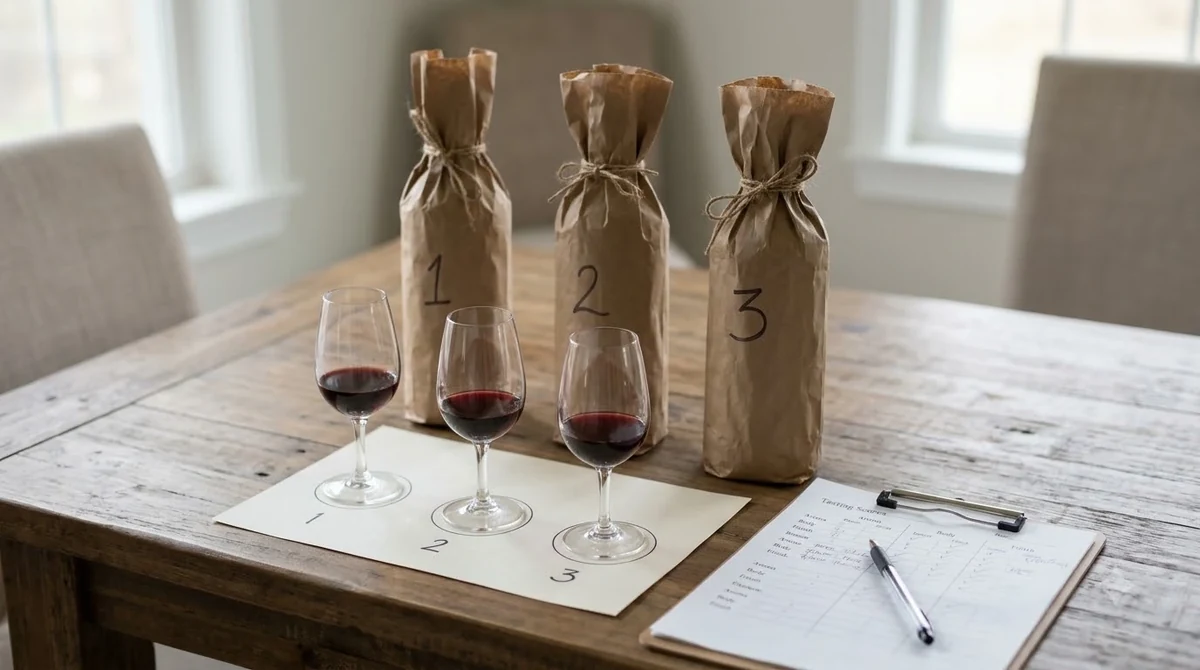
The appellation extends through San Mateo, Santa Cruz, and Santa Clara counties. Its vineyards occupy a broad landscape between the Pacific Ocean and the inland communities near Silicon Valley. The regional winegrowers association identifies approximately 1,600 acres of winegrapes, with Pinot Noir, Cabernet Sauvignon, Chardonnay, and other varieties forming the principal plantings.
The region’s history reaches back to the 1870s, when pioneering growers Paul Masson and Charles Lefranc established vineyards using cuttings brought from Burgundy. Their work helped introduce European grape varieties to a mountainous environment that would eventually become recognized for both cool-climate wines and structured reds.
Recognition at the 1976 Judgment of Paris also helped establish the area’s reputation. Ridge Vineyards’ Cabernet Sauvignon performed exceptionally well in the influential competition, demonstrating that California mountain vineyards could produce wines capable of competing with established international regions.
Modern visitors encounter a community of small producers rather than a landscape dominated by a handful of enormous wineries. The regional association describes nearly 300 small growers and wineries, while individual tasting destinations range from established estates to smaller producers with limited public hours.
For additional background before planning a visit, the Santa Cruz Mountains regional history and winegrower information explains how the appellation developed and why its terrain plays such an important role in its wines.
First-time visitors should remember that the Santa Cruz Mountains AVA is much larger than the city of Santa Cruz. A winery described as being in the Santa Cruz Mountains might be closer to Saratoga, Los Gatos, Woodside, or Corralitos. Choosing a geographic area before making tasting appointments is therefore one of the most useful planning decisions.
How Mountain Elevation and Coastal Climate Shape the Wines
Elevation, marine air, fog, and changing sun exposure create a collection of growing environments within the Santa Cruz Mountains. These conditions help explain why Pinot Noir and Chardonnay thrive in some vineyards while Cabernet Sauvignon and Zinfandel perform better in others.
The Pacific Ocean moderates temperatures across the western slopes. Cool marine air and fog can slow grape ripening, helping preserve acidity while allowing flavors to develop. This is particularly important for Pinot Noir and Chardonnay, which can lose freshness when exposed to excessive heat during the growing season.
Inland and eastern-facing vineyards may receive more sunshine and experience warmer daytime conditions. These locations can be suitable for varieties that benefit from additional warmth, including Cabernet Sauvignon, Merlot, and Zinfandel. However, conditions can change considerably over relatively short distances, making individual vineyard exposure more important than a broad regional label.
Soils also contribute to differences between vineyards. The mountain landscape includes thin, stony soils and other formations influenced by ancient geological activity. Some sites contain clay, decomposed rock, loam, and limestone. These differences influence drainage, vine growth, and the concentration of fruit produced by individual vineyard blocks.
Lower yields can result when vines grow in challenging, relatively infertile soils. This does not automatically guarantee better wine, but careful vineyard management can produce smaller crops with concentrated flavors and distinctive site characteristics.
The region’s growing conditions also explain why two Pinot Noirs from different mountain locations may taste surprisingly different. One might emphasize tart cherry, red berries, and delicate spice, while another offers darker fruit, earthier notes, and a firmer structure.
Tip: During a winery visit, ask whether the grapes come from a coastal-facing vineyard, an inland slope, or a high-elevation site. Comparing these descriptions while tasting Pinot Noir and Chardonnay can make the differences between mountain vineyards easier to understand.
Visitors interested in comparing California wine regions can also explore Santa Ynez Valley wine, where a different collection of coastal valleys and inland growing conditions creates another range of distinctive wine styles.
The Signature Grapes to Look for During a Tasting
Pinot Noir, Chardonnay, and Cabernet Sauvignon are the principal wines to seek out during a Santa Cruz Mountains visit. Merlot, Zinfandel, Syrah, and occasional sparkling wines provide additional variety, making it possible to compare several approaches to California winemaking in one trip.
Pinot Noir
Pinot Noir is one of the region’s defining grapes. The cooler coastal influences and varied mountain exposures suit this thin-skinned variety, which can produce wines with bright acidity, red-fruit aromas, and moderate tannin.
Look for cherry, raspberry, strawberry, dried herbs, forest floor, and subtle earthy characteristics. Some examples emphasize freshness and delicate fruit, while others have darker flavors and more substantial texture.
Because Pinot Noir generally has low-to-medium tannin and high acidity, it is a versatile choice at the dinner table. It works particularly well with roast chicken, duck, mushroom dishes, grilled salmon, and pork tenderloin.
Chardonnay
Santa Cruz Mountains Chardonnay benefits from the region’s cooler sites and gradual ripening. Depending on the producer’s approach, bottles can range from crisp and citrus-driven to richer examples with apple, pear, peach, and subtle oak characteristics.
Some winemakers favor stainless steel or restrained oak treatment to preserve freshness. Others use barrel fermentation, lees contact, and malolactic fermentation to develop a creamier texture and more complex flavors.
Chardonnay has medium acidity, so it can accompany roast chicken, seafood, creamy pasta, and grilled vegetables. When comparing two examples, pay attention to the balance between fruit, acidity, oak, and texture rather than assuming that a more heavily oaked wine is necessarily better.
Cabernet Sauvignon
Cabernet Sauvignon provides a contrasting expression of the region. Mountain-grown examples can offer blackcurrant, blackberry, cedar, herbs, and firm structure. Cooler growing conditions can help retain freshness while the grape’s naturally substantial tannins contribute aging potential.
Try Cabernet alongside grilled steak, lamb, beef short ribs, or aged hard cheese. Its high tannin makes it particularly compatible with protein-rich dishes, while salt and fat help soften the wine’s drying sensation.
Merlot, Zinfandel, and Other Varieties
Merlot offers a softer alternative to Cabernet Sauvignon, generally with medium tannin and flavors of plum, black cherry, and herbs. Zinfandel can deliver riper fruit, spice, and a fuller body, particularly from warmer inland locations.
Syrah is another interesting option. Its dark fruit, pepper, and savory characteristics can provide a different experience from the region’s more familiar Pinot Noir and Chardonnay. If a tasting flight includes several varieties, try the lighter wines first and finish with the more structured reds.
Best Areas and Wineries for Santa Cruz Mountains Wine Tasting
The best tasting area depends on the experience you want, the wineries you plan to visit, and how much driving you are comfortable doing. Saratoga and Los Gatos offer access to established mountain estates, while Corralitos and Santa Cruz provide a different combination of rural vineyards and convenient tasting rooms.
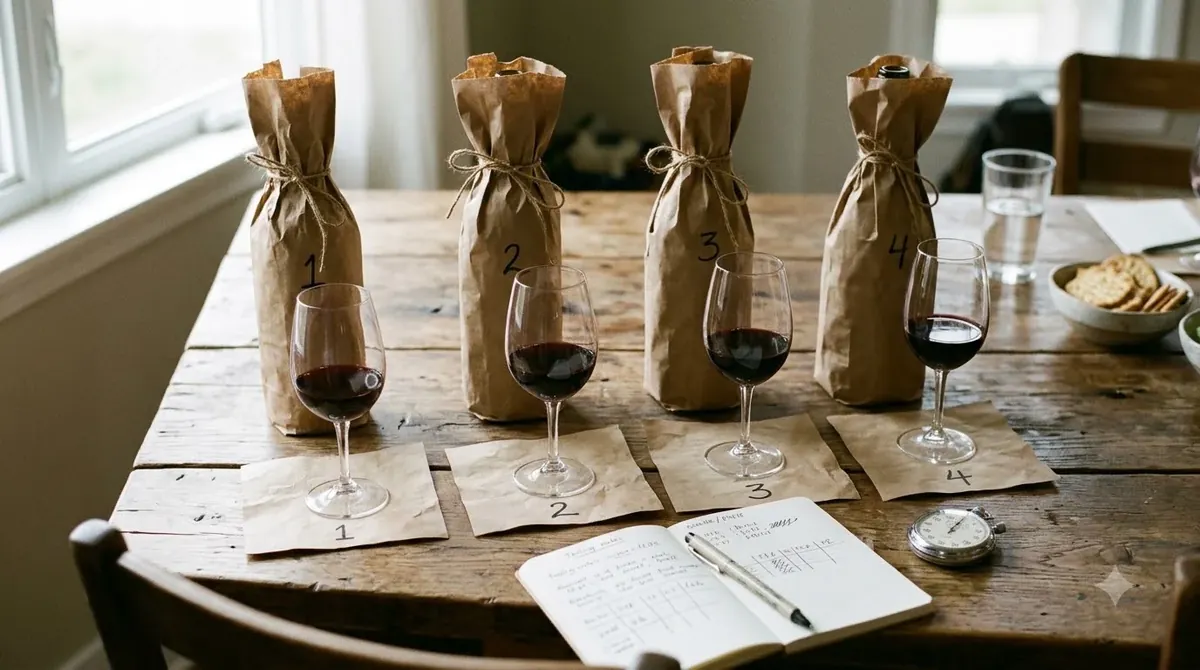
Saratoga and Los Gatos
This area is a strong starting point for visitors interested in established mountain wineries and structured wines. Mount Eden Vineyards is an important destination for exploring the region’s mountain identity, particularly its Chardonnay, Pinot Noir, and Cabernet Sauvignon.
Domaine Eden is another name to investigate in the Saratoga area. Its tasting experience provides an opportunity to compare wines from a region where elevation and exposure have a substantial influence on grape development.
Cooper-Garrod Estate Vineyards and House Family Vineyards are additional options for visitors exploring the Saratoga and Los Gatos side of the appellation. Reservations and available tasting formats should be confirmed directly with each winery.
Summit and the Mountain Roads
The Summit area offers a more traditional mountain wine-country experience. Its wooded surroundings, winding roads, and elevated vineyards create a setting that contrasts with the more accessible urban tasting rooms.
Burrell School Vineyards and Winery and Regale Winery and Vineyards are useful destinations to investigate when planning this area. Wrights Station Vineyard and Winery is another option for visitors interested in mountain-grown wines and a quieter estate setting.
Allow additional driving time between appointments. Mountain roads can be slower than their distances suggest, particularly when the route includes narrow turns and changing elevation.
Corralitos and Aptos
Corralitos is particularly appealing to visitors who want a combination of rural vineyard scenery and proximity to the coast. Windy Oaks Estate Vineyards and Winery is an established name associated with mountain-grown Pinot Noir and Chardonnay.
Alfaro Family Vineyards and Winery is another destination worth considering. Its location in the Corralitos area makes it a useful addition to a tasting itinerary focused on the southern portion of the appellation.
Sante Arcangeli Family Wines provides another opportunity to explore wines from this part of the region. Depending on the tasting location and appointment schedule, visitors can combine vineyard visits with a stop in nearby Aptos.
Santa Cruz and the Coastal Foothills
Visitors who prefer an accessible town-based tasting experience can explore Santa Cruz. Storrs Winery and Vineyards offers a tasting room in the city, where visitors can encounter Chardonnay, Zinfandel, and Pinot Noir.
Santa Cruz Mountain Vineyard, Big Basin Vineyards, and Silver Mountain Vineyards are other names to consider when researching the Santa Cruz and surrounding coastal foothill areas.
Urban tasting rooms are particularly useful for visitors who want to enjoy several wines without committing to a full day of mountain driving. They also make it easier to combine wine tasting with restaurants, local galleries, and coastal sightseeing.
For a broader list of destinations and current tasting information, consult the regional winery directory before finalizing appointments.
Planning a One-Day Wine Tasting Itinerary
A successful Santa Cruz Mountains wine outing usually involves two or three wineries rather than attempting to visit every available tasting room. The appellation covers a large geographical area, and its winding mountain roads make a realistic schedule more enjoyable than an ambitious driving route.
According to Decanter’s regional overview, the appellation includes six subregions: Skyline, Saratoga/Los Gatos, Summit, Coastal Foothills, Ben Lomond Mountain, and Corralitos/Pleasant Valley. Organizing visits around one or two neighboring areas helps reduce unnecessary travel.
Example: A Saratoga and Los Gatos Day
Begin with a late-morning appointment at Mount Eden Vineyards or another nearby estate. Concentrate on the Chardonnay and Pinot Noir offerings before comparing Cabernet Sauvignon. This gives you an introduction to both the cooler-climate varieties and the structured reds associated with mountain vineyards.
After lunch, arrange a second tasting at Domaine Eden or another winery in the same general area. Comparing two producers from neighboring mountain locations can reveal differences in winemaking decisions, oak treatment, and vineyard exposure.
Finish the day with dinner in Saratoga or Los Gatos rather than adding another distant winery. This approach allows enough time for each tasting and avoids rushing through the experience.
Example: A Corralitos and Aptos Day
Begin in Corralitos with a morning visit to Windy Oaks or Alfaro Family Vineyards. Focus on Pinot Noir and Chardonnay, paying attention to the fruit profile and acidity of each wine.
After lunch, consider another appointment in the Corralitos area or a tasting room closer to Aptos. If the schedule permits, finish with a relaxed meal near the coast. This route works particularly well for visitors who want to combine vineyard scenery with a coastal afternoon.
Example: A Santa Cruz Tasting Day
Choose two or three tasting rooms in Santa Cruz and the surrounding foothills. Start with a lighter white or Pinot Noir, continue with a contrasting red, and leave time for a restaurant or coastal visit.
This is a practical option for travelers staying in Santa Cruz who prefer not to spend much of the day on mountain roads. It also provides an opportunity to explore several local producers without requiring every appointment to take place at an estate vineyard.
The following schedule offers a useful framework rather than a fixed itinerary:
| Time | Activity | Planning purpose |
|---|---|---|
| 10:30 AM | First winery appointment | Begin with a focused tasting of 3-5 wines |
| 12:00 PM | Lunch break | Allow approximately 60 minutes for food |
| 1:30 PM | Second winery appointment | Compare another 3-5 regional wines |
| 3:00 PM | Optional third stop | Visit only if the location and schedule allow |
| 4:30 PM | Finish the tasting day | Allow time for a safe return journey |
Before confirming appointments, check each winery’s opening days, reservation policy, tasting duration, and location. Some producers welcome walk-in visitors, while others operate primarily through advance reservations or scheduled experiences.
Wine Tasting Etiquette, Serving Temperatures, and Food Pairings
Understanding tasting order, serving temperature, and food pairing makes a winery visit more informative. A few simple techniques can help reveal differences between Pinot Noir, Chardonnay, and Cabernet Sauvignon without requiring advanced wine knowledge.
Follow a Sensible Tasting Order
Start with sparkling wine or lighter whites, continue with fuller-bodied whites and lighter reds, and finish with structured reds. If a tasting flight includes Pinot Noir, Merlot, Syrah, and Cabernet Sauvignon, this progression helps prevent the stronger wines from overwhelming more delicate examples.
Take a moment to examine the wine’s appearance, smell its aromas, and consider its texture and finish. Notice whether the acidity makes your mouth water, whether the tannins create a drying sensation, and whether the fruit flavors remain present after swallowing.
Rather than trying to identify every possible aroma, record two or three recognizable characteristics. For example, a Pinot Noir might suggest cherry, forest floor, and baking spice, while a Cabernet Sauvignon might show blackcurrant, cedar, and dark herbs.
Serve the Wines at Appropriate Temperatures
Temperature has a significant effect on how wine smells and tastes. Whites served too cold can seem muted, while reds served too warm can feel overly alcoholic and heavy.
Use these general serving temperatures when enjoying bottles after your winery visit:
| Wine style | Recommended temperature |
|---|---|
| Sparkling wine | 40-50°F |
| Light-bodied white wine | 45-50°F |
| Full-bodied Chardonnay | 50-55°F |
| Rosé | 45-50°F |
| Light-bodied Pinot Noir | 55-60°F |
| Full-bodied Cabernet Sauvignon | 60-65°F |
These temperatures are useful starting points, not rigid rules. A structured Pinot Noir may benefit from slightly warmer service than a delicate example, while a richer Chardonnay may show more detail when it is not served directly from a very cold refrigerator.
Match Regional Wines With Food
Pinot Noir is a natural partner for roast chicken, duck, pork, and mushroom-based dishes. Its high acidity can complement savory food, while its relatively moderate tannin makes it less demanding than Cabernet Sauvignon.
Chardonnay works with grilled fish, roast poultry, lobster, and creamy sauces. A crisp, lightly oaked example is particularly useful with seafood, while a richer, barrel-aged bottle can accompany roast chicken or dishes with butter and cream.
Cabernet Sauvignon benefits from protein and fat, making it suitable for steak, lamb, and braised beef. Merlot can work with roast pork, meatloaf, and grilled vegetables, while Syrah pairs well with grilled meats and dishes featuring black pepper or herbs.
For additional pairing inspiration, visitors who enjoy comparing regional wine traditions may also appreciate Alsace wine tasting, where aromatic whites and regional food specialties create a different tasting experience.
One useful principle is to match the wine’s intensity with the dish. Delicate fish can disappear beside a powerful Cabernet Sauvignon, while a light Pinot Noir may struggle to match an intensely seasoned steak. Acidic food also needs a wine with equal or higher acidity to avoid making the wine seem flat.
Practical Travel Tips for Visiting Mountain Wineries
Good preparation makes the difference between a relaxing wine-country day and an unnecessarily complicated outing. Advance reservations, realistic driving times, and a clear tasting plan are particularly important in a region where wineries are spread across mountain roads and smaller communities.
Make Reservations Before Leaving
Do not assume every winery offers unrestricted walk-in tasting. Some establishments have limited seating, operate by appointment, or offer specific tasting sessions. Check the official winery website for current availability, tasting formats, and any visitor requirements.
It is also sensible to confirm the number of people in your group. A tasting room may have different arrangements for couples, larger parties, and private groups. Asking about the expected duration helps you avoid scheduling appointments too close together.
Allow Extra Time for Mountain Driving
Distances in the Santa Cruz Mountains can be misleading. A short route on a map may involve winding roads, steep sections, and slower travel than a highway journey. Plan around the actual locations of your appointments rather than assuming every winery is close to the next one.
Decanter identifies Capitola as a useful reference point because many wineries are within approximately 25 minutes’ drive. However, this should not be interpreted as a guarantee that every winery is that close to every other destination.
Choose a Convenient Place to Stay
Corralitos offers a useful base for travelers interested in rural vineyards and coastal access. Santa Cruz is another practical option for visitors who want restaurants, accommodation, and town-based tasting rooms nearby.
Saratoga and Los Gatos are worth considering for travelers planning to focus on the northeastern portion of the appellation. Their locations can make it easier to explore wineries in the surrounding foothills without crossing the entire region.
Prepare for Changing Mountain Weather
Mountain conditions can differ from those along the coast or in nearby cities. Fog, cool breezes, and changing temperatures are common reasons to bring an additional layer of clothing, particularly when a tasting includes an outdoor terrace or vineyard walk.
Comfortable footwear is also helpful. Some winery grounds have uneven surfaces, gravel paths, or sloping vineyard areas. Visitors who plan to explore the property should dress for walking rather than treating every appointment as an indoor restaurant visit.
Plan Responsible Transportation
Wine tasting involves sampling multiple alcoholic beverages, so arrange a designated driver, private transportation, or another suitable way to travel before beginning the day. Avoid trying to fit too many tastings into a short period, and allow sufficient time between appointments.
Consider taking tasting notes and asking about bottle availability rather than purchasing everything immediately. This makes it easier to remember favorite producers and compare wines after the trip. If you are carrying bottles in a vehicle, protect them from excessive heat and prolonged direct sunlight.
For visitors exploring other emerging American wine destinations, Willcox wine tasting provides an interesting comparison with Arizona’s high-desert wine-growing environment.
Frequently Asked Questions
Is the Santa Cruz Mountains AVA part of the Central Coast wine region?
Yes. The Santa Cruz Mountains AVA is generally included in California’s broader Central Coast wine region. Its mountain-defined appellation has a distinct identity, however, and its vineyards span parts of three counties rather than following one county boundary.
Can visitors buy wine directly from Santa Cruz Mountains wineries?
Many wineries offer direct bottle sales through their tasting rooms or winery websites. Some smaller producers have limited distribution, making an estate visit a useful opportunity to find bottles that may be difficult to locate elsewhere.
Are there sparkling wines produced in the Santa Cruz Mountains?
Yes. Some regional producers make traditional-method sparkling wines using varieties such as Chardonnay and Pinot Noir. This approach involves a second fermentation in the bottle, creating the bubbles and the fine mousse associated with traditional sparkling wine production.
How many bottles of wine are in a standard winery case?
A standard case contains 12 bottles, usually 750 milliliters each. That represents 9 liters of wine, equivalent to approximately 60 standard five-ounce servings.
What is the best season to visit the Santa Cruz Mountains wineries?
Spring and fall are popular periods for exploring California wine country, although each season offers a different experience. The main grape harvest generally takes place in late summer and fall, with timing varying according to grape variety, vineyard elevation, and growing conditions.
Santa Cruz Mountains wine tasting rewards visitors who take time to explore its different vineyard locations and grape varieties. Start with Pinot Noir, Chardonnay, and Cabernet Sauvignon, choose two or three nearby wineries, and leave room for the region’s coastal scenery and local restaurants. With a little advance planning, a visit can provide a memorable introduction to one of California’s most distinctive mountain wine regions.
More in Wine Regions
 Willcox Wine Trail: Discover Arizona’s High-Elevation Wine CountryUpdated Nov 20, 2026
 Yakima Valley Wine Region: Find the Best Styles to TryUpdated Nov 20, 2026
 Vosne Romanee Wine Tasting: Identify Aromas and Choose Better PairingsUpdated Nov 20, 2026
 Yakima Valley Wine Festival: Find the Best Seasonal Wine EventsUpdated Nov 20, 2026
 Wales Vineyards: Discover Cool-Climate Wines and Where to VisitUpdated Nov 20, 2026
 Yountville Wine Festival: Discover Napa Wines and Local FoodUpdated Nov 20, 2026