

We may earn a commission when you buy through links on this page, at no extra cost to you. Learn more.
The best way to approach croatia wine tasting is to compare a crisp inland Graševina with coastal Malvazija Istarska or Pošip, then taste Dalmatia’s powerful Plavac Mali. Croatia has four broad wine regions and a remarkable range of native grapes, so a regional flight tells you more than a random collection of labels. Start with one area, ask for local varieties, and leave room for the food traditions that shape each glass.
Croatia’s wine culture stretches from the Adriatic islands to continental hills and the Danube plain. The names may be unfamiliar at first, but a few regional anchors make it easy to understand what is in your glass and plan a memorable winery visit.
Start With Croatia’s Two Wine Personalities
Croatia’s wine map is easiest to read as a meeting of two broad climates: the warmer Adriatic coast and the cooler continental interior. That contrast helps explain why a fresh white from Istria can feel so different from a white grown around Kutjevo, even before you compare individual grapes.

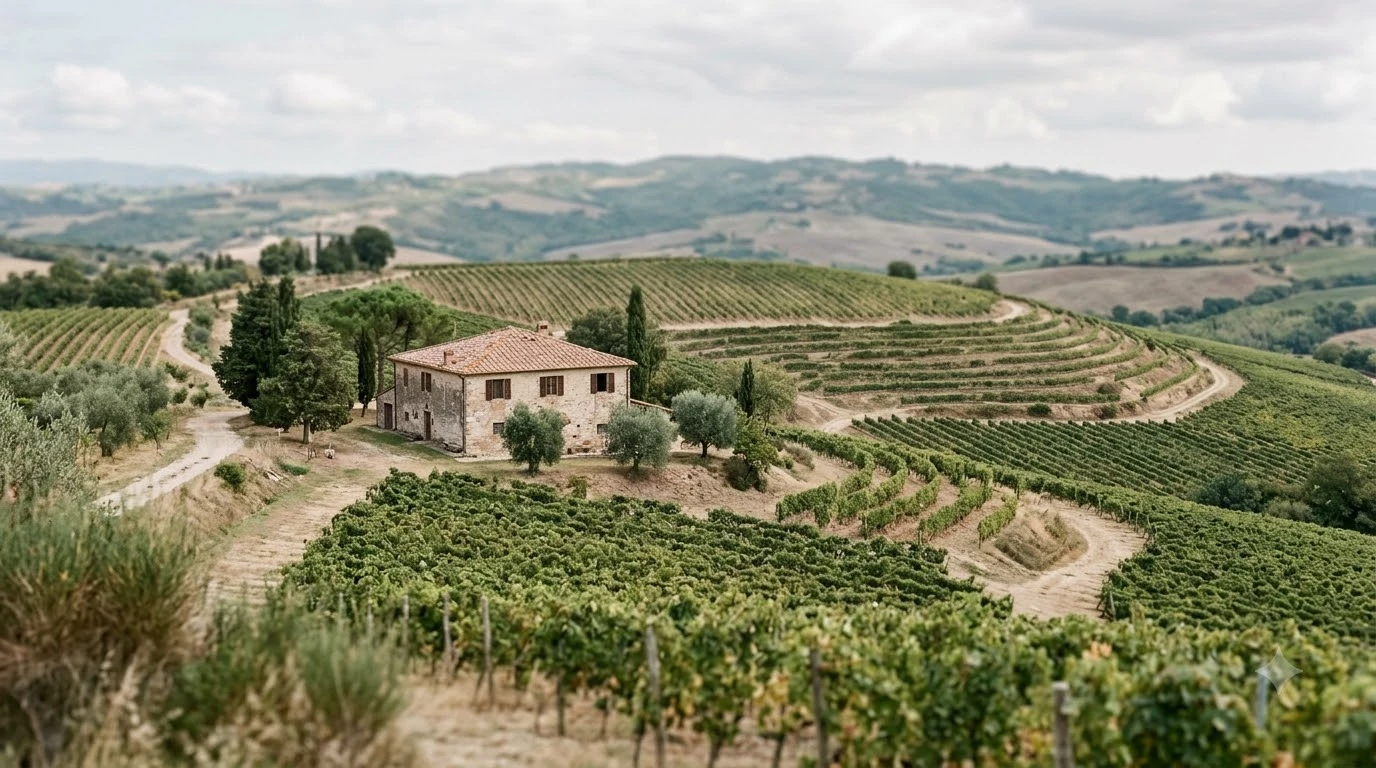
Along the coast, Mediterranean sunshine, sea breezes, limestone and varied island exposures shape wines with ripe fruit, herbal notes and, in some whites, a saline edge. Istria is associated with dry Malvazija Istarska; Dalmatia is known for Pošip and fuller reds made from Plavac Mali. Island vineyards can cling to rocky slopes above the Adriatic, making landscape part of the tasting story.
Inland, the Croatian Uplands and Slavonia bring cooler conditions and a strong white-wine tradition. Graševina, Škrlet, Pušipel and Riesling are key names; Graševina ranges from crisp and citrus-led to oak-aged, sparkling or sweet late-harvest styles. Taste a coastal white beside a continental one to hear the contrast.
The Croatian National List of recognized grapevine characteristics includes 258 varieties, 134 of them autochthonous, according to the Croatian National Tourist Board. Ask which grapes are local to the district rather than assuming international varieties tell the whole story.
Croatia’s Four Wine Regions at a Glance
The Croatian National Tourist Board groups the country into four wine regions: Istria and Kvarner, Slavonia and Podunavlje, the Croatian Uplands, and Dalmatia. Each gives visitors a different starting point, from Krk’s Žlahtina to the steep Plavac Mali vineyards of Pelješac.

Istria and Kvarner cover the Istrian Peninsula, the area around Rijeka, and the islands of Krk, Cres, Rab, Lošinj and Pag. Western Istria is known for Malvazija Istarska; central Istria is an important home for Teran. On Krk, seek out Žlahtina, particularly around the village of Vrbnik. A flight can move from crisp Malvazija to lively Teran and lighter Žlahtina.
Slavonia and Podunavlje run from Virovitica and Daruvar toward the Danube and Baranja. It includes Kutjevo, Erdut, Ilok, Srijem and Baranja, with Graševina at its center. The Croatian Uplands span Međimurje, Zagorje, Prigorje, Plešivica and Moslavina. They are mostly white-wine country, with Škrlet, Pušipel, Kraljevina, Riesling, Sauvignon Blanc and Chardonnay. Plešivica is a notable sparkling-wine center.
Dalmatia extends from Zadar and its hinterland to Konavle in the far south. Its best-known red, Plavac Mali, thrives on the Pelješac Peninsula and islands such as Hvar and Brač; its leading white, Pošip, is strongly associated with Korčula. The table below gives a simple tasting map before you choose a base.
| Region | Grapes to request | Styles to expect | Useful tasting focus |
|---|---|---|---|
| Istria and Kvarner | Malvazija Istarska, Teran, Žlahtina | Fresh whites, structured reds, island whites | Compare coastal Malvazija with central-Istrian Teran; Vrbnik on Krk is a Žlahtina reference point. |
| Slavonia and Podunavlje | Graševina, Traminer, Riesling | Crisp, full-bodied, sparkling and late-harvest whites | Compare wines from Kutjevo, Erdut and Ilok. |
| Croatian Uplands | Škrlet, Pušipel, Kraljevina, Chardonnay | Fresh whites and traditional-method sparkling wines | Look to Plešivica for sparkling wine and Moslavina for Škrlet. |
| Dalmatia | Plavac Mali, Pošip, Grk, Babić, Debit | Ripe reds, saline whites and distinctive island wines | Compare Pelješac reds with Korčula whites and Primošten Babić. |
For a closer look at the small family wineries and Plešivica sparkling scene, see the Croatian National Tourist Board’s Croatian Uplands wine-region profile. The regional categories are a travel framework, not a guarantee of uniform flavor: altitude, harvest timing, fermentation vessel and producer choices all matter.
Indigenous Grapes to Put on Your Tasting List
A short list of native grapes helps you order confidently. Start with Malvazija Istarska, Graševina, Pošip and Plavac Mali, then explore smaller regional varieties.
Malvazija Istarska is a dry Istrian white that can show green apple, citrus, almond blossom and a mineral finish. Young stainless-steel versions tend to emphasize freshness, while oak- or acacia-aged examples can gain weight and a nutty, rounded texture. Some producers also use skin contact, creating a deeper-colored wine with more grip. A Wine Enthusiast profile of Croatia’s white grapes notes references to Malvazija in Istria dating to at least 1385.
Graševina is the most planted grape in continental Croatia and is particularly important in Slavonia. Its range is a reason to taste rather than assume: a fresh example may show green apple and citrus, while a fuller bottling can bring peach, chamomile and more body. Producers also make sparkling and late-harvest versions. Pošip, associated with Korčula, often gives ripe citrus, apricot, white peach or toasted-almond notes. Stainless-steel versions can be crisp and clean; oak-aged examples are usually broader and fuller.
For reds, start with Plavac Mali, the signature variety of southern Dalmatia. It commonly makes deeply colored, full-bodied wines with dark fruit, dried fig and firm tannin, especially on sun-exposed slopes of Pelješac, Hvar and Brač. Plavac Mali is related to Tribidrag; Tribidrag is also known as Crljenak Kaštelanski and is genetically identical to Zinfandel and Primitivo. The Croatian National Tourist Board identifies Tribidrag as one of Plavac Mali’s predecessors. Teran from Istria is a different proposition: high in acidity, deeply colored and often marked by tart red fruit and savory, earthy notes. Babić from around Primošten brings firm structure and red-cherry character, while Grk from Korčula is a rare white with texture and a saline edge.
Round out a flight with grapes that may appear only on a local list. Žlahtina from Krk is a lighter, refreshing white; Debit from the Šibenik area often brings citrus and floral notes; Maraština is a traditional Dalmatian white; and Škrlet from Moslavina is known for bright fruit and herbal freshness. Ask the server to explain the grape’s home area and winemaking method. That question can lead to a more revealing pour than choosing by prestige alone.
Where to Go for Winery Visits
Choose a base that matches your preferred styles and build a compact route nearby. Istria combines winery visits with food experiences; Dalmatia is better approached as a coastal or island itinerary than a loop across the entire region.
In Istria, the hill towns around Motovun and Momjan make a natural center for Malvazija Istarska and Teran. The Croatian National Tourist Board lists Matošević Winery in Sv. Lovreč, near Lim Bay and within reach of Rovinj and Poreč. Its tasting presentations can include Istrian hard cow cheese, Boškarin sausage, olive oil and dried fruit, which makes the visit a direct introduction to local food as well as wine. Kabola, near Momjan, is another name to investigate if you want to explore different approaches to Istrian grapes and cellar work.
For an urban introduction, Zagreb’s Bornstein Wine Cellar and Wine Bar offers a broad selection in a cellar described by the national tourism board as 200 years old. It is useful at the start or end of a trip if you want to compare regions without driving between vineyards. About 30 minutes from Zagreb, Voštinić Klasnić near Ivanić-Grad offers Škrlet from Moslavina; tasting it alongside a Graševina gives a useful comparison between two continental white-wine identities.
Dalmatia rewards a more focused plan. Near Primošten, the Bucavac vineyard area is known for its tiny Babić plots divided by dry-stone walls; Decanter describes the site as 18.4 hectares and a short drive from Primošten. On Pelješac, seek out Plavac Mali from Dingač and Postup, and compare it with a less concentrated bottling from another part of the peninsula. On Korčula, make time for Pošip and Grk. Decanter’s account of island vineyards distinguishes Brač’s higher karst sites, Hvar’s warmer red-soil settings and Korčula’s cooler, sheltered coastal vineyards, so island-hopping can become a comparative tasting rather than a series of similar stops.
For another way to think about destination-led wine travel, compare the food-and-vineyard mix in Istria with Alsace wine tasting, or contrast Dalmatia’s coastal reds with Bolgheri wine tasting. The comparison shows how geography, local food and grapes give each trip its identity.
How to Taste and Pair Croatian Wines
Use a tasting order that moves from lighter whites to fuller whites, then to reds, and finish with any sweet wine. This order makes acidity, body, tannin and oak easier to compare, especially in a flight of Graševina and Pošip.
Begin by looking at color and clarity, then smell before tasting. Note whether the first impression is citrus, green apple, stone fruit, dried herbs, flowers, dark berries or dried fruit. On the palate, compare acidity and texture: crisp Graševina differs from oak-aged Pošip, while full-bodied Plavac Mali brings more tannin and alcohol warmth than lighter Teran. Ask whether differences between two wines come from site, ripeness, oak, skin contact or age.
Pair the wines with the ingredients that define their home regions. Malvazija Istarska works well with grilled fish, shellfish, fresh cheese, olive oil and Istrian dishes with herbs or truffles. Pošip is a natural partner for grilled Adriatic seafood, octopus and richer white fish; choose a high-acid version when the food has lemon or vinegar. Graševina’s freshness suits freshwater fish, roast chicken, pork and mild cheeses. For a more detailed contrast, a Willcox wine tasting can show how a warm-climate American region builds its identity around a different set of grapes and food pairings.
Plavac Mali is better with grilled lamb, slow-cooked beef, aged hard cheese and other dishes with enough protein and fat to soften firm tannins. Babić also fits grilled meat and tomato-based dishes. Avoid pairing a tannic red with oily fish, which can create an unpleasant metallic impression. Salt and fat soften tannin, but chili heat can make alcohol and tannin seem more aggressive. For dessert, choose a Croatian sweet wine at least as sweet as the dish rather than serving a dry white beside a very sweet pastry.
Serve the wines at temperatures that preserve their structure. Light whites and rosé are best around 45–50°F; fuller whites such as a richer Pošip are better around 50–55°F. Light reds, including many Teran bottlings, can be served at 55–60°F, while fuller Plavac Mali is better around 60–65°F. A standard pour is 5 ounces; a 750-milliliter bottle provides about five glasses, though winery flights are often smaller.
Plan a Tasting Day That Works
Two or three winery appointments in one area usually make a more rewarding day than trying to cover several distant wine regions. Leave time for questions, lunch and notes; a tasting is about place and people as well as the glass.
Contact wineries before you arrive, especially small family cellars and producers on islands or outside major towns. Ask whether the visit includes a vineyard walk, cellar tour, seated tasting or food pairing, and whether local grapes can be poured side by side. Some estates host groups; smaller cellars may have limited space or fixed appointment windows. The national tourist board says Matošević’s Classic and Premium presentations can host groups of up to 30, but that capacity should not be assumed at other wineries.
Plan transport before the first pour. A designated driver, private transfer, organized tour or overnight stay near the wineries is safer and more practical than improvising between appointments. On Hvar and Korčula, ferry schedules shape the day; inland, allow extra time for roads between Kutjevo, Ilok and Uplands villages.
Tip: Ask for one local white, one local red and one less familiar grape at each stop. Write down the producer, grape, subregion, vintage, serving temperature and one aroma or flavor you noticed. Those notes make bottles easier to find and compare across regions.
Keep your schedule flexible enough to follow a good conversation. If a producer offers a taste of an older vintage, a skin-contact Malvazija or a small-lot grape that is not on the printed list, consider swapping it for a wine you can easily find elsewhere. For a broader reference point before you travel, browse the site’s Wine Regions resource and decide which Croatian area best matches the styles you already enjoy.
Frequently Asked Questions
Where are Croatia’s earliest written records of domestic vine cultivation?
The Croatian National Tourist Board traces the earliest written records on domestic vine cultivation to Dalmatia. That regional record is distinct from claims about the age of any one surviving vineyard.
What does Plavac Mali mean?
The name translates as “small blue,” a reference to the grape’s dark berries. It is a useful clue to the deeply colored wines the variety can produce.
Can Kraljevina be used for sparkling wine?
Yes. Croatia’s national tourism board specifically highlights Kraljevina as a strong choice for the growing sparkling-wine production in Plešivica.
What older wines can visitors find in Zagreb?
Bornstein Wine Cellar and Wine Bar has an archive collection with bottles dating from the early 1950s to the early 1990s. It gives visitors a chance to see how Croatian and international wines have developed across several decades.
Is Škrlet grown widely across Croatia?
No. The Croatian National Tourist Board describes Škrlet as a grape grown only in Moslavina, while Kraljevina is found throughout Prigorje, with scattered vineyards elsewhere.
The most satisfying Croatian wine trip is built around a few local grapes, one well-chosen region and enough time to enjoy the food alongside the wine. Start with Malvazija Istarska, Graševina, Pošip and Plavac Mali, then let the smaller varieties and individual producers shape the rest of your tasting.
More in Wine Regions
 Willcox Wine Trail: Discover Arizona’s High-Elevation Wine CountryUpdated Nov 20, 2026
 Yakima Valley Wine Region: Find the Best Styles to TryUpdated Nov 20, 2026
 Vosne Romanee Wine Tasting: Identify Aromas and Choose Better PairingsUpdated Nov 20, 2026
 Yakima Valley Wine Festival: Find the Best Seasonal Wine EventsUpdated Nov 20, 2026
 Wales Vineyards: Discover Cool-Climate Wines and Where to VisitUpdated Nov 20, 2026
 Yountville Wine Festival: Discover Napa Wines and Local FoodUpdated Nov 20, 2026