


We may earn a commission when you buy through links on this page, at no extra cost to you. Learn more.
For clarksburg wine tasting, head to the Sacramento River Delta near Sacramento, where Chenin Blanc shares the spotlight with Sauvignon Blanc, Chardonnay, and characterful reds. The region’s warm growing days, cooling Delta breezes, and broad mix of grape varieties make it a rewarding stop for visitors who want more than one style in a single outing. Start with a flight of local whites, then compare a red such as Merlot or Petite Sirah at a winery or at the Old Sugar Mill.
Clarksburg offers a different pace from California’s best-known wine destinations: the vineyards sit among working farms and waterways, and tasting can be as simple as a stop at a multi-winery campus or a visit to an individual estate. A little planning helps you make room for the region’s signature Chenin Blanc, explore its less expected varieties, and enjoy the Delta setting without rushing from tasting room to tasting room.
What Makes Clarksburg a Distinct Wine Region
Clarksburg is a federally recognized American Viticultural Area (AVA) in the Sacramento River Delta, just south of the city of Sacramento. The AVA was established on January 23, 1984, and spans portions of Sacramento, Solano, and Yolo counties, giving the region a broader footprint than the small town name may suggest.
The landscape helps explain the region’s character. Vineyards sit alongside waterways, levees, family farms, orchards, and fields rather than on one continuous hillside. Bridges and country roads connect pockets of agricultural land, giving a visit a rural feel. Breezes moving inland from the Sacramento-San Joaquin Delta and San Francisco Bay moderate summer heat and help keep evenings cooler than the daytime hours.
The Clarksburg Winegrape Growers Association reports more than 7,000 acres of wine grapes among its grower members and more than 35 varieties in cultivation. Chenin Blanc is the best-known calling card, but tastings can include aromatic whites, familiar international grapes, and full-bodied reds. The federal Alcohol and Tobacco Tax and Trade Bureau defines an AVA as a delimited grape-growing area distinguished by geographic or climatic features; the designation identifies grape origin, not a guaranteed flavor or quality level. The site’s guide to Wine Regions explains how regional names fit into wine labeling.
Delta Climate and Vineyard Conditions
Clarksburg’s growing conditions combine warm sunshine with maritime influence from the Delta. That contrast is central to the region’s appeal: grapes can ripen in a warm inland setting while afternoon and evening breezes help moderate temperatures and preserve freshness.
Heringer Estates describes the local Delta Breeze as a southwest wind that carries cooler, more humid air inland from the Pacific Ocean through the Sacramento River Delta. Vinum Cellars likewise describes warm daytime temperatures moderated by cool afternoon breezes and notes that the cooling trend helps preserve natural acidity in Chenin Blanc. Those conditions explain why Clarksburg can produce whites with ripe orchard-fruit flavors while retaining a lively line of acidity.
The soils are not identical from vineyard to vineyard, but clay loam is one documented local profile. Vinum Cellars describes the Wilson Family Farms vineyards as generally clay loam, while the wider Delta landscape is a patchwork of low-lying farmland and waterways. Soil is one part of the site story rather than a flavor label: vineyard exposure, harvest timing, grape variety, and cellar choices also shape the glass. Warm days and cool evenings give growers room to balance ripeness and freshness, but the resulting wines are not all light-bodied or high-acid. Chenin Blanc may emphasize crisp pear and apple, while Petite Sirah can develop a darker, denser profile.
Grapes and Wine Styles to Seek Out
Chenin Blanc is the first grape to seek out in Clarksburg, but it should be the beginning of a flight rather than the only wine on the list. The region’s growers also cultivate Sauvignon Blanc, Chardonnay, Merlot, Petite Sirah, Pinot Gris, Viognier, and other varieties, giving visitors several useful comparisons.
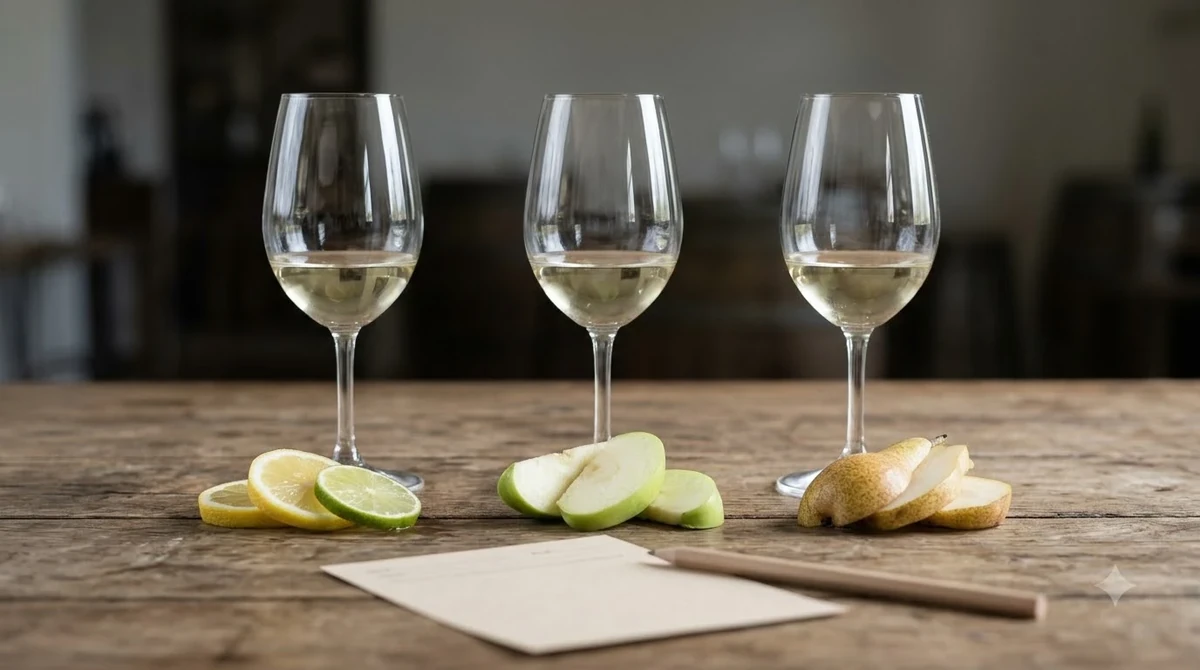
Begin with Chenin Blanc in a dry or off-dry style. Its aromas often suggest pear, yellow apple, quince, citrus, white flowers, or honey, while refreshing acidity keeps the palate from feeling heavy. Wine Enthusiast’s review of Bogle Family Vineyards’ Clarksburg Chenin Blanc describes apricot, peach, allspice, orange blossom, apple, nectarine, and a dry mineral finish. Decanter classifies Aperture’s Clarksburg Chenin Blanc as dry, medium-bodied, lightly oaked, and made entirely from Chenin Blanc. These examples show why the grape can feel both generous in fruit and brisk in structure. Ask whether a bottle was fermented in stainless steel, neutral oak, or a mix; those choices can change texture and savory nuance without changing the grape. Notice whether fruit, acidity, or oak leads the finish.
Sauvignon Blanc is a good next pour for visitors who like sharper citrus and herbal notes. Chardonnay offers a broader comparison: depending on ripeness and winemaking, it can show apple and citrus with a rounder texture, and it may receive oak treatment. Pinot Gris and Viognier add further aromatic options, with the former often leaning toward pear and melon and the latter toward floral and stone-fruit notes. If you enjoy aromatic whites from a cooler European region, a separate Alsace wine tasting itinerary offers a useful point of comparison, especially for Riesling and Pinot Gris.
For red wines, compare Merlot with Petite Sirah rather than assuming all California reds share the same weight. Merlot generally offers medium tannin and a softer feel, while Petite Sirah is usually darker, firmer, and more tannic. Cabernet Sauvignon and Syrah may also appear among local grape plantings. Clarksburg fruit appears in wines from producers such as Bogle, Aperture, and Dry Creek Vineyard; Decanter identifies Aperture’s example as 100% Chenin Blanc. Ask which vineyard or AVA a tasting-room wine represents when origin is part of what you want to learn.
Where to Taste in Clarksburg
The easiest first stop for comparing several producers is the Old Sugar Mill, a historic property in Clarksburg that brings multiple tasting rooms together in one location. Its visitor information lists 10 wineries on site and places it about 15 minutes from downtown Sacramento, making it a practical introduction without a long drive between wineries. Each winery operates independently, with its own lineup, tasting format, fees, and hours; the property therefore has no single shared tasting schedule. Walk-ins are welcome for regular tastings, but larger groups should contact a winery in advance, and weekday or holiday opening times may differ.
For a more estate-focused stop, consider Bogle Family Vineyards at 37783 County Road 144 in Clarksburg. Its visitor program distinguishes guided tastings, a casual “Vineyard Sips” option, picnic reservations, and a patio where visitors can order wine by the glass or bottle. Published hours vary by experience: guided tastings are listed Thursday through Sunday from 11 a.m. to 5 p.m., while Vineyard Sips is listed Monday through Wednesday during the same hours. Heringer Estates is another name to look for: the grower association lists Chardonnay, Chenin Blanc, Petite Sirah, Sauvignon Blanc, Viognier, Barbera, and several Italian and Rhône varieties among its grapes. Check each winery’s own visitor information for current tasting availability.
For individual grower details, use the Clarksburg Winegrape Growers Association; the Old Sugar Mill visitor information explains how its shared tasting property works. Confirm opening hours before travel.
How to Plan a Relaxed Tasting Day
A good Clarksburg itinerary leaves time to compare wines rather than visit every tasting room. For a first outing, plan two or three stops and allow time for a meal or picnic break.
At each tasting, start with the lightest white and move toward fuller whites before reds; within a red flight, pour a softer Merlot before a more tannic Petite Sirah or Cabernet Sauvignon. If Chenin Blanc appears in more than one style, compare a crisp stainless-steel version with one that has lees contact or oak.
| Wine style to compare | Typical serving temperature | What to notice |
|---|---|---|
| Chenin Blanc or Sauvignon Blanc | 45–50°F | Acidity, citrus, pear, and herbal notes |
| Chardonnay | 50–55°F | Texture, apple, citrus, and any oak influence |
| Merlot | 55–60°F | Softer tannin, plum, and medium body |
| Petite Sirah or Cabernet Sauvignon | 60–65°F | Dark fruit, firmer tannin, and fuller structure |
These temperatures are useful targets rather than strict rules; chilled white wine warms in the glass, and a room-temperature red can be too warm on a summer afternoon. A standard table-wine pour is 5 ounces, and a 750-milliliter bottle holds about five glasses, while tasting flights are often smaller. Old Sugar Mill allows visitors to walk between its tasting rooms, but a visit to Bogle or another standalone estate is a separate driving stop, so arrange safe transportation and allow time for country roads.
Food Pairings for Clarksburg Wines
Clarksburg’s mix of aromatic whites and structured reds makes food an important part of the tasting. Chenin Blanc and Sauvignon Blanc are natural choices with dishes that have citrus, herbs, or a little richness, while Merlot and Petite Sirah work better with savory foods that can meet their body and tannin.
Pair dry Chenin Blanc with roast chicken, grilled shrimp, goat cheese, or a salad with apple and fennel. Its acidity can refresh the palate between bites, and the wine’s orchard-fruit notes complement lightly sweet vegetables such as roasted squash. Sauvignon Blanc is especially useful with green herbs, asparagus, fresh cheeses, and seafood with lemon. For acidic dishes, choose a wine with equal or higher acidity so the food does not make the wine taste flat.
Chardonnay works with roast chicken, crab cakes, creamy pasta, or grilled corn, especially when the wine has enough body to stand up to the dish. Merlot pairs comfortably with burgers, mushroom dishes, roast pork, or tomato-based pasta. Petite Sirah and Cabernet Sauvignon can handle grilled beef, lamb, or barbecue with a savory rather than aggressively sweet sauce. Salt and fat soften the perception of tannin, which is one reason a firmer red can seem more balanced alongside a rich, savory meal than on its own.
Be careful with strong chili heat and highly tannic reds: alcohol and tannin can make spicy food feel hotter. Oily fish such as salmon or tuna can be difficult with a strongly tannic red, so choose Chenin Blanc, Sauvignon Blanc, or a lighter red instead. For dessert, the wine should be at least as sweet as the dish. Ask whether the winery has local cheeses, charcuterie, or food available that day; vendors can vary by date.
Tip: Ask for the driest Chenin Blanc on the flight first, then taste a fruitier or off-dry version beside it. The comparison makes acidity, residual sugar, and texture easier to recognize, and it gives you a useful reference for pairing the wine with food. A snack of bread, plain crackers, mild cheese, or nuts can reset the palate between wines.
Frequently Asked Questions
These practical details help visitors decide what to bring and how to structure a stop at the Old Sugar Mill or an individual Clarksburg tasting room. Policies can differ among the independently operated wineries, so confirm special arrangements directly with the venue.
What was the Old Sugar Mill before it became a wine destination?
The building opened in 1934 as a sugar beet processing factory and refinery serving farms in the Sacramento-San Joaquin Delta and surrounding Yolo County. Sugar processing ended in 1993, and the industrial property was later renovated for wine, events, and community use.
Can visitors bring their own wine to Old Sugar Mill?
No. Outside alcohol is not permitted anywhere on the property; wine consumed there must be purchased from an authorized onsite winery or vendor. Wine bought from one winery may be carried in permitted outdoor areas, but it cannot be consumed inside another winery’s tasting room.
Can people under 21 visit Old Sugar Mill?
Yes. The property welcomes guests of all ages, but visitors must be at least 21 and show valid identification to purchase or consume alcohol. Individual tasting rooms may set their own rules about minors entering their suites.
Is there an admission or parking fee at Old Sugar Mill?
General visits and regular parking are normally free. Certain concerts, festivals, and special events may require tickets, and event parking arrangements can differ from ordinary visiting days.
Are dogs allowed at Old Sugar Mill?
Dogs are allowed on the property, but each winery decides whether pets may enter its individual tasting room or suite. Visitors planning to bring a dog should check the rules at the specific winery they intend to visit before arriving.
Clarksburg is a rewarding choice for visitors who enjoy discovering more than one grape variety in a single wine-growing area. Begin with Chenin Blanc, compare the region’s aromatic whites and structured reds, and leave enough time to appreciate the working Delta landscape that connects its farms and tasting rooms.
More in Wine Regions
 Willcox Wine Trail: Discover Arizona’s High-Elevation Wine CountryUpdated Nov 20, 2026
 Yakima Valley Wine Region: Find the Best Styles to TryUpdated Nov 20, 2026
 Vosne Romanee Wine Tasting: Identify Aromas and Choose Better PairingsUpdated Nov 20, 2026
 Yakima Valley Wine Festival: Find the Best Seasonal Wine EventsUpdated Nov 20, 2026
 Wales Vineyards: Discover Cool-Climate Wines and Where to VisitUpdated Nov 20, 2026
 Yountville Wine Festival: Discover Napa Wines and Local FoodUpdated Nov 20, 2026