

We may earn a commission when you buy through links on this page, at no extra cost to you. Learn more.
carneros wine tasting is the best way to explore cool-climate Pinot Noir, Chardonnay, and traditional-method sparkling wines in southern Napa-Sonoma wine country. The appellation straddles Napa and Sonoma counties, where San Pablo Bay fog and afternoon breezes keep vineyard conditions cooler than many visitors expect from California. Plan around two or three winery appointments, compare sparkling and still wines, and leave time for the rolling vineyard views. A focused visit makes it easier to understand what the region does especially well.
Carneros suits travelers who prefer freshness, lift, and texture over powerful, high-alcohol reds. Its mix of sparkling specialists, Pinot Noir estates, and broad portfolios rewards a little planning, even though the region is compact enough for a relaxed day. Knowing what to taste and how to compare the wines turns a scenic stop into a useful introduction to the appellation.
San Pablo Bay Gives Carneros Its Cool-Climate Character
Carneros is shaped by its position beside San Pablo Bay, not simply by its place at the southern end of Napa and Sonoma. Cool morning fog and afternoon breezes slow grape development, helping Chardonnay and Pinot Noir retain freshness while giving sparkling-wine producers fruit with useful acidity.
The Carneros Wine Alliance places the appellation roughly one to four miles along the bay and describes it as one of the coolest AVAs in the area. Most vineyards extend from near sea level to foothills around 400 feet, while the alliance says daytime temperatures rarely rise above 80 degrees. The breeze can be strong, so vineyard rows and trellising need to cope with regular wind exposure. These conditions help explain why visitors often encounter firm acidity and fresher fruit profiles rather than the broad, ripe style associated with warmer California sites.
Soils are another part of the story. The predominant soil type is clay, including the Haire-Coombs series, and a dense hardpan below the topsoil can limit root depth. Clay can retain moisture into spring, cooling vines and delaying bud break, but summer irrigation is still necessary as surface soils dry out. The alliance reports 18 to 27 inches of annual rainfall in a typical non-drought year, with only four or five inches during the growing season, mostly in spring. For a broader explanation of appellations and how place affects wine, see our overview of Wine Regions.
| Carneros figure | Reported range or total | Why it matters |
|---|---|---|
| Typical annual rainfall | 18–27 inches | Most rain falls outside the growing season. |
| Growing-season rainfall | 4–5 inches | Mostly arrives in spring, so summer water management matters. |
| Vineyard elevations | Near sea level to about 400 feet for most sites | Bay exposure and hillside position both influence conditions. |
| Carneros vineyard acreage | About 8,000 acres | Shows the scale of the appellation. |
| Carneros wineries | More than 20 | There are several tasting styles to consider. |
The acreage and winery counts in the final two rows come from Sonoma County Tourism’s regional profile; they describe the Carneros region as presented by that organization, not a live count of tasting rooms open on a given day. The Carneros Wine Alliance appellation overview gives additional detail on the bay influence, clay soils, and vineyard setting.
Pinot Noir, Chardonnay, and Sparkling Wines Lead the Tasting
Start a Carneros flight with sparkling wine, then move to Chardonnay and Pinot Noir to see how the same cool conditions work across different styles. The appellation is best known for these three categories, although some producers also bottle Merlot, Syrah, and less-common white grapes.
Carneros Pinot Noir typically emphasizes red cherry, cranberry, raspberry, and savory or earthy notes, with acidity that keeps the finish lively. Its tannin is generally low to medium rather than the firm grip of Cabernet Sauvignon, so compare fruit, texture, and oak influence. A lighter, red-fruited bottling may feel bright and delicate, while a riper or more oak-influenced example can show darker fruit and a broader mid-palate. Try two Pinots side by side; differences in vineyard site and cellar choices become easier to identify.
Chardonnay ranges from taut and citrus-driven to rounder, creamier examples shaped by barrel fermentation, lees contact, or malolactic conversion. Look for lemon, green apple, pear, and subtle savory notes alongside any vanilla or toast from oak. Ask whether the wine was fermented or aged in stainless steel, neutral barrels, or new oak, and whether it underwent full or partial malolactic fermentation. Those choices can explain more of the style difference than the grape name alone.
Sparkling wine deserves its own comparison. Carneros fruit suits traditional-method bottlings made from Chardonnay and Pinot Noir; the second fermentation takes place in the bottle, and time on the lees can add brioche or pastry notes. A tank-method wine is made differently and often emphasizes primary fruit; Prosecco, for example, is made from Glera by the tank method and typically has 11 to 12 percent alcohol. Ask about the production method rather than assuming every sparkling bottle has the same texture. For a concise explanation of why the bay climate supports sparkling wine, read Decanter’s discussion of Los Carneros sparkling wines. When comparing labels, remember the sweetness scale runs from Brut Nature, Extra Brut, and Brut through Extra Dry, Dry, Demi-Sec, and Doux; Extra Dry is sweeter than Brut.
Tip: Ask for one sparkling wine, one Chardonnay, and two Pinot Noirs in a comparative flight. That sequence makes the region’s signature grapes easy to evaluate without letting unrelated wines blur the differences.
Wineries Offer Different Ways to Experience Carneros
Choose tasting rooms by the kind of wine experience you want, not only by the view. Carneros includes sparkling-focused estates, Pinot Noir specialists, and family wineries with wider portfolios, so two well-selected stops can provide more insight than a rushed series of appointments.
Domaine Carneros is a natural choice for traditional-method sparkling wine and estate Pinot Noir. The château-style estate is associated with Taittinger, and the experience centers on sparkling flights and vineyard views. Compare a Brut with a rosé or another cuvée, and ask how the blend and time on lees shape the finished wine. Gloria Ferrer is another important sparkling name in the Sonoma portion of Carneros; Sonoma County Tourism identifies it as the first sparkling winery in the region and notes its estate Chardonnay and Pinot Noir vineyards. Comparing the two can reveal differences in fruit, acidity, mousse, and toast.
Etude is worth considering for a Pinot Noir-centered visit. Regional travel coverage describes a strong Pinot focus and an outdoor terrace overlooking vineyards. Use the tasting to compare red-fruit intensity, herbal detail, body, and oak. Bouchaine offers another useful perspective for visitors who want Pinot Noir and Chardonnay in the same flight; Wine Enthusiast also notes smaller offerings such as Riesling, Pinot Blanc, and Pinot Gris. Ask which wines are estate-grown and which come from other Carneros growers, then compare how grape variety changes the impression of acidity and body.
Other choices broaden the range. Sonoma County Tourism lists Cline Family Cellars, Jacuzzi Family Vineyards, Ram’s Gate, Viansa Sonoma, and Nicholson Ranch among the regional stops. Jacuzzi is useful for visitors curious about Italian varieties, while Cline includes Rhône grapes such as Syrah, Viognier, Marsanne, and Roussanne alongside familiar varieties. Confirm the current flight and tasting availability directly with each winery before setting the route; experiences and appointment policies differ.
Build a Tasting Route With Time to Compare Wines
A relaxed Carneros visit usually works best with two or three appointments, a meal break, and enough time between stops to take notes. Since the appellation crosses county lines and estates are spread along different roads, group wineries by location instead of trying to visit every name on a regional list.
For a first visit, choose one sparkling-focused stop and one still-wine producer. Domaine Carneros or Gloria Ferrer can introduce traditional-method sparkling wine; pair that with Etude or Bouchaine for a closer look at Pinot Noir and Chardonnay. A third stop can be a broader portfolio such as Cline or Jacuzzi if you want to compare Rhône or Italian varieties. This gives each visit a purpose and keeps the day centered on the region rather than the number of tasting rooms checked off.
Allow roughly 75 to 90 minutes for a seated guided flight, with a 20- to 30-minute buffer for driving, parking, and check-in. These are planning allowances, not fixed appointment lengths: vineyard tours or food pairings may take longer. Leave at least an hour for lunch if you have three tastings planned, and avoid stacking appointments so tightly that one delayed pour disrupts the rest of the day.
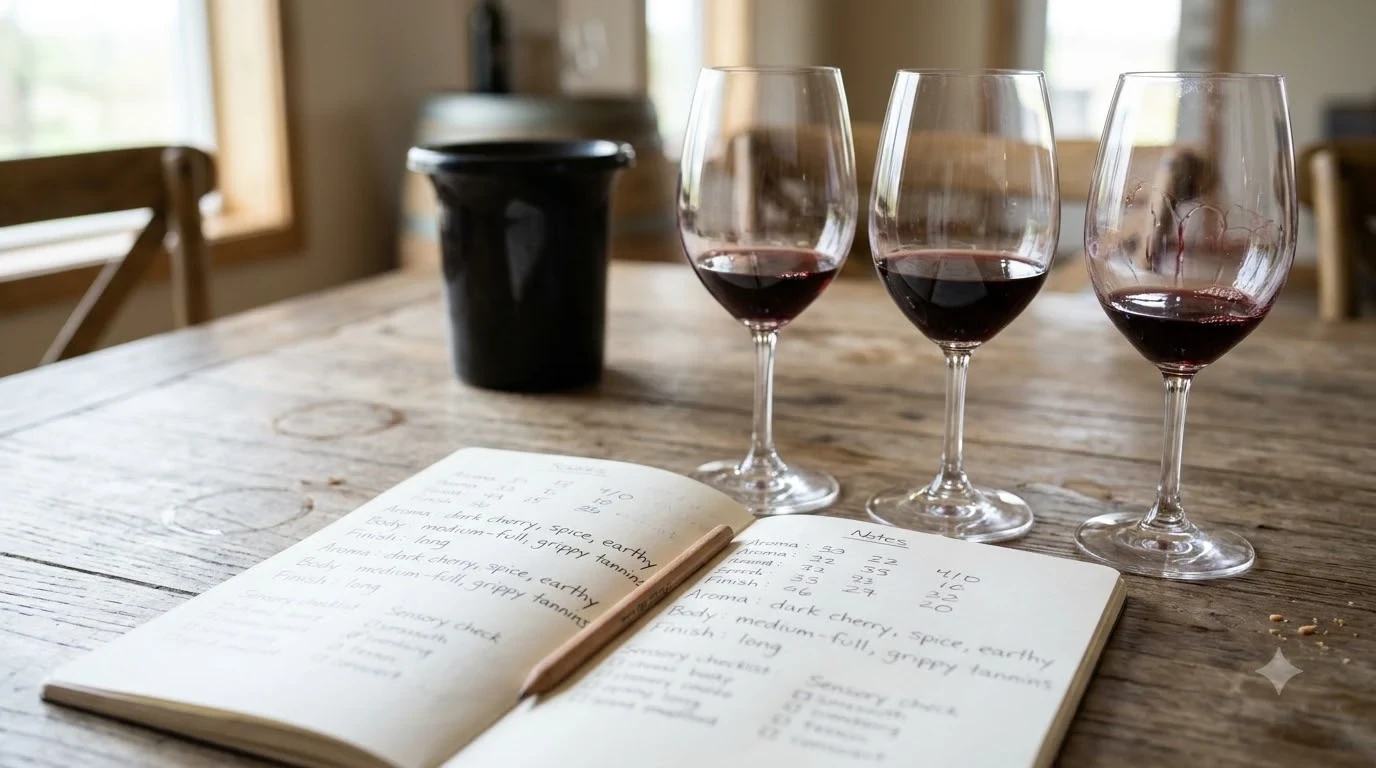
Use a simple note-taking method: grape, style, acidity, body, tannin, oak impression, and one or two aroma or flavor details. For Pinot Noir, note whether the fruit is red or dark and whether the finish feels earthy, herbal, or spice-driven. For Chardonnay, record whether the texture is lean, creamy, or broad; for sparkling wines, compare the bead, sweetness impression, and lees-derived notes. Before booking, check whether each tasting is seated, walk-in, appointment-only, or outdoors, and confirm group, food, pet, and accessibility policies directly with the winery.
Choose the Right Season and Prepare for Coastal Weather
Carneros can be visited throughout the year, but conditions change the feel of a tasting day. Spring brings green hills and limited seasonal rainfall, summer often brings cool morning fog and breezy afternoons, and fall brings harvest activity with more visitors and tighter appointment availability.
Summer visitors should bring a light layer, even when the forecast inland looks warm. The bay can make a vineyard terrace feel cooler than a nearby town, and wind may be noticeable outdoors. Morning appointments can offer fog and cooler air; afternoon visits may be brighter but breezier. A flexible itinerary helps if you prefer to move an outdoor tasting earlier or spend more time inside.
Harvest season appeals to visitors interested in winery activity, but staff are busy and appointment slots can be limited. Ask whether a winery is offering its regular public flight or a special harvest experience. During quieter winter and early spring periods, some tasting rooms may operate on reduced schedules, so confirm dates and times rather than relying on general regional opening patterns.
Carneros also makes a convenient link between Napa and Sonoma itineraries. The Sonoma portion can pair with a stop in the town of Sonoma, while the Napa portion can connect with downtown Napa or other southern Napa Valley appellations. Travelers extending the trip can compare the focused Pinot and Chardonnay identity here with Alsace wine tasting, where Riesling and other aromatic whites offer a different expression of freshness, or Willcox wine tasting for a contrast in climate and grape growing.
Serve and Pair Carneros Wines to Show Their Freshness
Serve Carneros wines cool enough to preserve acidity but not so cold that aromas disappear. Sparkling wine is best around 40 to 50 degrees Fahrenheit, light whites and rosé around 45 to 50 degrees, fuller Chardonnay around 50 to 55 degrees, and Pinot Noir around 55 to 60 degrees.
Food pairings should account for acidity, weight, tannin, and sweetness. High-acid Chardonnay and sparkling wine work with oysters, shrimp, crab, roast chicken, and dishes with lemon or vinaigrette. Pinot Noir is a natural fit for roast duck, mushroom dishes, pork, salmon, and grilled chicken; its low-to-medium tannin is less likely to overwhelm delicate proteins than a heavily structured Cabernet Sauvignon. For richer Chardonnay, try roast chicken with browned skin, creamy pasta, or seared scallops. Oily fish can clash with strongly tannic reds, while Pinot Noir’s moderate tannin and lively acidity often make it a more comfortable red option with salmon.
Salt and fat can soften the perception of tannin, so a savory cheese plate or rich dish may make a structured red feel rounder. Sweet food needs a wine at least as sweet as the dessert; a dry sparkling wine can taste thin beside a very sweet pastry. Chili heat can feel more intense with higher alcohol and tannin, so choose carefully rather than pairing hot food with a powerful red. At home, use a standard five-ounce pour and remember a 750-milliliter bottle provides about five glasses. Store bottles on their side near 55 degrees Fahrenheit; refrigerate opened still wine and aim to finish it within three to five days, while sparkling wine generally keeps best for one to three days with a proper stopper.
Frequently Asked Questions
What does Los Carneros mean?
Los Carneros is Spanish for “the rams.” The name reflects the region’s earlier agricultural identity, when sheep ranches were part of the landscape before vineyards became the defining feature.
Was Carneros always a wine-growing area?
No. Sonoma County’s regional history notes that sheep ranches, dairies, and hay fields remained prominent until the 1970s. The area has older agricultural roots, but recognition as a modern wine appellation came later.
Is Carneros the same appellation as Sonoma Valley?
No. Carneros is its own AVA, although Sonoma County Tourism notes that many vineyards associated with the Sonoma Valley AVA also fall within the Carneros sub-appellation. This overlap is one reason a winery’s county address does not tell the whole story of its vineyard origins.
Can visitors taste Italian grape varieties in Carneros?
Yes. Jacuzzi Family Vineyards is known for an Italian-style lineup that includes Teroldego, Barbera, Arneis, and Pinot Grigio. These wines provide a useful detour from the region’s better-known Chardonnay and Pinot Noir.
Are older grape clones part of Carneros history?
Yes. Sonoma County Tourism identifies Martini, Swan, and old Wente as California selections planted in the region during its early development. Those historic plantings are part of the appellation’s identity, even as newer vineyard material and winemaking choices shape current releases.
Carneros rewards a deliberate visit: taste the sparkling wines, compare at least two examples of Pinot Noir or Chardonnay, and leave room to notice how the bay and clay soils shape the wines. With a few well-chosen appointments and a simple tasting plan, the region offers a clear introduction to California’s cool-climate wine styles.
More in Wine Regions
 Willcox Wine Trail: Discover Arizona’s High-Elevation Wine CountryUpdated Nov 20, 2026
 Yakima Valley Wine Region: Find the Best Styles to TryUpdated Nov 20, 2026
 Vosne Romanee Wine Tasting: Identify Aromas and Choose Better PairingsUpdated Nov 20, 2026
 Yakima Valley Wine Festival: Find the Best Seasonal Wine EventsUpdated Nov 20, 2026
 Wales Vineyards: Discover Cool-Climate Wines and Where to VisitUpdated Nov 20, 2026
 Yountville Wine Festival: Discover Napa Wines and Local FoodUpdated Nov 20, 2026