

We may earn a commission when you buy through links on this page, at no extra cost to you. Learn more.
This sangria blanca recipe combines dry white wine, fresh citrus, peaches, strawberries, a little brandy, and sparkling water to make a refreshing fruit-filled pitcher cocktail. The recipe makes approximately 6 servings and takes about 15 minutes of active preparation, plus at least 4 hours of chilling. Choose a crisp white wine, let the firmer fruit absorb its flavor, and add the sparkling water just before serving. The result is a bright, lightly sweet drink that works particularly well with seafood, tapas, salads, and summer gatherings.
Sangria blanca, also called white sangria, is a variation of traditional Spanish sangria made with white wine rather than red. Its character comes from the combination of citrus, stone fruit, fresh herbs, and a modest amount of additional spirit. Unlike a heavily sweetened fruit punch, a well-balanced pitcher keeps the white wine’s freshness recognizable. The recipe below provides a practical starting point, with straightforward substitutions for different seasons, menus, and sweetness preferences.
What Makes Sangria Blanca Different from Red Sangria?
Sangria blanca uses white wine as its foundation, creating a lighter-colored, fruit-forward drink with fresh citrus and stone-fruit aromas. Its most recognizable ingredients include lemon, lime, peach, apple, and orange, while brandy or orange liqueur supplies additional depth.
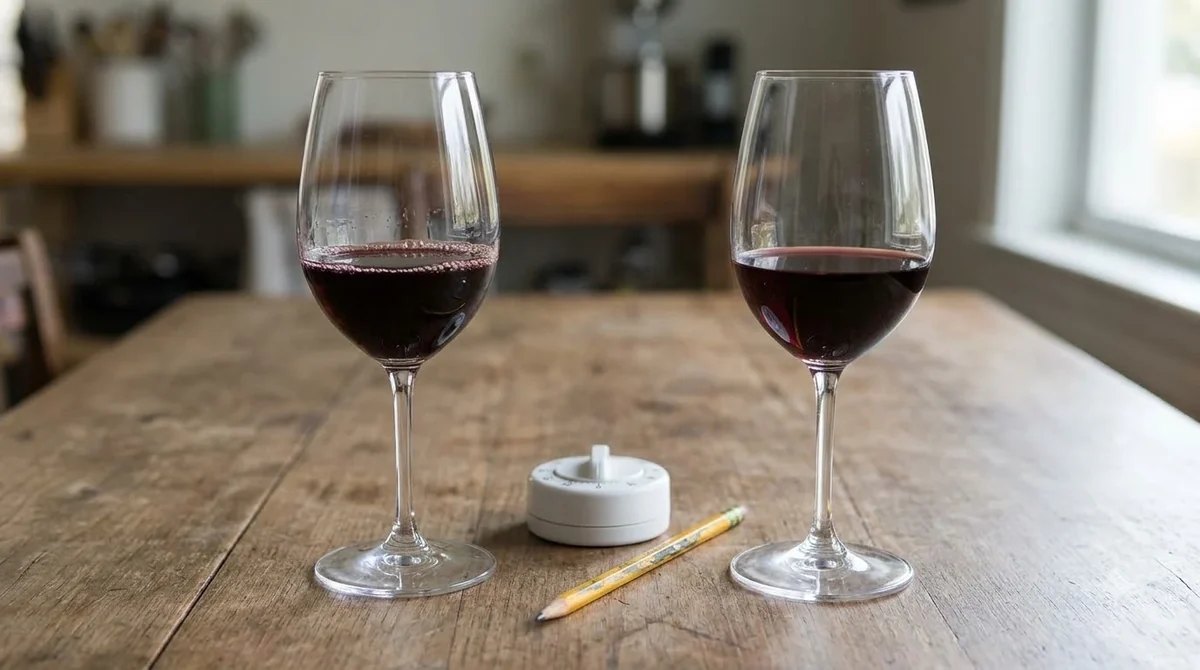
Traditional red sangria typically uses red wine, often with oranges, lemons, brandy, and other fruit. The darker wine contributes more noticeable berry, plum, and spice characteristics. White sangria takes a different direction, emphasizing citrus zest, fresh orchard fruit, and floral notes.
The difference is not simply the color of the wine. White wines generally bring less tannin than full-bodied red wines, making the finished drink feel lighter and more refreshing. A dry Sauvignon Blanc, for example, contributes citrus and herbal character, while Pinot Grigio generally offers milder fruit flavors and an uncomplicated profile. Both can work well with peaches and citrus.
There is also considerable flexibility in how the drink is assembled. Some recipes use still white wine, brandy, and soda water. Others use orange liqueur, rum, or sparkling Cava. José Andrés’s Sangria Blanca recipe on Epicurious demonstrates another approach, combining Cava, white grape juice, fresh fruit, and Licor 43 for a sparkling version. The José Andrés Sangria Blanca recipe is a useful reference for this fruit-filled sparkling variation.
For a homemade pitcher, the most useful distinction is between the wine base and the finishing ingredients. The wine and firmer fruit can spend several hours together in the refrigerator. Carbonation, delicate berries, and fresh herbs are best introduced closer to serving time.
Sangria blanca is also adaptable to different menus. Its citrus character works with grilled shrimp, chicken skewers, Spanish tortillas, and mild cheeses. Red sangria may be a natural choice for richer grilled meats and dishes with deeper tomato or spice flavors, while white sangria often complements lighter dishes without overwhelming them.
Ingredients for a Classic Sangria Blanca Recipe
This recipe uses one standard 750-milliliter bottle of dry white wine and enough fruit, citrus, and sparkling water to create a balanced pitcher. The quantities below make approximately 6 servings, depending on glass size and how much ice is used.
Ingredients:
- 1 bottle (750 milliliters) dry white wine, preferably Pinot Grigio or Sauvignon Blanc
- 1/4 cup brandy
- 2 tablespoons orange liqueur, such as triple sec or Cointreau
- 1/4 cup freshly squeezed orange juice
- 2 tablespoons granulated sugar, adjusted to taste
- 1 medium orange, thinly sliced
- 1 medium lemon, thinly sliced
- 1 medium lime, thinly sliced
- 1 firm-ripe peach or nectarine, pitted and sliced
- 1 small Granny Smith apple, cored and thinly sliced
- 4 large strawberries, sliced
- 8 to 10 fresh mint leaves
- 1 1/2 cups chilled sparkling water or seltzer
- Ice, for serving
The white wine provides most of the drink’s structure, so choose something you would enjoy drinking by itself. A dry, crisp wine is preferable because the orange juice, fruit, and optional sugar will add sweetness. Sauvignon Blanc is particularly useful when you want lively acidity, while Pinot Grigio gives the pitcher a softer, more neutral foundation.
Brandy provides a traditional sangria character, adding warmth and depth behind the fruit. Orange liqueur reinforces the citrus profile. The combination used here is deliberately moderate, allowing the wine to remain the main ingredient rather than turning the pitcher into a spirit-heavy cocktail.
Fresh fruit matters just as much as the wine. Peaches and apples hold their shape during chilling, while oranges, lemons, and limes contribute juice and aromatic oils. Strawberries are more delicate, so they should be added later rather than left soaking for several hours.
For the sparkling component, plain seltzer is a reliable choice because it adds bubbles without introducing much additional sweetness. Lemon-lime soda produces a sweeter result, while sparkling wine makes the drink more festive and wine-forward.
Tip: Use firm-ripe peaches and crisp apples rather than very soft fruit. They retain their shape during refrigeration and are easier to serve in individual glasses.
How to Make Sangria Blanca Step by Step
The best method is to dissolve the sweetener first, add the wine and firmer fruit, and refrigerate the mixture before finishing it with fresh berries, mint, and sparkling water. Allow approximately 15 minutes for preparation and at least 4 hours for chilling.
Step 1: Prepare the citrus and fruit
Wash the orange, lemon, lime, peach, apple, and strawberries thoroughly. Cut the orange, lemon, and lime into thin rounds, removing visible seeds as you work. Slice the peach or nectarine into bite-sized wedges and core the apple before cutting it into thin slices.
Keep the strawberry slices separate for now. Their softer texture means they can become mushy if they sit in the wine mixture for too long. Set aside the mint as well.
Step 2: Dissolve the sugar
Pour the orange juice into a large glass pitcher and add the granulated sugar. Stir until most of the sugar dissolves. If you prefer a less sweet drink, begin with one tablespoon and add more later if needed.
Using orange juice at this stage helps distribute the sweetness throughout the pitcher. It also contributes a fresh citrus flavor that blends naturally with the wine and orange slices.
Step 3: Add the wine and spirits
Pour in the bottle of dry white wine, followed by the brandy and orange liqueur. Stir gently to combine the liquids. Avoid vigorous stirring because it is unnecessary and can make the fruit preparation less tidy.
Add the sliced orange, lemon, lime, peach, and apple. Stir again so the fruit is distributed throughout the pitcher rather than sitting in one layer at the top.
Step 4: Refrigerate the mixture
Cover the pitcher and refrigerate for at least 4 hours. This resting period gives the fruit time to release some of its aromas and allows the citrus, wine, and spirits to combine.
For convenient entertaining, preparing the base in the morning for an evening gathering works well. A chilling period approaching 24 hours is also suitable for this recipe, although excessively long maceration can soften the fruit and make citrus peel flavors more pronounced.
Step 5: Finish and serve
Just before serving, add the sliced strawberries and fresh mint leaves. Pour in the chilled sparkling water and stir gently. Taste a small amount and adjust the sweetness or carbonation if necessary.
Fill wine glasses with ice, spoon in some of the fruit, and pour the sangria over the top. Each serving should contain both the drink and a few pieces of fruit, making the pitcher feel like a complete party cocktail rather than ordinary wine with soda.
Choosing the Best White Wine and Balancing Sweetness
The best white wine for sangria blanca is dry, fresh, and sufficiently acidic to balance the fruit and sweetener. Pinot Grigio and Sauvignon Blanc are dependable choices, while Albariño and Verdejo offer additional citrus and mineral character.
Wine selection makes a noticeable difference because the wine remains the largest ingredient in the pitcher. A bottle with excessive sweetness can make the final drink taste heavy once orange juice, ripe peaches, and liqueur are added. A very oaky Chardonnay may also introduce vanilla and toast flavors that compete with the fresh citrus.
Consider these common white wine styles:
- Pinot Grigio: A clean, approachable option with apple, pear, and citrus notes. It works especially well with peaches, strawberries, and orange slices.
- Sauvignon Blanc: A high-acidity wine with citrus and herbal characteristics. It is particularly suitable for a bright pitcher featuring lemon, lime, and mint.
- Albariño: A Spanish white grape variety with fresh acidity and citrus or stone-fruit characteristics. It makes a natural companion for seafood-oriented menus.
- Verdejo: A Spanish white wine style that can contribute herbal, citrus, and orchard-fruit flavors.
- Unoaked Chardonnay: A rounder alternative with a softer profile. Choose a fresh example rather than a heavily oaked version.
Sweetness requires just as much attention as grape variety. The finished sangria should taste fruity without becoming syrupy. Start with a small quantity of sugar, then assess the mixture after the fruit and wine have had time to combine.
Orange liqueur can contribute both sweetness and citrus aroma, so increasing the sugar automatically is usually unnecessary. If the peaches are exceptionally ripe or the orange juice is naturally sweet, you may need very little additional sweetener.
The following table gives a practical starting point for adjusting a standard pitcher. These are recipe guidelines rather than fixed wine-industry classifications.
| Ingredient or adjustment | Starting quantity | Effect on the drink |
|---|---|---|
| Dry white wine | 750 ml | Main wine foundation |
| Brandy | 1/4 cup | Warmth and spirit character |
| Orange liqueur | 2 tablespoons | Citrus aroma and sweetness |
| Granulated sugar | 2 tablespoons | Adjustable sweetness |
| Fresh orange juice | 1/4 cup | Fresh citrus flavor |
| Sparkling water | 1 1/2 cups | Lightness and carbonation |
| Refrigeration | 4 hours minimum | Flavor integration and chilling |
Acidity is another important consideration. Lemon and lime can make the drink noticeably sharper, especially when combined with a naturally high-acid Sauvignon Blanc. If the result is too tart, add a little more orange juice or a small amount of sweetener instead of removing all the citrus.
For more information about how wine sweetness and food flavors interact, explore our Wine Recipes & Cocktails resources. Understanding the balance between sweetness and acidity makes it easier to create a pitcher that tastes refreshing rather than excessively sweet or sour.
Fruit Combinations and Easy Recipe Variations
The classic fruit combination is orange, lemon, lime, peach, and apple, but sangria blanca can accommodate many seasonal ingredients. Keep the total amount of fruit moderate so the wine remains the central flavor rather than disappearing behind an oversized fruit salad.
Peaches and nectarines are particularly useful because their aromatic sweetness complements dry white wine. Granny Smith apples add crispness and a slightly tart flavor. Citrus slices contribute freshness, while strawberries create a colorful finish.
Summer berry sangria
For a summer version, use strawberries, raspberries, and a few blueberries. Keep the lemon and orange in the base, but reduce the amount of apple if you want the berries to be more noticeable. Add the berries during the final preparation stage to maintain their shape.
A handful of fresh mint provides an herbal aroma that works particularly well with strawberries and sparkling water. This version is especially suitable for outdoor gatherings, grilled shrimp, and simple appetizers.
Peach and nectarine sangria
For a stone-fruit variation, use two peaches or nectarines in place of the apple and strawberries. Keep the orange and lemon, and use a dry Pinot Grigio or Sauvignon Blanc as the base. This approach gives the pitcher a recognizable peach character without requiring additional fruit juice.
If the fruit is particularly ripe, reduce the sugar. The natural sweetness of ripe peaches can be sufficient when combined with orange juice and orange liqueur.
Tropical white sangria
Pineapple and firm mango can replace some of the traditional orchard fruit. Use pineapple in moderate quantities because its flavor can become dominant, and combine it with lime for freshness. A small amount of mint or thinly sliced cucumber can make the finished drink feel particularly crisp.
A tropical version also works with Sauvignon Blanc, whose acidity can balance the sweetness of ripe mango and pineapple. Avoid adding several sweet fruit juices at once, as they can overwhelm the wine.
Sparkling Cava sangria
For a more celebratory version, replace the still white wine with dry Cava. This Spanish sparkling wine brings its own acidity and carbonation, so there is less need for additional sparkling water.
José Andrés’s version on Epicurious uses a 750-milliliter bottle of Cava, 1 1/2 cups white grape juice, 1/2 cup Licor 43, 10 green grapes, 4 strawberries, 1 peach, and 2 mint sprigs. It makes 8 servings and provides a useful example of how sparkling wine can become the foundation of a fruit-based pitcher cocktail.
When working with sparkling wine, pour slowly and stir gently. Vigorous mixing releases carbonation more quickly, reducing the lively texture that makes the sparkling version distinctive.
Serving Sangria Blanca with Food and at Parties
Sangria blanca pairs best with lighter dishes featuring seafood, poultry, vegetables, citrus, and fresh herbs. Its acidity helps complement flavorful food, while its fruit character works particularly well with mildly sweet or savory ingredients.
For a Spanish-inspired menu, serve the pitcher with grilled shrimp, garlic mushrooms, patatas bravas, olives, and Spanish tortilla. These dishes provide different textures and levels of richness without overwhelming the drink.
Seafood is another natural pairing. Grilled prawns, steamed mussels, white fish, and calamari can work particularly well with a crisp Sauvignon Blanc-based sangria. Avoid pairing a very tannic red wine with oily fish; white sangria is generally a more appropriate direction for this type of menu.
Chicken skewers, roast chicken, and grilled vegetables are also suitable. Citrus-based marinades complement the orange and lemon in the pitcher, while fresh herbs such as parsley and mint connect with its aromatic ingredients.
For cheese, consider fresh goat cheese, young Manchego, mozzarella, and mild sheep’s milk cheeses. Their relatively gentle flavors allow the fruit and wine to remain noticeable. Salty olives and cured ham can also work well because salt softens the perception of bitterness and tannin in wine-based pairings.
Sweet dishes require a little more attention. If serving sangria with dessert, choose something that is no sweeter than the wine-based drink. Fresh fruit, lemon tart, and lightly sweet almond pastries are useful options. A dessert that is considerably sweeter than the sangria can make the cocktail taste sour or thin.
For a party, prepare the wine, spirits, citrus, and firm fruit in advance. Keep the finished base refrigerated and provide ice separately. Set out a chilled bottle of sparkling water so guests can add the amount they prefer to individual glasses.
Presentation is simple but effective. Use a clear glass pitcher, arrange a few attractive fruit slices near its sides, and garnish each glass with a fresh mint leaf or thin citrus wheel. A large wine glass or stemless wine glass gives the fruit room to move while making the drink easy to serve.
If you are planning a broader cocktail menu, a port and tonic recipe offers a darker, more bittersweet contrast to the light fruit character of white sangria. A sherry cocktail recipe can also provide another Spanish-inspired option for a gathering.
Make-Ahead Preparation, Storage, and Serving Temperature
Sangria blanca is an excellent make-ahead drink because the wine and firm fruit benefit from several hours of refrigeration. Prepare the base up to 24 hours before serving, but reserve the sparkling water, strawberries, and mint until the final stage.
Refrigeration is important for both flavor and serving quality. A cold pitcher tastes fresher and allows the citrus aromas to remain lively. For a practical serving target, keep the finished sangria around 40–50°F, which is a suitable temperature range for sparkling wine and a refreshing wine-based drink.
Do not add the ice to the pitcher several hours before serving. Melting ice dilutes the wine, spirits, and fruit flavors, particularly when the pitcher sits on a table throughout a gathering. Instead, place ice in individual glasses and pour the chilled sangria over it.
Frozen grapes or strawberries are useful alternatives when you want to keep individual glasses cold without relying entirely on melting ice. Add them shortly before serving, rather than using them during the initial maceration period.
How to store leftover sangria
Transfer leftover sangria to a covered container and refrigerate it promptly. For the best flavor, aim to finish it within 1 day. The fruit gradually softens, mint loses its freshness, and the sparkling water loses carbonation after mixing.
If you expect leftovers, a better approach is to keep the sparkling water separate. Store the still wine-and-fruit base in the refrigerator and add fresh carbonation to each glass as needed. This preserves more of the drink’s original texture.
Fruit quality also affects storage. Apples and citrus slices tend to hold their shape better than strawberries. If the fruit becomes excessively soft, strain it out before storing the remaining liquid.
Adjusting the serving temperature
Cold serving temperatures help maintain the refreshing character of white wine. Light-bodied whites are generally served around 45–50°F, while sparkling wine is typically served around 40–50°F.
Because sangria includes fruit, spirits, and a sparkling component, serving it well chilled is more important than following an exact temperature for every individual ingredient. Refrigerate the pitcher in advance and use chilled sparkling water to avoid warming the drink when finishing it.
For another wine-based dessert cocktail, our red wine hot chocolate recipe provides a contrasting option for colder gatherings. It has a richer, warmer profile than sangria blanca and works better as a separate seasonal drink.
Frequently Asked Questions
Is sangria blanca traditionally Spanish?
White sangria is commonly associated with Spanish sangria traditions, although there is no single universal recipe. The word blanca means white in Spanish, distinguishing this version by its white-wine foundation. Regional and modern recipes vary considerably in their use of spirits, fruit, and carbonation.
Can sangria blanca be made without added spirits?
Yes. Omit the brandy and orange liqueur, then increase the orange juice slightly or use additional sparkling water to maintain the pitcher volume. The result will have a simpler wine-and-fruit character and a lower alcohol content than a version containing additional spirits.
Can frozen peaches be used instead of fresh peaches?
Yes. Thaw frozen peach slices in the refrigerator and drain excess liquid before adding them to the pitcher. They may be softer than fresh peaches, so add them closer to serving time if you want the fruit pieces to retain their shape.
Can sangria blanca be served without ice?
Yes. Chill the pitcher thoroughly and serve the drink in refrigerated glasses. This is particularly useful when serving sparkling sangria because it avoids additional dilution and helps preserve its carbonation.
What is the difference between sangria blanca and sangria de cava?
Sangria blanca is a broad description for white-wine sangria, which can use still or sparkling white wine. Sangria de Cava specifically uses Spanish Cava as its sparkling wine foundation. Cava undergoes its second fermentation in the bottle, giving it a different production method from Prosecco, which uses the tank method.
This sangria blanca recipe is easy to adapt once you understand the balance between dry white wine, fresh fruit, citrus, sweetness, and carbonation. Prepare the base ahead, keep the delicate ingredients for the final stage, and serve it thoroughly chilled. Whether you choose Pinot Grigio with peaches or Sauvignon Blanc with berries and mint, the result is a refreshing pitcher cocktail suited to relaxed meals and celebrations.
More in Food & Wine Pairing
 Risotto With White Wine Recipe: Make a Creamy Dinner at HomeUpdated Nov 20, 2026
 Wassail With Wine Recipe for a Festive Spiced Holiday DrinkUpdated Nov 20, 2026
 Spritz Veneziano Recipe: Make a Classic Venetian Aperitivo at HomeUpdated Nov 20, 2026
 Summer Wine Punch Recipe for Easy Homemade EntertainingUpdated Nov 20, 2026
 Bishop Recipe: How to Make a Bright, Citrus-Forward Red Wine CocktailUpdated Nov 20, 2026
 Wine Cupcakes Recipe: Bake Rich Chocolate Cupcakes at HomeUpdated Nov 20, 2026