

We may earn a commission when you buy through links on this page, at no extra cost to you. Learn more.
bonterra white wine is a collection of approachable California whites led by crisp Sauvignon Blanc and fruit-forward Chardonnay. The wines are made with certified organic grapes, and the range also includes Pinot Gris and more site-specific estate bottlings. Choose Sauvignon Blanc for citrus-driven freshness, Chardonnay for a rounder pear-and-apple profile, and an estate wine when you want a more pronounced sense of Mendocino vineyard character.
Bonterra’s white wines make the most sense when you look at both the grape and the farming behind it. The brand has roots in Mendocino County, but its white-wine program draws on organically farmed vineyards across California as well as the winery’s own estate sites. Here is how the main styles differ, what the labels mean, and how to serve each bottle with food.
What Defines the Bonterra White Wine Range
Bonterra’s white lineup centers on three familiar grapes: Sauvignon Blanc, Chardonnay, and Pinot Gris. They cover different places at the table, from the zesty, high-acid character of Sauvignon Blanc to the softer orchard-fruit profile of Chardonnay and the adaptable, often lighter style of Pinot Gris.
The core collection is designed for uncomplicated drinking, but it is not a single house style repeated across grapes. The Sauvignon Blanc usually emphasizes citrus, tropical fruit, and a clean finish. Chardonnay brings pear, green apple, and a little toast, while Pinot Gris gives shoppers another dry-white option when they want a less overtly citrus-driven glass. The precise balance changes with the vintage and source vineyards, so tasting notes are best treated as a guide to the bottle in front of you rather than a guarantee that every release will be identical.
Bonterra also offers more focused bottlings beyond the core range. The Estate Collection includes Sauvignon Blanc and Chardonnay, while the single-vineyard Chardonnay called The Roost gives the grape a more specific Mendocino expression. That distinction matters: a California-appellated wine can draw on fruit from a broad area, while an estate or vineyard-designated bottling points to a narrower source and may show more individual site character.
For a first bottle, the standard Sauvignon Blanc is the clearest choice for someone who enjoys fresh, lively whites. The standard Chardonnay is the better starting point for drinkers who prefer a little more weight and a subtle suggestion of oak. Pinot Gris works as a flexible middle ground, especially with lighter meals, picnic food, and dishes built around vegetables or seafood.
Bonterra Sauvignon Blanc for Citrus and Freshness
Bonterra Sauvignon Blanc is the crispest and most overtly zesty option in the main white range. Bonterra’s Sauvignon Blanc tasting notes describe citrus, kiwi, and melon, with a tart finish; other notes include lime zest, grapefruit, kumquat, mango, and passion fruit.
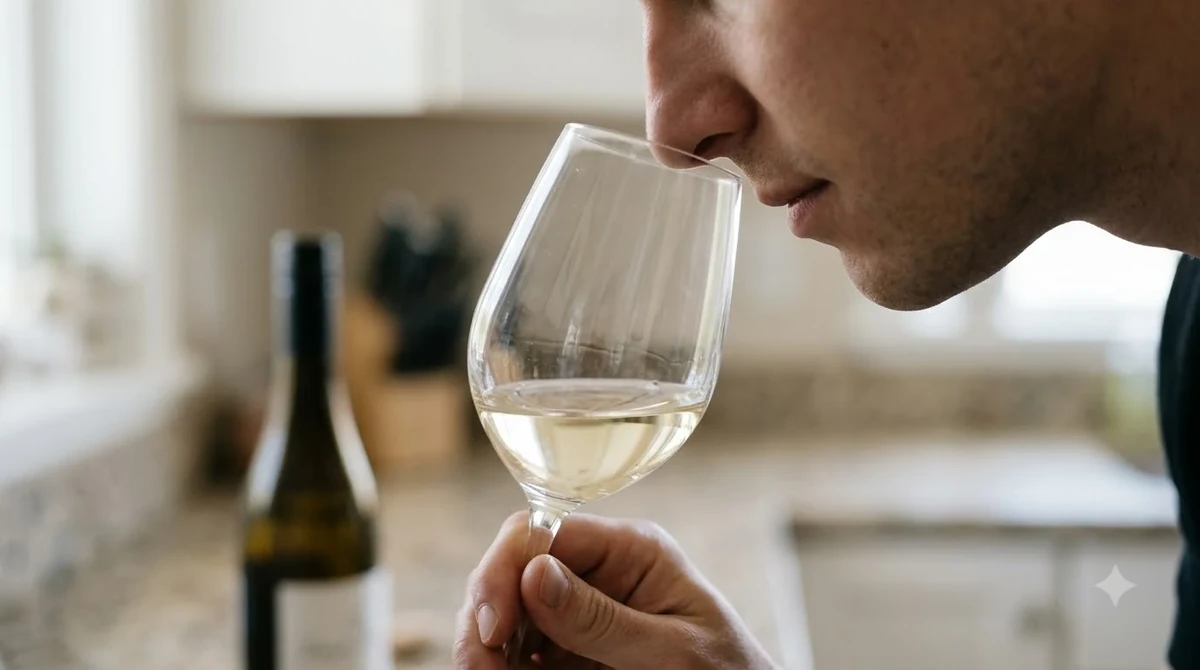
That flavor profile fits the familiar Sauvignon Blanc pattern: bright acidity, fresh fruit, and a finish that keeps the palate alert. The 2024 core bottling is made with 100 percent certified organic grapes, and the winery presents it as refreshing and crisp rather than rich or heavily oaked. It is a useful match for foods that also have a bright edge, such as lemon-dressed salads, goat cheese, grilled shrimp, oysters, and white fish with herbs. For dishes containing vinegar, citrus, or tomato, the wine’s acidity can meet the food’s sharpness instead of seeming flat beside it.
The Estate Collection Sauvignon Blanc offers a slightly different feel. Bonterra says a small part of that blend was fermented in oak, which gives it a rounder texture than a more traditional stainless-steel-led Sauvignon Blanc. The winery’s technical notes describe two months of cool fermentation in stainless steel, followed by four months on the lees for a small portion in neutral American oak. The result is still based on citrus and tropical fruit, but with added breadth and a little more texture across the middle of the palate.
Independent tasting notes offer another way to understand the style. Wine Enthusiast’s review of the 2024 Regenerative Organic Certified estate Sauvignon Blanc from Mendocino describes sweet lime, tangerine, green apple, orange blossom, papaya, guava, melon, and pomelo peel, then recommends smoked oysters. That is a strong illustration of how the wine can bridge fresh fruit and savory seafood. The review is for a specific estate bottling and vintage, not a promise that every Bonterra Sauvignon Blanc will have the same blend or identical aromas.
Bonterra Chardonnay from Orchard Fruit to Creamy Texture
Bonterra Chardonnay is the softer, broader white in the core range, with pear and green apple at the center and a little toast on the finish. It is not presented as an aggressively buttery style; the balance between ripe fruit and lifted acidity keeps it suitable for meals as well as casual sipping.
The producer’s notes for the California Chardonnay describe pear, green apple, citrus, flower blossom, and spice, followed by a rich, creamy palate with subtle toast. That combination makes Chardonnay more adaptable than its reputation sometimes suggests. The fruit can work with roast chicken, pork tenderloin, mushroom pasta, corn, and dishes with cream or butter, while the acidity helps keep the wine from feeling too heavy. A squeeze of lemon or a fresh herb garnish can make the pairing feel brighter without overwhelming the wine.
Bonterra’s broader Chardonnay range spans different levels of detail. The standard California bottling is a practical everyday expression. Estate Collection Chardonnay draws from the winery’s Mendocino estate sites, and The Roost is presented as a single-vineyard wine. A focused vineyard bottling may bring more nuance in aroma, texture, and finish, while the core bottling is generally the more straightforward choice for a mixed table where guests have different preferences.
It is also useful to distinguish a creamy texture from obvious sweetness. Chardonnay can feel round because of fruit ripeness, lees contact, malolactic fermentation, or oak, even when the wine is dry. Bonterra’s Chardonnay is best approached as a dry white with medium acidity: it has enough freshness for food, but its broader mouthfeel makes it more comfortable with roasted, sautéed, or gently creamy dishes than a very lean Sauvignon Blanc would be.
Mendocino’s Climate and Estate Vineyards Shape the Wines
Mendocino is central to Bonterra’s identity, and the region’s range of coastal and inland conditions helps explain why the winery can make several distinct white-wine styles. Wine Enthusiast describes 131 miles of Pacific coastline and 12 appellations, with cool ocean influence in some areas and warmer inland sites around Hopland and Ukiah.
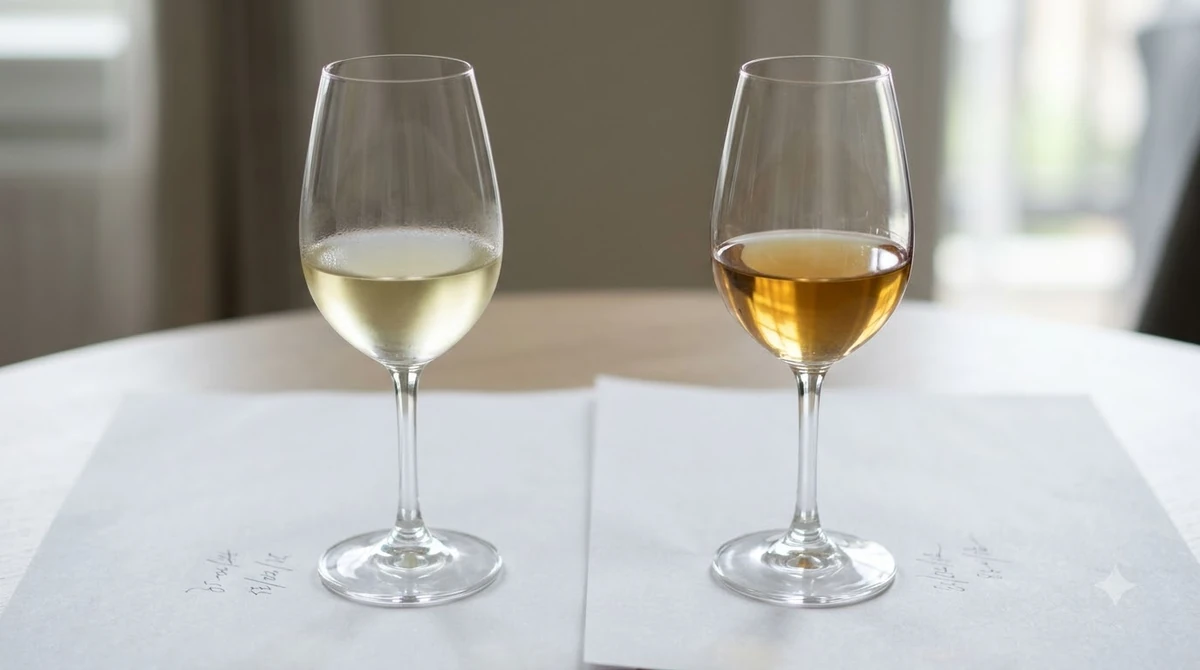
Those differences matter for white grapes. Cooler sites can help Sauvignon Blanc hold onto its crisp acidity and citrus character, while warmer or more sheltered sites can bring riper fruit. Mendocino’s daily temperature swings can be substantial; Wine Enthusiast notes that high and low temperatures can differ by as much as 50 degrees. That shift between warm days and cooler nights helps grapes develop flavor while retaining freshness, although the exact result depends on the vineyard’s elevation, exposure, and distance from the coast.
Bonterra’s estate program gives a concrete example. The winery identifies Dooley Creek in Mendocino County as the source of its first Estate Sauvignon Blanc. Twenty-three acres of the site have been planted to Sauvignon Blanc, and Bonterra describes its gravelly loam soils as well drained, with groundwater and seasonal Russian River flooding contributing to the site’s growing conditions. Those details help explain why the wine is framed around citrus, grapefruit, lime, and a mouthwatering finish rather than a heavier tropical profile.
The regional context also helps put Bonterra’s organic focus in perspective. Wine Enthusiast reports that Mendocino has about 17,000 acres of vineyards and that roughly one quarter of the grapes are certified organic. The county has a long history of growers working with organic practices, and its white varieties include Chardonnay and Sauvignon Blanc as well as Pinot Gris, Riesling, and Gewürztraminer. Bonterra’s whites are part of that broader regional culture, but they should not be treated as interchangeable with every wine made in Mendocino.
Organic Grapes, Regenerative Farming, and the Sulfite Label
Bonterra’s defining point of difference is its farming approach, but the wording on the label deserves a careful read. The winery says its core collection is made with 100 percent certified organic grapes; it does not use the phrase “organic wine” as a blanket description because it adds a limited amount of sulfur dioxide during production to help preserve freshness and consistency.
In the United States, “organic wine” and “made with organic grapes” refer to different regulated categories. Both begin with certified organic grapes, but the rules for added sulfites differ. Bonterra explains that it uses a small amount of sulfur before bottling, which is why its bottles carry the “made with organic grapes” wording. Wine also produces some sulfites naturally during fermentation, so the absence of added sulfites is not the same thing as a wine containing no sulfites at all.
The producer reports average total sulfites of 70 to 90 parts per million across its wines, below the 100-parts-per-million limit it cites for wines made with organic grapes. Those numbers are labeling context, not tasting descriptors: they do not predict whether a wine will seem citrusy, creamy, grassy, or fruity. Bonterra describes its Sauvignon Blanc as low in sulfites, but the more useful buying questions remain the grape, style, and whether the bottle fits the food and occasion.
Bonterra traces its organic farming program to Mendocino County in 1987. Current practices include cover crops between vine rows, compost made partly from grape pomace, and seasonal sheep grazing; these are vineyard practices intended to support soil health and biodiversity, not flavors a drinker should expect to detect directly. Regenerative Organic Certified is also distinct from the basic “made with organic grapes” wording: the former refers to broader farming requirements, while the latter identifies the certified organic fruit used in the wine.
Food Pairings, Serving Temperatures, and Storage
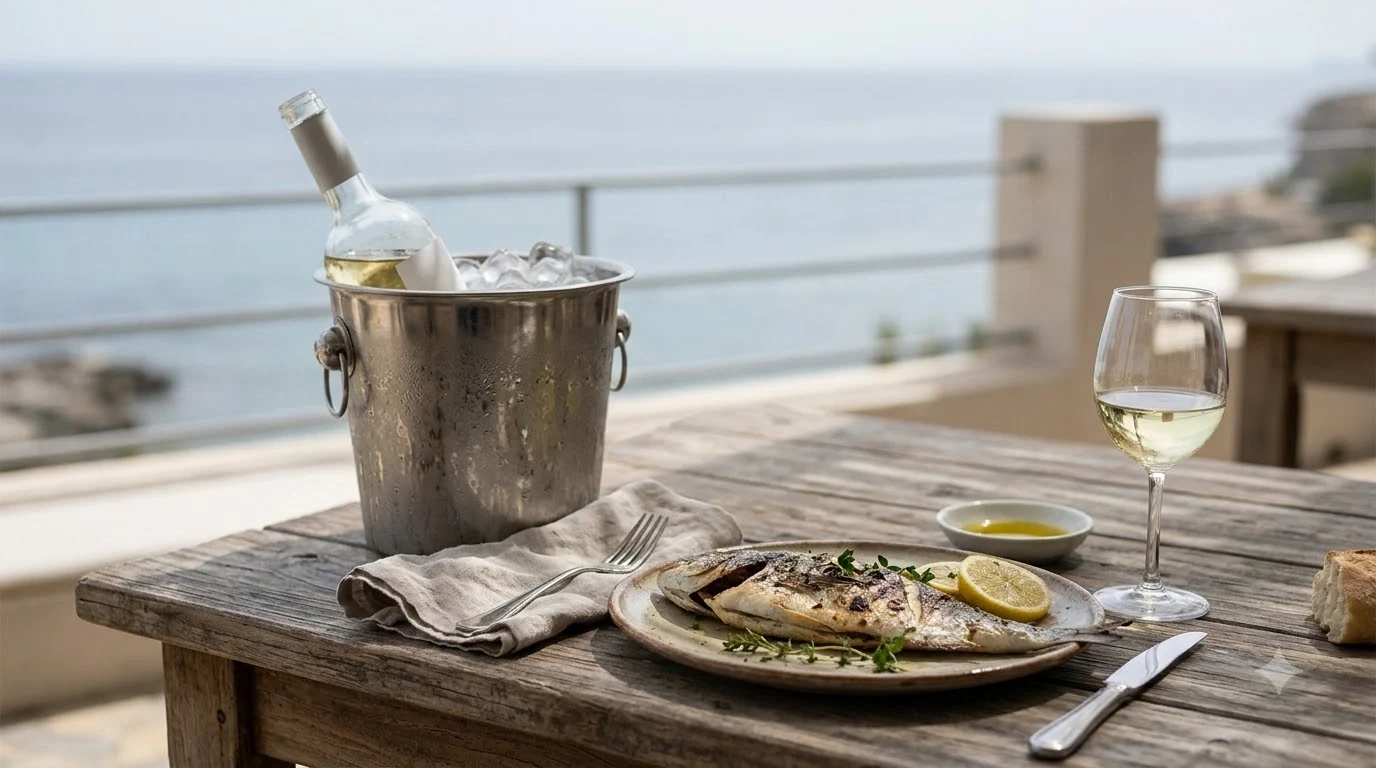
The easiest way to pair Bonterra whites is to match acidity and weight to the dish. Sauvignon Blanc suits oysters, shrimp, grilled fish, goat cheese, green vegetables, and lemon-dressed salads; Chardonnay is more comfortable with roast chicken, mushrooms, corn, pork, and lightly creamy sauces. Pinot Gris can sit between them with simply seasoned seafood, salads, and picnic food.
Acid matters as much as flavor: a dish with lemon, vinegar, pickled vegetables, or tomato needs a wine with enough freshness to keep its shape, making Sauvignon Blanc the safer match. Chardonnay has medium acidity and a broader mouthfeel, so butter, cream, roasted ingredients, or browned surfaces can make a more natural pairing. Avoid very sweet glazes and heavy chili with delicate whites, since sweetness can make a dry wine seem sour and alcohol can make chili heat feel more intense.
| Wine or serving detail | Useful number | Practical cue |
|---|---|---|
| Bonterra Sauvignon Blanc | 45–50°F | Keep citrus, lime, and lively acidity in focus |
| Bonterra Chardonnay | 50–55°F | Allow pear, apple, and creamy texture to show |
| Standard wine pour | 5 oz | A measured pour leaves room to swirl and smell |
| 750 ml bottle | About 5 glasses | Plan around five standard pours |
| Opened still white wine | 3–5 days refrigerated | Recork promptly and keep the bottle cold |
Serve Sauvignon Blanc around 45 to 50 degrees Fahrenheit and fuller Chardonnay around 50 to 55 degrees Fahrenheit; too much chilling can mute aroma and make texture seem hard. A 750 ml bottle yields about five standard 5-ounce pours. Store unopened bottles on their sides near 55 degrees Fahrenheit in a cool, dark place, and refrigerate an opened still wine with its closure replaced; it generally keeps its best character for three to five days. Our guide to Bonterra wine alcohol content explains what to look for on the label, while the Black Box Pinot Grigio alcohol content guide offers a point of comparison for another everyday white. Readers looking for a wider introduction to producers can also browse Wine Brands.
Tip: Chill Bonterra Sauvignon Blanc first, then pour a small taste before serving the food. If its acidity feels sharp, pair it with salt, olive oil, or mild cheese rather than adding more lemon to the plate.
Frequently Asked Questions
These answers clarify the label language, bottling differences, and background details that can help distinguish one Bonterra white from another.
When did Bonterra begin farming organically?
Bonterra traces its first organically farmed vineyard in Mendocino County to 1987. The winery says its first vintage of organic wine followed in 1990, making its organic program older than the current interest in regenerative viticulture.
What food pairing is specifically recommended for Bonterra Estate Sauvignon Blanc?
A Wine Enthusiast note for the 2023 Estate Sauvignon Blanc recorded 92 points and suggested serving it with clam chowder and grilled sourdough. That pairing recommendation highlights the wine’s ability to handle a creamy seafood dish while its acidity keeps the finish fresh.
Has Bonterra Chardonnay received independent reviews?
Yes. Decanter reviewed the 2019 Estate Collection Organic Chardonnay as a dry, medium-bodied wine made from 100 percent Chardonnay, with 13.5 percent alcohol by volume. That review concerns that particular vintage and bottling, so it should not be used as a specification for every Bonterra Chardonnay.
What is Bonterra’s MENDO white-wine range?
The MENDO collection includes a Sauvignon Blanc called Canyon Catch and an unoaked Chardonnay called Forest Camp. Bonterra describes Canyon Catch with stone fruit, guava, grapefruit, jalapeño, and matchstick notes, while Forest Camp is described with papaya, mango, pineapple, kumquat, and gardenia.
What environmental milestones has Bonterra reported beyond organic farming?
Bonterra says it became the first winery in the world to achieve Climate Neutral certification in 2020. The company also reports receiving the B Lab “Best For The World: Environment” recognition in 2022.
Bonterra’s whites offer a clear choice between crisp Sauvignon Blanc, rounder Chardonnay, and flexible Pinot Gris, with estate bottlings for drinkers who want a stronger connection to Mendocino. Start with the food and texture you prefer, serve the wine at the right temperature, and treat the organic label as farming information rather than a promise of one particular taste.
More in Wine Brands
 Underwood Wine Price: Compare Bottles, Cans, and Pack SizesUpdated Nov 21, 2026
 Zenato Wine Price: Compare Styles and Choose the Right BottleUpdated Nov 21, 2026
 Zuccardi Wine Price: Compare Bottles and Find the Right RangeUpdated Nov 21, 2026
 Yellow Tail Moscato Review: Taste, Sweetness and Serving TipsUpdated Nov 21, 2026
 Wolf Blass Yellow Label Review: Choose Your Best StyleUpdated Nov 21, 2026
 Wolffer Estate Rose Review: Choose the Right Bottle for Your TableUpdated Nov 21, 2026