

We may earn a commission when you buy through links on this page, at no extra cost to you. Learn more.
Penfolds Bin 389 wine is a celebrated Australian Cabernet Sauvignon and Shiraz blend that combines Cabernet’s firm structure with Shiraz’s generous fruit and richness. First produced in 1960 by winemaker Max Schubert, it earned the nickname Baby Grange because portions of the wine mature in barrels previously used for Grange. Its South Australian origins, American oak maturation and capacity for extended bottle aging make it one of Australia’s best-known premium red blends.
For American wine drinkers, Bin 389 offers an interesting alternative to single-variety Cabernet Sauvignon or Shiraz. It brings together characteristics associated with both grapes while retaining a recognizable Australian identity. Understanding its composition, regional origins, vintage differences and serving requirements makes it easier to choose a bottle, plan a meal and decide whether to drink it young or put it away in the cellar.
What Makes Penfolds Bin 389 a Distinctive Australian Red?
Bin 389 is a dry, full-bodied red wine built around two complementary grape varieties: Cabernet Sauvignon and Shiraz. Its identity comes from balancing Cabernet’s firm tannins with Shiraz’s rich fruit, while carefully managed American oak contributes additional depth and texture.
The wine was first made in 1960 by Max Schubert, the influential Penfolds winemaker associated with the creation of Grange. Schubert wanted to produce a distinctive Australian red that could combine the structural qualities of Cabernet Sauvignon with the richness of Shiraz. Rather than relying on one grape, he used blending to create a wine with several layers of flavor and a substantial, balanced palate.
This approach became an important part of the wine’s identity. Cabernet Sauvignon traditionally provides blackcurrant-like fruit, acidity and a firm tannin framework. Shiraz contributes darker fruit, spice and a fuller middle palate. When blended carefully, these characteristics can complement one another instead of competing.
Bin 389 is also a multi-regional wine. Penfolds selects fruit from different South Australian growing areas, allowing the winemaking team to work with grapes that offer different strengths. A parcel might contribute concentrated fruit, another might provide freshness, and another might add structure. The final blend is assembled to achieve the desired house style rather than simply represent one vineyard.
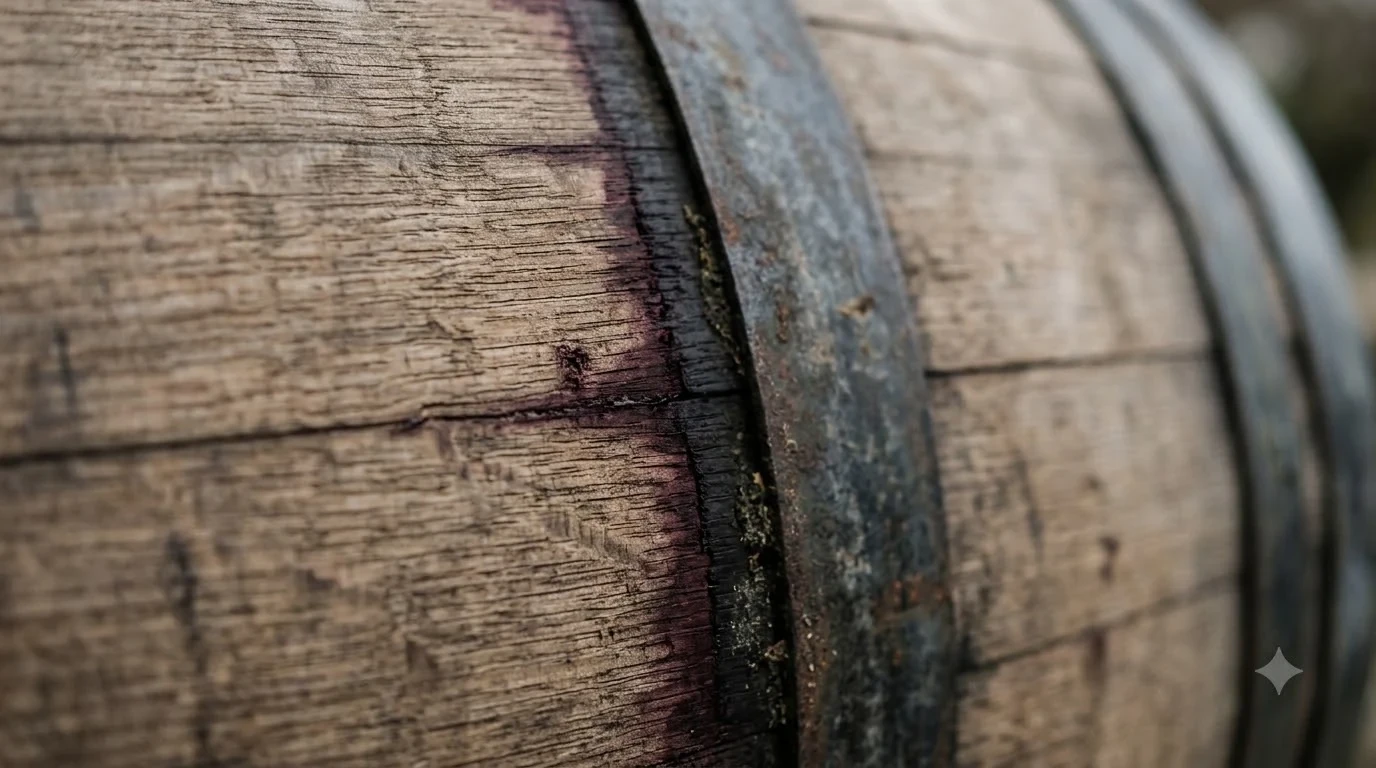
The nickname Baby Grange comes from its connection with Penfolds flagship red. Some Bin 389 components mature in barrels that previously held Grange. These barrels have already been used for a full maturation cycle, so they generally contribute less new-oak influence than fresh barrels. They can nevertheless provide oak-derived complexity and help integrate the wine’s fruit and structure.
That connection does not mean Bin 389 is a smaller bottle of Grange or that the two wines are interchangeable. They are distinct wines with different identities, blending decisions and positions in the Penfolds collection. Bin 389 has established its own reputation through its Cabernet-Shiraz combination and approachable balance of richness and structure.
Its history also helps explain why the wine appeals to collectors as well as people opening a bottle for dinner. The style has a long record, but individual vintages offer differences in grape proportions, regional sourcing and oak treatment. Readers interested in the producer’s broader portfolio can explore Penfolds red wine to understand how Bin 389 fits among the label’s other Australian reds.
Cabernet Sauvignon, Shiraz and South Australian Origins
The defining feature of Bin 389 is its combination of Cabernet Sauvignon and Shiraz, usually in proportions close to equal. Penfolds adjusts the exact percentages according to the vintage, while fruit from several South Australian regions gives the blend additional complexity.
Cabernet Sauvignon and Shiraz are particularly compatible because they contribute different structural and aromatic characteristics. Cabernet generally supplies a firm tannin backbone, fresh dark-fruit flavors and a more linear structure. Shiraz typically contributes generous blackberry and plum flavors, peppery spice and a broader mid-palate.
Neither variety has to dominate for the blend to work. Cabernet can provide definition without making the wine excessively austere, while Shiraz can add richness without making the finished wine feel heavy or overly soft. The balance is central to the Bin 389 identity.
Penfolds does not use exactly the same grape percentages every year. For example, the 2022 vintage contained 51% Cabernet Sauvignon and 49% Shiraz. The 2006 release contained 52% Cabernet Sauvignon and 48% Shiraz, while the 2015 vintage discussed at a Decanter masterclass contained 53% Cabernet Sauvignon and 47% Shiraz.
The following comparison illustrates how the proportions can shift while retaining the characteristic Cabernet-Shiraz style.
| Vintage | Cabernet Sauvignon | Shiraz | Additional detail |
|---|---|---|---|
| 2006 | 52% | 48% | 12 months in American oak; 22% new |
| 2015 | 53% | 47% | Fruit included Coonawarra, Barossa and Wrattonbully |
| 2020 | 51% | 49% | 12 months in American oak; 33% new |
| 2022 | 51% | 49% | 12 months in American oak; 36% new |
Regional sourcing is equally important. Penfolds has drawn Bin 389 fruit from several South Australian wine-growing areas, including Coonawarra, Barossa Valley, McLaren Vale, Padthaway, Langhorne Creek and Wrattonbully. The exact combination depends on the vintage and the winemaking team’s selections.
Coonawarra is particularly associated with Cabernet Sauvignon. Its distinctive terra rossa soils and relatively cool maritime influences help produce Cabernet with recognizable freshness and structure. This makes the region a useful source of fruit when the blend needs definition and a strong varietal backbone.
Barossa Valley is widely associated with rich, full-flavored Shiraz. Its warm climate can produce concentrated dark-fruit characteristics and substantial palate weight. McLaren Vale also contributes important South Australian red-wine material, while Padthaway and Wrattonbully offer additional regional expressions.
The advantage of multi-regional blending is flexibility. A single vineyard cannot provide every desired characteristic in every growing season. Working with several regions gives Penfolds more options for balancing ripeness, acidity, tannins and fruit intensity. It also helps explain why Bin 389 can maintain a recognizable style despite vintage variation.
For anyone comparing Australian wines, this combination of Cabernet and Shiraz is a useful starting point. It differs from a conventional Bordeaux-style Cabernet blend and from a single-variety Barossa Shiraz. Its structure is often more layered than a straightforward fruit-driven red.
Penfolds Bin 389 Tasting Notes: Fruit, Oak and Tannins
Bin 389 typically shows concentrated dark fruit, savory complexity, noticeable oak influence and substantial tannins. Depending on the vintage and its stage of development, the aromas can range from fresh blackberry and cassis to dried herbs, chocolate, spice and earthy notes.
In the glass, the wine generally has a deep red or purple appearance. The 2022 release, for example, is described by Penfolds as glossy dark red-purple. This concentrated appearance is consistent with its full-bodied style and substantial fruit intensity.
The aroma profile often begins with blackcurrant, blackberry, plum and dark cherry. These flavors reflect the combination of Cabernet Sauvignon and Shiraz. Cabernet can contribute a more defined cassis character, while Shiraz often brings ripe blackberry and plum notes that make the aromatic profile feel broader.
Oak adds another dimension. Bin 389’s American oak maturation can contribute vanilla-like sweetness, baking spices, toasted nuances and a subtle barrel-derived character. Because some of the barrels have previously held Grange, the wine’s oak profile is not simply a matter of adding large quantities of new wood.
Other aromas may emerge with time in the glass. Dried herbs, tobacco-like notes, cocoa, savory meat-like impressions and earthy characteristics can complement the fruit. Decanter’s review of the 2014 vintage identified cassis, vanilla, tapenade-like savory notes, berries and chocolate. These details illustrate how the wine can combine ripe fruit with more savory elements.
On the palate, Bin 389 is usually full-bodied, concentrated and structured. The middle of the palate is particularly important. Shiraz helps provide the generous fruit weight, while Cabernet contributes definition and firmness. This combination gives the wine a substantial feel without requiring it to taste simply sweet or heavy.
Tannins are an important part of the experience. Cabernet Sauvignon is naturally high in tannin, and Bin 389 generally retains a noticeable structural grip. In younger bottles, that grip can feel firm and persistent. With suitable bottle aging, the tannins can become more integrated, creating a smoother overall impression.
Acidity helps keep the fruit and oak from feeling excessively heavy. The 2022 vintage recorded 6.7 grams per liter of acidity and a pH of 3.62 in Penfolds’ technical information. Those figures describe that particular release rather than a fixed specification for every vintage.
The finish is generally long and savory, with dark fruit, spice and oak-related characteristics lingering after each sip. Some vintages lean more toward blackcurrant and fresh berry, while others emphasize cocoa, dried herbs, earthy notes or ripe plum.
Professional assessments also show how the wine’s profile can be expressed differently across vintages. Wine Enthusiast awarded the 2022 release 95 points and highlighted blackberries, violets, dried herbs, tar and gravel alongside substantial tannins. Its review of the 2022 Penfolds Bin 389 also describes the wine’s concentrated texture and cellaring potential.
Decanter’s 2014 review emphasized cassis, vanilla, tapenade and chocolate. These descriptions are not contradictory. They illustrate how vintage conditions, fruit selection and bottle development influence the balance of aromas and flavors. A younger Bin 389 may appear more fruit-driven and firm, while a mature example can develop additional savory and tertiary characteristics.
For a first-time drinker, expect a serious red rather than a light, delicate wine. It has enough body and tannin to accompany substantial meals, but its fruit concentration provides an inviting counterpoint to that structure.
Vintage Differences and How Long Bin 389 Can Age
Penfolds Bin 389 is made for both enjoyment in its youth and longer-term cellaring, although the ideal drinking window depends on the vintage. Its Cabernet Sauvignon structure, Shiraz fruit concentration and oak maturation give it the components needed to develop in the bottle.
Vintage variation begins in the vineyard. Rainfall, temperature, frost risk and harvest timing affect grape ripeness, acidity, tannin development and fruit concentration. Because Bin 389 draws on several South Australian regions, the winemaking team can select different combinations of fruit to achieve a balanced final wine.
Penfolds’ 2022 technical notes describe how growing conditions differed among McLaren Vale, Coonawarra, Barossa Valley, Padthaway and Wrattonbully. The notes identify cool conditions in several areas, spring frost challenges and differing rainfall patterns. Such conditions help explain why the proportions and final character of the wine require careful decisions rather than a fixed recipe.
Oak maturation is another variable. The 2006 vintage spent 12 months in American oak hogsheads, with 22% new oak. The 2020 release also spent 12 months in American oak, but its new-oak proportion was 33%. For 2022, Penfolds reported 12 months of maturation and 36% new oak.
These differences can influence the perception of oak, fruit and tannins. New barrels generally impart more obvious oak character than older ones. Used barrels can still contribute to the wine’s development while allowing the fruit to remain prominent.
Understanding bottle aging
In a young Bin 389, dark fruit and firm tannins often dominate. The wine may show concentrated blackberry, cassis, plum and spice, with a noticeable grip on the finish. Allowing it to develop in the bottle can soften the perception of tannin and introduce additional aromas.
With maturity, primary fruit can gradually shift toward dried fruit, leather, tobacco, earthy notes and more integrated spice. The exact evolution is not identical for every bottle. Storage conditions, closure integrity, vintage characteristics and personal preferences all affect the drinking experience.
Penfolds listed a 2025–2050 peak-drinking window for its 2022 Bin 389. This is a useful indication of the wine’s intended aging potential, not a guarantee that every bottle will improve continuously throughout that entire period.
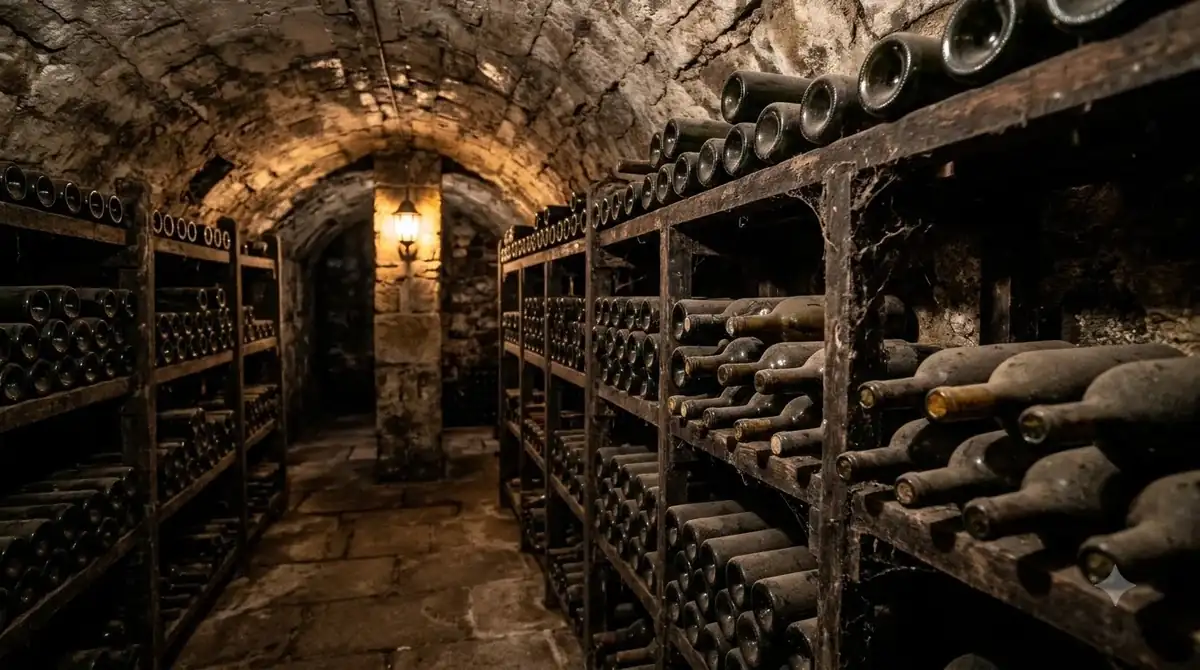
Older vintages should also be judged individually. A bottle that has been stored in a hot environment may have deteriorated much faster than one kept in a proper cellar. Provenance becomes particularly important when buying mature wines from private sellers or secondary-market sources.
Tip: If you are building a small Bin 389 collection, consider buying multiple bottles from the same vintage. Open one while relatively young, then revisit another after several years. This makes it easier to understand how the wine changes with bottle age and which stage best suits your preferences.
For someone who prefers primary fruit and a firmer structure, a younger bottle can be appealing with appropriate aeration. Drinkers who prefer softer tannins and more complex savory aromas may enjoy allowing the wine additional time in a suitable cellar.
It is also sensible to distinguish between a wine’s potential longevity and its ideal drinking moment. A wine can remain sound for many years without necessarily becoming more enjoyable to every drinker. Personal preference matters just as much as the suggested drinking window.
How to Serve Penfolds Bin 389 at Its Best
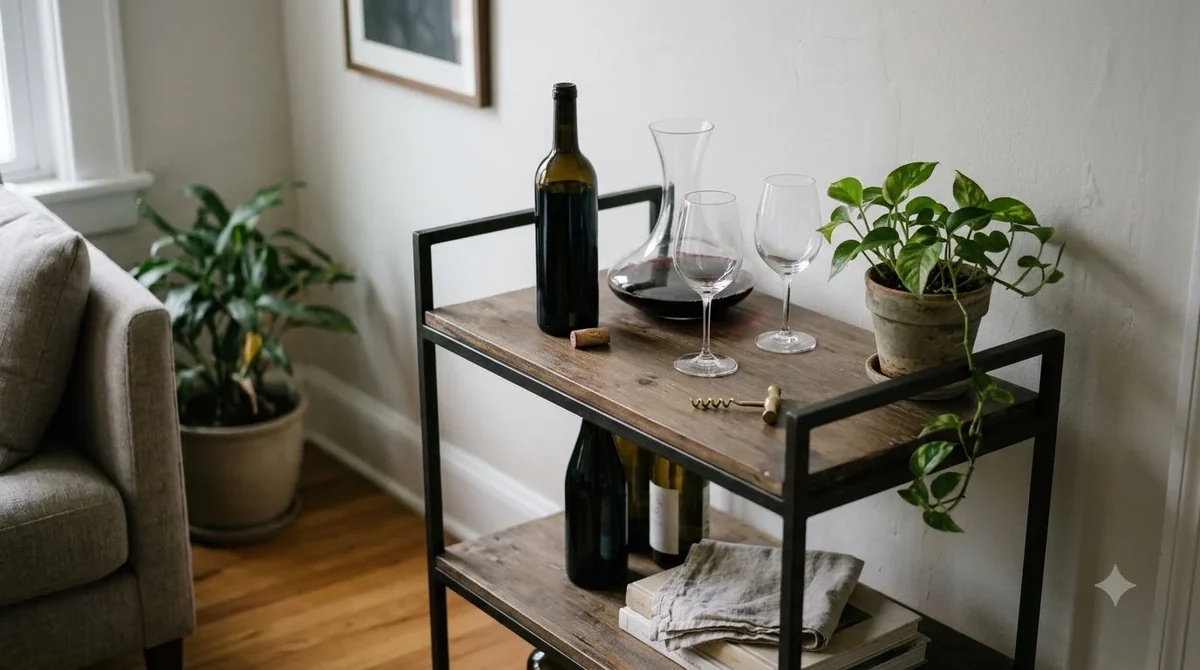
Serve Bin 389 slightly cooler than typical room temperature, ideally around 60–65°F. A young bottle can benefit from 30–60 minutes of decanting, while a mature bottle may require gentler handling to avoid losing delicate aromas.
Temperature makes a significant difference with full-bodied reds. Serving the wine too warm can emphasize alcohol and make the texture feel heavier. Serving it too cold can suppress aromas and make the tannins seem more pronounced.
A target of 60–65°F provides a useful starting point. If the bottle has been stored at approximately 55°F, allow it to warm gradually after opening rather than placing it directly beside a heat source. A few minutes at room temperature can make a noticeable difference.
Decanting is particularly useful for young Bin 389. Its concentration and tannin structure can make it seem tight immediately after opening. Exposure to air allows the aromas to develop and can make the wine feel more expressive.
For a relatively young vintage, begin with approximately 30 minutes of aeration. If the wine remains firm and restrained, allow additional time, up to around 60 minutes. Pour a small sample before serving the rest so you can assess how the wine is developing.
Older vintages require more caution. A mature bottle may contain sediment and can be more sensitive to extended exposure to oxygen. Stand the bottle upright beforehand if possible, then pour carefully. A short, gentle decant may be appropriate to separate sediment, but lengthy aeration is not automatically beneficial.
Glassware also matters. Use a large red wine glass with a reasonably wide bowl to provide space for the wine’s aromas to collect. A generous bowl allows blackberry, cassis, spice and oak characteristics to become easier to identify.
There is no need to fill the glass to the rim. A standard 5-ounce pour in a 750-milliliter bottle provides approximately five servings. Leaving sufficient room in the glass makes swirling easier and allows the wine to release its aromas.
Once opened, store any remaining wine in the refrigerator with a suitable closure. Still red wines generally keep for approximately 3–5 days under refrigeration, although a powerful wine may change noticeably during that time. Bring the remaining wine back toward serving temperature before pouring another glass.
These practical steps help preserve the balance between Bin 389’s fruit concentration, oak influence and tannins. The goal is not to make the wine taste completely different but to give its existing characteristics an opportunity to show clearly.
Food Pairings That Complement Bin 389
Bin 389 pairs best with substantial foods that can match its full body and firm tannins. Beef, lamb, grilled meats, mushroom dishes and aged hard cheeses are particularly useful choices because their flavors and textures work with the wine’s dark fruit and savory character.
Cabernet Sauvignon and Shiraz both have enough structure to accompany protein-rich dishes. The tannins can interact pleasantly with the proteins and fats in meat, making the wine feel more balanced. Fat and salt also soften the perception of tannin, which can be helpful when serving a relatively young vintage.
Beef is one of the most reliable pairings. A grilled ribeye, roasted tenderloin or slow-cooked beef short rib provides enough flavor and richness to stand alongside the wine. The charred surface of grilled beef also complements the smoky and savory notes that can appear in Bin 389.
For a younger bottle, consider a well-seasoned steak with rosemary, black pepper and roasted garlic. These ingredients connect naturally with the wine’s fruit and spice characteristics. A simple preparation is often preferable to a heavily sweetened sauce that might make the wine seem drier and more tannic.
Lamb is another strong match. Roasted lamb shoulder, grilled lamb chops and herb-crusted rack of lamb all provide suitable richness. Rosemary, thyme, garlic and black pepper can complement the wine’s savory side without overpowering its fruit.
Slow-cooked lamb is particularly useful with a structured vintage because its tender texture and concentrated cooking juices work well with the wine’s body. A sauce based on roasting juices, stock and herbs is generally a better choice than one dominated by sugar.
Rich mushroom dishes offer a useful meat-free alternative. Portobello mushrooms, roasted cremini mushrooms and mushroom-based pasta sauces have savory flavors that can complement the wine’s earthy and umami characteristics. A dish with roasted mushrooms, garlic and thyme can provide sufficient depth without requiring meat.
Hard cheeses also work well. Aged cheddar, mature Gouda and firm sheep’s-milk cheeses have enough intensity to stand up to the wine. Their fat and salt can soften the perception of tannin, making the combination feel more harmonious.
The following suggestions provide practical starting points for planning a meal around different styles of Bin 389.
| Food | Why It Works | Preparation Suggestion |
|---|---|---|
| Ribeye steak | Protein and fat soften firm tannins | Grill with rosemary and black pepper |
| Beef short ribs | Rich texture matches the full body | Braise slowly with herbs and stock |
| Roasted lamb | Herbal and savory flavors complement the wine | Use garlic, thyme and rosemary |
| Portobello mushrooms | Earthy umami complements savory aromas | Roast with garlic and olive oil |
| Aged cheddar | Salt and fat soften tannin perception | Serve in small wedges |
| Beef burgers | Grilled flavors match the wine’s concentration | Use mature cheddar and a savory topping |
Some foods are less successful. Very spicy dishes can make the alcohol and tannins seem more aggressive, so heavily chili-driven preparations are generally not ideal. Oily fish such as salmon can also be difficult with a tannic red wine, particularly when the fish is prepared simply without a rich sauce.
Sweet sauces are another consideration. A wine should generally be at least as sweet as the dessert served alongside it. Bin 389 is a dry red, so chocolate desserts, fruit tarts and other sweet dishes can make the wine taste comparatively bitter or sour. Save the bottle for the savory courses rather than serving it with dessert.
For a dinner party, a straightforward menu works particularly well: begin with a mushroom appetizer, serve grilled beef or roasted lamb as the main course, and finish with a separate dessert wine if the meal includes something sweet. This arrangement gives Bin 389 a suitable role without forcing it into a pairing that does not fit its structure.
Bin 389 Compared With Grange and Other Penfolds Wines
Bin 389 occupies an important position in the Penfolds red wine portfolio because it offers a recognizable Cabernet-Shiraz style with its own history and identity. Its connection with Grange is meaningful, but the two wines differ in their composition, production approach and overall character.
Grange is principally associated with Shiraz, while Bin 389 combines Cabernet Sauvignon and Shiraz in proportions that generally remain close to equal. That difference has a noticeable effect on structure and flavor. Bin 389’s Cabernet component provides a more pronounced structural framework, while Shiraz contributes richness and a generous middle palate.
The use of previously employed Grange barrels is one of the most distinctive details of Bin 389’s production story. Penfolds explains that Grange is matured in new oak, and some of those barrels are subsequently used for Bin 389 components. This relationship helps explain the Baby Grange nickname. More background is available in the official Penfolds Bin 389 overview.
However, a barrel connection does not make the wines identical. Grange has its own Shiraz-centered identity and maturation approach. Bin 389 is deliberately designed around the relationship between Cabernet Sauvignon and Shiraz.
Other Penfolds reds provide additional points of comparison. Bin 407, for example, focuses on Cabernet Sauvignon rather than using the near-equal Cabernet-Shiraz blend found in Bin 389. A drinker who particularly enjoys Cabernet’s structure may find Bin 407 interesting, while someone who prefers the combination of Cabernet definition and Shiraz richness may gravitate toward Bin 389.
St Henri offers another contrasting style. It is a Shiraz-based wine with a different approach to oak influence. Comparing St Henri with Bin 389 can help demonstrate how the same producer works with different red grape varieties and winemaking philosophies.
Penfolds also produces white wines, including Chardonnay and Riesling expressions. These wines serve a very different role from a concentrated, full-bodied red such as Bin 389. Exploring Penfolds white wine can help readers understand the broader range of styles available from the producer.
For readers interested in the producer’s flagship red, Penfolds Grange tasting notes provide another perspective on its Shiraz-focused identity, aromatic profile and aging potential.
Ultimately, the most useful comparison is not which wine is automatically better. It is which style suits the occasion and the drinker’s preferences. Bin 389 offers a particularly appealing middle ground for people who enjoy structured Cabernet Sauvignon but also want the generous fruit and richness associated with Australian Shiraz.
Frequently Asked Questions
Is Penfolds Bin 389 a single-vineyard wine?
No. Bin 389 is a multi-regional South Australian blend rather than a single-vineyard bottling. Its grape sources can include several growing areas, and the exact combination changes according to the vintage and Penfolds’ selection decisions.
What does the number 389 mean on the bottle?
Bin 389 is the wine’s established Penfolds label designation. Penfolds uses different Bin numbers across its portfolio to distinguish individual wines and collections. The designation is part of the wine’s historical identity rather than a measurement of grape quality, alcohol content or bottle age.
Does Penfolds Bin 389 always use a cork closure?
Closure formats can differ between releases and markets. For example, Penfolds lists the 2022 Bin 389 with a cork closure, while Decanter records a screwcap closure for the 2014 vintage. This is one reason collectors should identify the precise vintage and bottle presentation when purchasing.
Is Bin 389 suitable for someone new to Australian red wine?
Yes, particularly for someone who already enjoys Cabernet Sauvignon or Shiraz. Its combination of the two grapes provides a useful introduction to the Australian Cabernet-Shiraz tradition. However, its full body and substantial tannins make it more structured than many light-bodied introductory reds.
What does a vertical tasting of Bin 389 reveal?
A vertical tasting compares different vintages of the same wine side by side. Penfolds has conducted tastings featuring vintages such as 1976, 1986 and 2006. Comparing several years can reveal changes in fruit expression, oak integration, tannin development and the influence of bottle age.
Penfolds Bin 389 remains an important Australian red because it combines two classic grape varieties in a style that balances structure, fruit concentration and oak complexity. Whether served with grilled beef, roasted lamb or a carefully prepared mushroom dish, it offers plenty of character for both casual dinners and special occasions. Choose the vintage according to your preferred drinking window, serve it at 60–65°F and give younger bottles time to open up before enjoying their full range of flavors.
More in Wine Brands
 Underwood Wine Price: Compare Bottles, Cans, and Pack SizesUpdated Nov 21, 2026
 Zenato Wine Price: Compare Styles and Choose the Right BottleUpdated Nov 21, 2026
 Zuccardi Wine Price: Compare Bottles and Find the Right RangeUpdated Nov 21, 2026
 Yellow Tail Moscato Review: Taste, Sweetness and Serving TipsUpdated Nov 21, 2026
 Wolf Blass Yellow Label Review: Choose Your Best StyleUpdated Nov 21, 2026
 Wolffer Estate Rose Review: Choose the Right Bottle for Your TableUpdated Nov 21, 2026