


We may earn a commission when you buy through links on this page, at no extra cost to you. Learn more.
Merlot with chicken is an excellent pairing because Merlot’s soft tannins, moderate acidity, and ripe plum and cherry flavors complement poultry without overwhelming its mild taste. Choose a fresher, medium-bodied bottle for simply roasted or grilled chicken, and a richer Merlot for browned skin, mushrooms, or a savory pan sauce. The best match comes from considering the seasoning and sauce as carefully as the cut of chicken.
Chicken is flexible enough to work with red or white wine, but Merlot is a particularly useful red choice when the meal has roasted flavor, herbs, browned skin, or a little richness. Its fruit can meet those flavors, while its gentler tannins usually feel less forceful than those in Cabernet Sauvignon. Use the guide below to choose a bottle for the cooking method, sauce, sides, and occasion.
Why Merlot Works With Chicken
Merlot has enough body and dark-fruit flavor to stand beside savory chicken, but its softer tannins make it more forgiving than many structured reds. The pairing is strongest with roasted, grilled, or pan-seared poultry served with herbs, mushrooms, or a modestly rich sauce.
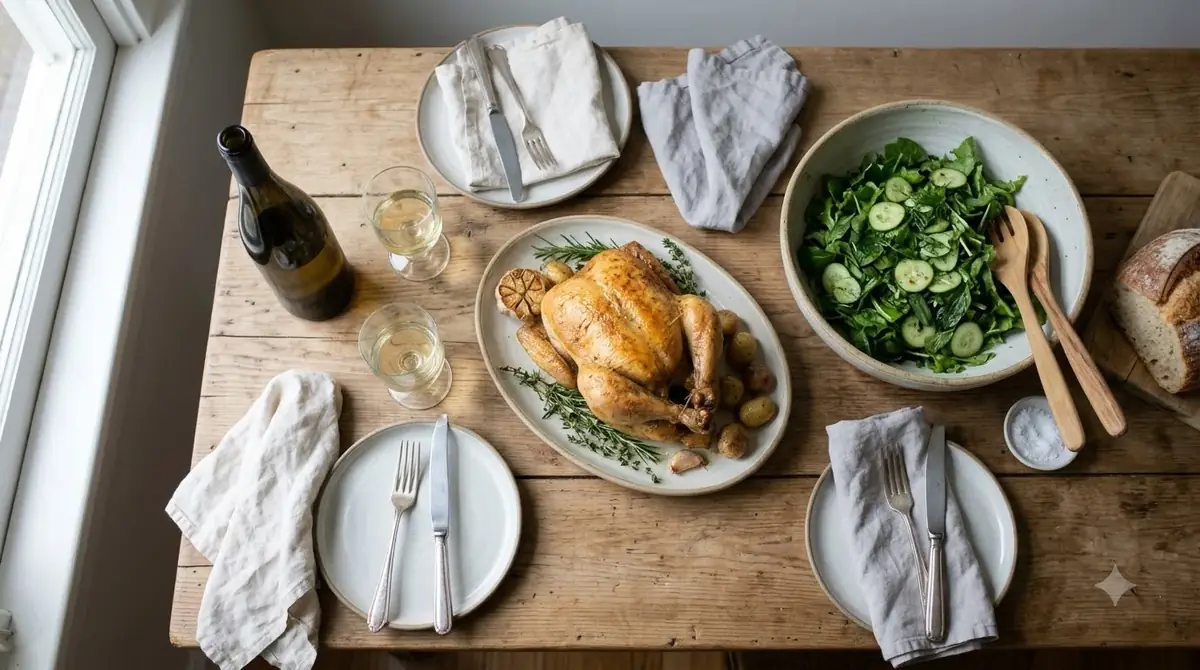
Most Merlot is dry, with a medium-to-full body, moderate acidity, and soft but noticeable tannins. Common flavors include plum, black cherry, blackberry, cocoa, and sometimes bay leaf or dried herbs. Those flavors give the wine a satisfying presence next to chicken without the drying grip that can make a high-tannin red seem too forceful beside lean breast meat. Wine Enthusiast describes Merlot as a match for mild poultry, pasta, savory roasts, and braises in its Merlot tasting and pairing notes.
Chicken itself is mild, so the way it is cooked matters. A gently poached breast has little browned flavor and can be overshadowed by a concentrated, heavily oaked red. Roast chicken with crisp skin, garlic, rosemary, and pan juices has more savory depth and can stand up to a medium-bodied Merlot. Thighs and legs are richer than skinless breast meat, giving the wine more flavor to meet.
Merlot’s tannin level is a practical advantage. Tannins create a drying sensation, especially alongside lean protein, while salt and fat soften their edge. Chicken skin, butter, olive oil, and a little pan sauce can make Merlot taste rounder. The full plate, not just the meat, determines whether the wine feels balanced.
Choose a Merlot Style for the Chicken Dish
Pick the wine by body, fruit, and structure rather than by grape name alone. A fresher, medium-bodied Merlot suits delicate seasoning, while a fuller, riper bottle is a better partner for dark meat, char, or a deeply savory sauce.
Climate and winemaking create noticeably different Merlot styles. Cooler-climate examples, including many from Bordeaux, can show red cherry, plum, bay leaf, tobacco, and dried herbs, with firmer structure. Warmer-climate wines from California, Chile, and Australia often lean toward riper blackberry, black cherry, cocoa, and fuller body. Wine Enthusiast notes that Merlot from cooler French regions often falls around 13–14% alcohol by volume, while examples from warmer regions can approach 14.5%.
For a simply roasted chicken breast with thyme or parsley, choose a medium-bodied Merlot with fresh fruit and restrained oak. For roasted thighs, grilled legs, or caramelized onions, a fuller wine with darker fruit and a little more tannin can work well. If the bottle smells heavily of vanilla, toast, or sweet spice, make sure the food also has enough roast flavor or richness to keep the oak from dominating.
Merlot is important in Bordeaux’s Right Bank appellations, including Saint-Émilion and Pomerol, and it is also made in California, Washington, Chile, Italy, and elsewhere. Some Bordeaux bottles are blends, often combining Merlot with Cabernet Franc or Cabernet Sauvignon. A structured Right Bank blend can suit roast chicken with mushrooms or gravy, while a fruit-forward New World Merlot may be easier with weeknight grilled chicken. VinePair also lists chicken and roast turkey among the lighter meats that pair well with Merlot in its Merlot food-pairing overview.
Pair Merlot With Roasted, Grilled, and Pan-Seared Chicken
Cooking method changes chicken’s flavor and texture, so it should guide the Merlot selection. Roasting adds savory browned notes, grilling adds smoke and char, and pan-searing creates a concentrated surface that can support a more structured red.
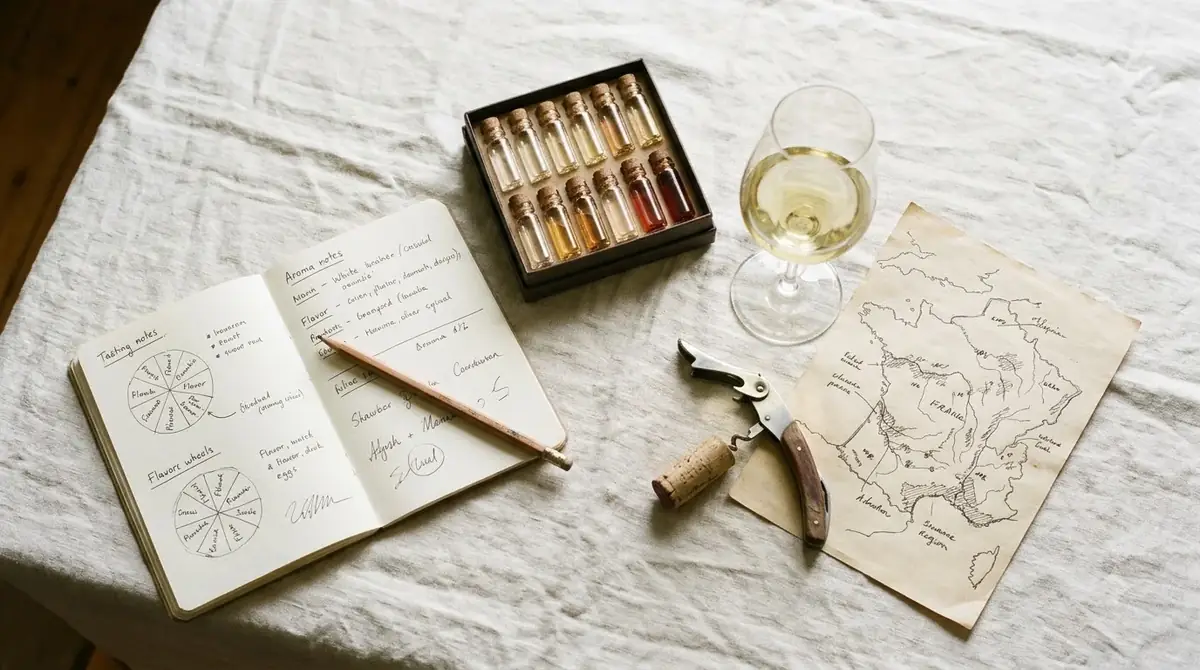
For roast chicken, look for a medium-bodied Merlot with plum and cherry fruit, moderate tannin, and enough freshness to balance the fat in the skin. Garlic, rosemary, thyme, sage, and black pepper are natural companions because their savory aromas connect with the herbal side of many Merlots. Serve the chicken with roasted potatoes, carrots, or mushrooms; a pan sauce made from the roasting juices can tie the food and wine together without requiring a heavy cream base.
Grilled chicken can handle a fruitier or slightly more assertive Merlot, especially when the grill leaves a clear char on the skin. Ripe dark fruit meets the toasted edges, while moderate tannin gives the wine enough structure for smoke. Brush the chicken with olive oil and herbs, or use a savory marinade with garlic, pepper, and a little soy sauce. Avoid a very sweet barbecue glaze unless the wine has enough fruit to keep from tasting thin or bitter beside the sauce. For pan-seared breasts or thighs, choose a moderate Merlot rather than a dense one; browned chicken, shallot, mushrooms, stock, and a little butter create a savory bridge without masking the meat.
For braised chicken, consider the liquid and finished sauce. A dish cooked with stock, onions, mushrooms, and herbs can work with a savory Merlot, especially one with a cooler-climate profile. A braise built around lots of lemon or vinegar is more challenging because high-acid food can make a moderate-acid red taste flat. Keep those sharper ingredients restrained, or choose a wine with more acidity for the meal.
Match Sauces, Seasonings, and Side Dishes
The sauce can matter more than the chicken itself. Merlot is most reliable with savory, earthy, and moderately rich flavors; very sharp acidity, pronounced sweetness, or intense chili heat can make the pairing less comfortable.
Mushroom sauce is one of the clearest matches. Mushrooms bring earthy, savory depth that echoes the herbal and dark-fruit character found in many Merlots, especially cooler-climate examples. Try chicken thighs with cremini mushrooms, shallots, thyme, and stock. Creamy sauces can also work because fat softens the perception of tannin: a little cream, butter, or cheese can make a medium-bodied Merlot feel smoother. Keep strong lemon juice and vinegar in check, though. Acidic food needs a wine with equal or higher acidity, and Merlot is generally moderate rather than sharply acidic; a lemon-cream sauce may favor a brighter white wine.
Tomato-based chicken dishes require more care. Tomato brings acidity, and that sharpness can make a softer, moderate-acid Merlot seem dull or slightly bitter. A gently cooked tomato sauce with roasted peppers, browned onions, and herbs may work with a fresher Merlot, but a very tangy sauce is a better reason to reach for a higher-acid wine. Sweet barbecue sauce, honey glaze, and fruit chutney can also change the balance: a dry wine can seem leaner and more tart beside a very sweet element. Keep the glaze restrained or choose a wine with noticeably ripe fruit; most Merlot is fermented dry even when its fruit aromas seem sweet.
For sides, choose foods that repeat or support the wine’s flavors. Roasted mushrooms, caramelized onions, rosemary potatoes, grilled eggplant, and roasted root vegetables are dependable choices. Green beans with garlic, a simple salad, or steamed vegetables can keep a rich chicken plate from feeling too heavy. A sharp vinaigrette may make the wine seem less fresh, so keep a tart dressing separate from the chicken and wine when possible. Chili heat is another challenge: alcohol and tannin can amplify the sensation of heat, so a high-alcohol, structured Merlot is not the best partner for chicken coated in hot chili paste. Reduce the heat or choose an aromatic white with a little sweetness for a very spicy dish.
Know When Another Wine Is a Better Choice
Merlot is versatile, but it is not the automatic answer for every chicken recipe. A lighter red or a high-acid white can be more precise when the dish is delicate, citrus-led, very spicy, or sharply acidic.
Pinot Noir is a useful alternative for simply roasted chicken with little sauce. It generally has lower-to-medium tannin and higher acidity than Merlot, with red-fruit flavors that suit a lightly seasoned breast or a roast bird with herbs. It is especially useful when the plate has a little acidity from cranberry, cherry, or a restrained pan reduction. For a closer comparison, see our guide to pinot noir with chicken.
Pinot Grigio can be a better fit for chicken with lemon, parsley, light vegetables, or a delicate broth. Sauvignon Blanc is another option when the plate has pronounced citrus, green herbs, or a tart vinaigrette because it typically has high acidity. Chardonnay, with medium acidity and a broader texture, makes sense for chicken with butter, cream, or roasted vegetables. For curry spices and sauces with coconut, tomato, or warming aromatics, choose by the sauce rather than assuming the chicken calls for red wine. Our explainer on what wine goes with butter chicken covers those choices in more detail; for milder chicken with citrus and herbs, compare the lighter approach in our pinot grigio with chicken article.
Use a simple decision rule: choose Merlot when the chicken is roasted, grilled, browned, or served with mushrooms and savory richness. Choose a higher-acid wine when lemon, vinegar, or tomato dominates; choose a lighter wine when the meat and seasoning are delicate; and avoid a high-alcohol, tannic red when chili heat is the defining feature. The most successful pairing follows the sauce and seasoning, not a rigid red-with-meat rule.
Serve Merlot at the Right Temperature and Pour
Serving temperature can make a noticeable difference to Merlot’s fruit, alcohol, and tannin. Aim for 60–65°F, pour a moderate glass, and give a fuller young bottle some air when its structure needs time to soften.
Merlot is often served too warm because people assume every red belongs at room temperature. In a warm room, alcohol can seem hotter and the fruit less distinct. A short chill helps the wine feel fresher while allowing its aromas to show. Wine Enthusiast recommends 60–65°F for Merlot and notes that about 15 minutes in the refrigerator can help bring a warm bottle into that range. Avoid serving it refrigerator-cold, since excessive chilling can mute its aroma and make tannin seem firmer.
Use these numbers as practical serving references for a standard bottle. A five-ounce pour leaves room in the glass for aromas, and a 750 ml bottle provides about five such glasses; the number of guests it serves depends on whether anyone has a second pour.
| Serving detail | Useful number | How to apply it |
|---|---|---|
| Standard pour | 5 oz | Leaves room in the glass for the wine’s aromas. |
| Standard bottle | 750 ml | Provides about five 5 oz glasses. |
| Merlot serving range | 60–65°F | Use a brief refrigerator chill if the bottle is warmer. |
| Decanting a young, full red | 30–60 minutes | Consider this for a structured Merlot; softer styles may need no decanting. |
| Opened still wine | 3–5 days refrigerated | Recork or reseal promptly and keep the bottle cold between pours. |
Decanting is optional, not a rule for every Merlot. A young, full-bodied wine with firm tannins may benefit from 30–60 minutes in a decanter before dinner, while a soft, fruit-forward bottle can be poured straight from the bottle. If sediment is present in an older wine, careful pouring can keep most of it out of the glass; avoid vigorous aeration if the wine seems delicate.
Tip: Put the bottle in the refrigerator for about 15 minutes before serving if it has been sitting in a warm kitchen. Pour the first glass at 60–65°F, taste it with the chicken, and let the bottle warm slightly in the glass rather than serving it hot from the start.
After dinner, reseal any remaining wine and refrigerate it. The next pour can warm back toward serving temperature in the glass rather than leaving the bottle on the counter for several days.
Frequently Asked Questions
These answers cover a few extra points about the Merlot grape, from its name and winemaking uses to blends and aging. They help explain why bottles with the same grape name do not all taste alike.
What does the word Merlot mean?
Merlot is commonly translated from French as “the little blackbird.” The name is also associated with the local blackbird called “merlau,” although explanations differ on whether the bird inspired the name because of its dark color or its fondness for grapes.
Is Merlot always a dry red wine?
Most Merlot is made as a dry red, but a ripe fruit aroma can give the impression of sweetness even when little sugar remains. A small amount of residual sugar can also remain in a wine that is still classified as dry, so fruitiness alone does not tell you the wine’s sugar level.
Can Merlot be made into wine other than still red wine?
Yes. Merlot grapes can be used for rosé, sparkling wine, and dessert wine in addition to the familiar dry red styles. Those versions are less common than still red Merlot, but they show that the grape is not limited to one color or format.
Why is Merlot often blended with Cabernet Sauvignon?
The grapes can complement one another: Merlot contributes a supple texture and ripe fruit, while Cabernet Sauvignon can add firmer tannin and a more structured profile. Merlot also tends to ripen earlier, which can help growers manage harvest risk in regions where autumn weather is unpredictable.
Can a Merlot improve with bottle age?
Some carefully made Merlots and Merlot-based Bordeaux blends can develop for many years, gaining more savory and earthy notes as their fruit character changes. That does not mean every everyday bottle should be cellared; many approachable, fruit-forward Merlots are intended to be enjoyed while young.
Merlot with chicken works best when the wine’s body and fruit match the cooking method, sauce, and sides. Start with a medium-bodied bottle for roast or grilled poultry, move toward a fuller style for mushrooms and rich pan sauces, and choose a higher-acid alternative when citrus or tomato leads the plate. A modest chill and a measured pour help the pairing show its best balance.
More in Food & Wine Pairing
 Risotto With White Wine Recipe: Make a Creamy Dinner at HomeUpdated Nov 20, 2026
 Wassail With Wine Recipe for a Festive Spiced Holiday DrinkUpdated Nov 20, 2026
 Spritz Veneziano Recipe: Make a Classic Venetian Aperitivo at HomeUpdated Nov 20, 2026
 Summer Wine Punch Recipe for Easy Homemade EntertainingUpdated Nov 20, 2026
 Bishop Recipe: How to Make a Bright, Citrus-Forward Red Wine CocktailUpdated Nov 20, 2026
 Wine Cupcakes Recipe: Bake Rich Chocolate Cupcakes at HomeUpdated Nov 20, 2026