
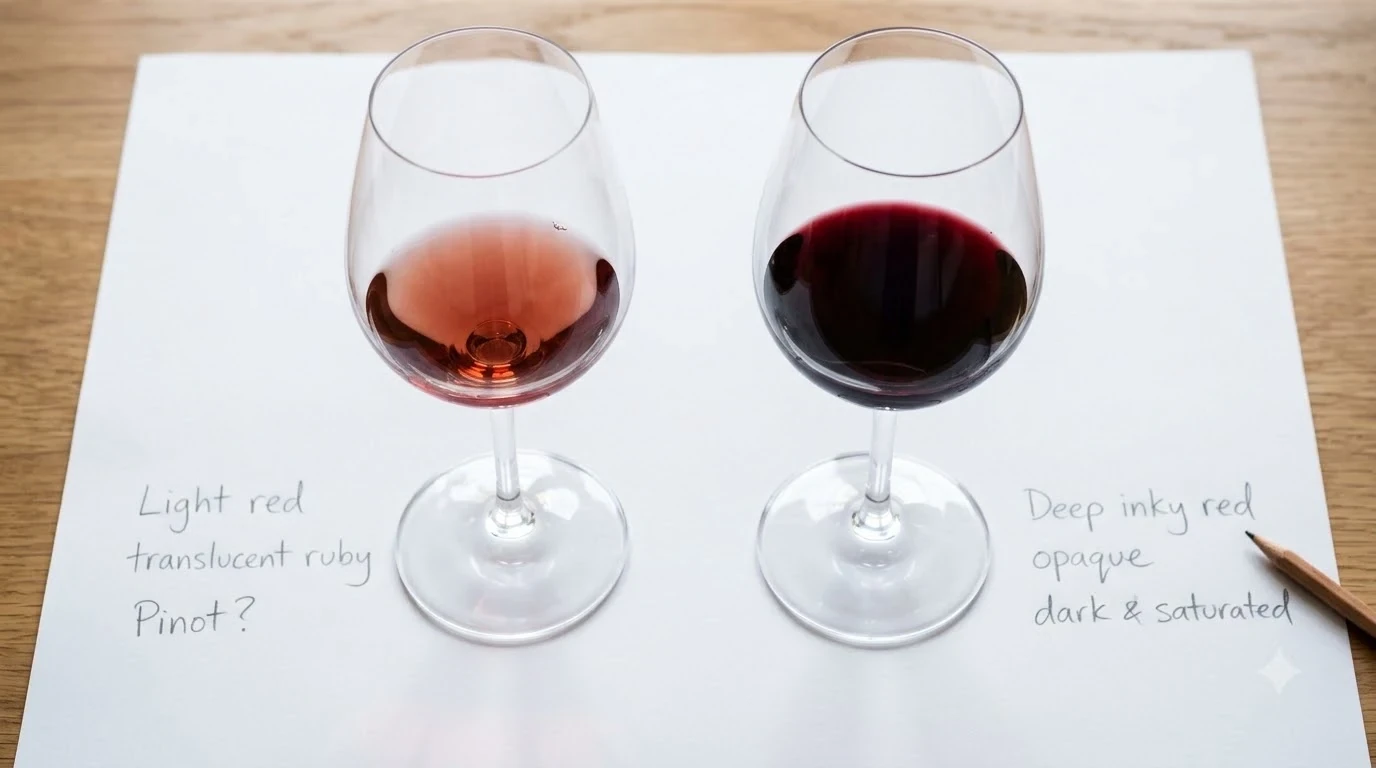

We may earn a commission when you buy through links on this page, at no extra cost to you. Learn more.
Pinot noir with pizza is an excellent pairing, particularly with pepperoni, mushroom, prosciutto, and cheese pizzas. Pinot Noir’s bright acidity balances tomato sauce and melted cheese, while its soft tannins and red-fruit flavors complement salty, savory toppings. Choose a lighter, earthier bottle for mushroom pizza or a fruitier, fuller-bodied style for pepperoni and sausage.
Pizza and red wine are natural companions, but not every red wine works equally well with every slice. Cabernet Sauvignon can bring too much tannin, while powerful, high-alcohol reds may overwhelm delicate toppings. Pinot Noir offers a more flexible alternative, combining refreshing acidity, moderate body, and flavors ranging from fresh cherry to earthy mushroom. The key is matching the wine’s weight and flavor profile to the sauce, cheese, and strongest topping on your pizza.
Why Pinot Noir Works So Well With Pizza
Pinot Noir succeeds with pizza because its acidity refreshes the palate, its relatively low tannin avoids excessive bitterness, and its red-fruit flavors complement familiar Italian ingredients. It has enough character for savory toppings without overwhelming the bread, sauce, and cheese.
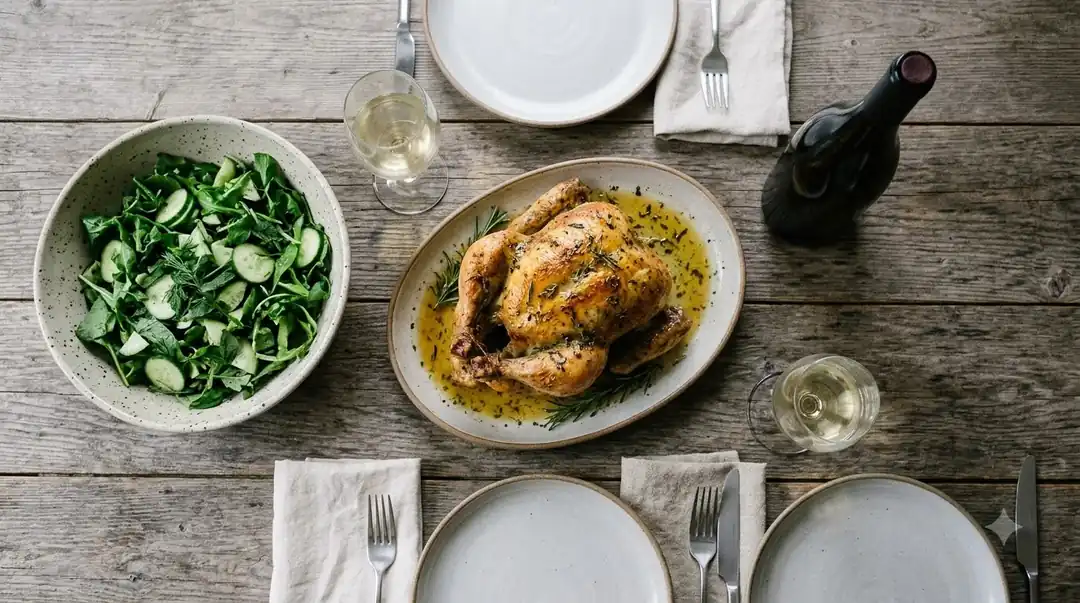
Three elements explain the pairing. First, pizza sauce usually contains tomatoes, which have noticeable acidity. A wine with good natural acidity can meet that freshness rather than tasting flat beside the sauce. Pinot Noir generally has the acidity needed to handle this combination, especially when it comes from a cooler growing region.
Second, melted mozzarella, provolone, and other pizza cheeses contribute fat and salt. Pinot Noir’s acidity cuts through the richness, while the salt in the cheese can soften the perception of tannin. This creates a smoother impression of the wine with each bite. Unlike Cabernet Sauvignon, which has high tannin, Pinot Noir typically has low to medium tannin and a gentler texture.
Third, Pinot Noir brings flavors that already make sense with pizza ingredients. Fresh cherry, raspberry, cranberry, and strawberry complement tomato sauce and cured meats. More developed bottles may show mushroom, dried herbs, forest floor, and subtle spice, which work particularly well with roasted vegetables and earthy toppings.
The wine’s lighter body also matters. A pizza dinner does not always need a powerful red wine, particularly when the crust is thin and the toppings are relatively delicate. Pinot Noir can provide enough flavor without making the meal feel heavy.
Its versatility does have limits. A heavily spiced pizza with generous chili oil can make alcohol and tannin seem hotter. Very rich meat toppings can also overwhelm a particularly delicate bottle. Matching the wine to the dominant ingredient is more reliable than choosing solely by the pizza’s name.
Best Pinot Noir Pairings for Popular Pizza Toppings
Pepperoni, mushrooms, prosciutto, and sausage are among the strongest matches for Pinot Noir. Each topping interacts differently with the wine’s acidity, fruit, and earthy character, so the best bottle depends on the ingredients carrying the most flavor.
Pepperoni pizza: This is one of the easiest and most satisfying combinations. Pepperoni supplies salt, fat, savory meat flavors, and sometimes a little heat. Pinot Noir’s cherry and plum notes complement the cured meat, while its acidity refreshes the palate after bites of melted cheese and tomato sauce. Choose a fruit-forward California Pinot Noir or a fuller Oregon example.
Mushroom pizza: Mushrooms bring an earthy, savory quality that mirrors the secondary flavors found in many Pinot Noirs. Portobello, cremini, shiitake, and wild mushrooms all work well. A Burgundy or Willamette Valley Pinot Noir with red cherry, forest-floor, and mushroom notes is an especially attractive choice.
Prosciutto pizza: Thin slices of prosciutto contribute saltiness and delicate cured-meat flavors. Pinot Noir’s bright fruit provides contrast without overwhelming the meat. Add arugula for peppery freshness or mushrooms for additional savory depth. A lighter, aromatic Pinot Noir is usually preferable to a heavily extracted red.
Sausage pizza: Italian sausage brings more weight and seasoning than prosciutto. A medium-bodied Pinot Noir with ripe cherry and plum flavors can match its richness. Sweet Italian sausage is generally easier to pair than very spicy sausage, since intense chili heat can exaggerate alcohol warmth.
Margherita pizza: Fresh mozzarella, basil, tomato sauce, and a thin crust create a relatively delicate combination. A fresh, high-acid Pinot Noir can work, especially if the tomato sauce is prominent. Choose an elegant, lower-tannin bottle rather than one with pronounced oak or heavy fruit concentration.
Four-cheese pizza: The richness of mozzarella, Parmesan, Gorgonzola, and ricotta requires enough acidity to keep the combination balanced. A fruit-driven Pinot Noir can work with milder cheese combinations, but strong blue cheese may overpower a delicate bottle. Keep the strongest cheese in a supporting role if Pinot Noir is the main wine.
Vegetable pizza: Roasted peppers, zucchini, onions, and eggplant provide sweetness and savory flavors that complement Pinot Noir. Caramelized onions are particularly useful because their natural sweetness softens the transition between fruit-driven wine and savory toppings.
Tip: When choosing Pinot Noir for a pizza with several toppings, identify the strongest flavor first. Pepperoni and sausage call for fruitier wines, while mushrooms and prosciutto favor more delicate, earthy examples.
Matching Pinot Noir With Red Sauce and White Pizza
The sauce influences how Pinot Noir tastes almost as much as the toppings do. Tomato-based pizzas generally suit the wine’s natural acidity, while white pizzas require more attention to cheese richness, herbs, mushrooms, and other savory ingredients.
Traditional red-sauce pizza is a dependable starting point. Tomato sauce contributes acidity and a slightly sweet fruit character, both of which can complement Pinot Noir. A wine with fresh cherry and cranberry flavors creates a natural connection with the sauce, while its acidity helps balance the fat from mozzarella and olive oil.
For a classic Margherita, select a lighter Pinot Noir from Burgundy, Oregon, or another cool-climate region. These wines often emphasize red fruit and freshness rather than concentrated dark fruit. The delicate basil aroma and fresh mozzarella should remain noticeable alongside the wine.
For a meat-heavy red-sauce pizza, choose a somewhat fuller style. Pepperoni, Italian sausage, bacon, and roasted meat toppings create a richer combination that can benefit from a California Pinot Noir with ripe cherry and plum flavors. The wine should still have enough freshness to balance the sauce.

White pizza requires a different approach because it typically replaces tomato sauce with olive oil, garlic, ricotta, mozzarella, Parmesan, or cream-based ingredients. Without tomato acidity, the pairing depends more heavily on the toppings and the richness of the cheese.
Mushroom white pizza is one of the best options for Pinot Noir. The mushrooms contribute earthy flavors that connect with the wine’s savory character, while the cheese provides richness. A Willamette Valley Pinot Noir with moderate oak influence can work particularly well.
Garlic, rosemary, thyme, and caramelized onions also make useful additions. These ingredients provide aromatic and savory complexity without introducing excessive heat. A white pizza with roasted mushrooms, thyme, and mozzarella can be more successful with Pinot Noir than a simple cheese pizza with no additional flavor.
Very rich white pizzas require some care. A thick layer of cream sauce and multiple heavy cheeses can make a light-bodied Pinot Noir seem thin. In that situation, choose a fuller, fruitier style or reduce the amount of cream and cheese to maintain balance.
Choosing the Right Pinot Noir Style and Region
Not all Pinot Noir tastes the same. Burgundy, Oregon, California, and New Zealand produce different expressions of the grape, and those differences can help determine which bottle works best with a particular pizza.
Burgundy, France: Burgundy is the traditional home of Pinot Noir. Many wines from cooler sites emphasize red cherry, cranberry, floral notes, earth, and restrained structure. These characteristics make them particularly suitable for mushroom pizza, prosciutto, Margherita, and pizzas with roasted vegetables.
Willamette Valley, Oregon: Oregon is an excellent place to look for balanced Pinot Noir. Wines from the Willamette Valley often combine raspberry, strawberry, fresh acidity, and earthy notes. Their versatility makes them useful for mushroom, pepperoni, and vegetable pizzas. They can also complement prosciutto and arugula without overwhelming either ingredient.
California: California Pinot Noir covers a broad range of styles. Cooler coastal areas can produce bright, relatively restrained wines, while warmer locations may create wines with more concentrated cherry, plum, and darker fruit. A fruit-forward California Pinot Noir is often a good match for pepperoni, bacon, sausage, and other richly flavored toppings.
New Zealand: Pinot Noir from New Zealand can offer vivid red fruit, dark plum, and sometimes savory or spicy notes. These wines are useful with meat toppings, roasted vegetables, and mushroom pizza. The exact style depends on the growing region and producer.
The following comparison provides a practical starting point when selecting a bottle:
| Wine region | Typical flavor profile | Best pizza match |
|---|---|---|
| Burgundy, France | Cherry, cranberry, earth | Mushroom, Margherita |
| Willamette Valley, Oregon | Raspberry, strawberry, herbs | Prosciutto, mushroom, vegetable |
| California | Ripe cherry, plum, spice | Pepperoni, sausage, bacon |
| New Zealand | Red fruit, plum, savory spice | Meat and roasted vegetable |
These are broad regional tendencies rather than fixed rules. Producer decisions, vintage conditions, vineyard location, and oak aging all affect the final wine. Two bottles from the same region can taste noticeably different.
Alcohol level is another useful consideration. Wine Enthusiast describes typical Pinot Noir as ranging from 12% to 15% ABV, with cooler-climate examples often falling between 12% and 13.5%. For a spicy or heavily topped pizza, a bottle toward the lower end of that range can be more comfortable because alcohol can intensify the perception of chili heat.
For a deeper understanding of the grape’s structure and regional expressions, the Wine Enthusiast Pinot Noir guide explains how climate, acidity, tannin, and winemaking influence the finished wine.
Serving Temperature, Glassware, and Pouring Pinot Noir
Pinot Noir tastes more balanced when served slightly cool, generally around 55–60 F for lighter red styles. Correct temperature helps preserve fresh cherry aromas, keeps alcohol from becoming too prominent, and allows the wine to complement warm pizza without tasting heavy.
A common mistake is serving red wine directly from a warm room. When Pinot Noir becomes too warm, its alcohol can feel more pronounced and its fruit may seem less refreshing. This is particularly noticeable with pepperoni and sausage pizza, where the food already has substantial richness.
For a practical serving routine, place the bottle in the refrigerator for approximately 20–30 minutes before dinner if it has been stored at room temperature. The goal is to cool the wine slightly, not make it cold like a white wine. A bottle that starts around 55–60 F can gradually warm in the glass during the meal.
Glassware also makes a difference. A medium-to-large red wine glass with a rounded bowl gives Pinot Noir room to release its aromas. This is useful for wines with delicate floral, cherry, mushroom, and spice characteristics. Fill each glass with approximately 5 ounces rather than filling it to the rim.
A standard 750 ml bottle provides approximately five 5-ounce servings. That is generally enough for a small pizza dinner shared by two people, especially if other drinks are available. For a larger gathering, calculate the number of bottles according to the number of guests and the length of the meal.
Decanting is not usually essential for young Pinot Noir. However, a young, fuller-bodied bottle can benefit from approximately 30–60 minutes of aeration when its aromas initially seem restrained. Older, delicate Pinot Noir should be handled more gently because extended exposure to air can diminish its aromas.
Storage matters as well. Keep unopened bottles on their sides in a cool, dark location near 55 F, away from temperature fluctuations and direct sunlight. After opening, replace the cork or closure and refrigerate the remaining wine. Most opened still Pinot Noir stays enjoyable for approximately 3–5 days, although its freshest aromas are usually most apparent earlier.
For a casual pizza night, there is no need for elaborate preparation. A slightly chilled bottle, suitable glasses, and a short opportunity for the wine to breathe are usually enough.
Pizza Pairing Mistakes and Better Alternatives
Pinot Noir is versatile, but certain combinations can make it taste less balanced. Excessive chili heat, very strong cheese, unusually rich toppings, and overly delicate wines paired with heavy meat can all create problems.
Choosing a wine that is too delicate: A light, elegant Burgundy can disappear beside a pizza loaded with spicy sausage, bacon, extra cheese, and pepperoni. The food’s intensity overwhelms the wine’s subtle aromas. Choose a fruitier, more concentrated Pinot Noir when the pizza has several strong meat toppings.
Ignoring chili heat: Spicy pepperoni, jalapeños, chili flakes, and hot Italian sausage can increase the perception of alcohol and tannin. A Pinot Noir with moderate alcohol and generous fruit is a safer choice than a particularly powerful red. Reducing the chili oil or fresh hot peppers can also restore balance.
Pairing delicate Pinot Noir with excessive cheese: A pizza covered in several strongly flavored cheeses may overwhelm a light-bodied bottle. Salt and fat can soften tannin, but very pungent cheese can dominate delicate fruit and floral aromas. Use moderate amounts of cheese or choose a fuller Pinot Noir.
Expecting Pinot Noir to match every barbecue topping: Barbecue sauce can contain substantial sweetness, smoke, and spice. Very sweet sauces may make a dry Pinot Noir seem sharper or less fruity. A fruit-forward wine can work with lightly glazed barbecue chicken pizza, but a heavily sweetened sauce may be better with another style of wine.
Serving the wine too warm: Warm Pinot Noir can feel alcoholic and heavy beside rich pizza. Cooling a lighter bottle to approximately 55–60 F helps maintain freshness and makes the pairing more refreshing.
Choosing solely by grape variety: The name Pinot Noir does not guarantee a particular flavor or structure. A cooler-climate Burgundy and a riper California Pinot Noir can behave differently at the table. Consider the wine’s body, fruit concentration, acidity, and alcohol rather than relying on the grape name alone.
These principles also apply to other meals. Pinot Noir can work with poultry, especially in pinot noir with chicken pairings, and its acidity makes it a natural partner for several mushroom-based dishes. The same attention to sauce, richness, and seasoning is useful when exploring pinot noir with pasta or pinot noir with pork.
For more general guidance on balancing acidity, sweetness, salt, fat, and tannin, explore our Grape x Food pairing resource.
Frequently Asked Questions
Does Pinot Noir go with pepperoni pizza?
Yes. Pepperoni is one of the strongest pizza matches for Pinot Noir because its cured-meat character, salt, and fat complement the wine’s red fruit and acidity. A fruit-forward California Pinot Noir is a particularly useful choice for pepperoni with extra mozzarella. The combination also works with pepperoni and roasted red peppers.
Is Pinot Noir good with Margherita pizza?
Yes, particularly when the pizza has fresh tomato sauce, mozzarella, and basil rather than excessive cheese. A lighter Pinot Noir with fresh cherry and cranberry notes complements the tomato while preserving the delicate herbal aromas. A bottle from Burgundy or Oregon is a good starting point.
Should Pinot Noir be chilled before serving with pizza?
Yes. Light-bodied Pinot Noir is best served around 55–60 F, rather than at a warm room temperature. Refrigerating the bottle for approximately 20–30 minutes before serving can help achieve the desired temperature if it has been stored indoors. Fuller styles can be served toward the warmer end of the range.
Can Pinot Noir pair with frozen pizza?
Absolutely. The same topping principles apply whether the pizza is homemade, restaurant-made, or frozen. A frozen pepperoni pizza works with fruit-forward Pinot Noir, while a mushroom or vegetable variety can suit an earthier bottle. The crust’s thickness and amount of cheese also influence the best match.
Can Pinot Noir be paired with pizza that has pineapple?
Yes, although the sweetness of pineapple changes the pairing. A ripe, fruit-forward Pinot Noir is generally preferable to a very delicate, earthy style. Pineapple also adds acidity, so the wine should have enough freshness to keep the combination balanced rather than tasting flat.
Pinot Noir is one of the most versatile red wines for pizza because its bright acidity, soft tannins, and red-fruit character work with a wide range of sauces and toppings. Start with pepperoni, mushrooms, or prosciutto, then choose a regional style that matches the intensity of the ingredients. Serve the wine slightly cool at 55–60 F, and a simple pizza dinner can become a particularly enjoyable food-and-wine pairing.
More in Food & Wine Pairing
 Risotto With White Wine Recipe: Make a Creamy Dinner at HomeUpdated Nov 20, 2026
 Wassail With Wine Recipe for a Festive Spiced Holiday DrinkUpdated Nov 20, 2026
 Spritz Veneziano Recipe: Make a Classic Venetian Aperitivo at HomeUpdated Nov 20, 2026
 Summer Wine Punch Recipe for Easy Homemade EntertainingUpdated Nov 20, 2026
 Bishop Recipe: How to Make a Bright, Citrus-Forward Red Wine CocktailUpdated Nov 20, 2026
 Wine Cupcakes Recipe: Bake Rich Chocolate Cupcakes at HomeUpdated Nov 20, 2026