

We may earn a commission when you buy through links on this page, at no extra cost to you. Learn more.
For anyone asking what is vintage port, it is a sweet, fortified red wine made from grapes harvested in one exceptional year in Portugal’s Douro Valley and bottled young for long bottle aging. Unlike tawny Port, which develops through long wood aging, Vintage Port gains complexity mainly through bottle aging. It is usually full-bodied, deeply colored in youth, rich in dark fruit, and structured by firm tannins.
Vintage Port is one of the most ageworthy styles of fortified wine, but its label can raise practical questions: what makes a year “vintage,” how long should a bottle rest, and why does it need decanting? The answers help you choose a bottle for a milestone dinner, serve it at its best, and understand why a single harvest can produce a wine that changes for decades.
What Vintage Port Means
Vintage Port is a premium category of Portuguese Port made entirely from grapes harvested in one year and approved for the Vintage designation. It is bottled after a relatively short period in wood, generally two to three years after harvest, then spends its long maturation in glass rather than in a barrel.
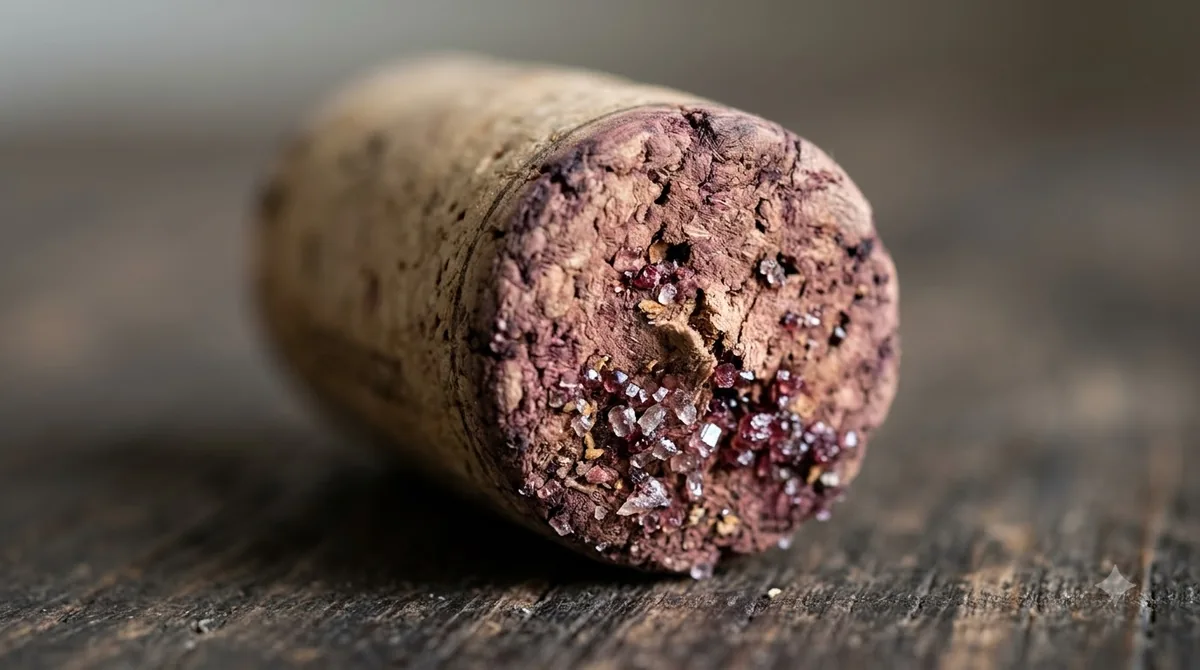
The word “vintage” identifies a regulated category, not merely a harvest date. The Instituto dos Vinhos do Douro e do Porto (IVDP) describes it as a single-harvest wine of exceptional sensory quality; its official category description says Vintage Port is bottled two to three years after harvest and can develop for 10 to 50 years in bottle.
Vintage Port is fortified during fermentation: the winemaker adds neutral grape spirit, commonly called aguardente, before the yeast converts all the grape sugar. Fermentation stops, natural residual sugar remains, and the alcohol level rises; Port commonly reaches around 20% alcohol by volume.
This is not simply “old Port.” A young bottle can be dark, sweet, and tannic; a mature one can show softer structure and savory complexity. Its character changes as fruit, tannin, and aromas evolve.
Douro Valley Grapes and Fortification
Vintage Port comes from the Douro Valley in northern Portugal, where vineyards follow the steep slopes around the Douro River. The region’s three main subregions—Baixo Corgo, Cima Corgo, and Douro Superior—differ in rainfall, warmth, and growing conditions, giving producers a broad range of grapes and vineyard sites to select from.
Port is usually a blend rather than a single-variety wine. Leading red grapes include Touriga Nacional, Touriga Franca, Tinta Roriz, Tinta Cão, and Tinta Barroca. Their roles overlap: they contribute some combination of concentration, fragrance, fruit, color, acidity, tannin, and body. The blend varies by producer and harvest.
After crushing, the grapes ferment until the winemaker adds grape spirit. The spirit stops fermentation while some sugar remains, giving Port its sweet profile and higher alcohol. The grape skins and seeds also contribute tannin, which helps Vintage Port mature in bottle.
Before bottling, the wine spends a relatively short period in large wooden vats or another suitable vessel. The aim is to preserve a concentrated, youthful wine for slow bottle development, rather than create the oxidative, wood-aged character associated with tawny Port.
How Port Houses Select and Declare a Vintage
A harvest does not automatically become a Vintage Port year. Producers assess the grapes and finished wines, select lots, and submit representative samples for official evaluation; one house may declare a vintage while another does not.
Weather matters, but the decision also reflects ripening, picking dates, grape health, and the balance of the finished wines. Concentrated fruit alone is not enough: the wine needs freshness, structure, and aromatic quality to develop over many years. Each Port house decides whether to submit a wine for the Vintage designation, subject to IVDP approval. The certification period falls between January and June of the second year after harvest. One producer may release a Vintage Port from a harvest while another does not, so a year alone does not guarantee identical quality across houses.
“Single Quinta Vintage Port” comes from one harvest and one estate (a quinta). A house Vintage Port may combine selected wines from several estates, while a Single Quinta bottling highlights one property. Some producers release these wines in years when they do not make a general Vintage Port. For buyers, the producer matters as much as the year. A vintage chart offers context, but not a verdict on every house’s wine. Compare the producer, date, and any Single Quinta designation instead of assuming all bottles from one year are interchangeable.
Bottle Aging and Flavor Development
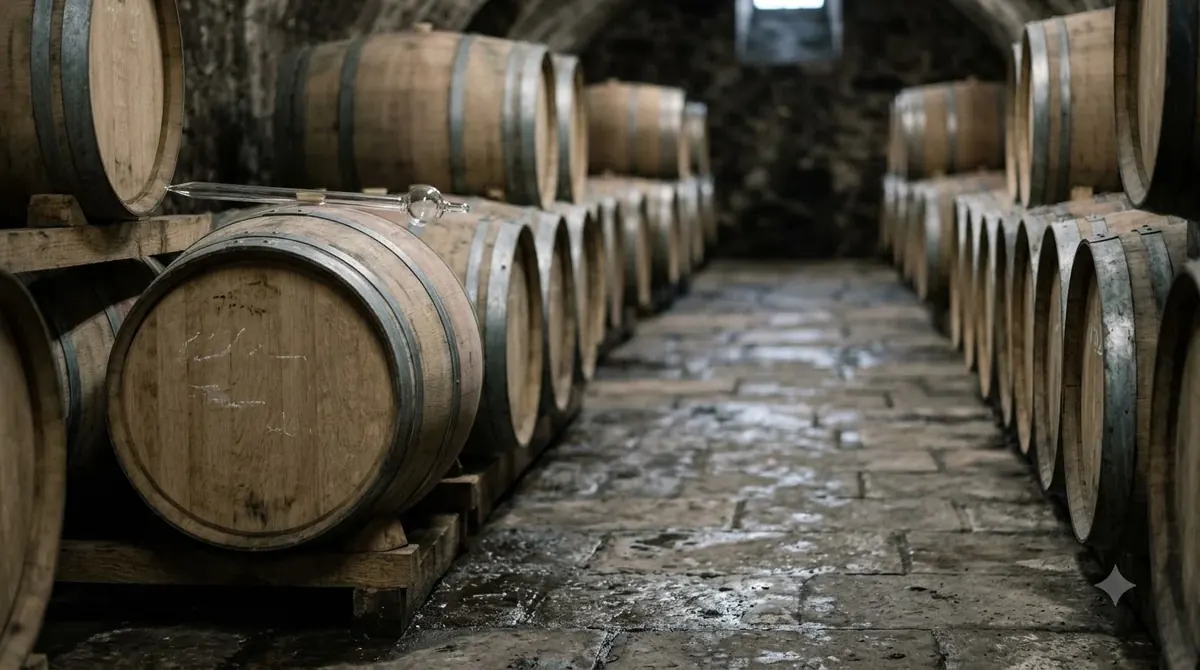
Vintage Port is built for slow bottle maturation: it is bottled young, often still deeply colored and tannic, and changes over years or decades. The IVDP describes a broad development window of 10 to 50 years, although the best drinking moment depends on the producer, harvest, storage, and your preferred balance of fruit and mature character.
In its early years, Vintage Port commonly shows an intense ruby or purple-ruby color, with vivid red and black fruit, wild berries, floral notes, and hints of dark chocolate. The tannins can feel dense and drying, and the sweetness may seem pronounced. With time, the wine’s elements begin to integrate: fruit becomes less overt, tannins soften, and more complex aromas emerge.
The IVDP notes that after roughly 10 years in bottle, Vintage Port can begin to show garnet tones and a light deposit. As the wine matures further, its color moves toward tawny or golden-brown shades, its fruit becomes subtler, and the sediment grows thicker. These are broad stages rather than a calendar that every bottle follows. Some wines remain youthful for a long time, while others reach a more open, harmonious stage sooner. Sediment is a normal result of bottle aging, not a sign of spoilage. Pigments, tannins, and other components settle as the wine matures, forming fine particles or a heavier deposit. This is why Vintage Port is usually decanted, unlike many filtered ruby Ports. Store bottles in a cool, dark place near 55°F, away from sunlight, heat, and vibration. Keep cork-sealed bottles on their sides and avoid sudden temperature swings; stability matters more than making the cellar extremely cold. Use the following comparison to understand how the main Port categories differ in timing and maturation. The figures are typical descriptions, not a promise that every bottle will taste identical.
| Port style | Typical timing before bottling | Main maturation pattern |
|---|---|---|
| Vintage Port | About 2–3 years after harvest | Long bottle aging; often develops for decades |
| Late Bottled Vintage (LBV) | About 4–6 years in wood | Usually released ready to drink; some unfiltered examples can age further |
| Tawny Port | Varies by category | Extended wood aging and gradual oxidation; age labels include 10, 20, 30, and over 40 years |
| Ruby Port | Usually bottled relatively young | Tank or other vessel aging limits oxygen exposure and preserves fresh fruit |
Vintage Port vs. LBV, Ruby, and Tawny
Compare Port styles by their bottling time and main aging vessel. Vintage Port is bottled young for long bottle maturation, LBV stays longer in wood, ruby emphasizes youthful fruit, and tawny develops through wood and oxygen.
Late Bottled Vintage Port, usually shortened to LBV, also comes from a single harvest, but it is aged in wood for four to six years before bottling. The IVDP says most LBVs are ready to drink when purchased, although some continue to develop in bottle. Unfiltered LBV may throw sediment and can need decanting, but many filtered examples are made for immediate drinking. Read what is late bottled vintage port for a closer explanation of the category and its label terms.
Ruby Port generally preserves fresh fruit through aging in stainless steel or concrete. It is approachable on release and rarely needs decades in the cellar; Vintage Port has firmer tannins and a longer bottle-aging trajectory. Tawny Port ages in wooden casks, where oxygen and evaporation move its color toward amber and develop nutty, dried-fruit, caramel, and spice notes. Labels marked 10, 20, 30, or over 40 years describe the character of the blend, not necessarily the exact time every component spent in barrel. Vintage Port, by contrast, is tied to one harvest and bottle evolution.
Choose Vintage Port to cellar, decant, and serve as a focal point; choose LBV for a single-year Port often ready now, ruby for fresh dark fruit, or tawny for cask-developed nutty complexity. Explore the broader Wine by Type overview if you want to compare Port with other fortified and still wine categories.
Serving, Decanting, and Storing Vintage Port
Serve Vintage Port slightly below room temperature, around 60–64°F, and plan to decant it because mature bottles usually contain sediment. A measured approach matters: the goal is to separate the wine from its deposit and let its aromas open, not to expose a fragile old bottle to air for longer than it can handle.
Stand the bottle upright so sediment settles. Premium Port Wines suggests 10 to 15 minutes for bottles younger than 40 years and up to 30 minutes for older ones. Open carefully because old corks can be brittle, and avoid shaking the bottle. Pour slowly into a clean decanter, using a light behind the neck to watch for sediment. Stop when the deposit reaches the neck and leave the cloudy final portion in the bottle. A funnel lined with clean muslin can catch stray particles.
Decanting time depends on age and condition. Producer guidance suggests two to three hours for bottles under 40 years old and 30 to 60 minutes for older wines, but treat this as a starting point. Decanter’s tasting analysis found that a young 2011 example lost fruit after four hours, while a mature 1980 bottle handled longer aeration better. Very old Port can fade quickly, so open it closer to serving.
Tip: Decant for clarity first, then judge the aroma in the glass. Pour a small taste when the wine enters the decanter and another shortly before serving; if the older wine is already expressive, do not leave it exposed to air for extra hours just because a younger bottle might benefit.
Use a clean Port glass or tulip-shaped wine glass that gathers aromas. Aim for 60–64°F; too cold can mute the nose, while temperatures near 68°F or above can emphasize alcohol. A 2-ounce pour suits many guests because Vintage Port is sweet and commonly close to 20% alcohol. See the guide to vintage port serving temperature. Once opened, Vintage Port is best enjoyed promptly. A useful target is one to two days, with older bottles often most expressive on the day they are opened. Keep any remainder tightly closed in the refrigerator and bring it back toward serving temperature before pouring. Do not expect an open bottle to hold its character for the same length of time as an oxidative tawny Port.
Food Pairings and Occasion Planning
Vintage Port pairs well with equally sweet desserts or salty, savory foods that balance its concentration. Dark chocolate and blue cheese are classics; a delicate older bottle may be best served alone.
Pair a young, full-bodied Port with dark chocolate, truffles, flourless chocolate cake, or a black-fruit dessert. The wine should be at least as sweet as the dish; a very sugary pudding can make it taste thin or bitter. Concentrated cocoa or fruit usually works better than sweet frosting. Stilton, Gorgonzola, and Roquefort offer salt and savory intensity that can soften the perception of Port’s tannin and sweetness. Serve small portions with plain crackers, walnuts, or dried figs, and avoid sweet accompaniments that overpower the wine.
Older Port often needs less food: subtle fruit and layered aromas can be covered by a strongly flavored dish. A few unsalted nuts or mild cheese may be enough, and serving it alone after dinner is also appropriate. Vintage Port suits birthdays, anniversaries, and milestone years. Young wine brings firm tannin and lively fruit; mature wine offers softer texture and developed aromas. Consider producer notes and bottle condition, not just a date. For ideas, see vintage port food pairing.
Frequently Asked Questions
These quick answers cover common label and buying questions that remain after you understand the main style, aging process, and service method.
Is Vintage Port made from one grape variety?
No. It is made from one harvest year, not necessarily one grape variety. More than 80 grape varieties can be used for Port, although an individual Vintage blend uses only a selection from that wider group.
Does every Port producer declare the same vintage?
No. A producer may decide that its wines from a particular harvest meet its standard while another house chooses not to make a general Vintage Port. The IVDP tasting chamber requires a minimum qualitative classification of Exceptional, equivalent to 9 out of 10, for the Vintage designation.
Can Vintage Port be stored after it is purchased?
Yes, provided the bottle is sound. Many Vintage Ports use a driven cork rather than a T-cap, and that closure is intended for extended bottle aging; store the bottle on its side in a stable, cool, dark place. A compromised cork or uncertain storage history can shorten its useful life.
Do all Port styles need decanting?
No. Aged tawny Port generally has no sediment and does not need decanting for deposit removal, while Crusted Port forms a deposit and normally should be decanted. Some unfiltered LBVs can also throw sediment.
Does Vintage Port need a special glass?
Vintage Port does not require a tiny cordial glass. Premium Port Wines recommends an 8- to 10-ounce white-wine glass or a traditional Port glass, both of which leave room to swirl and gather aromas. Clean glassware matters because lingering odors can mask the wine’s fragrance.
Vintage Port is a single-harvest wine designed for long bottle aging, not simply a sweeter version of everyday ruby Port. Choose a producer and year that suit your plans, store the bottle steadily, and decant with care so its fruit, structure, and mature character can show clearly.
More in Wine Types & Grapes
 Zinfandel Sugar Content: Dry Red vs. White Zinfandel GramsUpdated Nov 21, 2026
 Best Zinfandel Substitute Options for Sipping and CookingUpdated Nov 21, 2026
 Zweigelt Food Pairing: Best Dishes, Cheeses, and Serving TipsUpdated Nov 21, 2026
 Zinfandel Tannins Explained: How Structure Shapes Every BottleUpdated Nov 21, 2026
 Zinfandel Sweetness Level: Dry Red vs. Sweet White Zin ExplainedUpdated Nov 21, 2026
 Xinomavro Food Pairing: Best Dishes, Styles, and Serving TipsUpdated Nov 21, 2026