

We may earn a commission when you buy through links on this page, at no extra cost to you. Learn more.
Kirkland champagne is a bottle sold under Costco’s Kirkland Signature private label, and the name “Champagne” properly applies only to sparkling wine from the Champagne region of France. Wine Folly describes Champagne as a dry, light-bodied wine with high acidity, usually a blend of Chardonnay, Pinot Noir and Pinot Meunier, and best served cold in a flute. The brand name tells you where it was bought, but the bottle’s back label is what tells you where it was made.
Shoppers who pick up a Kirkland champagne often want to know two things: whether it is real Champagne, and whether it is worth opening for a celebration. This guide answers both questions in plain terms, covers the Kirkland Signature label, explains what Champagne tastes like, and shows how to serve it and what to eat with it.
What the Kirkland Signature label means
Kirkland Signature is Costco’s private label brand. According to the Kirkland Signature entry on Wikipedia, it launched in 1995, and the name comes from the original location of Costco’s corporate headquarters in Kirkland, Washington. The label covers a wide range of products, and its wine section is one of the most visible parts of the store.
Because the label belongs to a retailer, the bottle does not reveal much about a single winery on its own. The producer, the region, and the vintage are printed on the label or back label, and those details matter more than the brand name. If you want a consistent style from one producer, check that information each time you buy, since a retailer can change its sourcing from one year to the next.
What makes Champagne different
Champagne is a specific sparkling wine from the Champagne region of France. In most markets the name is legally limited to wine from that area, which is why a bottle labeled “Champagne” always has a clear origin. Other sparkling wines, including many good Prosecco, Cava and American sparkling wines, are made in other regions and styles.
Wine Folly describes Champagne as a blend of grapes including Chardonnay, Pinot Noir and Pinot Meunier. The taste is dry, with a light body and high acidity, which gives it a crisp, clean feel on the palate. The most treasured Champagne wines are often aged for at least three years, according to the same source, which is part of why older bottles can taste richer and more complex.
That combination of crisp acidity and fine bubbles is what separates Champagne from a simpler sparkler. If you are comparing a Kirkland bottle with a cheaper sparkling wine, look for the region on the label before deciding whether the difference matters for your occasion.
Another label detail worth reading is whether the bottle is a non-vintage blend or a vintage wine. A non-vintage Champagne blends wines from several years to keep the house style consistent, which is the usual choice for everyday bottles. A vintage Champagne uses grapes from a single harvest and is generally made only in years the producer considers strong. Vintage bottles are usually more expensive and may need more time to show their full character, but they can be a good choice when you want to serve something special.
The style words on the label also matter. Terms such as brut, extra brut and demi-sec describe how much sugar was added before the bottle was sealed. A drier style tends to taste crisp and savory, while a sweeter one is softer and fruitier. Reading these words before you buy helps you match the bottle to the occasion, whether that is a dinner, a wedding toast, or a quiet evening at home.
How to serve Kirkland champagne
Champagne is served cold, but not ice cold. Wine Folly gives a serving range of 38 to 45 degrees Fahrenheit, or 3 to 7 degrees Celsius. That range keeps the bubbles lively and the acidity crisp. A bottle that is too warm will taste flat and sweet, while one that is too cold can hide the fruit.
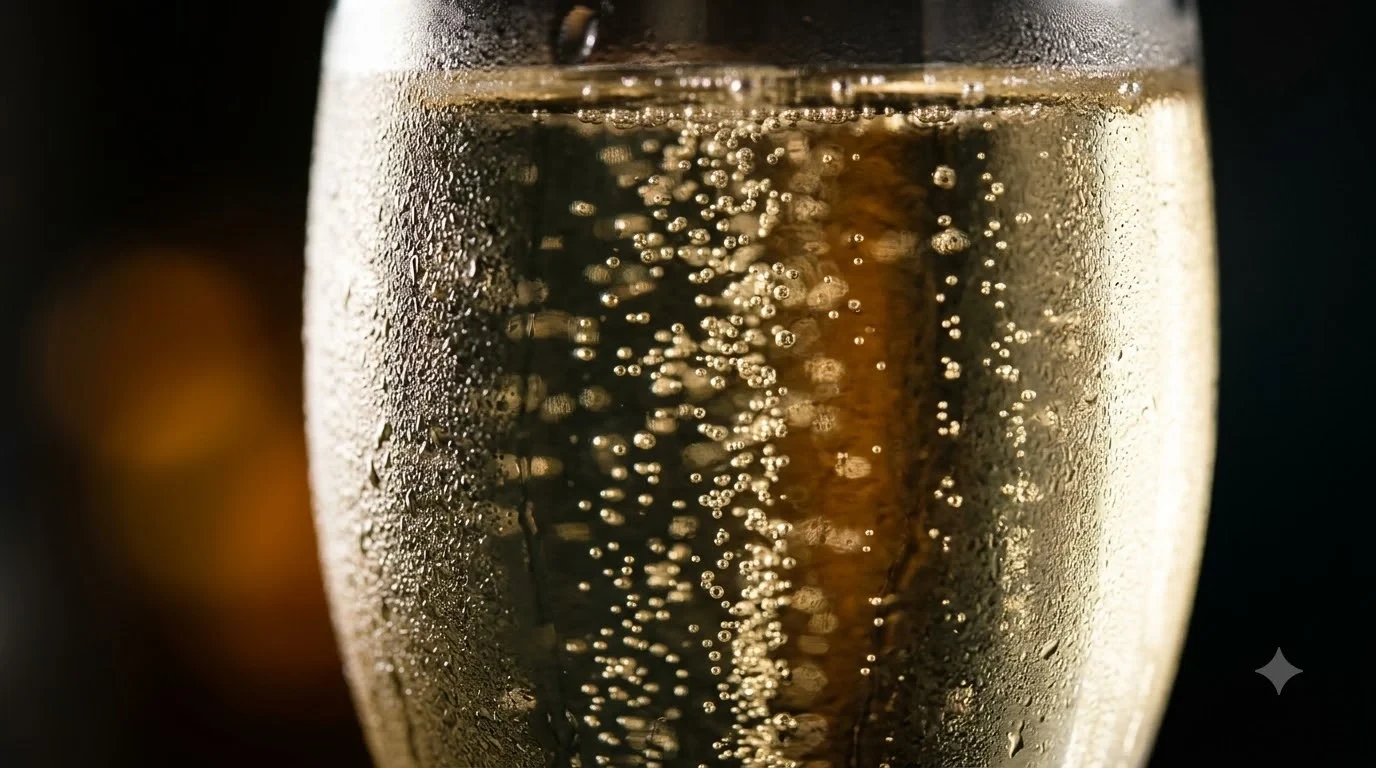
The classic glass is the flute, which Wine Folly recommends for Champagne because it keeps the bubbles rising in a narrow column. Wider glasses let the wine open and show more aroma, so some drinkers prefer a tulip-shaped glass for a quieter, more aromatic pour. Either choice works for a casual toast.
| Serving factor | What to aim for |
|---|---|
| Temperature | 38 to 45 degrees F (3 to 7 degrees C) |
| Glass | Flute for bubbles, tulip glass for aroma |
| Opening | Remove the foil and wire cage slowly, keeping a firm grip on the cork |
| Storage after opening | Keep chilled and use a stopper; the fizz fades with time |
| Typical style | Dry, light-bodied, high acidity |
Tip: Chill the bottle well ahead of a party in the refrigerator. If you are short on time, an ice-water bath works faster. Avoid the freezer, since a forgotten bottle can burst.
Food pairing for Champagne
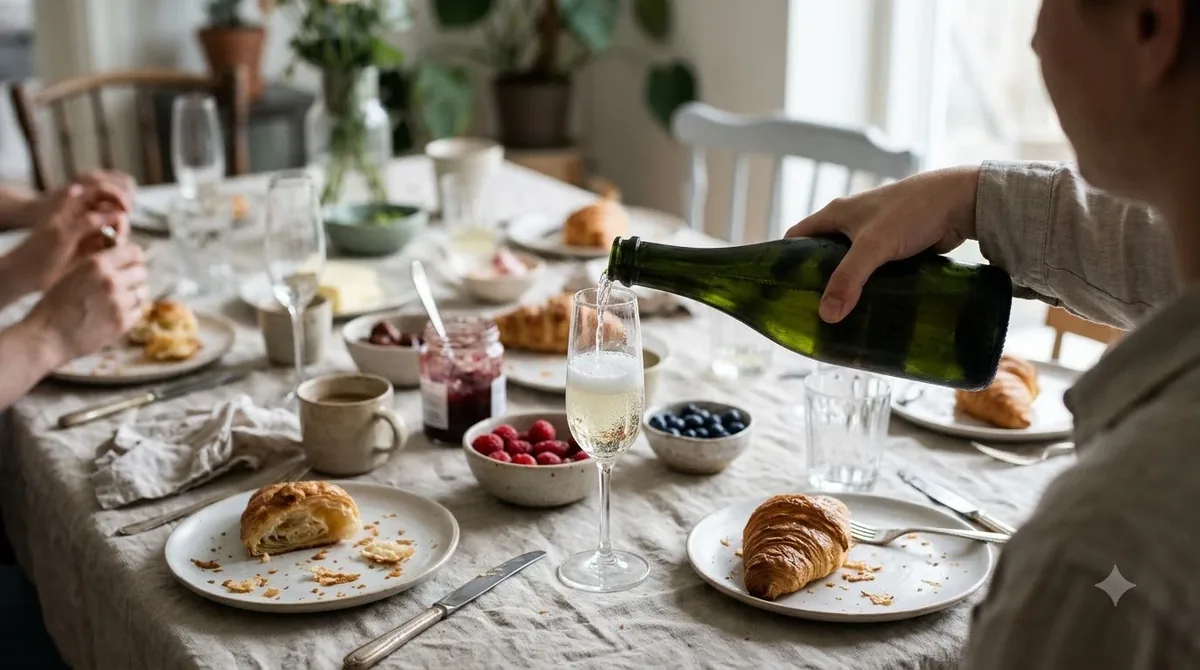
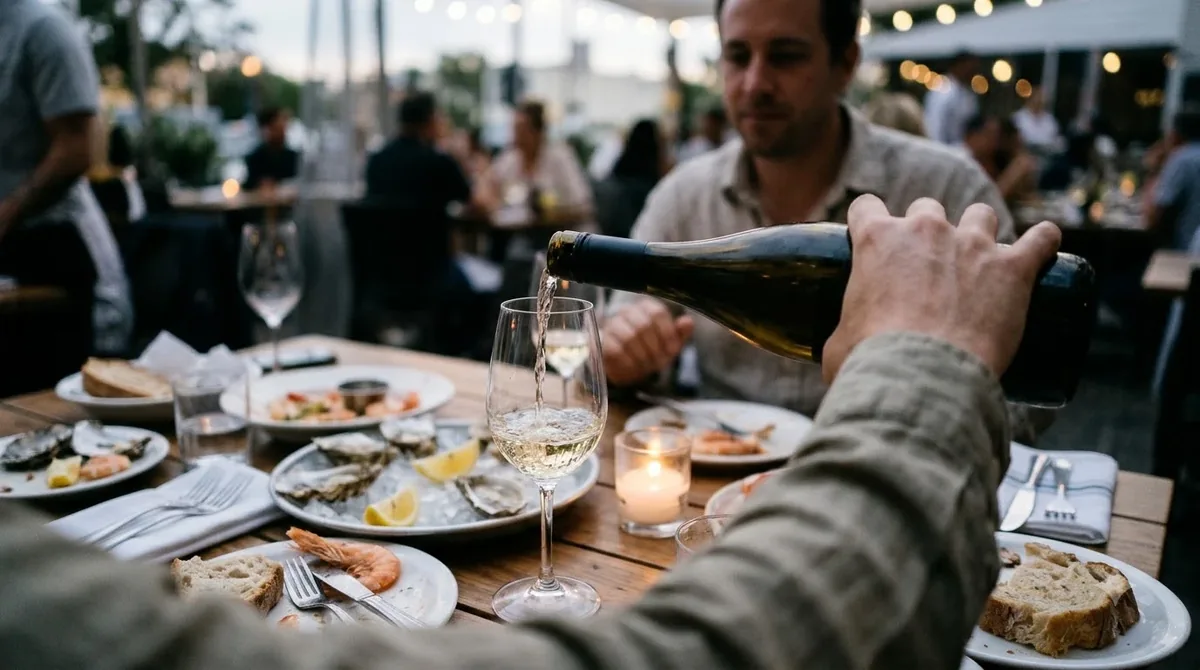
Champagne is one of the most flexible wines at the table. Its acidity cuts through fat, and its bubbles refresh the palate between bites. That makes it a good match for fried foods, salty snacks, oysters, and creamy cheeses. It also works with lighter dishes such as roasted chicken, grilled fish, and fresh salads with a vinaigrette.
For a celebration menu, start with a simple appetizer such as smoked salmon on toast or a plate of cheese and nuts, then move to a main with a little richness. Heavy red meat is usually better matched with a red wine, but a dry Champagne can hold up to roast pork or a rich poultry dish.
Choosing a bottle
When you look at a Kirkland champagne on the shelf, check the label for three things: the words “Champagne” with a region mention, the producer name, and the style or sweetness level. A dry or brut style is the most common choice for a food-friendly bottle, while sweeter styles suit dessert.
It also helps to compare the bottle with other sparkling wines from the same retailer. Readers who want a sparkling option from the same label often compare the Kirkland Signature Prosecco, which is a different sparkling style from Champagne. For a wider view of the category, the Wine Brands guide explains how different producers and labels compare on style.
If you want a point of comparison for a different style of wine, the Pedernales wine and Spottswoode wine pages show how other brands approach structure and fruit. For sparkling wine, though, the most useful comparison is between regions and styles rather than between brands.
For more detail on Champagne’s grapes and styles, Wine Folly has a full Champagne guide that covers the region, the production method, and how to taste it.
Frequently Asked Questions
Is Kirkland champagne real Champagne?
Only if the bottle comes from the Champagne region of France. The label should say so. Kirkland Signature is a retail brand, so check the producer and region on the back label to confirm where the wine was made.
How cold should I serve it?
Wine Folly gives 38 to 45 degrees Fahrenheit (3 to 7 degrees Celsius) for Champagne. Chill the bottle in the refrigerator for a few hours before serving or in ice water for a shorter time.
Which glass is best for Champagne?
A flute keeps the bubbles lively and is the classic choice, according to Wine Folly. A tulip-shaped glass shows more aroma and is a good alternative if you want to taste the wine’s complexity.
What food goes with Champagne?
Champagne pairs well with fried foods, oysters, creamy cheeses, and salty snacks because its acidity and bubbles cut through richness. Roasted chicken and grilled fish are good main-course matches.
A Kirkland champagne can be a practical choice for a celebration, as long as you check the label for the region, the producer, and the style. Serve it cold in a flute or tulip glass, and pair it with food that has a little fat or salt. For a sparkling wine with a different style, compare it with the Kirkland Signature Prosecco or browse the Wine Brands guide.
More in Wine Brands
 Underwood Wine Price: Compare Bottles, Cans, and Pack SizesUpdated Nov 21, 2026
 Zenato Wine Price: Compare Styles and Choose the Right BottleUpdated Nov 21, 2026
 Zuccardi Wine Price: Compare Bottles and Find the Right RangeUpdated Nov 21, 2026
 Yellow Tail Moscato Review: Taste, Sweetness and Serving TipsUpdated Nov 21, 2026
 Wolf Blass Yellow Label Review: Choose Your Best StyleUpdated Nov 21, 2026
 Wolffer Estate Rose Review: Choose the Right Bottle for Your TableUpdated Nov 21, 2026