

We may earn a commission when you buy through links on this page, at no extra cost to you. Learn more.
What does cava taste like? Cava typically tastes crisp, refreshing, and lightly fruity, with flavors of green apple, pear, lemon, and citrus peel, followed by subtle floral, yeasty, or toasted bread notes. This Spanish sparkling wine usually has lively bubbles, noticeable freshness, and a dry finish, particularly in Brut bottlings. Longer-aged examples develop richer flavors of almonds, roasted nuts, brioche, and ripe fruit, while rosé Cava can introduce strawberry and raspberry notes.
Cava offers an appealing combination of fresh fruit, refreshing acidity, and the savory complexity associated with bottle-fermented sparkling wine. It comes primarily from Catalonia, Spain, and shares its production method with Champagne, although its traditional Spanish grapes give it a distinctive personality. Whether you enjoy a light aperitif, seafood, or a celebratory glass of sparkling wine, understanding Cava’s flavors, sweetness levels, and aging styles makes choosing a bottle much easier.
What Does Cava Taste Like on the First Sip?
Cava generally tastes dry, bright, and refreshing, with green apple, pear, lemon, and subtle floral flavors. Its bubbles create a lively sensation across the tongue, while moderate acidity keeps the wine fresh without making every sip aggressively tart.

The first impression of a young white Cava is often fresh fruit. Green apple and pear are particularly common, sometimes accompanied by lemon zest, lime, or grapefruit. Depending on the grapes and production choices, you might also notice white flowers, acacia, fennel, or a gentle aniseed character. These flavors give Cava a recognizable Mediterranean freshness.
The bubbles are an important part of its flavor experience. Cava is made through a traditional bottle-fermentation process, which produces carbon dioxide inside the sealed bottle. The resulting bubbles provide an energetic texture and help carry aromatic compounds toward your nose. A well-made bottle can feel lively without seeming aggressively fizzy.
Beyond the fruit, Cava often has a subtle savory character. You might notice fresh bread, yeast, biscuit, or a faint almond-like impression. These characteristics become more apparent in wines that spend longer aging on their lees, the spent yeast cells remaining in contact with the wine after fermentation.
The finish is generally clean and refreshing. Dry examples may leave a faint citrus-peel bitterness or a delicate mineral impression. The fruit does not usually dominate the finish because acidity and bubbles help maintain balance.
One useful distinction is that fruity does not automatically mean sweet. A Brut Cava can smell strongly of ripe pear or apple while tasting distinctly dry. Its fruit aromas come from the grapes and winemaking process, whereas its sweetness depends largely on the wine’s residual sugar.
The official Cava organization describes its youngest category as light, fruity, and citrus-driven, with green apple, pear, white flowers, and aniseed among its characteristic aromas. You can explore these official tasting characteristics in the D.O. Cava description of Cava de Guarda.
Fruit, Citrus, Yeast, and Nutty Flavor Notes
Cava’s flavor profile can be divided into four main groups: fresh fruit, citrus, floral or herbal aromas, and yeast-derived flavors. The balance depends on grape varieties, bottle aging, and the winemaker’s approach.
Fresh fruit: Green apple and pear are common in younger Cava, particularly wines built around traditional Spanish grapes. Some bottles show quince, white peach, or slightly riper orchard-fruit characteristics. These flavors make the wine approachable and provide a pleasant contrast to its bubbles.
Citrus: Lemon, lime, grapefruit, and citrus peel contribute freshness. A wine with pronounced citrus character can seem especially refreshing because its fruit profile works alongside its acidity. Some examples also have a subtle pithy or bitter edge on the finish.
Floral and herbal notes: White flowers, acacia, fennel, and aniseed can appear in the aroma. These characteristics are usually delicate rather than perfumed. They add another layer to the fruit without making the wine taste like an aromatic dessert wine.
Yeast and toasted notes: Bread dough, biscuit, brioche, almond, and roasted nuts become more noticeable as Cava spends additional time aging on its lees. This process is particularly important because Cava’s traditional production method gives yeast an opportunity to contribute flavors beyond those supplied by the grapes.
These flavor groups do not necessarily appear together in equal proportions. A young bottle may emphasize lemon and green apple, while an older Reserva might show more almond, pastry, and baked fruit. The differences are substantial enough that two bottles of Cava can offer noticeably different experiences despite sharing the same regional designation.
How to recognize the flavors in your glass
Start by smelling the wine before taking a sip. Look for fresh fruit first, then see whether you notice flowers, citrus peel, or bread-like aromas. Take a small sip and pay attention to the bubbles, acidity, and finish.
For example, a wine that begins with green apple and lemon but finishes with a faint biscuit note has both fresh-fruit and yeast-derived characteristics. If almond and roasted nuts dominate instead, you may be drinking a more mature style.
Temperature also changes what you notice. Very cold Cava can seem more restrained, with the bubbles and freshness taking priority. Allowing the wine to warm slightly in the glass can reveal additional fruit and savory aromas.
How Cava Grapes Shape Its Flavor
Traditional white Cava is built primarily around Macabeo, Xarel·lo, and Parellada. Each grape contributes a different element, helping create a sparkling wine with freshness, fruit, structure, and balance.
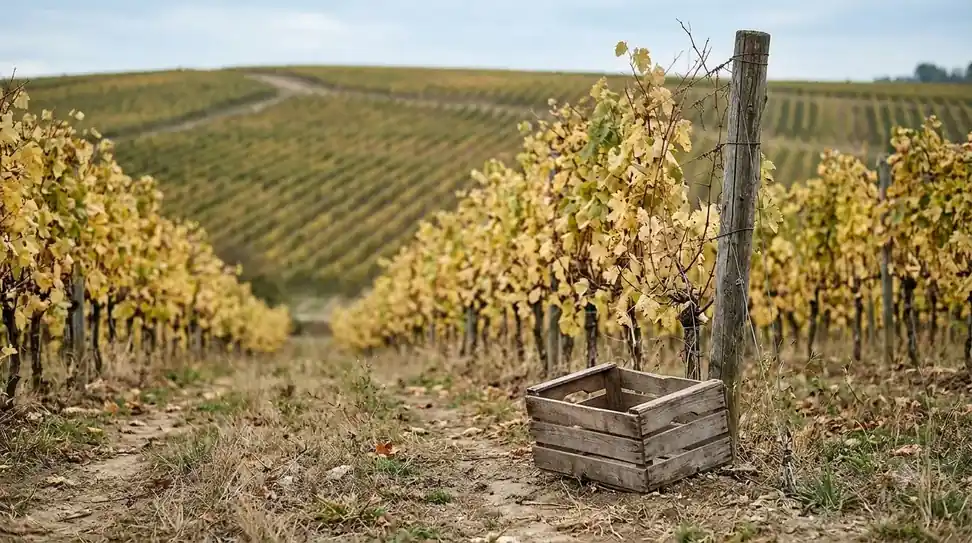
Macabeo, also known as Viura, contributes floral and citrus characteristics. It can provide attractive apple and lemon aromas, helping give the finished wine its fresh, approachable personality. In a blend, Macabeo often supplies part of the aromatic fruit character that makes young Cava easy to recognize.
Xarel·lo contributes structure, flavor intensity, and acidity. It is an important grape in the traditional Cava blend because it can give the wine greater depth and a more substantial palate. Its character can include earthy, herbal, or slightly savory impressions alongside fruit.
Parellada contributes lightness and crispness. It can help produce a more delicate, elegant profile, balancing the broader structure of Xarel·lo and the aromatic character of Macabeo.
Other permitted varieties also influence the finished wine. Chardonnay can contribute additional fruit and acidity, while Pinot Noir is another permitted option. These grapes can create a somewhat different fruit profile from the traditional Spanish varieties.
Rosé Cava uses permitted red grapes, including Garnacha, Monastrell, Trepat, and Pinot Noir. Depending on the blend and winemaking method, its flavors can include strawberry, raspberry, red cherry, and other red-fruit notes. The wine may retain the refreshing citrus and bubbles associated with white Cava while introducing a more pronounced berry character.
The combination of grapes explains why Cava is not one fixed flavor profile. A predominantly Macabeo-based wine may emphasize flowers and citrus, while a blend with substantial Xarel·lo can have more structure and savory depth.
For a useful comparison, consider what does Chenin Blanc taste like. Chenin Blanc can also show apple, pear, and citrus, but it is a still wine in many familiar styles and does not have the same traditional-method bubbles or yeast-derived sparkling-wine texture.
How Aging Changes Cava’s Taste
Cava becomes more complex as it spends longer aging in the bottle. Younger examples tend to emphasize fresh fruit and citrus, while longer-aged wines develop more pronounced bread, biscuit, almond, roasted nut, and ripe-fruit characteristics.
All traditional Cava undergoes a second fermentation in the bottle. During this stage, yeast converts added sugar into alcohol and carbon dioxide. Because the bottle is sealed, the carbon dioxide dissolves into the wine and creates its characteristic bubbles.
After fermentation, the wine can remain in contact with spent yeast cells, a process called lees aging. As the yeast breaks down, it contributes additional aromas and textures. Wine professionals call this process autolysis, and it is responsible for many of the doughy, bready, and nutty notes associated with traditional-method sparkling wine.
| Cava category | Minimum aging | Typical flavor direction |
|---|---|---|
| Cava de Guarda | 9 months | Fresh apple, pear, citrus, and flowers |
| Cava Reserva | 18 months | Riper fruit, biscuit, and subtle toasted notes |
| Cava Gran Reserva | 30 months | Roasted nuts, brioche, and greater complexity |
| Cava de Paraje Calificado | 36 months | Complex fruit, toasted nuts, and creamy texture |
These are minimum aging thresholds for the respective categories. The higher categories are not simply sweeter or more powerful. Their distinguishing feature is additional maturation, which allows more complex aromas and textures to develop.
A young Cava de Guarda is a good choice if you prefer refreshing fruit and energetic bubbles. A Reserva offers a middle ground between freshness and savory complexity. Gran Reserva and Paraje Calificado examples are particularly interesting if you enjoy the taste of toasted bread, nuts, and mature sparkling wine.
The Spanish government’s official tourism information also distinguishes these aging categories, explaining how longer maturation produces increasingly complex and aromatic wines. The differences are useful when selecting a bottle because they indicate the general direction of its flavor profile before you open it.
Tip: If you want Cava with pronounced apple and citrus flavors, begin with Cava de Guarda. If you prefer brioche, almond, and toasted bread, look for Reserva or Gran Reserva. Aging category is a helpful starting point, although individual producers can create different styles within the same classification.
Is Cava Sweet or Dry?
Most familiar Cava is dry, particularly Brut, although the designation includes several sweetness categories. The amount of residual sugar determines how sweet the wine tastes, so two bottles with similar fruit aromas can have very different levels of sweetness.
Brut is a common style and offers a balance of fresh fruit, lively bubbles, and a dry finish. Brut Nature is even drier, making it a good option if you prefer sparkling wine with very little residual sugar. At the other end of the spectrum, Semi Seco and Dulce are sweeter styles.
The official Cava sweetness classifications are based on grams of sugar per liter:
| Sweetness category | Residual sugar per liter | General taste |
|---|---|---|
| Brut Nature | 0-3 g/L | Very dry |
| Extra Brut | 0-6 g/L | Very dry |
| Brut | Maximum 12 g/L | Dry |
| Extra Seco | 12-17 g/L | Off-dry to lightly sweet |
| Seco | 17-32 g/L | Noticeably sweet |
| Semi Seco | 32-50 g/L | Sweet |
| Dulce | More than 50 g/L | Very sweet |
These categories help explain why Cava can suit different preferences. Someone who enjoys very dry sparkling wine might choose Brut Nature, while someone who likes a slightly softer, fruitier finish may prefer Extra Seco or Seco.
It is also useful to distinguish sweetness from fruitiness. A Brut Nature Cava can have recognizable pear and peach aromas without tasting sweet. The aromas describe what your nose detects, while residual sugar contributes to the wine’s actual sweetness.
Sweetness becomes particularly important when pairing Cava with food. A dry Brut can work well with salty appetizers, seafood, and fried dishes, while sweeter versions are generally better suited to desserts. The wine should not taste noticeably less sweet than the dessert, or it can seem thin and sharp by comparison.
For a broader understanding of how wine styles differ, explore Wine by Type, which provides a useful starting point for comparing sparkling, white, red, rosé, and dessert wines.
What Foods Pair Best With Cava?
Cava pairs especially well with seafood, salty appetizers, fried foods, tapas, and light Mediterranean dishes. Its bubbles refresh the palate, while its acidity provides a useful counterpoint to rich or oily textures.
Seafood: Shrimp, oysters, mussels, scallops, and grilled white fish are natural partners. A dry Cava complements the delicate flavors of seafood without overwhelming them. Green apple and lemon notes also work particularly well with seafood dishes that include citrus or fresh herbs.
Fried foods: The bubbles and acidity of Cava can help refresh your palate after fried calamari, croquettes, tempura, or fried chicken. The contrast between crisp food and sparkling wine creates an enjoyable texture combination. Brut is particularly useful here because its dryness balances the richness of the food.
Cheese: Manchego, young goat cheese, and other moderately salty cheeses can pair nicely with Cava. The saltiness softens the perception of acidity, while the wine’s bubbles help cut through creamy textures. More mature Cava can also complement aged cheeses with nutty characteristics.
Tapas and appetizers: Spanish tortilla, olives, almonds, jamón, patatas bravas, and small seafood dishes all make good companions. The diversity of tapas makes Cava particularly practical because it can work with several different ingredients at the same meal.
Vegetarian dishes: Grilled vegetables, asparagus, mushroom croquettes, salads, and vegetable-based canapés can complement Cava’s fresh fruit and savory notes. Dishes with lemon dressing or fresh herbs are especially suitable for brighter, younger styles.
Desserts: Sweeter Cava styles can accompany fruit tarts, almond cakes, pastries, and desserts with fresh berries. Brut Nature and Brut are generally better suited to savory food than very sweet desserts because their dryness can make sweet dishes seem more sugary.
For more substantial meals, choose the style according to the dominant ingredient. A light seafood dish generally suits a younger Cava, while richer preparations and nutty cheeses can work with longer-aged bottles.
There is one useful pairing principle to remember: food and wine should have compatible sweetness and acidity. Acidic dishes need a wine with equal or greater acidity, while salt and fat can soften the perception of acidity. This is one reason dry sparkling wine works so well with salty appetizers and fried tapas.
Cava can also be an interesting alternative to still wine with dishes that traditionally use red wine. However, it is not automatically a substitute for every red-wine pairing. For example, a dish built around rich red meat and pronounced tannin may call for a different wine style. If you enjoy exploring Italian reds, what does Corvina taste like offers another perspective on fruit, acidity, and food-friendly wine structure.
How to Serve Cava for the Best Flavor
Serve Cava well chilled, ideally around 45-50°F for a refreshing experience. Use a tulip-shaped sparkling wine glass when possible, because it helps preserve the bubbles while allowing the aromas to develop.
Temperature has a direct effect on how Cava tastes. A colder bottle emphasizes freshness and carbonation, making the wine seem crisp and energetic. As it warms slightly, more subtle aromas of apple, pear, flowers, and yeast become noticeable.
The D.O. Cava organization recommends a serving temperature of 7-8°C for Cava de Guarda, approximately 45-46°F. This falls within the cooler end of the general sparkling-wine serving range and works particularly well for young, fruit-driven bottles.
Glassware matters, too. A narrow flute can preserve bubbles but may limit how easily you detect the wine’s aromas. A tulip-shaped glass provides a wider bowl and a narrower opening, offering a useful balance between aroma concentration and bubble retention.
When opening a bottle, remove the foil and loosen the wire cage while keeping a hand over the cork. Hold the bottle at an angle of approximately 45 degrees, then rotate the bottle slowly rather than twisting the cork forcefully. The cork should release with a controlled sigh rather than a loud pop.
Pour gently into the glass to avoid excessive foam. A standard wine serving is 5 ounces, and a 750-milliliter bottle provides approximately five standard glasses. Smaller pours are useful when serving several appetizers or tasting multiple Cava styles.
After opening, preserve the remaining wine with a sparkling-wine stopper and keep the bottle refrigerated. Cava generally retains its best sparkling character for around one to three days after opening, although the exact result depends on the wine and how effectively it is sealed.
For food-centered occasions, consider the difference between Cava and other Spanish wine styles. Cava is sparkling and refreshing, whereas a mulled wine is generally warmer, sweeter, and flavored with spices. Understanding what does mulled wine taste like makes the contrast between these two very different drinking experiences clear.
Frequently Asked Questions
Does Cava taste like Champagne?
Cava and Champagne share the traditional method of bottle fermentation, so both can develop bread, biscuit, and yeast-derived aromas. However, their regional climates and permitted grape varieties create different expressions. Cava commonly emphasizes Mediterranean fruit and approachable freshness, while Champagne can show a more pronounced combination of citrus, orchard fruit, and mineral or savory complexity.
Does Cava have a strong alcohol taste?
Cava generally has a moderate alcohol level rather than a pronounced spirit-like taste. Its carbonation, acidity, and fruit aromas help create a fresh overall impression. Alcohol concentration and the perception of warmth can vary between individual bottles and producers.
Can Cava taste creamy?
Yes. Longer-aged Cava can develop a creamy or rounded mouthfeel through extended contact with spent yeast cells. This texture can accompany aromas of brioche, almonds, and toasted bread. Creaminess does not necessarily mean that the wine contains noticeable sweetness.
What color is Cava supposed to be?
White Cava typically ranges from pale yellow to straw yellow, sometimes with greenish highlights. Rosé Cava can range from pale salmon to deeper pink depending on its grape varieties and production choices. The color alone does not establish the wine’s sweetness or quality.
Does Cava improve after opening?
No. Cava is generally best enjoyed while its bubbles remain lively and its aromas are fresh. Exposure to air gradually reduces carbonation and changes its aromatic profile. A sparkling-wine stopper and refrigeration help preserve the remaining wine, but extended storage after opening will not make it more complex.
Cava is a versatile Spanish sparkling wine that combines green apple, pear, citrus, floral aromas, and lively bubbles with the possibility of deeper toasted and nutty flavors from extended aging. Choose a young Brut for refreshing fruit and a longer-aged Reserva or Gran Reserva for greater savory complexity. Once you understand its grape varieties, sweetness classifications, and aging styles, finding a Cava that matches your palate and meal becomes much easier.
More in Wine Types & Grapes
 Zinfandel Sugar Content: Dry Red vs. White Zinfandel GramsUpdated Nov 21, 2026
 Best Zinfandel Substitute Options for Sipping and CookingUpdated Nov 21, 2026
 Zweigelt Food Pairing: Best Dishes, Cheeses, and Serving TipsUpdated Nov 21, 2026
 Zinfandel Tannins Explained: How Structure Shapes Every BottleUpdated Nov 21, 2026
 Zinfandel Sweetness Level: Dry Red vs. Sweet White Zin ExplainedUpdated Nov 21, 2026
 Xinomavro Food Pairing: Best Dishes, Styles, and Serving TipsUpdated Nov 21, 2026