

We may earn a commission when you buy through links on this page, at no extra cost to you. Learn more.
To understand how to serve sweet red wine properly, chill lighter or sparkling bottles to 45–55°F and pour fuller-bodied or fortified styles slightly cool at 55–65°F. Serving sweet reds colder than dry red table wines keeps residual sugar crisp and balanced rather than syrupy. Use a stemmed universal or white wine glass for chilled styles, pour standard 5-ounce servings (or 2 to 3 ounces for fortified bottles), and hold the glass by the stem so your hand does not warm the pour.
Many people default to room temperature for anything dark in the bottle, yet modern American homes usually sit in the high 60s or low 70s—far too warm for wines carrying noticeable sugar. When sweet red wine gets too warm, its fruit turns heavy, its acidity flattens out, and any alcohol feels sharp on the finish. Getting the chill, stemware, and pour right transforms an overly jammy glass into something lively, aromatic, and effortless to drink.
Ideal Serving Temperatures by Sweet Red Style
Sweet red wine is not a single category, so the exact target temperature depends on carbonation, body, and alcohol level. Light, fizzy bottles need a brisk refrigerator chill, while richer still or fortified reds shine just below cellar temperature.
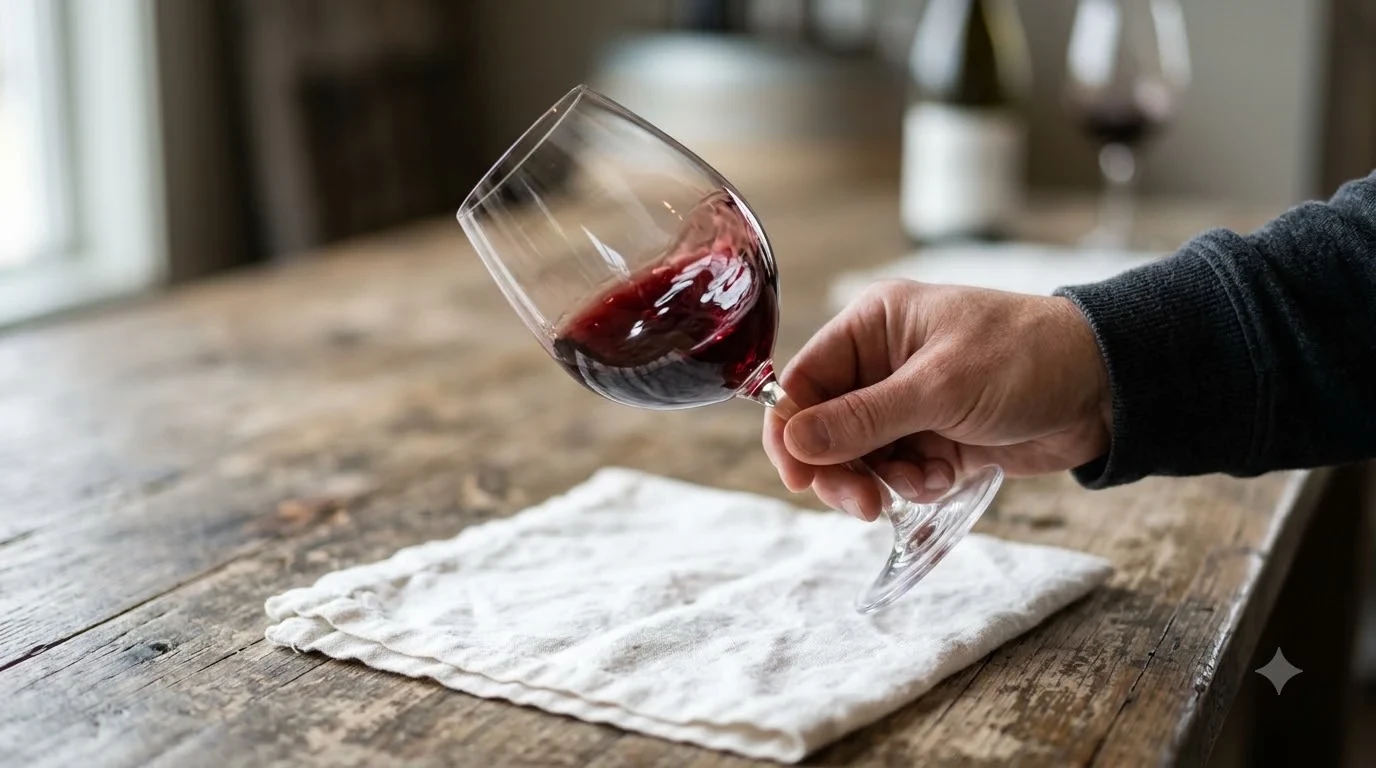
The biggest mistake hosts make is treating a sweet red like a dry Cabernet Sauvignon. Because sugar amplifies the perception of weight on the palate, warmth makes sweet wines taste cloying and sluggish. According to Wine Folly’s serving temperature guide, cooler temperatures rein in volatile alcohol aromas and keep bright berry flavors focused, whereas pouring above 70°F pushes ethanol forward and dulls freshness.
Fizzy styles like Brachetto d’Acqui and sweet Lambrusco belong at the coldest end of the red spectrum, right around 45–50°F. That brisk chill keeps their bubbles tight and fine rather than foamy while giving their natural acidity enough snap to balance the sugar. Still semi-sweet reds—such as sweet Concord, Dornfelder, or fruit-forward red blends—taste best between 50–55°F, where juicy cherry and raspberry notes stay refreshing without going numb.
Fortified sweet reds sit in their own lane because higher alcohol changes how temperature interacts with sweetness. Tawny Port shows its nutty, caramel layers best at 55–60°F, while richer Ruby Port and Late Bottled Vintage styles perform well at 60–65°F. If you are comparing styles across the broader spectrum of Wine by Type, remember that higher sugar and higher bubbles always call for a colder starting point.
| Sweet Red Wine Style | Target Temp | Fridge Chill Time (from 72°F) | Recommended Glassware | Standard Pour |
|---|---|---|---|---|
| Sparkling Sweet Reds (Brachetto d’Acqui, Dolce Lambrusco) | 45–50°F | 1.5 to 2 hours | White wine or universal stemmed glass | 5 oz |
| Light Semi-Sweet Still Reds (Sweet Red Blends, Concord, Dornfelder) | 50–55°F | 45 to 60 minutes | Universal or Chianti-style glass | 5 oz |
| Medium-Bodied Off-Dry Reds (Sweet Grenache, Recioto styles) | 55–60°F | 30 to 45 minutes | Universal or Pinot Noir glass | 5 oz |
| Fortified Sweet Reds (Tawny Port, Ruby Port, Banyuls) | 55–65°F | 20 to 30 minutes | Small-bowled Port or dessert glass | 2–3 oz |
How to Chill Sweet Red Wine Quickly and Safely
Starting from a 72°F kitchen counter, most sweet red bottles need 45 minutes to two hours in a standard refrigerator to hit their sweet spot. If guests arrive early, an ice-and-water bath drops the temperature in a fraction of the time without risking frozen wine.
Standard kitchen refrigerators typically run between 35°F and 38°F for food safety, which is colder than even the briskest sparkling red needs. Leaving a bottle on the top shelf overnight will mute its floral aromatics and flatten its fruit on the palate. If a bottle has been refrigerated all day, pull it out 10 to 15 minutes before uncorking so the aromas wake up in the glass.
When you are short on time, submerge the bottle up to its neck in a bucket filled with equal parts ice and cold water. Water conducts heat away from glass much faster than cold air, bringing a room-temperature bottle down to 50°F in about 15 to 20 minutes. Adding a small handful of kosher salt lowers the freezing point of the water bath and shaves a few more minutes off the wait.
Never stash a sparkling sweet red in the freezer and walk away. Pressurized bottles can pop their corks or crack if forgotten, and even still sweet reds lose brightness if slush forms inside. Setting a phone timer whenever a bottle enters the fridge or ice bucket saves you from serving an ice-cold, flavorless pour.
Tip: When in doubt, pour sweet red wine slightly colder than you think it needs—it will warm by roughly 2°F every few minutes in your glass, letting you taste how the aromatics open up.
Choosing the Right Glassware and Pour Size
Skip oversized Bordeaux bowls and narrow Champagne flutes when pouring sweet red wine. A medium-sized stemmed universal or white wine glass concentrates bright fruit aromas while preserving carbonation and keeping the pour cool.
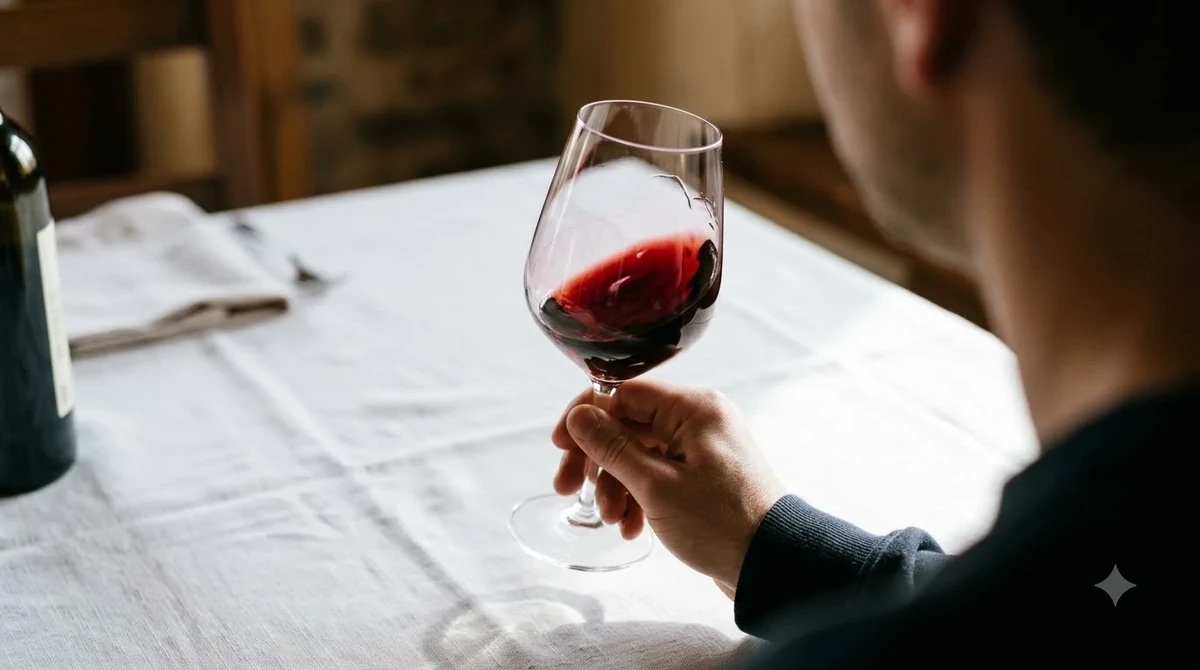
Glass geometry steers liquid to specific parts of your palate and controls how fast aromas escape. Reviewers at Wine Enthusiast point out that a slightly tapered or flared rim directs sweet, fruit-forward wines cleanly onto the palate while keeping fresh acidity front and center. For sparkling reds like Lambrusco or Brachetto, a white wine glass beats a narrow flute because the wider bowl traps delicate violet and strawberry aromatics that flutes pinch off.
Portion size matters just as much as bowl shape. A standard 750-milliliter bottle holds slightly over 25 ounces, which divides neatly into five 5-ounce pours for table-strength sweet reds. Filling the bowl only about a third full leaves enough headspace to swirl the wine and collect its bouquet without spilling.
Fortified sweet reds like Port, Maury, or Banyuls pack roughly twice the alcohol of a light frizzante red, so pour them in smaller 2- to 3-ounce servings. Using a short-stemmed dessert glass with a narrower opening softens alcohol heat on the nose and keeps the concentrated sweetness from overwhelming your palate. Always hold any stemmed glass by the stem rather than cupping the bowl, since body heat transfers quickly through thin crystal.
Decanting, Aerating, and Pouring Order
Most sweet red wines are meant to be opened, chilled, and poured immediately without decanting. Only aged vintage fortified reds need air or careful decanting off natural sediment before hitting the table.
Decanting a sparkling or frizzante sweet red is counterproductive because pouring into a wide vessel knocks out the fine carbonation that keeps the wine lively. Light, fruity semi-sweet reds also rely on fresh primary fruit rather than complex tertiary layers, so simply swirling the wine gently in your glass gives it all the oxygen it needs. Uncork sparkling bottles slowly at a 45-degree angle with a towel over the cork to keep the chill intact and prevent foam-over.
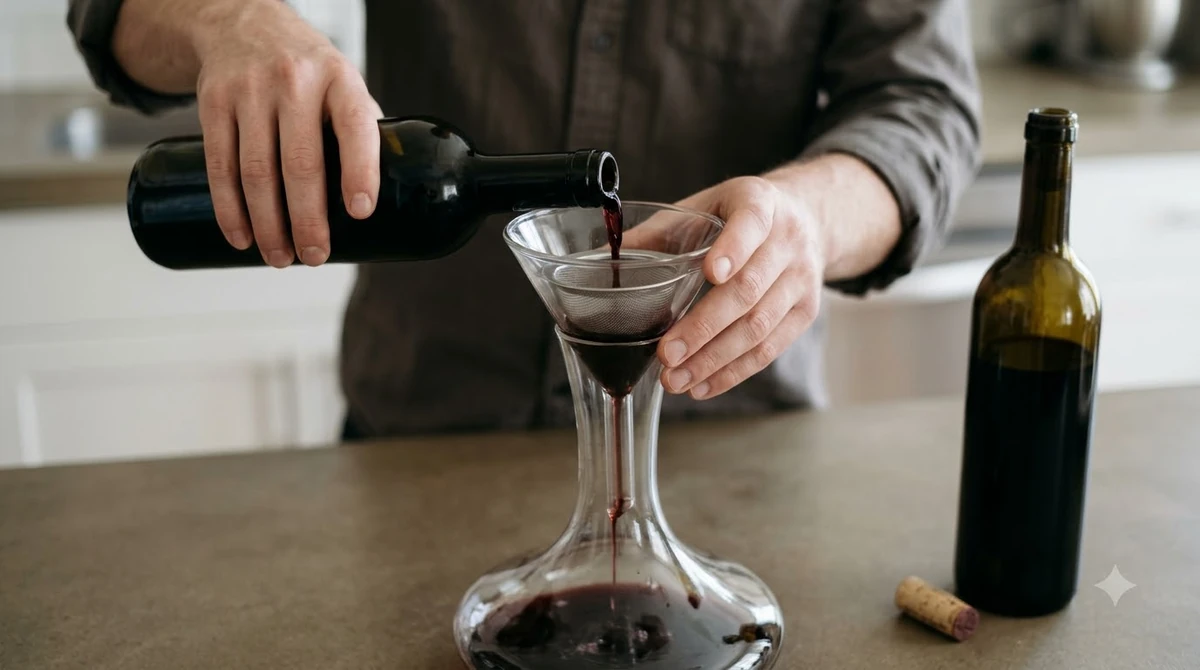
The main exception is older Vintage Port or aged Tawny styles that throw fine sediment over years in the bottle. Stand those bottles upright for several hours before serving, then pour slowly into a decanter against a light source until sediment reaches the neck. Giving a young Vintage Port 60 to 90 minutes of air also softens its grip and rounds out dark berry and spice notes.
If you are serving multiple bottles during a dinner party, always place sweet reds after dry whites and dry reds. Pouring a dry wine immediately after a sweet red makes the dry bottle taste tart, thin, and bitter by comparison. Just as you follow specific temperature rules when learning how to serve pinot grigio or how to serve pinot gris before moving into heavier courses, saving sweet reds for spicy mains, cheese boards, or dessert keeps every pour tasting balanced.
Storing Leftover Sweet Red Wine
Recorked sweet red wine belongs in the refrigerator immediately after pouring, regardless of whether it is sparkling, still, or fortified. Cold temperatures slow oxidation and keep residual sugar from turning stale or jammy overnight.
Still semi-sweet red wines stay fresh in the fridge for three to five days when sealed tightly with their original cork or a silicone stopper. Standing the bottle upright minimizes the surface area exposed to oxygen inside the glass. Before pouring a leftover glass the next evening, let it sit on the counter for 10 minutes so it warms back into the 50–55°F range.
Sparkling sweet reds lose their fizz faster than still bottles, usually holding decent effervescence for one to two days in the refrigerator. Use a hinged Champagne or sparkling wine sealer rather than jamming a regular cork back into the neck, since trapped pressure can push a standard cork right out. Fortified sweet reds last far longer because their higher alcohol and sugar act as natural preservatives—Ruby and Tawny Ports stay vibrant in the fridge for three to four weeks after opening.
Frequently Asked Questions
Should you put ice cubes in sweet red wine?
Drop an ice cube into a casual glass of sweet red wine only if the bottle is warm and you want an immediate chill on a hot afternoon. Melting ice gradually dilutes the fruit concentration and lowers acidity, so chilling the bottle in the fridge or using frozen grapes is a cleaner option when you want full flavor.
Can you serve sweet red wine at room temperature?
Modern room temperature around 70°F is too warm for almost every sweet red wine. Warmth makes residual sugar taste heavy and syrupy while pushing alcohol forward on the nose, so 30 to 60 minutes in the refrigerator before pouring dramatically improves balance.
Do you need a special glass for sweet red wine?
You do not need specialty stemware to enjoy sweet red wine at home. A standard stemmed universal or white wine glass works across sparkling, semi-sweet, and medium-bodied styles, while any small glass handles 2- to 3-ounce pours of fortified Port.
How long does an opened bottle of sweet red wine last?
Stored upright and tightly sealed in the refrigerator, still sweet red wine keeps well for three to five days. Sparkling sweet reds stay lively for one to two days with a proper sparkling stopper, while fortified sweet reds like Port hold their flavor for up to a month.
Serving sweet red wine well comes down to treating it closer to a crisp white or rosé than a heavy dry red. Give the bottle enough time in the fridge to sharpen its acidity, reach for a stemmed medium-bowled glass, and keep pours modest so every sip stays bright from first pour to last. If you are tracking nutrition alongside portion sizes, check our breakdown of calories in sweet red wine before planning your next gathering.
More in Wine Types & Grapes
 Zinfandel Sugar Content: Dry Red vs. White Zinfandel GramsUpdated Nov 21, 2026
 Best Zinfandel Substitute Options for Sipping and CookingUpdated Nov 21, 2026
 Zweigelt Food Pairing: Best Dishes, Cheeses, and Serving TipsUpdated Nov 21, 2026
 Zinfandel Tannins Explained: How Structure Shapes Every BottleUpdated Nov 21, 2026
 Zinfandel Sweetness Level: Dry Red vs. Sweet White Zin ExplainedUpdated Nov 21, 2026
 Xinomavro Food Pairing: Best Dishes, Styles, and Serving TipsUpdated Nov 21, 2026