

We may earn a commission when you buy through links on this page, at no extra cost to you. Learn more.
The answer to “is brut champagne sweet or dry” is dry: Brut Champagne contains less than 12 grams of sugar per liter. It can taste crisp and lean or rounded and gently fruity, depending on its dosage, acidity, and blend. Brut is the most familiar Champagne sweetness label, but it is not the driest option; Brut Nature and Extra Brut contain less sugar.
The word “Brut” appears on a huge range of Champagne bottles, from lively aperitif wines to bottles with enough texture for a full dinner. Understanding the label is easier once you separate sweetness from the other parts of flavor. The number on the sweetness scale tells you about sugar, while grape varieties, acidity, time on the lees, and serving temperature shape the rest of the experience.
What Brut Means on a Champagne Label
A Champagne labeled Brut contains less than 12 grams of sugar per liter, and dosage is the final sweetness adjustment made before corking. That makes Brut a dry style, although it is not the lowest-sugar category available. The designation tells you about the wine’s sugar level rather than its grape variety, color, age, or prestige.
The word comes from French and is commonly translated as “dry” or “raw.” In the context of sparkling wine, it is a technical sweetness term, not a promise that the wine will taste austere or sharp. Champagne has naturally lively acidity, and that freshness can make a small amount of sugar seem less noticeable. A Brut bottling near the lower end of its permitted range may taste very crisp, while one closer to the upper limit can feel rounder without becoming a sweet dessert wine.
Brut is also the most common Champagne sweetness designation. The Comité Champagne describes Brut as containing less than 12 grams per liter, while Wine Enthusiast reports that more than 90 percent of Champagne falls into this category. That popularity explains why the term is often treated as shorthand for a standard Champagne style, even though individual houses and cuvées can differ in flavor and texture.
It helps to keep two label questions separate. “Champagne” identifies sparkling wine from the Champagne region of northeastern France; “Brut” describes its sweetness category. A bottle can therefore be Brut whether it is a white blend, a Blanc de Blancs, a Blanc de Noirs, or a rosé. For a wider look at the sweetness language used on Champagne labels, see our explanation of is champagne sweet or dry.
How Dosage Shapes the Finished Wine
Dosage is added after the yeast sediment is removed and before the bottle is corked, and it helps determine the final sweetness. The Comité Champagne says a Brut bottle may receive approximately 1 centiliter of dosage mixture for a 75-centiliter bottle. The precise amount and composition depend on the style the producer wants to achieve.
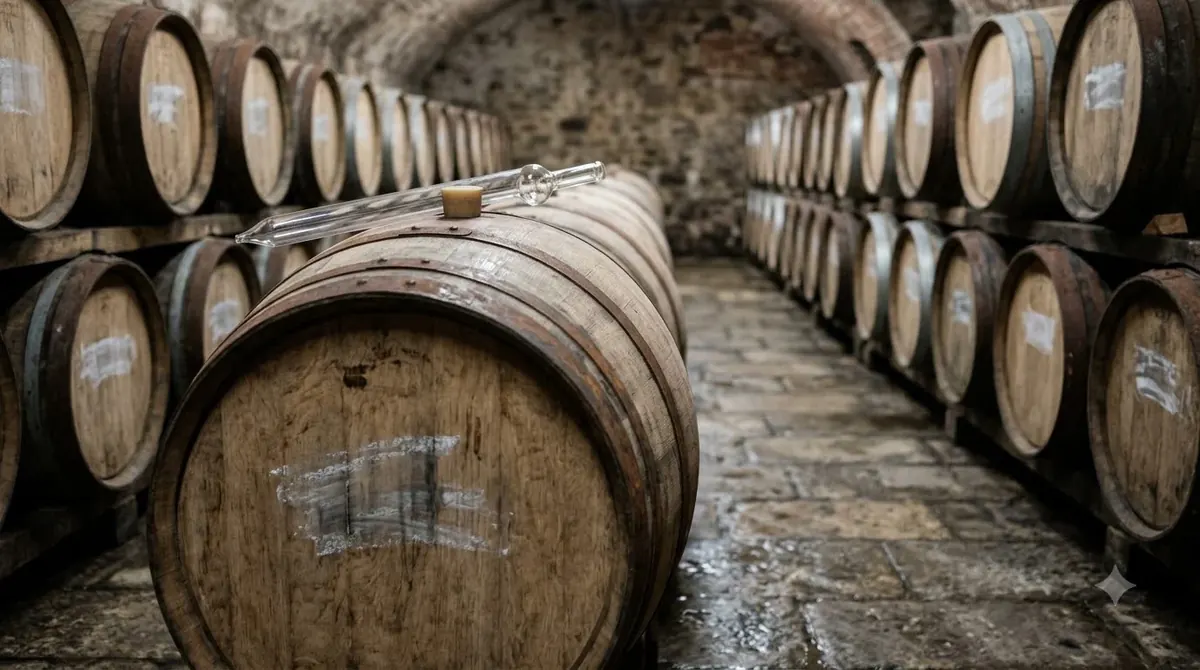
During traditional-method sparkling winemaking, a wine completes a second fermentation in the bottle. Yeast cells then settle as lees, which are gathered in the neck and removed during disgorgement. Removing them leaves a small space in the bottle. The producer tops up that space with a mixture known as liqueur d’expédition or dosage, usually made from wine and sugar, and then seals the bottle with its final cork and wire cage.
That small addition can make a meaningful sensory difference. Sugar does not simply make a wine taste sweet; it can soften the impression of sharp acidity and add roundness to the finish. Champagne’s naturally lively acidity gives dosage a balancing role: very little can leave a wine taut and direct, while a higher amount may make it feel broader and softer. Decanter notes that some producers keep dosage close to a house level across vintages, while others adjust it to suit each harvest; even a change of one gram per liter, or half a gram, can affect balance.
The sugar category does not tell the whole story of the finished wine. Natural sugar left after fermentation contributes alongside dosage, so a wine with no added sugar can still contain a small amount of natural residual sugar. “No dosage” describes a winemaking choice, while the sweetness label describes the sugar level in the bottle. For a closer explanation of the finishing step, the Comité Champagne outlines how dosage is added before a Champagne bottle is corked; it is a measured wine-and-sugar adjustment, not table sugar stirred into a glass.
How Brut Compares With Other Champagne Sweetness Levels
Champagne uses seven main sweetness designations, ranging from Brut Nature at the driest end to Doux at the sweetest. Brut sits near the dry end of the scale at less than 12 grams per liter, while Demi-Sec and Doux contain substantially more sugar. Reading these names in order makes the deliberately counterintuitive term “Extra Dry” easier to understand.
| Label term | Sugar level | General impression |
|---|---|---|
| Brut Nature | Less than 3 g/L; no dosage added | Bone-dry and very crisp |
| Extra Brut | 0–6 g/L | Very dry, with a lean finish |
| Brut | Less than 12 g/L | Dry; can range from taut to rounded |
| Extra Dry | 12–17 g/L | Noticeably softer than Brut |
| Sec | 17–32 g/L | Medium-sweet |
| Demi-Sec | 32–50 g/L | Sweet, suited to richer pairings |
| Doux | More than 50 g/L | The sweetest Champagne category |
These figures are expressed as grams of sugar per liter of finished wine. The category limits overlap at the dry end: Brut is a broad designation with an upper limit below 12 g/L, while Extra Brut and Brut Nature identify tighter, lower-sugar styles. The figures should be read as the limits for each label term, not as seven equally spaced points on a single flavor scale.
One common source of confusion is Extra Dry. Despite its name, Extra Dry is sweeter than Brut, with 12 to 17 grams per liter. Sec is sweeter again at 17 to 32 grams per liter, followed by Demi-Sec at 32 to 50 grams per liter. Doux, with more than 50 grams per liter, is the sweetest designation and is much more dessert-like than a standard Brut.
Brut Nature and Extra Brut are useful choices for drinkers who prefer a very dry finish. Brut is a flexible middle ground: dry enough for savory food, yet often rounded enough to feel approachable. If you are comparing sparkling wines beyond Champagne, the sweetness terms can differ by region and category; the same label language is not a guarantee that every sparkling wine is made in the same way. Our guide to is moscato sweet or dry explains a very different sweetness profile in a still and sparkling-friendly grape style.
What Brut Champagne Tastes Like
Brut Champagne generally tastes dry, fresh, and lively, with acidity providing much of its shape. Chardonnay, Pinot Noir, and Meunier are the principal grapes most drinkers encounter in Champagne blends, and their proportions influence body and aromatic character. The dosage level then adjusts how firm or rounded the wine feels on the palate.
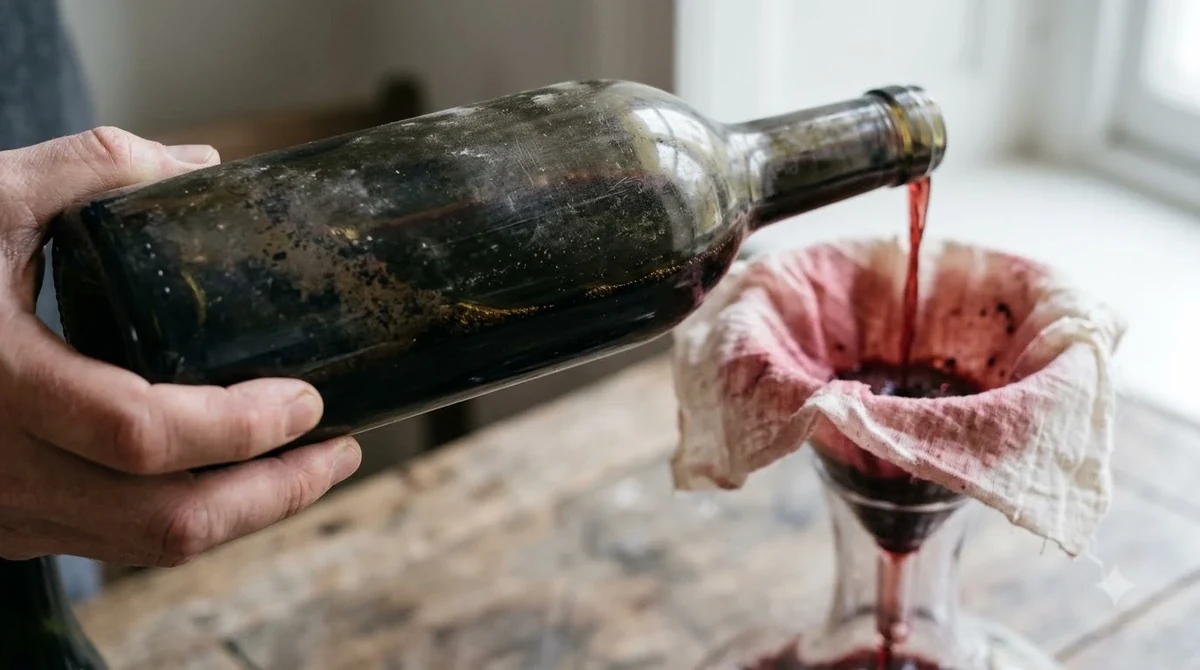
Common flavor impressions include lemon, green apple, pear, white peach, and citrus zest. Many bottles also show notes associated with time on the lees, such as toast, biscuit, pastry, or a subtle nut-like character. Those flavors do not mean the wine is sweet: a Champagne can smell like ripe apple or brioche and still finish dry. Chardonnay-led blends often emphasize freshness and citrus; Pinot Noir can add structure and body, while Meunier can bring a rounder fruit profile. These are tendencies, not fixed rules, because blending, aging, and dosage all affect the result.
Acidity is another reason Brut may seem drier than its sugar figure suggests. Wine Enthusiast notes that many people do not readily perceive sweetness below roughly 4 to 5 grams per liter, while the Brut category can extend above that level. At the higher end, some drinkers may sense a little softness, but the wine still qualifies as Brut. Read Wine Enthusiast’s explanation of Brut Champagne for more on the broad range within this label.
For a first bottle, a non-vintage Brut from a producer whose style you enjoy is a useful starting point. It gives you a familiar house blend to compare with later bottles. Once you know whether you prefer brisk citrus, ripe orchard fruit, or a toasty profile, you can explore Extra Brut, Blanc de Blancs, Blanc de Noirs, or vintage bottlings. The sweetness designation is only one part of the description, not a complete tasting note.
Foods That Pair Well With Brut Champagne
Brut’s dry profile and lively acidity make it a natural match for salty, rich, and crisp foods. Oysters, potato chips, fried chicken, and buttery seafood all provide useful contrasts to its bubbles and freshness. The best pairings usually respect the wine’s acidity rather than trying to cover it with heavy sweetness.
Start with salty appetizers. Oysters, smoked fish, salted nuts, olives, and crisp potato chips can make a dry sparkling wine feel especially refreshing. The salt in the food softens the impression of bitterness and makes the wine’s acidity seem less severe. A simple cheese board can work well too, particularly with creamy cheeses, mild aged cheeses, and savory crackers rather than very sweet accompaniments.
Brut is also versatile at the table. Fried chicken, tempura vegetables, fish and chips, roast chicken, and shrimp all benefit from its acidity and bubbles. The freshness cuts through oil and butter, while the dry finish keeps a rich dish from feeling heavy. A grilled fish with lemon, herbs, and olive oil is generally a more natural match than fish glazed with honey or served with a sweet fruit sauce.
Be more selective with spicy dishes and desserts. Chili heat can seem stronger alongside alcoholic drinks, so very hot sauces may overwhelm a delicate Brut. Pronounced sweetness can make a dry wine seem thinner or more tart; a dessert should generally be at least as sweet as the wine served with it. Demi-Sec or Doux Champagne is usually a better choice for sweet pastries than Brut. For a pink sparkling option, see our guide to is rose sweet or dry before choosing a bottle for the menu.
How to Serve and Choose Brut Champagne
Serve Brut Champagne well chilled, around 40–50°F, and use a tulip-shaped glass when possible. A 750-milliliter bottle provides about five standard 5-ounce pours, so it is easy to plan servings without filling glasses to the rim. Temperature and glass shape affect how clearly the wine’s aromas and acidity come through.
Chill the bottle gradually in a refrigerator or use an ice bucket with a mix of ice and water. Avoid serving it so cold that the aromas disappear: around 40°F the wine feels brisk and tightly focused, while closer to 50°F more fruit and texture can emerge. A tulip glass gives bubbles room to develop and narrows at the rim to concentrate aromas; a narrow flute shows the stream of bubbles but gives the wine less room to open.
Choose a bottle based on the food and the finish you like. For oysters, salty snacks, and delicate seafood, Extra Brut or a crisp Brut can be a good fit; for varied appetizers, poultry, or fish, classic Brut is a dependable choice. If you prefer a softer impression or are serving a slightly sweet dish, consider Extra Dry or Demi-Sec. Vintage refers to the harvest year, while Brut refers to sugar level, so a Champagne can be both vintage and Brut or non-vintage and Brut.
Tip: For an easy first comparison, serve two Brut Champagnes side by side at 45–50°F. Keep the glass size and food the same, then compare the fruit, acidity, texture, and length of the finish; the difference can be more revealing than the word “Brut” alone.
Once opened, keep the bottle cold and use a sparkling-wine stopper to preserve its bubbles. The wine is usually best soon after opening, while the mousse is lively and the aromas remain clear. For unopened bottles, choose a cool, dark storage area away from strong odors and large temperature swings. Proper serving will not change the sweetness category, but it can make the balance of the wine easier to appreciate.
Frequently Asked Questions
These quick answers add details that dosage labels do not explain: rosé can be made two ways, Champagne is typically about 12% alcohol by volume, and a bottle is safely opened at a 30–45° angle.
Can Brut Champagne be rosé?
Yes. The Comité Champagne says rosé Champagne can gain color through maceration of black grapes or by blending in red Champagne wine. Its color does not determine its sweetness category, so a rosé bottle can still be labeled Brut.
What does Blanc de Blancs mean on a Brut label?
Blanc de Blancs means the Champagne is made exclusively from white grapes. Chardonnay is the best-known example, while the region also authorizes less common white varieties such as Pinot Blanc, Pinot Gris, Arbane, and Petit Meslier. Brut still refers to sugar level rather than grape color.
What does a year on a Champagne label mean?
A printed year identifies a vintage Champagne made from grapes harvested in that year. Most non-vintage Champagne blends wines from more than one harvest, which allows a producer to maintain a recognizable house style. The vintage date does not change the meaning of the Brut sweetness designation.
How much alcohol is usually in Brut Champagne?
The Comité Champagne says a bottle of Champagne tends to contain about 12% alcohol by volume. Its published guidance gives a variation of approximately 0.7 percentage points depending on the wine. The Brut term describes sugar, not alcohol strength.
How should I open a bottle of Champagne safely?
Remove the foil and loosen the wire cage while keeping a firm hand on the cork. Tilt the bottle roughly 30–45 degrees and point it away from people, then rotate the bottle slowly while holding the cork so it slides out gently. A quiet release is preferable to a cork flying across the room.
Brut Champagne is dry, versatile, and easier to choose once you understand that the label describes sugar rather than the entire flavor. Start with a classic Brut for a flexible bottle, then compare Extra Brut or Brut Nature if you prefer a leaner finish. Serving it cold with salty or rich food will show why this style remains such a dependable sparkling-wine choice.
More in Wine Types & Grapes
 Zinfandel Sugar Content: Dry Red vs. White Zinfandel GramsUpdated Nov 21, 2026
 Best Zinfandel Substitute Options for Sipping and CookingUpdated Nov 21, 2026
 Zweigelt Food Pairing: Best Dishes, Cheeses, and Serving TipsUpdated Nov 21, 2026
 Zinfandel Tannins Explained: How Structure Shapes Every BottleUpdated Nov 21, 2026
 Zinfandel Sweetness Level: Dry Red vs. Sweet White Zin ExplainedUpdated Nov 21, 2026
 Xinomavro Food Pairing: Best Dishes, Styles, and Serving TipsUpdated Nov 21, 2026