

We may earn a commission when you buy through links on this page, at no extra cost to you. Learn more.
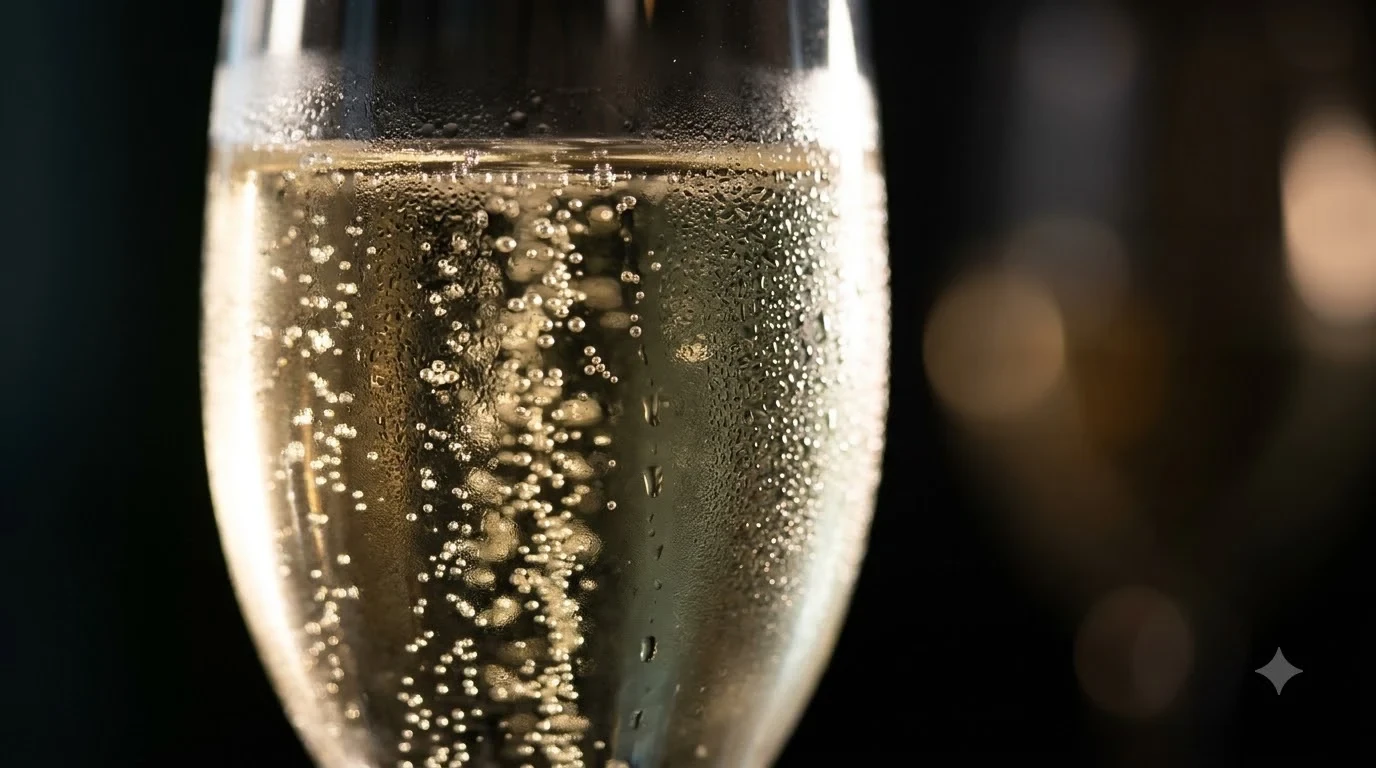
Learning how to serve sparkling wine properly starts with chilling the bottle to 41–45°F for crisp non-vintage styles or 45–50°F for aged vintage bottles, opening it quietly at a 45-degree angle, and pouring into a tulip-shaped or white wine glass. Serving bubbly at the right temperature preserves its fine carbonation while keeping delicate citrus, orchard fruit, and brioche aromatics expressive. Using stemmed glassware with room in the bowl allows the wine’s bouquet to open up rather than trapping scents or letting bubbles dissipate too quickly.
Whether you are popping an everyday bottle of Prosecco on a Tuesday night or uncorking a special-occasion vintage Champagne, small adjustments in temperature, opening technique, and glass shape transform how the wine tastes in the glass. Good service requires no specialized sommelier gear—just a refrigerator, a kitchen towel, and a few simple habits that protect every bubble from bottle to sip.
Chilling Sparkling Wine to the Right Temperature
Serving temperature is the single biggest factor in how sparkling wine tastes, directly controlling both bubble finesse and aromatic expression. Crisp, fruit-forward styles show best around 41–45°F, while richer vintage bottles benefit from a slightly warmer 45–50°F window.
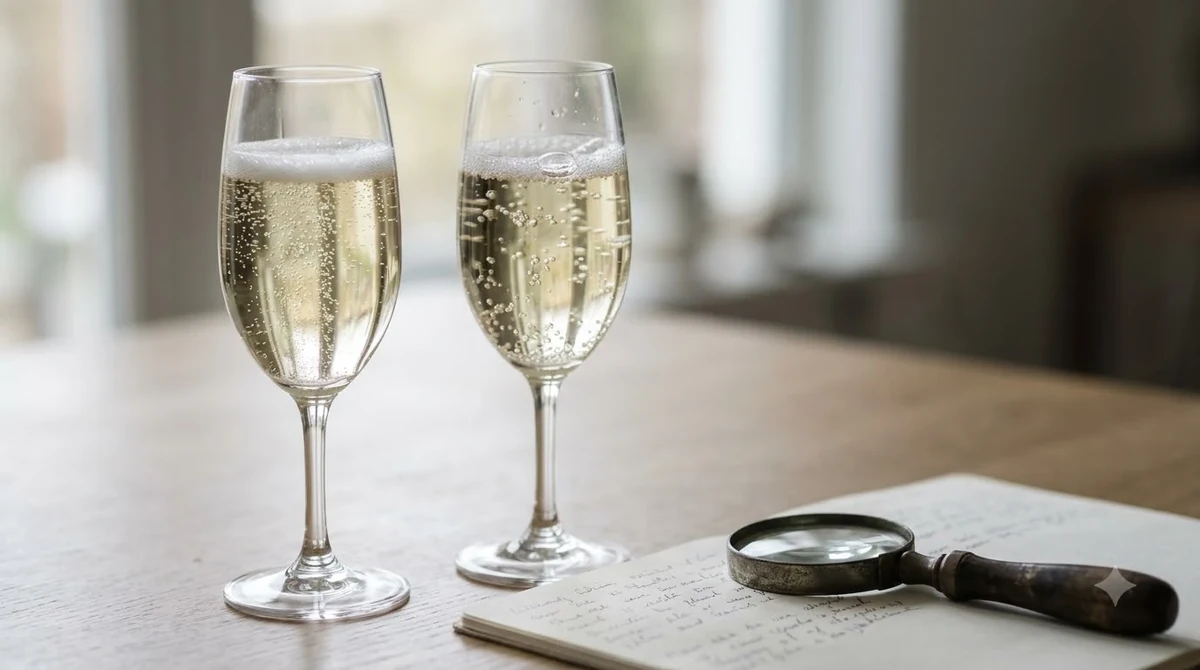
According to Wine Enthusiast, keeping sparkling wines like Champagne, Cava, Prosecco, and Sekt between 41°F and 45°F preserves effervescence while highlighting bright citrus notes and crisp acidity. When a bottle is served too warm, carbon dioxide escapes rapidly, making the bubbles feel aggressive and foamy on the palate while pushing alcohol perception forward. Conversely, serving a bottle straight from an ice-cold freezer numbs the taste buds and mutes subtle floral and yeast-derived aromas.
For aged or vintage Champagne that has spent extended time resting on its lees, warming the serving target slightly to 45–50°F lets complex notes of brioche, toasted nuts, and baked apple shine. If you are storing a bottle at room temperature (around 72°F), placing it in a standard kitchen refrigerator for about two hours brings it right into the sweet spot. When you are short on time, submerge the bottle in an ice bucket filled with equal parts ice and cold water for 20 to 30 minutes; the cold water makes full contact with the glass and chills the wine much faster and more evenly than ice cubes alone.
Once the bottle is open, keep it chilled between pours by returning it to the ice-water bath or placing it back in the refrigerator. If you are serving multiple styles of wine during a gathering—such as pairing bubbles alongside crisp still whites like how to serve pinot grigio or chilled pink wines covered in our guide on how to serve rose—start with your coldest sparkling wine first so every bottle tastes vibrant and balanced.
| Sparkling Wine Style | Ideal Serving Temp | Fridge Chill Time (from 72°F) | Best Glassware Choice |
|---|---|---|---|
| Prosecco, Cava, & Brut NV | 41–45°F | 2 hours | Tulip sparkling glass |
| Vintage Champagne & Prestige Cuvée | 45–50°F | 1.5 to 2 hours | Tulip or white wine glass |
| Sparkling Rosé & Crémant | 41–45°F | 2 hours | Tulip or white wine glass |
| Sweet Styles (Moscato d’Asti, Asti) | 38–43°F | 2 to 2.5 hours | Flute or tulip glass |
How to Open a Sparkling Wine Bottle Safely
A dramatic cork pop may look celebratory, but a quiet, controlled hiss keeps carbonation inside the wine and prevents spills or accidents. The secret is holding the cork and wire cage firmly in one hand while twisting the base of the bottle at a 45-degree angle.
Sparkling wine bottles hold significant internal pressure, which means a loose cork can eject unexpectedly if handled carelessly. As demonstrated by Wine Folly, leaving the wire cage (known as the muselet) over the cork while loosening it gives your hand a secure grip and prevents the cork from flying prematurely. Always keep your thumb pressed firmly over the top of the cork from the moment you untwist the wire tab until the cork is safely in your hand.
- Chill and dry the bottle: Ensure the bottle is thoroughly cold, as cold liquid holds dissolved gas far more calmly than warm wine. Wipe condensation off the glass with a clean kitchen towel so your hands do not slip.
- Remove the foil and loosen the cage: Tear away the protective foil capsule around the neck. Place your thumb firmly on top of the cork, then untwist the wire cage’s metal loop six half-turns to loosen it without taking it off the bottle.
- Angle the bottle away: Tilt the bottle to a 45-degree angle, pointing the neck away from yourself, guests, glassware, and fragile fixtures. Angling the bottle increases the surface area inside the neck, reducing the chance of wine foaming over.
- Twist the bottle, not the cork: Grip the cork and loosened wire cage tightly with your non-dominant hand (draping a towel over your hand adds extra traction). With your other hand, grasp the base of the bottle and slowly rotate the glass body.
- Ease the cork out with a soft sigh: As internal pressure begins pushing the cork outward, apply steady counter-pressure so it eases out gradually with a gentle whisper rather than a loud bang. Hold the bottle at the 45-degree angle for one or two seconds after the cork clears the rim so excess gas escapes without pushing wine out of the neck.
Tip: Never use a standard corkscrew on sparkling wine—the internal bottle pressure can force the cork out suddenly with the metal worm still attached.
Choosing the Best Glassware for Bubbles
While tall flutes and vintage coupes are iconic symbols of celebration, a tulip-shaped sparkling glass or a standard white wine glass actually delivers far better flavor and aroma. The right bowl shape balances visual bubble streams with enough surface area for scents to gather.
Traditional narrow flutes are designed to showcase a vertical stream of bubbles, making them fun for a quick standing toast. However, their tight opening leaves almost no room for aromas to collect above the liquid, which mutes the nuanced fruit, floral, and toasted notes of well-made sparkling wines. At the opposite extreme, wide, shallow coupe glasses expose a massive surface area to the air, causing carbonation and delicate aromatics to vanish within minutes.
A tulip glass solves both problems by pairing a wider central bowl with a gently tapered rim. The broader middle gives the wine room to breathe and release its bouquet, while the narrowing top concentrates those aromas toward your nose and helps preserve the bead. If you do not own dedicated tulip stemware, a medium-sized white wine glass works remarkably well—especially for complex traditional-method bottles, sparkling rosé, or mature Champagne served alongside dinner. Exploring different shapes across Wine by Type shows how much glassware influences aroma across both still and sparkling bottles.
Regardless of which glass style you choose, always opt for stemmed glassware and hold the glass by its stem or base. Cupping the bowl with your fingers quickly transfers body heat through the glass, warming your sparkling wine past its ideal temperature range in just a few minutes. Make sure glasses are thoroughly rinsed and free of dishwasher detergent residue, as microscopic traces of soap or grease can flatten bubbles immediately upon pouring.
Pouring Etiquette and Serving Sizes
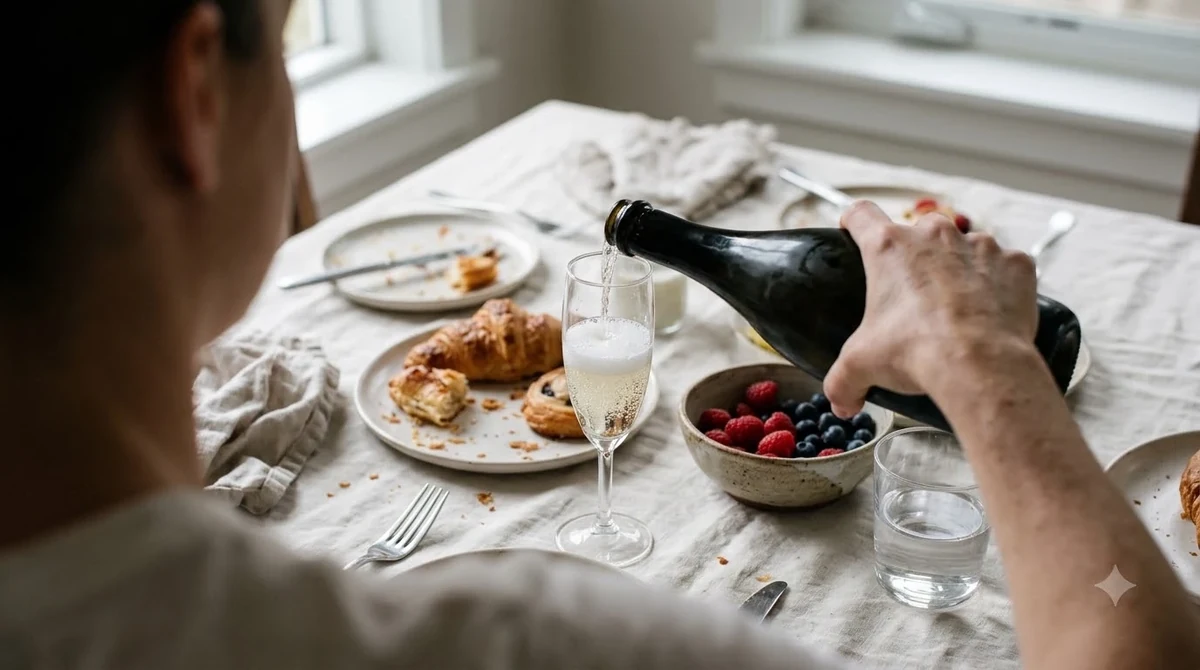
Pouring sparkling wine slowly down the angled side of the glass preserves delicate bubbles and prevents an overflowing cap of foam. A standard 750-milliliter bottle yields about five 5-ounce servings, filling most tulip or white wine glasses roughly one-third to halfway full.
When you are ready to pour, hold the bottle near its base—many sparkling bottles feature a deep indentation at the bottom called a punt, where your thumb can rest comfortably while your fingers support the side of the glass. Tilt the wine glass at a slight angle and direct a slow, steady stream along the inside wall rather than straight into the center of the bowl. Gentle contact with the glass minimizes agitation and keeps carbon dioxide dissolved in the wine where it belongs.
If a bottle is particularly lively or freshly opened, use a two-step pour: add a small splash of about an ounce to the glass, pause a few seconds for the initial mousse to subside, and then top up to your target fill line. Leaving generous empty space in the upper half of the bowl gives aromas room to swirl and concentrate while keeping the wine from warming up before you finish the glass. When you finish pouring for a guest, give the bottle a slight twist as you lift it away to catch any stray drops before they reach the tablecloth.
Storing Leftover Sparkling Wine
An opened bottle of sparkling wine can stay fresh and fizzy in the refrigerator for one to three days when sealed with a dedicated sparkling wine stopper. Leaving an opened bottle uncorked—or relying on folk tricks—allows carbonation to escape overnight.
Standard corks swell rapidly once removed from the bottle, making them nearly impossible to push back into the neck by hand. Instead, invest in an inexpensive hinged Champagne stopper that clamps securely over the lip of the bottle with a rubber seal. Combined with cold refrigerator storage, a pressure-rated stopper traps remaining carbon dioxide inside the headspace and slows down oxidation, keeping the wine crisp enough to enjoy the following evening.
You may have heard the classic myth that dangling a metal spoon handle inside the neck of an open bottle preserves the bubbles. In reality, a spoon provides no seal at all; cold refrigerator temperatures alone are what temporarily slow gas loss, and an unsealed bottle will still go noticeably flat by the next day. Just as when storing leftover still wines—whether you are checking how to serve pinot gris or saving a crisp white for tomorrow—always store sealed sparkling wine upright in the fridge to minimize the liquid surface area exposed to air.
Frequently Asked Questions
Should you chill sparkling wine glasses before serving?
Chilling your glasses is unnecessary and can actually dull the wine’s aromatics. Frosty glassware can cause rapid foaming when the wine hits the cold surface, and extreme cold mutes delicate fruit and yeast notes. Instead, focus on chilling the bottle itself to 41–50°F and pour into clean, room-temperature stemware.
Can you decant sparkling wine?
Most everyday sparkling wines do not need decanting and are best poured straight from the chilled bottle to preserve maximum fizz. However, sommeliers occasionally decant young, tightly wound vintage Champagnes or prestige cuvées for 15 to 30 minutes to soften aggressive bubbles and open up complex savoury aromas. If you try this, pour gently down the inside wall of a clean decanter kept cool in an ice bath.
How many glasses are in a standard bottle of sparkling wine?
A standard 750-milliliter bottle of sparkling wine holds roughly 25.4 ounces, which equals five standard 5-ounce pours. If you are pouring smaller 3- to 4-ounce celebratory toasts into flutes, you can stretch one bottle across six to eight guests.
Why does sparkling wine foam over when poured?
Excessive foaming usually happens when the bottle is too warm, was recently shaken, or is poured too quickly straight into the bottom of a glass. Microscopic dust particles or residual soap inside the glass also create nucleation sites that trigger rapid bubble release. Chilling the bottle thoroughly, polishing glasses with a lint-free cloth, and pouring slowly along an angled glass will keep foam under control.
Mastering how to serve sparkling wine comes down to a few effortless details: give the bottle plenty of chill time, ease the cork out with a quiet whisper, and reach for a stemmed tulip or white wine glass that lets the aromatics shine. With the bottle resting in a simple ice-water bath between pours, every glass stays crisp, lively, and full of character from the first toast to the final sip.
More in Wine Types & Grapes
 Zinfandel Sugar Content: Dry Red vs. White Zinfandel GramsUpdated Nov 21, 2026
 Best Zinfandel Substitute Options for Sipping and CookingUpdated Nov 21, 2026
 Zweigelt Food Pairing: Best Dishes, Cheeses, and Serving TipsUpdated Nov 21, 2026
 Zinfandel Tannins Explained: How Structure Shapes Every BottleUpdated Nov 21, 2026
 Zinfandel Sweetness Level: Dry Red vs. Sweet White Zin ExplainedUpdated Nov 21, 2026
 Xinomavro Food Pairing: Best Dishes, Styles, and Serving TipsUpdated Nov 21, 2026