

We may earn a commission when you buy through links on this page, at no extra cost to you. Learn more.
Learning how to serve brunello di montalcino properly starts with chilling the bottle to 60–68°F (15–20°C), giving young vintages at least one to two hours in a wide-bottomed decanter, and pouring into an oversized Burgundy or Sangiovese glass. Because this Tuscan red is made from 100 percent Sangiovese Grosso with high acidity and firm tannins, careless service can make it taste sharp or overly alcoholic. Treating the bottle with a little patience unlocks its layers of red cherry, leather, dried herbs, and violet.
Serving a prestigious Italian red should feel rewarding rather than intimidating, and a few simple habits make all the difference between an astringent sip and a memorable glass. If you are still getting familiar with the region’s strict aging rules or grape clone, our overview on what is brunello di montalcino covers the basics before you pull the cork.
Ideal Serving Temperature for Brunello di Montalcino
The sweet spot for serving Brunello di Montalcino is between 60°F and 68°F (15°C to 20°C), with 64°F (18°C) serving as the benchmark target. Serving the wine slightly below typical American room temperature keeps its 13.5 to 15 percent alcohol integrated while allowing delicate floral and earthy aromatics to shine.
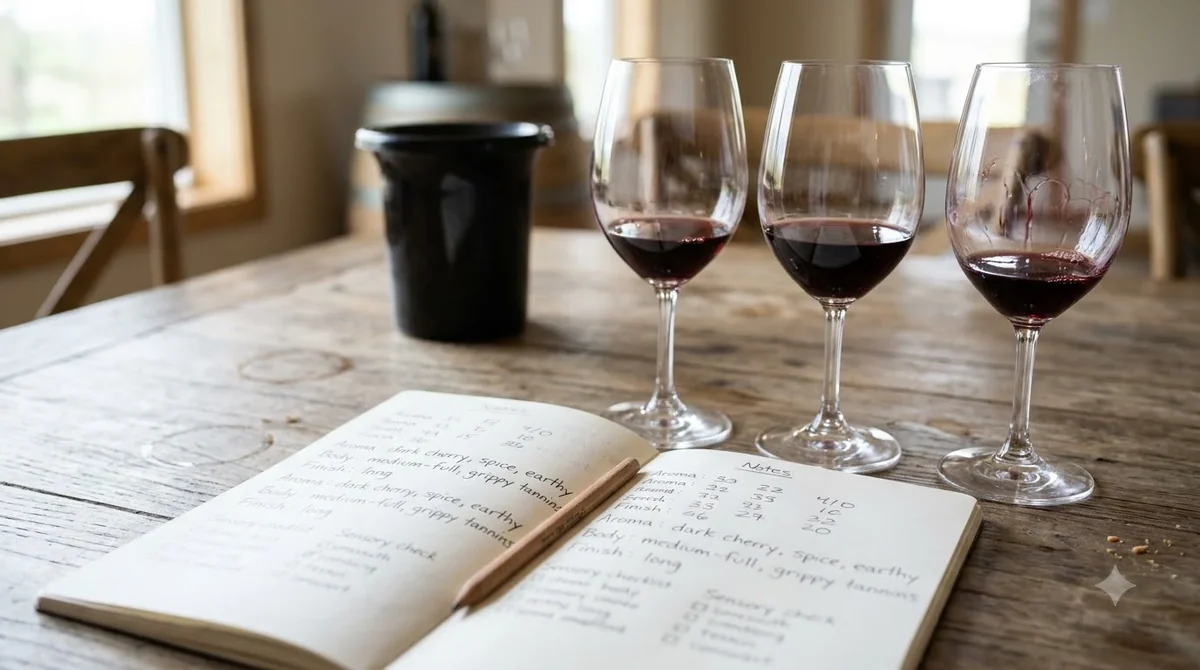
Many wine drinkers make the mistake of opening a bottle straight off a kitchen counter or dining room rack where ambient temperatures hover around 72°F. According to wine educators at Coravin, serving Brunello too warm allows alcohol vapors to mask subtle notes of violet and dried herbs. On the flip side, pouring the wine straight from a standard refrigerator at 40°F clamps down on the aromatics and makes the grape’s naturally high tannins feel rigid and bitter on the palate.
To hit that 64°F target without a dedicated wine fridge, place a room-temperature bottle in your kitchen refrigerator for about 25 to 30 minutes before opening. If you store your bottles in a cool basement cellar around 55°F, simply pull the wine out 20 to 30 minutes ahead of dinner so it can warm gradually in the glass. Keeping a simple infrared thermometer or a wrap-around bottle thermometer on hand removes all the guesswork, especially during warm summer months when a glass warms up within minutes of pouring.
Decanting and Aeration by Bottle Age
Younger bottles of Brunello di Montalcino benefit from one to two hours in a wide-bottomed decanter, whereas mature vintages older than 15 to 20 years require gentle handling and minimal air. Oxygen helps soften firm, youthful tannins and opens up tightly wound fruit, but excessive aeration can cause fragile older wines to fade before you finish the meal.
Under Italian DOCG regulations, producers must age Brunello for a minimum of five years after harvest before release—including at least two years in oak—and six years for Riserva bottlings. Even with that mandatory cellar time, bottles under 10 years old arrive with mouth-gripping structure and intense acidity. As outlined in Wine Folly’s Brunello di Montalcino guide, an hour or more of aeration in a broad decanter lets the tight core of cherry, plum, and clay pot expand into a smoother, more expressive pour.
Older vintages call for a completely different approach because decades of bottle aging have already polymerized the tannins and created fine sediment. Stand an aged bottle upright for at least 24 hours before dinner so the sediment settles cleanly to the bottom. When you are ready to serve, pull the cork carefully—a two-pronged Ah-So opener works well on older, fragile corks—and pour a small splash to taste. If the wine already smells fragrant and open, skip the decanter entirely and pour slowly straight from the bottle into your glasses, stopping when you see sediment reach the neck.
| Bottle Age | Recommended Decanting Time | Serving Temperature | Handling Focus |
|---|---|---|---|
| Young (5–9 years from vintage) | 1 to 2+ hours | 60–64°F (15–18°C) | Splash gently into a wide-bottomed decanter to soften firm tannins. |
| Developing (10–15 years from vintage) | 45 to 60 minutes | 62–66°F (17–19°C) | Moderate aeration balances fresh red fruit with emerging leather notes. |
| Mature (15–25+ years from vintage) | None to 30 minutes | 64–68°F (18–20°C) | Stand upright 24 hours ahead; decant slowly only to separate sediment. |
Choosing the Right Glassware
An oversized, thin-rimmed crystal stem with a wide bowl—such as a Burgundy balloon glass or a dedicated Sangiovese glass—is the best vessel for Brunello di Montalcino. The generous bowl provides plenty of surface area for swirling and concentrates complex aromas of dried cherry, tobacco, and tilled soil toward the rim.
Brunello is prized as much for its perfume as for its palate weight, and narrow, standard all-purpose wine glasses tend to trap those nuances or channel alcohol straight to your nose. A broad bowl lets the wine breathe continuously throughout dinner while giving aromatic compounds room to layer and evolve with every swirl. Look for stems with a slightly tapered rim, which directs the wine smoothly onto the center of your tongue rather than slamming its high acidity onto the sensitive sides of your palate.
When pouring, fill the glass no more than a third of the way full—roughly four to five ounces—so you have ample headspace to swirl without spilling. Stemmed glassware is also strongly preferred over stemless tumblers for this style of red. Holding a stemless glass transfers heat from your hand directly into the bowl, quickly pushing a carefully chilled 64°F pour past its ideal temperature window.
Tip: If you do not have time to decant a young bottle for two full hours, pour the wine into a wide decanter and gently swirl it every ten minutes, or use a handheld Venturi-style aerator while pouring into the glass.
Step-by-Step Service Routine
Following a simple timeline on the day you plan to open your bottle guarantees that temperature, sediment, and aeration all align by the time food hits the table. Preparing ahead takes only a few minutes of active effort and protects the character of a special bottle.
Start the day before—or at least the morning of your meal—by standing the bottle upright on a cool counter or pantry floor if it has been resting horizontally on a wine rack. Two to three hours before dinner, remove the foil capsule neatly beneath the lip of the bottle and wipe the top of the cork with a clean damp cloth. Pull the cork slowly, take a quick smell to confirm the wine is clean and free of cork taint, and evaluate whether the bottle needs extended aeration based on its vintage.
For bottles under 10 years old, pour the wine slowly down the inside wall of a clean, dry decanter, stopping if any gritty sediment appears near the shoulder. Leave the decanter in a cool room around 64°F, or place it in the refrigerator for 20 minutes right before dinner if your dining room runs warm. Pour a small taste into your own glass first to verify temperature and clarity, then serve your guests starting with the person on your right and finishing with your own glass.
Food Pairings That Soften Tannins
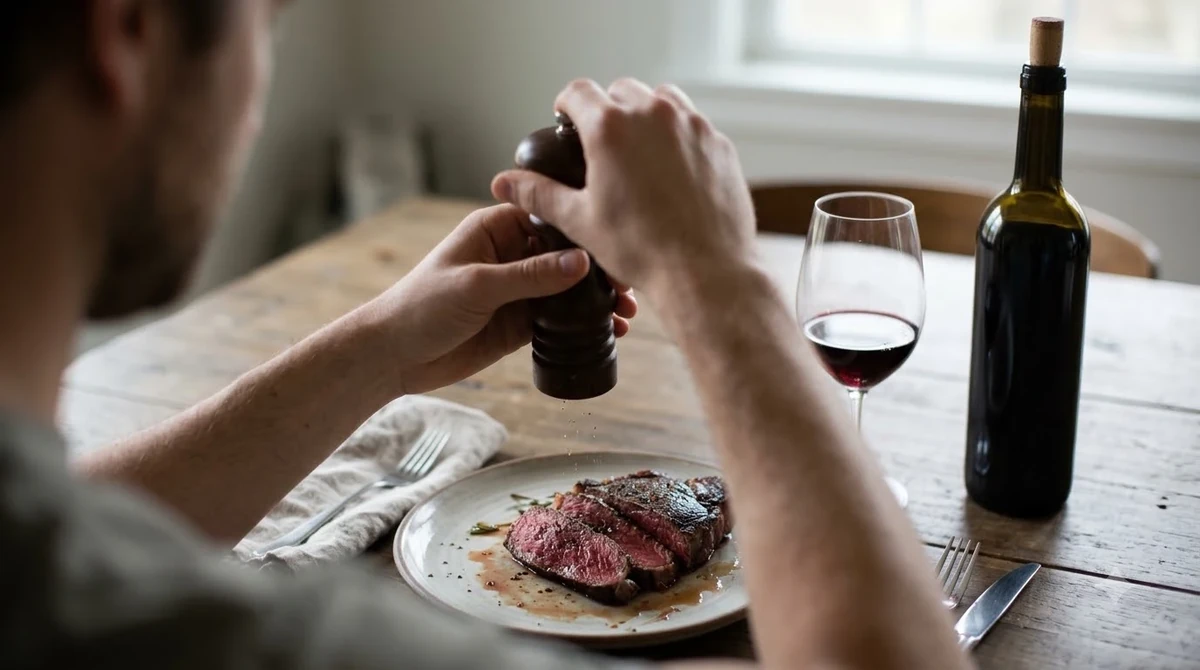
Brunello di Montalcino demands rich, savory dishes built around protein, fat, and umami—such as Bistecca alla Fiorentina, braised short ribs, wild boar ragu, or aged Pecorino Toscano. These hearty textures bind with the wine’s assertive tannins on your palate, softening any astringency and bringing forward sweet red fruit flavors.
Because Sangiovese Grosso carries both high acidity and thick-skinned tannic grip, sipping it on its own can feel drying, much like over-steeped black tea. Fat and protein act as a natural buffer, smoothing out the wine’s structure while its crisp acidity cuts right through rich sauces and marbled meat. Classic Tuscan staples like porcini mushroom risotto, roasted lamb with rosemary, and slow-cooked beef cheeks mirror the savory, earthy undertones detailed in our brunello di montalcino tasting notes.
Just as important is knowing which dishes to keep away from your glass. Avoid heavily spiced chili dishes, because capsaicin amplifies alcohol burn and makes structured reds taste harsh and bitter. Delicate, flaky white fish can also clash with high-tannin Sangiovese, occasionally creating a metallic finish on the tongue; if you want seafood alongside Brunello, stick to meaty steaks like grilled swordfish dressed with olive oil, capers, and roasted tomatoes.
Storing and Preserving Leftover Brunello
If you do not finish the entire bottle in one sitting, re-cork the wine immediately and store it upright in your refrigerator, where it will stay fresh for three to five days. Cold temperatures dramatically slow down oxidation, preserving the bright cherry fruit and floral aromatics for your next meal.
Before placing the bottle in the fridge, minimize the amount of oxygen trapped inside. If you have a vacuum wine pump or an inert argon gas preservation system, use it to seal the bottle tightly; if not, simply push the original cork back in snug side down or transfer the remaining wine into a clean half-bottle (375 ml) to reduce headspace. Leaving a half-empty bottle sitting on the kitchen counter overnight at warm room temperature will flatten its fruit and turn the finish vinegary by the next evening.
When you are ready to enjoy the leftover pour the following day, pull the bottle out of the refrigerator 35 to 45 minutes before dinner so it can take the chill off and return to that 60–68°F window. Young, structured vintages often taste even softer and more harmonious on day two after overnight cold aeration. For more guidance on handling other classic Italian and international bottles at home, browse our full directory of Wine by Type.
Frequently Asked Questions
Should you chill Brunello di Montalcino before serving?
Yes, lightly chilling Brunello di Montalcino for 25 to 30 minutes in a standard refrigerator brings it down to the ideal 60–68°F (15–20°C) serving range. Modern indoor room temperatures around 72°F are too warm and make the alcohol taste sharp while muting delicate violet and cherry aromas.
How long should you decant Brunello di Montalcino?
Young bottles under 10 years old benefit from one to two hours in a wide-bottomed decanter to soften firm tannins and open up the fruit. Older vintages over 15 years old need little to no aeration and should only be decanted gently right before serving to separate natural sediment.
Can you drink Brunello di Montalcino without food?
While you can certainly sip a glass on its own, Brunello di Montalcino is structured with high acidity and firm tannins that shine best alongside food. Pairing it with fat- and protein-rich dishes like aged hard cheeses, cured meats, or grilled steak softens the tannins and reveals sweeter fruit flavors.
What is the best glass for serving Brunello di Montalcino?
An oversized Burgundy balloon glass or a dedicated Sangiovese stem with a wide bowl and tapered rim works best. The broad bowl maximizes surface area for swirling and channels complex aromas of red cherry, leather, and dried herbs toward your nose.
Mastering a few simple details—a brief chill to 64°F, thoughtful decanting matched to the vintage’s age, and a generous bowl—lets Brunello di Montalcino show off every bit of its Tuscan pedigree. Whether you are opening a vibrant recent release or a cellar-aged Riserva, giving the wine proper room to breathe rewards you from the first swirl to the final sip.
More in Wine Types & Grapes
 Zinfandel Sugar Content: Dry Red vs. White Zinfandel GramsUpdated Nov 21, 2026
 Best Zinfandel Substitute Options for Sipping and CookingUpdated Nov 21, 2026
 Zweigelt Food Pairing: Best Dishes, Cheeses, and Serving TipsUpdated Nov 21, 2026
 Zinfandel Tannins Explained: How Structure Shapes Every BottleUpdated Nov 21, 2026
 Zinfandel Sweetness Level: Dry Red vs. Sweet White Zin ExplainedUpdated Nov 21, 2026
 Xinomavro Food Pairing: Best Dishes, Styles, and Serving TipsUpdated Nov 21, 2026