


We may earn a commission when you buy through links on this page, at no extra cost to you. Learn more.
Tannat wine is a dark, full-bodied red with firm tannins, black fruit and a smoky, savory edge, first grown in southwest France and now best known in Uruguay. The grape is built for structure, so young bottles can feel grippy, but they soften with time and air. Many winemakers use it on its own, and some blend it with other reds to add backbone and color.
This guide explains where tannat wine comes from, how it tastes, how to serve and decant it, and what to eat with it. If you have seen Uruguayan reds on a shop shelf and wondered what sets them apart, this page covers the basics in plain terms.
Where Tannat Comes From
Tannat started in southwest France, in the Madiran area, where it is the main red grape of the appellation. Wine Folly notes that Madiran AOC wines must contain at least 60 percent Tannat, which shows how central the grape is to the region’s identity. The variety has a long history in the Pyrenees foothills, where the local climate and soils suit its late ripening.
The grape’s reputation in France is tied to the hills of Madiran and nearby Irouléguy, where growers have long worked with its thick skins and high tannin. The style there is often described as firm and ageworthy, and the wines reward patience. Those origins give Tannat a sense of place that many newer producers still try to respect, even when they make the wine in very different climates.
The grape later crossed the Atlantic. According to the Uruguayan wine promotion site Vinos del Uruguay, Pascual Harriague brought Tannat to Uruguay in 1840 and settled in Salto. Around 1870, after years of trials, he found that Tannat could make a fine red wine there. Today the country’s vineyards include about 1,555 hectares of Tannat, which the site lists as 26.5 percent of Uruguay’s total vineyard area.
Flavor and Style
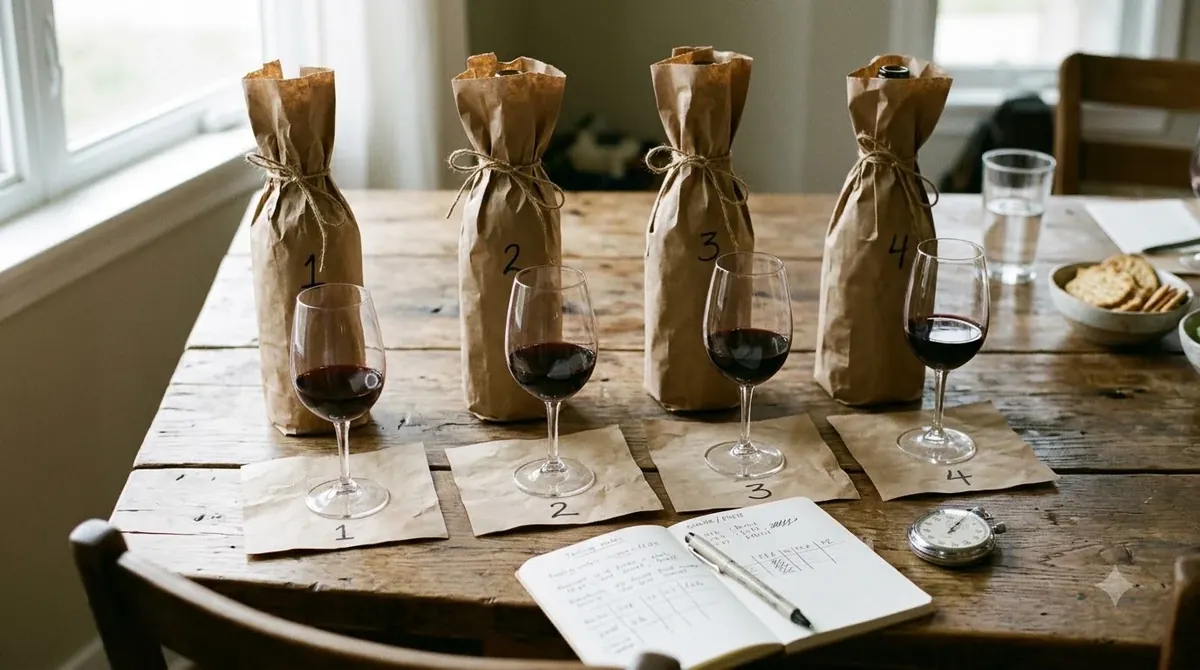
Tannat is dry and full-bodied, with high tannins. Wine Folly describes the tannins as structured and somewhat astringent when the wine is young. Its main flavors are black currant, plum, licorice, smoke and cardamom, and some bottles add smoked meat and dark spice notes. Acidity is medium to moderately high, which keeps the wine from feeling heavy.
Oak is a common tool with Tannat. Many producers age the wine in barrel, and the wood can add vanilla, toast and a little spice that sits well with the grape’s dark fruit. Some winemakers use older barrels to keep the oak in the background, so the tannins and fruit remain the main story in the glass.
Climate shapes the fruit. Warmer sites tend to produce ripe black fruit, while cooler regions often show herbal and savory character. Uruguayan producers describe their Tannat as elegant and balanced, with red fruit and spice notes, and they credit the Atlantic breeze with helping the grape keep its freshness.
| Characteristic | Typical Tannat |
|---|---|
| Body | Full, dry |
| Tannins | High, firm and structured |
| Main flavors | Black currant, plum, licorice, smoke, cardamom |
| Alcohol | About 13.5 to 15% ABV (Wine Folly) |
| Cellar life | 10 years or more for good bottles |
How to Serve and Decant Tannat
Wine Folly suggests serving Tannat at 60 to 68°F (15 to 20°C) in a large glass, which lets the aromas open. Because the tannins are strong, the wine benefits from decanting. Wine Folly recommends about one hour of decanting, or using an aerator if you are short on time.
Temperature matters as much as air. A Tannat that is too warm can taste hot and heavy, which makes the tannins feel harsher, while a wine that is slightly cool shows more fruit and a cleaner finish. If the bottle has been sitting in a warm room, give it ten or fifteen minutes in a cool spot before pouring.
Young Tannat can taste rough straight from the bottle, so opening it early is a good habit. Give it some time in the glass, and taste again after twenty or thirty minutes to see how much the tannins have softened.
Food Pairing
Tannat is a food wine, and it suits rich, grilled and well-seasoned dishes. Wine Folly suggests richly marinated, barbecue-grilled meats and vegetables. It also names flame-grilled porcini mushrooms and a medium-rare T-bone steak as strong matches. The page adds that cassoulet can help soften the tannins, because fat and protein reduce the drying effect of the wine.
When you plan a meal around the wine, think about fat and char. A marbled cut of beef, a lamb shoulder cooked slowly, or a dish with a smoky grilled element will give the tannins something to work with. Tomato-based dishes with plenty of herbs and garlic also suit Tannat, because the acidity in both the food and the wine stays in balance.
Hard cheeses, lamb, beef stews and hearty bean dishes also pair well. Keep lighter fish and delicate salads away from Tannat, since the wine is too strong for them.
How to Choose a Tannat
Start by reading the label for the grape and the region. A bottle labeled Madiran is from the French home of the grape, while a Uruguayan label is from the country that has made Tannat its flagship red. Both styles are full-bodied, but the French version often feels firmer and more savory, while the Uruguayan version can show riper fruit and spice, depending on the producer.
Check the vintage and the age of the wine. Young Tannat can be enjoyable with food right away, but a bottle with several years in the cellar will feel smoother and show more complex notes. If you are buying a bottle to drink soon, look for a recent release from a producer that notes decanting or food pairings on its label.
Storage also affects how a bottle tastes when you open it. Keep bottles in a cool, dark place away from heat, and stand them upright for a short time before opening if they have been lying on their side for a long stretch. Once a bottle is open, a few hours of air will usually help a young Tannat more than harm it, but a wine that has been open for several days will lose the freshness that makes the fruit stand out.
Blends are also common. Some producers combine Tannat with other red varieties to soften the structure and add color, so a blend can be a good first choice if you find a single-varietal bottle too intense.
Frequently Asked Questions
What does Tannat wine taste like?
Tannat tastes dark and full, with black currant, plum, licorice and smoky notes. The tannins are firm, and the wine often has a savory finish.
Do you need to decant Tannat?
Decanting is recommended for most Tannat, especially young bottles. Wine Folly suggests about an hour of decanting, or an aerator if you are short on time.
Where is Tannat grown?
The grape began in southwest France, in the Madiran area. It is now most widely planted in Uruguay, where it is the country’s flagship red.
What food goes well with Tannat?
Grilled and well-seasoned meats work best, including steak, barbecue and cassoulet. Hard cheeses and hearty stews also suit the wine’s firm structure.
Tannat wine rewards a little patience and a good meal. Open a young bottle early, decant it, and serve it with grilled or braised food. For more detail on the grape itself, read the tannat grape guide, or compare it with a lighter red in the cabernet franc wine overview.
More in Wine Types & Grapes
 Zinfandel Sugar Content: Dry Red vs. White Zinfandel GramsUpdated Nov 21, 2026
 Best Zinfandel Substitute Options for Sipping and CookingUpdated Nov 21, 2026
 Zweigelt Food Pairing: Best Dishes, Cheeses, and Serving TipsUpdated Nov 21, 2026
 Zinfandel Tannins Explained: How Structure Shapes Every BottleUpdated Nov 21, 2026
 Zinfandel Sweetness Level: Dry Red vs. Sweet White Zin ExplainedUpdated Nov 21, 2026
 Xinomavro Food Pairing: Best Dishes, Styles, and Serving TipsUpdated Nov 21, 2026