

We may earn a commission when you buy through links on this page, at no extra cost to you. Learn more.
A red wine reduction recipe turns a bottle of red wine into a thick, glossy sauce by simmering it, often with shallot, stock, and herbs, until the liquid has cooked down to a fraction of its starting volume. The process concentrates the wine’s flavor and gives the sauce body, which is why it is the classic base for steak and roasted meats. Most of the skill lies in knowing when to stop, because the sauce thickens quickly near the end.
This guide covers what a wine reduction is, which wine to pick, how to cook one step by step, and how to fix a sauce that turns out too thin, too sharp, or too bitter. It is written for a home cook who wants a dependable sauce to serve with beef, lamb, or mushrooms.
What a red wine reduction is
Reduction, in cooking, is the process of thickening and intensifying the flavor of a liquid by simmering or boiling it. The pan is left uncovered so vapor can escape, and the liquid thickens as water leaves through evaporation. The Wikipedia article on reduction in cooking describes the process this way and notes that it does concentrate the flavors left in the pan.
A wine reduction applies that idea to red wine. Because the wine has a strong flavor and some natural sugars and acids, the sauce it produces tastes deeper than the wine on its own. Cooks usually add a few other ingredients, such as stock, shallot, or a little butter, so the finished sauce is balanced rather than sharply fruity.
Choosing the wine for the sauce
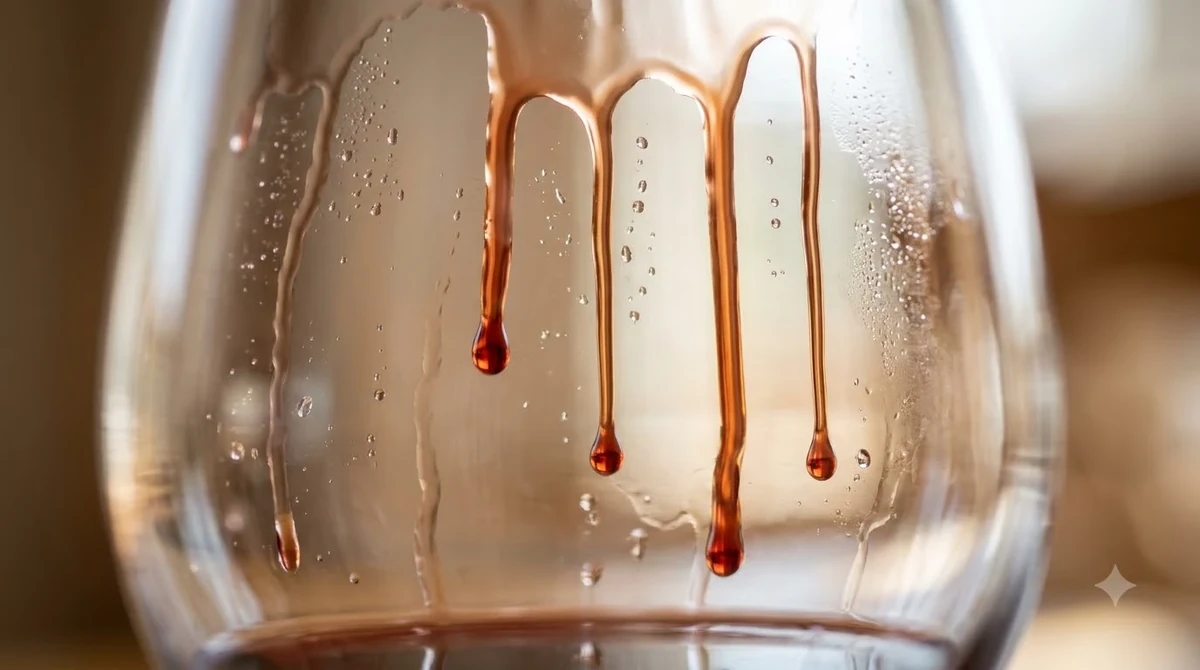
The wine for the pan should be one you would drink, because the flavors that go in are the flavors that come out. Avoid “cooking wine,” which is often salted and thin. A medium-bodied dry red such as a Merlot, Côtes du Rhône, or Chianti works well for most dishes. Heavier wines like Cabernet Sauvignon give a stronger sauce that suits red meat, while lighter Pinot Noir gives a delicate sauce for poultry or pork.
Tannin is the main thing to watch. Reduction concentrates tannin along with everything else, so a very tannic young wine can turn the sauce bitter or drying. If the bottle is tough and astringent when you taste it, choose another. Oak-heavy wines also become more intense when reduced, so a lightly oaked wine is usually the safer choice.
| Wine style | Result in the pan | Best paired with |
|---|---|---|
| Light, fruity Pinot Noir | Silky, delicate sauce | Chicken, pork, mushrooms |
| Medium Merlot or Côtes du Rhône | Balanced, round sauce | Beef, lamb, roast vegetables |
| Full Cabernet Sauvignon | Bold, tannic sauce | Steak, braised short ribs |
| Heavily oaked or very young red | Harsh or bitter sauce | Avoid for reduction |
How to make the reduction step by step
Start with a hot, wide pan, because a wide surface area lets the wine evaporate faster and keeps the sauce from scorching in one spot. Cook a finely chopped shallot in a little butter or oil until soft, then pour in the wine and scrape up the browned bits from the pan. Those bits are flavor, and they belong in the sauce.
- Soften the shallot in butter or oil over medium heat until it is translucent and sweet.
- Pour in the red wine and bring it to a steady simmer, scraping the bottom of the pan with a wooden spoon.
- Add a few sprigs of thyme or a bay leaf, and let the wine simmer uncovered until it has reduced by roughly half.
- Add stock, then keep simmering until the sauce coats the back of a spoon.
- Strain out the shallot and herbs, return the sauce to a low heat, and finish with a knob of cold butter off the heat, stirring until glossy.
Stop reducing when the sauce coats a spoon and leaves a clear line when you draw a finger through it. If you keep simmering past that point, it can become too thick, too salty, or sticky. The same article warns that reducing too far also lowers the amount of every liquid in the sauce and can leave a sticky, burnt coating unless the pan is stirred constantly.

Fixing common problems
Most reduction problems come from timing and temperature. A sauce that is too thin usually needs more time over the heat, not more wine. Simmer gently and watch the sauce rather than the clock. A sauce that tastes too sharp often needs a small knob of butter or a spoonful of stock to round it out, and a little sugar can soften acidity if the wine was tart.
A bitter sauce is harder to rescue. If the wine was tannic or the sauce was reduced too far, the bitterness concentrates, and the best option is to dilute it with a little stock and add butter. Salt should be added last, since the sauce tastes saltier as it thickens. Taste it at the end, and season after the reduction is finished.
Scorching is the other common problem. A pan that is too hot or a sauce left unstirred near the end will stick and burn. Keep the heat moderate, stir often in the last few minutes, and move the sauce to a clean pan if it begins to catch.
Tip: Make the reduction ahead and keep it warm over very low heat. It stays glossy for a while, and a quick whisk with cold butter before serving brings back its shine.
What to serve with a red wine reduction
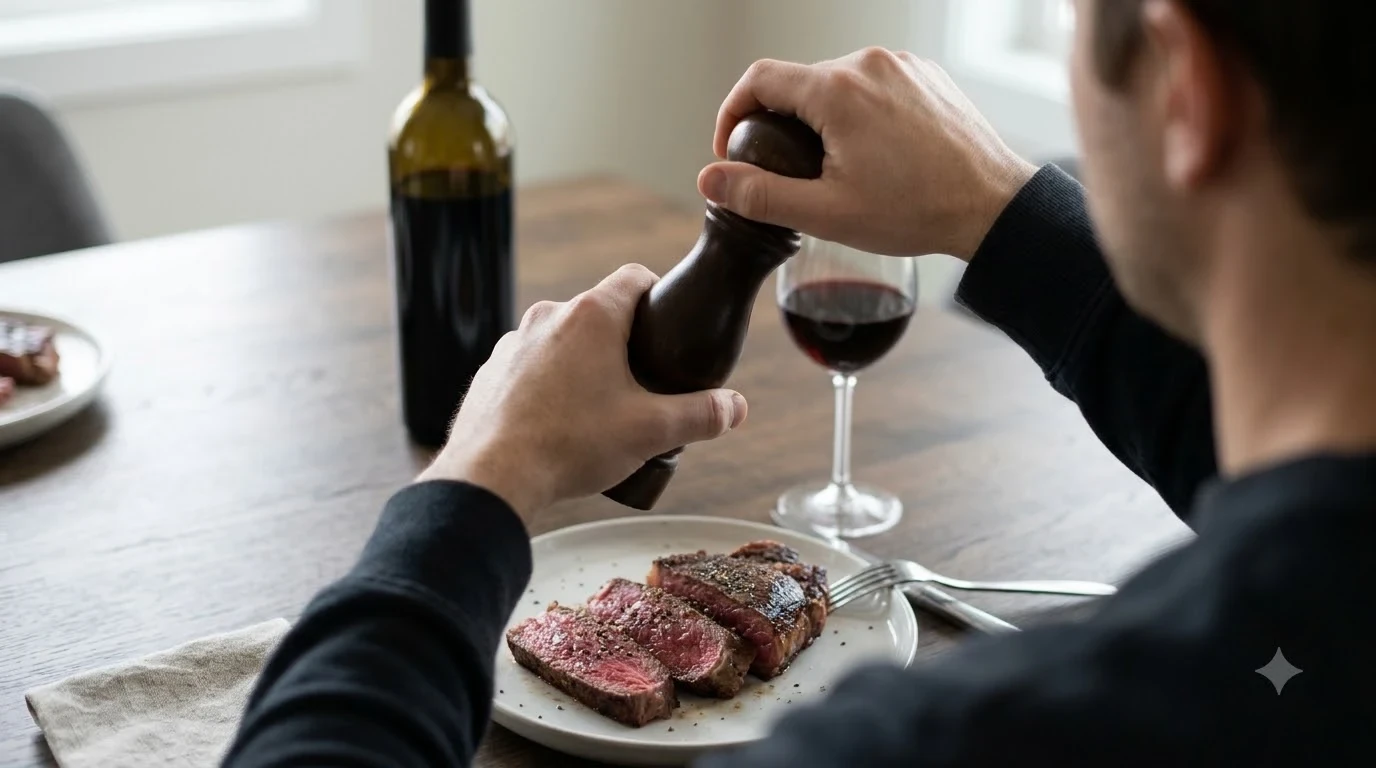
The classic partner is a seared steak, where the sauce ties together the meat’s juices and the pan drippings. Pan-seared duck breast, roast lamb, and grilled mushrooms all work well too. Because the sauce is rich, serve it with simple sides such as mashed potatoes, roasted root vegetables, or a plain green salad to balance the plate.
A good reduction also pairs with the wine that went into it. Pour a glass of the same bottle at the table, or choose a slightly older bottle from the same style, so the sauce and the drink taste like one dish. For a lighter dinner, the sauce works with white meat or firm fish, but reduce the wine more gently and use less butter.
Storing and reusing the sauce
Leftover reduction keeps well in a sealed container in the refrigerator for a few days. Reheat it gently and whisk in a little stock if it has thickened too much. It can also be frozen in small portions, such as an ice cube tray, and added to a pan when you cook a quick weeknight dinner. Use it as a base for a pan sauce, a glaze for roasted vegetables, or a finishing touch for a braise.
Frequently Asked Questions
Can I use cooking wine for a red wine reduction?
It is better not to. Cooking wine is often salted and thin, and the salt concentrates as the sauce reduces. A drinkable dry red gives a cleaner, more balanced sauce.
Does a red wine reduction keep the alcohol?
Simmering removes some of the alcohol, but how much depends on the time and heat. Reduction does not remove all of it, so it is not a reliable choice for anyone who avoids alcohol entirely.
Why is my red wine reduction bitter?
Bitterness usually comes from a tannic wine, from oak, or from reducing the sauce too far. Dilute it with stock, add a knob of butter, and choose a softer wine next time.
What is the difference between a reduction and a pan sauce?
A pan sauce is made in the pan after cooking meat, usually with stock and drippings. A red wine reduction is built mainly on wine, cooked down until it is thick and concentrated, and it can stand on its own as a sauce.
A red wine reduction is one of the most useful sauces a home cook can learn. For a sister recipe that uses wine in a different way, see the mussels white wine recipe, and browse the Wine Recipes & Cocktails guides for more ideas.
More in Food & Wine Pairing
 Risotto With White Wine Recipe: Make a Creamy Dinner at HomeUpdated Nov 20, 2026
 Wassail With Wine Recipe for a Festive Spiced Holiday DrinkUpdated Nov 20, 2026
 Spritz Veneziano Recipe: Make a Classic Venetian Aperitivo at HomeUpdated Nov 20, 2026
 Summer Wine Punch Recipe for Easy Homemade EntertainingUpdated Nov 20, 2026
 Bishop Recipe: How to Make a Bright, Citrus-Forward Red Wine CocktailUpdated Nov 20, 2026
 Wine Cupcakes Recipe: Bake Rich Chocolate Cupcakes at HomeUpdated Nov 20, 2026