

We may earn a commission when you buy through links on this page, at no extra cost to you. Learn more.
Santa Fe wine offers a distinctive introduction to New Mexico’s high-desert wine country, with local tasting rooms, traditional sparkling wines, and small family-run wineries within an easy drive of the city. Although Santa Fe is better known for its adobe architecture, art galleries, and Southwestern cuisine, it also provides an excellent starting point for exploring northern New Mexico’s vineyards. Visitors can discover everything from crisp white wines and Spanish-inspired reds to sparkling wines made using traditional bottle fermentation.
New Mexico has one of the oldest wine-growing traditions in the United States, dating back to Spanish missionaries in the 17th century. Its modern wine industry combines that history with high elevations, dramatic temperature changes, dry weather, and a growing community of independent producers. Whether you have an afternoon for a tasting room or several days for a vineyard road trip, Santa Fe makes a rewarding base for discovering the state’s wine culture.
New Mexico’s Wine History and Santa Fe’s Place in It
Santa Fe sits within a state with more than four centuries of documented winemaking history. Understanding that background helps explain why northern New Mexico produces an interesting mixture of traditional European grape varieties, regional blends, and distinctive local wines.
The story begins in 1629, when Spanish missionaries brought grapevines to the Rio Grande Valley. The vines supplied wine for religious ceremonies, and the Mission grape became an important part of early regional agriculture. New Mexico’s early wine industry expanded considerably, and by the 1880s the state had established itself as a significant American wine-producing area.
That early success did not continue uninterrupted. A devastating flood along the Rio Grande in 1943 destroyed much of the region’s vineyard infrastructure, contributing to a long decline in commercial production. The modern revival began in the 1970s, when producers including La Viña and La Chiripada helped rebuild the state’s commercial wine industry.
Santa Fe benefits from this renewed regional wine culture. It is not necessary to travel to southern New Mexico to experience locally produced wine. The city has its own tasting rooms, wine-focused hospitality businesses, and access to nearby communities such as Dixon, Velarde, Alcalde, and Mora.
New Mexico’s modern wine industry is relatively small compared with California or Washington, but its geographic variety is considerable. New Mexico State University reports more than 30 wineries, over 75 grape varieties, and approximately 925 acres of vineyards statewide. These figures illustrate why visitors should approach the state as a collection of distinctive growing areas rather than a single uniform wine region.
The state’s northern growing area includes several counties, among them Santa Fe, Rio Arriba, Sandoval, Taos, San Juan, and San Miguel. Its varied elevations and growing conditions create opportunities for different grape varieties and wine styles.
For travelers interested in the broader geography of American wine, the state’s position in the Southwest offers an interesting contrast with established California destinations such as the Santa Ynez Valley wine region. Both offer opportunities to explore different growing environments, grape varieties, and approaches to winemaking.
High-Desert Climate, Elevation, and Vineyard Conditions
The character of northern New Mexico wine is closely connected to elevation, sunshine, dry air, and substantial differences between daytime and nighttime temperatures. These conditions create opportunities for growing distinctive grapes, although frost, wind, and extreme temperatures make vineyard management challenging.
Santa Fe stands approximately 7,198 feet above sea level. Vineyards in the surrounding northern wine-growing area occupy a range of elevations, with New Mexico State University’s vineyard research identifying an average elevation of approximately 5,639 feet for the northern growing region. Individual vineyards can sit considerably higher or lower depending on their location.
High elevation influences vineyard conditions in several ways. Strong sunlight can encourage grape development, while cooler nights may help grapes retain acidity during the growing season. This temperature contrast is particularly interesting for varieties intended to produce fresh, balanced white wines and aromatic reds.
Dry conditions and relatively low humidity can also reduce certain vineyard disease pressures compared with wetter growing environments. However, limited rainfall means growers must pay attention to irrigation and soil moisture. Strong winds can damage young vines, while unexpected spring frosts can threaten developing buds and reduce a harvest.
These challenges help explain why grape selection matters so much in northern New Mexico. A variety that performs well in a warm southern vineyard may struggle in a colder northern location. Growers must consider winter hardiness, the length of the growing season, ripening requirements, and the timing of spring budbreak.
New Mexico State University’s overview of the state’s wine industry discusses these growing conditions, vineyard challenges, and production characteristics in its New Mexico wine industry publication. The research provides useful context for understanding why elevation and climate play such important roles in local wine production.
The broader state demonstrates considerable climatic variation. Southern New Mexico’s warmer areas can support different grape-growing conditions from the higher northern valleys. The result is a wine industry with a wider range of styles than its relatively small production volume might suggest.
Visitors should also remember that Santa Fe itself is a high-altitude destination. The city’s elevation can make outdoor activities feel different from those at lower elevations, and its strong sunshine makes appropriate clothing and sun protection important during vineyard excursions.
Grape Varieties and Wine Styles Around Santa Fe
Northern New Mexico producers work with several familiar European grape varieties alongside hybrids and regional blends. The most interesting approach is to explore different styles rather than assume every local wine will taste like a traditional example from California or Europe.
Cabernet Sauvignon, Tempranillo, Merlot, Petite Sirah, Chardonnay, Viognier, Riesling, and Baco Noir are among the varieties associated with wineries in the northern part of the state. Their presence reflects different vineyard conditions and winemaking preferences across communities such as Dixon, Velarde, and Alcalde.
Red blends are particularly relevant to New Mexico’s wider wine industry. Blending allows winemakers to combine grapes with different characteristics, balancing structure, acidity, fruit expression, and body. A blend can also offer flexibility when weather conditions produce different ripening results from one variety to another.
Tempranillo is especially interesting for visitors who enjoy Spanish wine traditions. It can produce medium- to full-bodied reds with red fruit, savory notes, and, when oak-aged, additional spice and structure. It also provides a useful comparison with Cabernet Sauvignon, which generally has higher tannin and a firmer structure.
White wines provide another useful introduction. Chardonnay can offer a fuller texture, while Riesling and Viognier bring different aromatic profiles. Depending on ripeness and winemaking decisions, northern New Mexico whites can range from crisp and refreshing to richer, more rounded styles.
The following table provides a practical overview of grape varieties worth looking for when exploring the region. These are general grape characteristics, not guaranteed tasting descriptions for every New Mexico producer.
| Grape variety | Typical wine character | What to look for |
|---|---|---|
| Cabernet Sauvignon | Full-bodied, structured, high tannin | Dark fruit, firm structure, and oak influence |
| Merlot | Medium tannin, softer texture | Plum, cherry, and approachable red-fruit flavors |
| Tempranillo | Medium to full-bodied red | Red fruit, savory notes, and potential oak character |
| Petite Sirah | Deep-colored, concentrated red | Dark berries, spice, and substantial structure |
| Pinot Noir | Light to medium-bodied, refreshing acidity | Red cherry, delicate fruit, and earthy notes |
| Chardonnay | Medium acidity, variable body | Apple, citrus, and possible creamy or oak flavors |
| Riesling | High acidity, dry to sweet | Citrus, floral aromas, and refreshing freshness |
| Viognier | Aromatic, medium to full-bodied white | Peach, apricot, and floral aromas |
| Baco Noir | Fruit-forward hybrid red | Dark berry character and approachable structure |
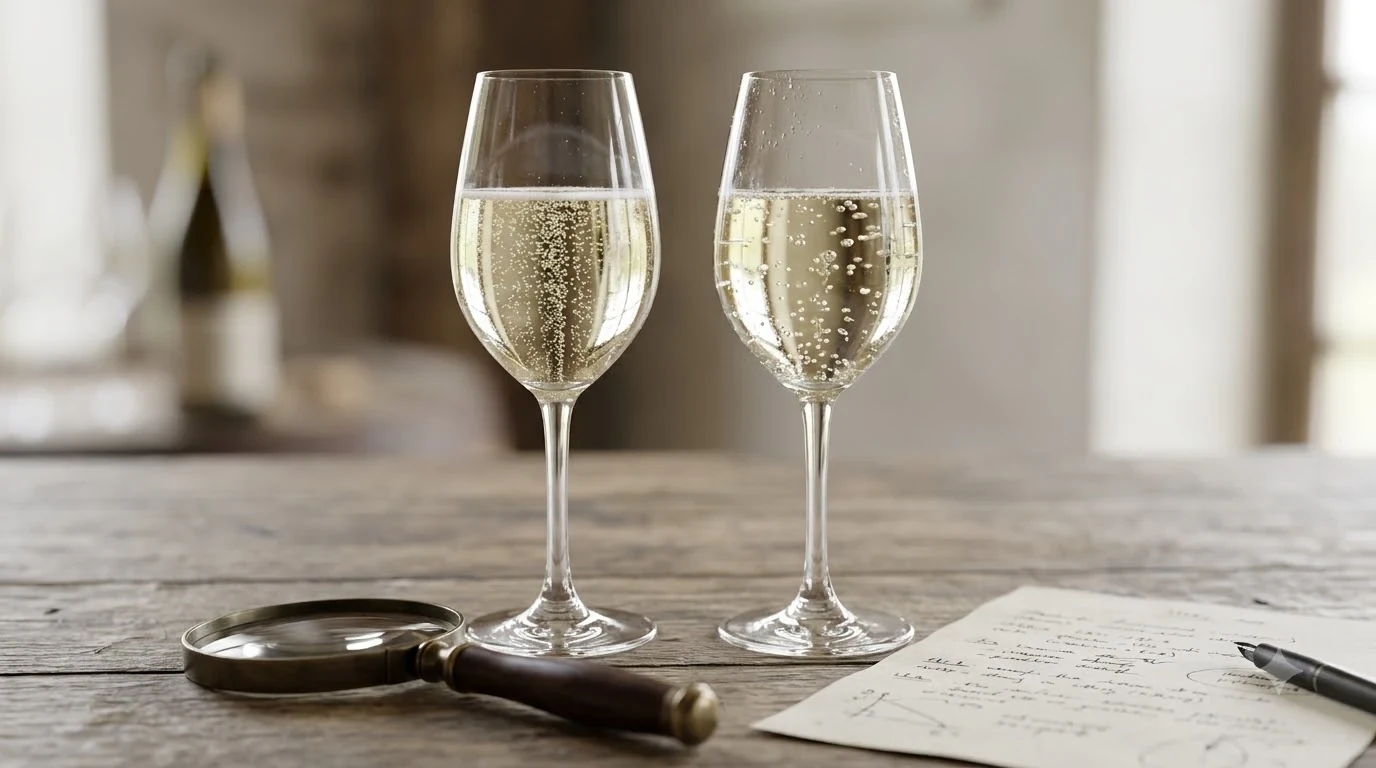
New Mexico also has an interesting relationship with sparkling wine. Producers such as Gruet have helped establish the state’s reputation for traditional-method sparkling wines. This style is especially appealing to visitors who enjoy Champagne-inspired wines but want to explore something produced in the American Southwest.
Traditional-method sparkling wines undergo their second fermentation in the bottle, creating their characteristic bubbles and often developing additional complexity. Prosecco, by comparison, generally uses the tank method and the Glera grape. Understanding these differences makes a sparkling wine tasting more informative.
When exploring a tasting flight, compare a sparkling wine with a local Chardonnay or Riesling before moving to Tempranillo or Cabernet Sauvignon. This progression makes it easier to recognize differences in acidity, body, tannin, and aromatic intensity.
Santa Fe Wineries and Tasting Rooms Worth Exploring
Santa Fe offers several opportunities to taste New Mexico wine without committing to a full vineyard road trip. For a deeper experience, nearby communities including Dixon, Velarde, Alcalde, and Mora provide additional winery destinations.
Gruet Tasting Room
Gruet is one of the most recognizable names in New Mexico sparkling wine. Its Santa Fe tasting room is located at the Hotel St. Francis, making it a convenient option for visitors staying near the historic downtown area.
The winery was founded in 1984 by Gilbert Gruet, whose Champagne house in France had already established a connection with traditional sparkling wine production. Gruet specializes in traditional-method sparkling wines made principally from New Mexico-grown grapes.
For visitors who enjoy sparkling wine, this is a particularly useful introduction to the state’s production capabilities. Compare different levels of dryness and pay attention to the balance between acidity, bubbles, and texture.
Ahmyo Wine Garden
Located on historic Canyon Road, Ahmyo Wine Garden combines an art-oriented setting with a wine menu featuring New Mexico producers. The garden patio provides a relaxed place to enjoy local wines, with selections that have included Vivác and Gruet.
Its food offerings include sandwiches, salads, and sweets, making it a convenient stop for visitors who want a casual tasting rather than a formal vineyard appointment. The location also makes it easy to combine wine with a walk through Santa Fe’s galleries.
Crafted Tasting Room
Crafted Tasting Room, at the Inn and Spa at Loretto, provides another opportunity to sample wines from across the state. Its selections have included Casa Rondeña, Gruet, Milagro, Sheehan, and Vivác.
This is a useful option for travelers who want to compare several New Mexico producers in one setting. Rather than driving between multiple vineyards, visitors can explore different regional styles through a curated tasting experience.
Vivác Winery in Dixon
For a vineyard-focused excursion, Vivác Winery in Dixon is one of the most interesting destinations north of Santa Fe. The winery operates at approximately 6,000 feet above sea level and describes its high-altitude location as an important part of its identity.
Founded in 1998, Vivác is a family-operated winery with a tasting room surrounded by estate vineyards. Its location is approximately one hour north of Santa Fe and 25 minutes south of Taos, making it a practical stop on a northern New Mexico road trip.
The tasting experience extends beyond wine. Visitors can find handmade chocolates, food offerings, and a setting designed to encourage a longer visit. The combination of vineyard views and regional wines makes Vivác particularly appealing to travelers interested in seeing the agricultural landscape behind the bottle.
Black Mesa Winery and Cidery in Velarde
Black Mesa Winery and Cidery offers another distinctive northern New Mexico experience. Based in Velarde, the producer makes approximately 30 wines and five ciders onsite using New Mexico grapes and local apples.
The range makes it an interesting destination for groups with different preferences. Someone interested in dry reds can explore the wine selection, while another visitor can compare local cider styles. Its property also features a petroglyph trail and labyrinth, adding an outdoor element to the visit.
La Chiripada Winery in Dixon
La Chiripada is a family-run winery established in 1977 in Dixon. Its history makes it an important part of the modern revival of northern New Mexico winemaking.
The winery’s listed varieties include Cabernet Sauvignon, Tempranillo, Petite Sirah, Chardonnay, and Viognier, alongside several red blends. This selection provides a useful opportunity to compare familiar international varieties with wines produced in a high-desert environment.
Other Northern New Mexico Destinations
El Alamo Winery in Alcalde focuses on wines made exclusively from New Mexico grapes and offers nine styles, including dry reds and crisp whites. Its location near the Rio Grande makes it another worthwhile option for visitors exploring the northern wine corridor.
Las Nueve Niñas Winery in Mora provides an especially unusual destination at approximately 7,600 feet above sea level. Its wines include Capulin, Tempranillo, and Riesling. Visitors should arrange their visit in advance rather than assume that every small winery operates like a walk-in city tasting room.
Food Pairings for Santa Fe and Northern New Mexico Wines
New Mexico’s regional cuisine provides plenty of opportunities for interesting wine pairings. Red and green chile, grilled meats, beans, roasted vegetables, and rich sauces can all work with local wines when acidity, sweetness, tannin, and alcohol are considered.
Start with sparkling wine when serving appetizers, salty snacks, or fried foods. Its acidity and bubbles provide freshness alongside rich textures. A traditional-method sparkling wine from Gruet can work particularly well with salty cheeses, seafood appetizers, and lighter fried dishes.
Tempranillo is a natural candidate for grilled meats and Southwestern-inspired dishes. Its fruit and savory character can complement carne asada, roasted lamb, and grilled vegetables. A medium-bodied red blend can also work with enchiladas featuring roasted ingredients and moderately rich sauces.
Cabernet Sauvignon is better suited to dishes with enough protein and fat to soften its substantial tannins. Grilled beef, smoked brisket, and rich meat preparations are useful choices. For softer red-wine pairings, Merlot offers medium tannin and a more approachable texture.
White wines can be particularly versatile with New Mexican cuisine. Riesling’s high acidity makes it a useful companion for dishes containing tomatoes, citrus, or other acidic ingredients. An off-dry Riesling can also work with moderate chile heat because a little sweetness helps balance spicy flavors.
Chardonnay is another option for richer foods. Its medium acidity and potentially fuller texture can complement roasted chicken, creamy sauces, and dishes containing corn or squash. Unoaked examples generally offer a fresher profile, while oak-aged versions may provide additional richness.
One important consideration is chile intensity. Alcohol and tannin can make spicy food seem hotter, so a powerful Cabernet Sauvignon may not be the best choice for a very hot green chile stew. A refreshing white or a slightly sweet wine is often a more comfortable pairing.
Also consider the dish’s acidity. A wine should generally have acidity equal to or higher than that of an acidic food. Otherwise, the wine may seem flat. Very tannic red wines are also difficult partners for oily fish, making crisp white wines a safer starting point for trout and other delicate seafood preparations.
Tip: When ordering a local wine with green chile, ask whether the dish is mild, medium, or hot before choosing a bottle. A crisp Riesling or sparkling wine is often more versatile with spicy dishes than a high-tannin Cabernet Sauvignon. For grilled beef or lamb, try Tempranillo or a structured red blend instead.
Planning a Santa Fe Wine-Tasting Trip
The best approach is to combine convenient city tasting rooms with one or two northern New Mexico winery visits. A little planning helps avoid excessive driving and gives you enough time to appreciate each producer’s wines.
Begin in downtown Santa Fe if you have limited time. Gruet’s tasting room at Hotel St. Francis and Crafted at the Inn and Spa at Loretto provide opportunities to sample wines from different producers without leaving the city. Ahmyo Wine Garden on Canyon Road is another convenient option, particularly if you are already visiting the area’s galleries.
For a longer outing, head north toward Dixon and Velarde. Vivác and La Chiripada provide opportunities to explore the wine culture around Dixon, while Black Mesa offers another experience in Velarde. El Alamo in Alcalde can also be considered when planning a northern Rio Grande Valley route.
Do not try to visit every winery in a single afternoon. Small producers may have limited tasting hours or require advance arrangements. Two or three carefully selected destinations generally provide a more enjoyable experience than rushing between numerous stops.
Visitors interested in a structured regional itinerary can also explore the Santa Fe wine trail for additional ideas. The broader New Mexico Wine Trail connects visitors with producers across several parts of the state, including communities much farther south than Santa Fe.
Before leaving, confirm the current tasting schedule, reservation requirements, and availability of food. Some tasting rooms offer more than wine, including cider, chocolate, and small meals. These details can make a significant difference when choosing between destinations.
Altitude deserves attention during trip planning as well. Santa Fe sits at approximately 7,198 feet, while some nearby wineries operate at elevations around 6,000 to 7,600 feet. Allow time to become accustomed to the surroundings, drink water, and avoid scheduling an especially demanding driving itinerary immediately after arriving.
If you are visiting with a group, establish a designated driver or arrange transportation before starting the tasting. Wine tasting involves multiple samples, and the combination of alcohol and high elevation makes responsible planning especially important.
For a broader comparison with other American wine destinations, the Wine Regions section can help put New Mexico’s high-desert vineyards into context. Visitors who enjoy comparing different mountain-influenced growing environments may also find the Santa Lucia Highlands wine region interesting, although its cooler coastal-influenced conditions differ considerably from northern New Mexico.
Serving, Buying, and Storing New Mexico Wines
Proper serving temperatures and storage conditions help reveal the characteristics of local wines. A sparkling wine, aromatic white, and structured red should not all be served at the same temperature, and opened bottles need appropriate storage to preserve their quality.
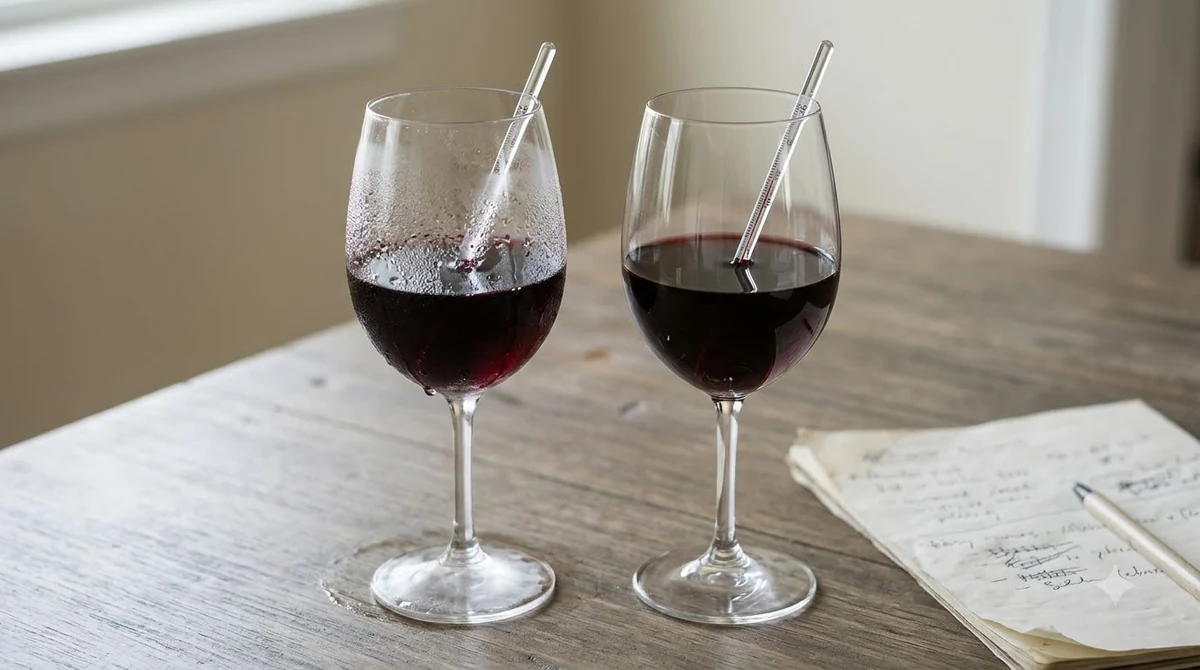
Use these general serving temperatures as a starting point:
- Sparkling wine: 40–50°F.
- Light white wines and rosé: 45–50°F.
- Full-bodied white wines: 50–55°F.
- Light-bodied red wines: 55–60°F.
- Full-bodied red wines: 60–65°F.
- Sweet white wines: 43–50°F.
Serving a white wine too cold can suppress its aromas, while serving a full-bodied red too warm can make its alcohol seem more prominent. A few degrees can change how a wine feels, so avoid relying on the traditional idea that every red wine should be served at ordinary room temperature.
For a tasting at home, use a standard 5-ounce pour. A 750-milliliter bottle provides approximately five glasses, making it easy to plan portions when serving several wines with dinner.
Young, full-bodied reds such as Cabernet Sauvignon or Petite Sirah may benefit from 30 to 60 minutes of decanting. This gives the wine time to interact with air and can make its aromas easier to appreciate. Lighter reds and delicate older bottles may need less aeration.
Store unopened bottles on their sides when they have traditional cork closures, in a relatively consistent environment near 55°F. Protect the wine from direct sunlight, excessive heat, and repeated temperature changes. These conditions are more important for long-term storage than the specific room in which a bottle is kept.
After opening, refrigerate still wines and use them within approximately three to five days. Sparkling wines generally retain their best qualities for one to three days with an appropriate sparkling-wine stopper. Fortified wines can last several weeks after opening, while bag-in-box wines commonly remain usable for four to six weeks.
When purchasing bottles from a Santa Fe tasting room, consider choosing different styles rather than buying several bottles of the same variety. A sparkling wine, a regional red blend, and a local white provide a more complete introduction to the state’s wine production.
Frequently Asked Questions
Is Santa Fe an official American Viticultural Area (AVA)?
Santa Fe is not itself a federally designated American Viticultural Area under that name. The city’s connection to wine tourism comes from its position within northern New Mexico and its access to nearby vineyard communities. An AVA is a geographically defined wine-growing area recognized through the federal appellation system.
What is the oldest grape variety associated with New Mexico’s wine history?
The Mission grape is closely associated with the state’s early Spanish colonial winemaking history. It was introduced during the 17th century and became important for producing sacramental wine. The variety is historically significant because it connects New Mexico’s vineyards with the earliest European-influenced winemaking traditions in the region.
Does New Mexico produce ice wine?
New Mexico’s cold winter conditions can make cold-hardy grape varieties interesting for producers exploring specialty wines. However, authentic ice wine requires grapes to freeze naturally on the vine before harvesting and pressing. Not every sweet wine made in a cold climate qualifies as ice wine.
What does Méthode Champenoise mean on a sparkling wine label?
It refers to the traditional method of producing sparkling wine through a second fermentation inside the bottle. This process creates carbonation naturally and can contribute bread, biscuit, and yeast-related aromas through contact with spent yeast cells. The method is central to Champagne production and is also used by sparkling wine producers in New Mexico.
Can visitors buy New Mexico wine directly from wineries?
Many New Mexico producers sell directly through their tasting rooms, winery shops, and wine clubs. Direct purchasing can be particularly useful for finding smaller-production bottles that may not appear in national retail distribution. Visitors should ask about shipping availability and state-specific restrictions before arranging delivery to another location.
Santa Fe offers a compelling starting point for discovering New Mexico’s distinctive wine culture, from Gruet’s sparkling wines to the family-run vineyards of Dixon and the northern Rio Grande corridor. Its combination of historic winemaking traditions, high-altitude growing conditions, and regional cuisine makes it an appealing destination for curious wine drinkers. Allow time to explore a few tasting rooms, compare local grape varieties, and enjoy the distinctive character of New Mexico wine country.
More in Wine Regions
 Willcox Wine Trail: Discover Arizona’s High-Elevation Wine CountryUpdated Nov 20, 2026
 Yakima Valley Wine Region: Find the Best Styles to TryUpdated Nov 20, 2026
 Vosne Romanee Wine Tasting: Identify Aromas and Choose Better PairingsUpdated Nov 20, 2026
 Yakima Valley Wine Festival: Find the Best Seasonal Wine EventsUpdated Nov 20, 2026
 Wales Vineyards: Discover Cool-Climate Wines and Where to VisitUpdated Nov 20, 2026
 Yountville Wine Festival: Discover Napa Wines and Local FoodUpdated Nov 20, 2026