

We may earn a commission when you buy through links on this page, at no extra cost to you. Learn more.
prosecco wine tasting is easiest when you focus on Glera’s fresh fruit and floral aromas, the wine’s lively acidity, its bubble texture, and the sweetness term on the label. Most bottles show pear, green apple, citrus, or white flowers, but origin and production choices create meaningful differences. A simple side-by-side flight can reveal whether you prefer crisp Brut, softer Extra Dry, or a more concentrated hillside bottling.
Prosecco is not one uniform style of sparkling wine. The name covers a large northeastern Italian production area as well as more specific hillside denominations, and the glass can range from gently fizzy to fully sparkling. Learning a few label terms and tasting in a consistent order makes the wine easier to understand and easier to pair with food.
Prosecco Wine Tasting: What to Look For
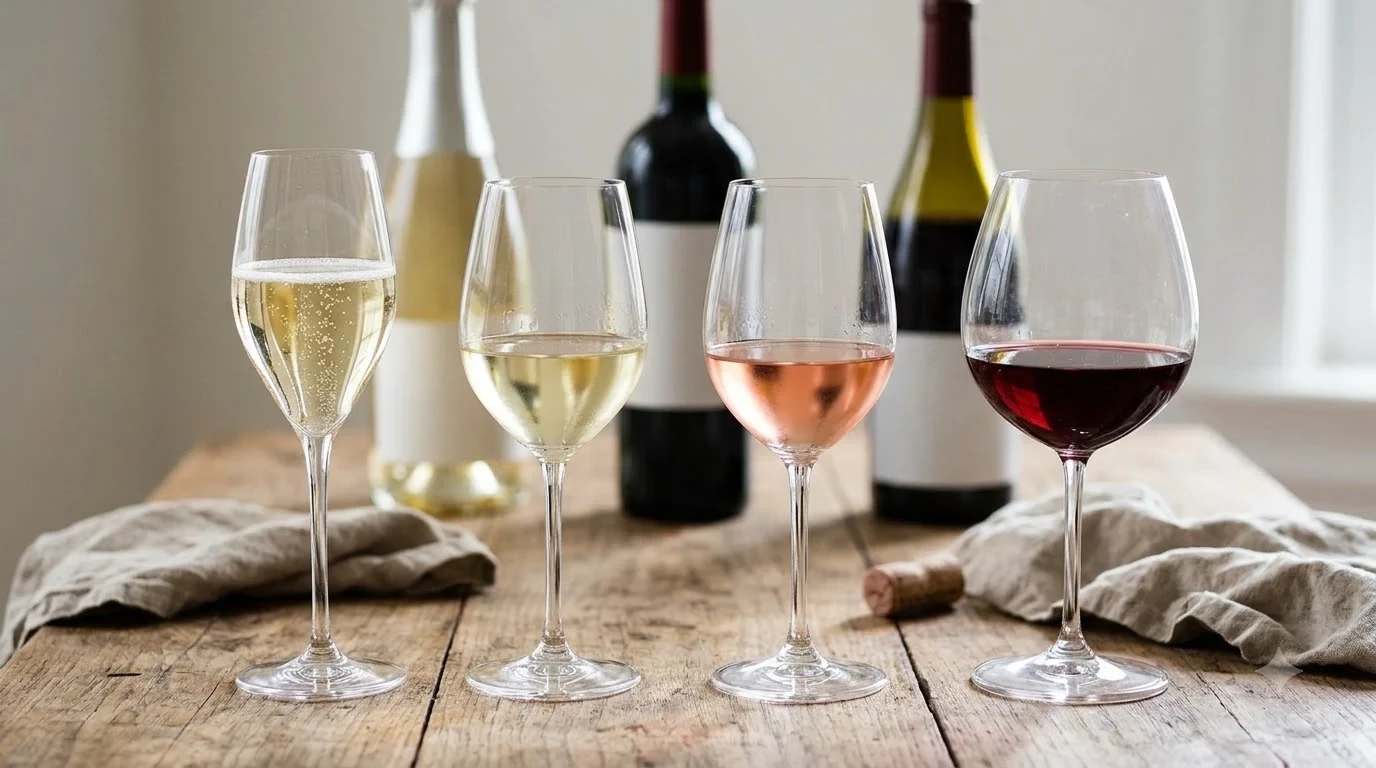
Start with a chilled 5-ounce pour in a tulip-shaped glass, then assess color, bubbles, aroma, acidity, and finish in that order. A typical Prosecco is pale straw yellow, light-bodied, fresh, and centered on orchard fruit rather than oak or heavy spice.

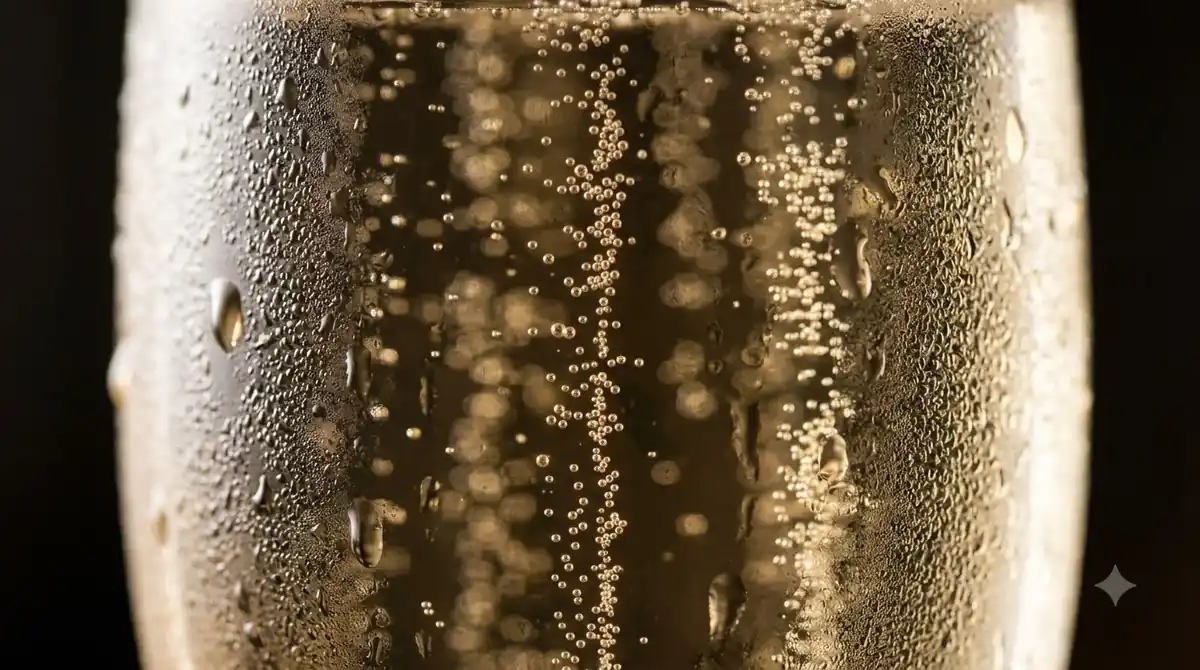
Look at the wine against a white background. Most white Prosecco is clear and pale straw to light gold; Prosecco DOC Rosé ranges from pale to more noticeable pink. Observe whether the bubbles form a steady stream, a fine bead, or a softer fizz. Spumante is fully sparkling and generally has a more persistent mousse, while frizzante has gentler, less lasting effervescence. Bubble size alone does not prove quality, so note how the texture feels rather than trying to rank the wine by its foam.
Swirl gently and smell before taking a sip. Common aromas include green apple, ripe pear, white peach, lemon, and orange or acacia blossom. Some examples also show melon, citrus peel, or a light creamy note. On the palate, look for bright acidity, modest weight, and a clean finish. A good sample should feel balanced: sweetness, acidity, alcohol, and bubbles should work together rather than one element dominating. The aftertaste may be simple and brisk in an easygoing DOC bottling, or longer and more layered in a hillside wine. Pay attention to the moment after the bubbles have faded: acidity often leaves the mouth watering, while residual sugar can leave a rounder impression on the middle of the palate. A faint bitterness in the finish is not automatically a fault; citrus pith, almond skin, or a light herbal note can add definition when the wine remains balanced. The same habit of separating aroma from acidity helps in an Alsace wine tasting, where aromatic white grapes can show orchard-fruit and floral notes without Prosecco’s effervescence.
How Glera and Tank Fermentation Shape Flavor
Glera supplies the recognizable fruit and floral profile of Prosecco, while the Martinotti or Charmat method preserves much of that fresh character. For white Prosecco DOC, Glera must account for at least 85 percent of the blend, with permitted varieties making up no more than the remaining 15 percent.
Allowed supporting grapes include local varieties such as Verdiso, Bianchetta Trevigiana, Perera, and Glera Lunga, as well as Chardonnay, Pinot Bianco, and Pinot Grigio. These are not required additions: many producers make their wine entirely from Glera. Prosecco DOC Rosé follows a different formula, with 85 to 90 percent Glera and 10 to 15 percent Pinot Nero, the Italian name for Pinot Noir, vinified with its skins to provide color. The rosé category is fully sparkling rather than frizzante.
In the tank method, the base wine undergoes a second fermentation in a sealed, pressurized vessel. Yeast converts added sugar into alcohol and carbon dioxide; because the tank is closed, the gas dissolves into the wine. The wine is then filtered and bottled under pressure. This differs from Champagne and Cava, where the second fermentation occurs in the bottle. Tank fermentation helps retain Glera’s perfume and fresh fruit, rather than adding the more pronounced bread, toast, or pastry character often associated with extended lees aging in bottle-fermented sparkling wines. The Consorzio describes this production framework in its Prosecco DOC production regulation, which also defines the permitted grapes and wine categories. This difference is a useful tasting clue, not a quality ranking: a clean, fruit-led tank-fermented wine and a leesy, bottle-fermented wine are designed to express different things.
Reading Prosecco Sweetness Levels in the Glass
The sweetness terms on Prosecco labels describe residual sugar, and their order is counterintuitive to many first-time tasters. Brut is drier than Extra Dry, while Dry is sweeter still; tasting from the driest style toward the sweeter ones makes the differences easier to recognize.
| Label term | Residual sugar | What to expect |
|---|---|---|
| Brut Nature | 0–3 g/L | Very crisp, with little perceptible sweetness |
| Extra Brut | 0–6 g/L | Very dry, often citrus-led |
| Brut | Less than 12 g/L | Dry-tasting, with fruit balanced by acidity |
| Extra Dry | 12–17 g/L | A gentle roundness that can soften tart fruit |
| Dry | 17–32 g/L | Noticeably sweeter, suited to fruit and pastry |
| Demi-Sec | 32–50 g/L | The sweetest common DOC spumante category |
These are regulatory categories, not a guarantee that every wine in one category tastes identical. Acidity can make a wine with measurable residual sugar seem brisk, while ripe fruit aromas may suggest sweetness even when the finish is dry. The official Prosecco DOC sugar ranges overlap at some of their lower boundaries, so use the category as a guide rather than expecting a perfectly spaced ladder.
For a first comparison, place Brut and Extra Dry beside each other. Taste the Brut first, note its citrus and apple impression, then return to the Extra Dry. The second wine may seem rounder and softer, but it should still retain freshness. If a group prefers a drier style, start with Brut Nature or Extra Brut; for a broad crowd, Extra Dry is a familiar middle ground. Demi-Sec is more appropriate when the tasting includes sweet pastries or dessert.
DOC, DOCG, and Hillside Origins
Prosecco DOC covers nine provinces across Veneto and Friuli Venezia Giulia, while the better-known hillside denominations include Conegliano Valdobbiadene Prosecco Superiore DOCG and Asolo Prosecco Superiore DOCG. Comparing these origins helps explain why some bottles feel straightforward and fruit-forward while others show more concentration, texture, and site character.
The wide DOC zone includes plains and foothills, with diverse soils and growing conditions. A label that names Treviso or Trieste points to a more specific production area: the grapes must be harvested, the wine made, and the wine bottled entirely within the named province. The name Prosecco DOC itself is therefore a geographic guarantee, not simply a grape or generic style name. When comparing bottles, record the full denomination and any geographic mention rather than relying on front-label design or a producer’s marketing description.
Conegliano Valdobbiadene sits in the hills north of Treviso. Within this denomination, 43 Rive identify particular hillside sites, each associated with a single commune, while Cartizze is a small and highly regarded area of about 108 hectares in Valdobbiadene. Steeper slopes, exposure, soil, and day-to-night temperature changes can shape the grapes and encourage wines with more defined acidity or concentrated fruit. Asolo is another DOCG source to explore; it offers a separate hillside expression rather than a synonym for Conegliano Valdobbiadene. Do not assume that DOCG always means one flavor profile: producer choices, vintage conditions, harvest timing, and residual sugar still matter. Wine Enthusiast’s overview of Conegliano Valdobbiadene Prosecco Superiore describes how the Rive sites and Cartizze distinguish this hillside denomination from the broad DOC zone. For a wider framework on place-based labeling, the site’s Wine Regions resource can help compare Italian denominations with other regional systems. A Bolgheri wine tasting offers a useful contrast: Cabernet-led Tuscan reds put tannin, body, and structure in focus, rather than Glera’s light frame and bubbles.
A Step-by-Step Prosecco Tasting Flight
A useful tasting flight compares differences one at a time instead of opening several bottles with no plan. Four samples are enough to show how sweetness, bubbles, and origin change the experience without tiring the palate.
Begin by choosing a consistent set: one Brut DOC, one Extra Dry DOC, one frizzante, and one hillside DOCG. Serve each at roughly 43 to 46 degrees Fahrenheit, close to the 6 to 8 degrees Celsius range recommended by the Prosecco DOC consortium. Pour small samples of about 1 to 2 ounces for comparison, keeping the glasses in the same shape and using the same amount in each. A tulip glass gives the aromas more room than a narrow flute, while a neutral white surface makes color easier to compare.
Taste the wines from driest to sweetest, and put the lighter frizzante before the fuller spumante if its bubbles are delicate. For each glass, write down three things: the first aroma you notice, the balance between fruit and acidity, and how long the flavor remains after swallowing. Then revisit the first Brut after the Extra Dry. Your perception of dryness may shift once you have sampled the sweeter wine, which is a useful reminder that tasting order affects judgment. If possible, write the observations before discussing them with the group; tasters often reach for the same broad words even when they notice different details. One person may call the aroma pear, another white peach, and a third honeysuckle. Those descriptions can all point to the same fresh-fruit and floral family without making any one response the correct answer. Keep the flight focused on contrast rather than trying to identify a hidden producer or vintage.
Tip: Keep a simple scorecard with four headings—aroma, bubbles, acidity, and finish. Record a fruit descriptor such as pear or lemon before writing a general verdict like “fresh” or “easy to drink.”
Serving Temperature and Food Pairings
Serve Prosecco cold but not numbingly cold: about 43 to 46 degrees Fahrenheit brings out freshness while leaving room for the fruit and floral aromas to show. Use a tulip-shaped glass, pour a standard 5-ounce serving, and keep the bottle chilled between pours so the last glass is as lively as the first.
Brut and Extra Brut work well with salty and savory foods because their acidity and bubbles refresh the palate between bites. Try them with prosciutto, olives, fried calamari, shrimp, grilled vegetables, or crisp potato snacks. Fresh cheeses, mild cream sauces, and delicate seafood also suit the wine’s light body. For very acidic dishes, such as a salad dressed with lemon or vinegar, choose a Prosecco with equal or higher acidity so the wine does not taste flat beside the food.
Extra Dry can make a flexible aperitif and works with fruit-forward appetizers, mild cheeses, and lightly spiced dishes. Dry or Demi-Sec is a better match for fruit tarts, almond pastries, and desserts whose sweetness would make a Brut seem austere; the wine should be at least as sweet as the dessert. Very hot chili dishes can make alcohol feel more prominent, so keep the pairing mild rather than choosing a heavily spiced plate. For a relaxed tasting menu, pour Brut with salty starters, Extra Dry with fresh fruit or soft cheese, and a sweeter style alongside a small pastry. The wine’s bright acidity is especially useful with fried foods because it refreshes the palate, but it should not be expected to erase heavy seasoning or intense heat. If the menu includes tomato, citrus, or vinegar, taste the wine beside the finished dish before serving it to a group; an acidic component can make a lower-acid wine seem muted. For a regional comparison outside Italy, a Willcox wine tasting can show how a different growing area and grape mix lead to a different set of aroma and structure cues.
Frequently Asked Questions
These final details help decode less common Prosecco terms, including the province name, still-wine category, and traditional bottle-fermented style. They are useful when a tasting includes bottles beyond the standard sparkling DOC.
Why does a Prosecco DOC Rosé label use the word Millesimato?
Prosecco DOC Rosé must carry the word “Millesimato” followed by a vintage year. The production rules require at least 85 percent of the grapes to come from the stated harvest year, linking the rosé bottling to a specific vintage.
Can Prosecco be still rather than sparkling?
Yes. The still version is called “tranquillo,” and it has no visible perlage. It is less common than spumante or frizzante, but it is included among the official Prosecco DOC wine types.
What does Col Fondo mean on a Prosecco bottle?
Col Fondo means “with the bottom,” referring to the yeast sediment left in the bottle. This traditional frizzante style completes its secondary fermentation in bottle and is not disgorged, so it can look cloudy and show tangy, bready, or savory notes.
What does the band on a Prosecco DOC bottle certify?
The Prosecco DOC consortium says the government identification band certifies that the bottle complies with the official product specification. It is an authenticity marker, separate from the sweetness term such as Brut or Extra Dry.
How long does an opened bottle of Prosecco keep its sparkle?
With a sparkling-wine stopper and refrigeration, opened Prosecco is generally best within 1 to 3 days. The bubbles fade as carbon dioxide escapes, so seal the bottle promptly and keep it cold rather than leaving it on the counter.
The most revealing Prosecco tasting compares sweetness, bubble texture, and origin in a consistent order. Start with a Brut DOC, add an Extra Dry, and then explore a hillside DOCG or a traditional frizzante to see how much range this Italian wine can offer. Once the label terms make sense, choosing a bottle for an aperitif, a meal, or dessert becomes much more straightforward.
More in Wine Regions
 Willcox Wine Trail: Discover Arizona’s High-Elevation Wine CountryUpdated Nov 20, 2026
 Yakima Valley Wine Region: Find the Best Styles to TryUpdated Nov 20, 2026
 Vosne Romanee Wine Tasting: Identify Aromas and Choose Better PairingsUpdated Nov 20, 2026
 Yakima Valley Wine Festival: Find the Best Seasonal Wine EventsUpdated Nov 20, 2026
 Wales Vineyards: Discover Cool-Climate Wines and Where to VisitUpdated Nov 20, 2026
 Yountville Wine Festival: Discover Napa Wines and Local FoodUpdated Nov 20, 2026