

We may earn a commission when you buy through links on this page, at no extra cost to you. Learn more.
Piedmont wine tasting introduces visitors to some of Italy’s most celebrated wines, including Barolo, Barbaresco, Barbera, Dolcetto, Gavi, and Moscato d’Asti. Located in northwestern Italy, Piedmont offers an unusually varied tasting experience, with structured Nebbiolo reds, refreshing whites, aromatic sparkling wines, and approachable everyday bottles. The best visits combine regional comparisons with conversations at local wineries, traditional food, and an understanding of the vineyards behind each glass.
Piedmont, or Piemonte in Italian, rewards wine enthusiasts who look beyond famous labels. Its landscapes stretch from the Langhe hills to Roero and Monferrato, with different grape varieties and wine styles associated with each area. Whether planning a dedicated wine vacation or simply building a better understanding of Italian wine, knowing what to taste and where to find it makes each winery visit more meaningful.
Understanding Piedmont’s Wine Country and Its Main Areas
Piedmont’s wine identity comes from a combination of geography, grape varieties, and local winemaking traditions. The Langhe, Roero, and Monferrato provide three useful starting points for understanding the region, while smaller northern and southern appellations add even more variety.
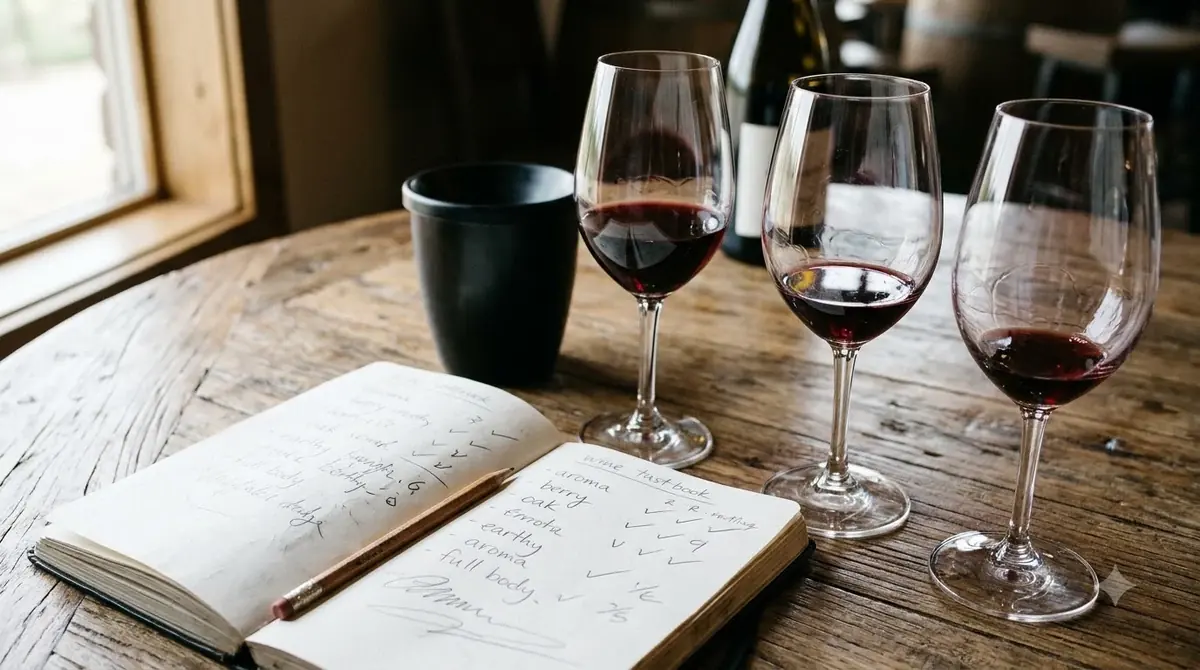
Piedmont occupies northwestern Italy, close to the French and Swiss borders. Its vineyards benefit from a landscape shaped by the Alps, the Apennines, rivers, and rolling hills. According to Italia.it, the region has more than 43,000 hectares of vineyards and 19 DOCG and 41 DOC designations. These figures illustrate the scale and diversity of its wine production. The Italian national tourism portal provides an overview of the region’s red, white, and sparkling wine traditions.
The Langhe is the most famous destination for visitors interested in Nebbiolo. Its vineyard landscapes surround Alba and include the celebrated Barolo and Barbaresco production areas. Barolo and Barbaresco are neighboring appellations, but their wines can differ in structure, aromatic expression, and aging development. A tasting that includes both provides an excellent introduction to the region’s signature grape.
Roero sits across the Tanaro River from the Langhe. Its sandy geological formations, known locally as Rocche, distinguish the landscape. Roero produces Nebbiolo-based red wine and Roero Arneis, a white wine that offers a refreshing alternative to the region’s more famous reds.
Monferrato covers a broad territory associated with the provinces of Alessandria and Asti. It is particularly important for Barbera d’Asti, Moscato d’Asti, Grignolino, Ruché, and several other local varieties. Visitors who spend time here discover a wider range of Piedmontese wine than a trip focused exclusively on Barolo.
Other areas also deserve attention. Alta Langa, toward the Ligurian Apennines, is associated with cooler conditions and traditional-method sparkling wine. Northern Piedmont includes appellations such as Gattinara and Ghemme, where Nebbiolo is also important. These wines offer an interesting comparison with the better-known expressions from the Langhe.
For travelers comparing Italian wine destinations, the regional overview at Wine Regions provides a useful starting point. Piedmont is particularly rewarding because a relatively compact selection of destinations can reveal several distinct grape varieties and production traditions.
Barolo, Barbaresco, and the Character of Nebbiolo
Nebbiolo is the grape that gives Piedmont its international reputation. Barolo and Barbaresco are the essential reference points for understanding its high tannin, fresh acidity, aromatic complexity, and capacity to develop with age.
Barolo is often the first wine visitors request during a Piedmont tasting. Made entirely from Nebbiolo, it is known for a relatively pale garnet color, firm tannins, and aromas that can include roses, dried herbs, red cherries, licorice, and earthy notes. Its structure makes it a particularly interesting wine to taste slowly rather than judge from the first sip.
Barbaresco also comes entirely from Nebbiolo, but it often presents a different balance of fragrance, texture, and structure. Some examples feel more immediately expressive, although producer choices, vineyard location, and vintage conditions make broad generalizations unreliable. Tasting Barolo and Barbaresco side by side is more informative than treating either appellation as automatically superior.
Look for differences in the wine’s color, aromatic intensity, tannin texture, and finish. Barolo can feel particularly powerful and structured, while Barbaresco may show a more open aromatic profile. Neither description applies to every bottle, so ask the producer about the vineyard and winemaking decisions behind the wines.
Understanding Nebbiolo’s vineyard expressions
One of the most valuable tasting exercises involves comparing Nebbiolo from different vineyard sites. The same grape can produce wines with noticeably different structures and aromatic profiles depending on soil, exposure, elevation, and cellar practices.
In the Barolo area, visitors may encounter villages such as La Morra, Serralunga d’Alba, Castiglione Falletto, and Monforte d’Alba. Rather than attempting to memorize every vineyard name, begin by asking how the producer describes the character of the individual site. Notice whether the wine emphasizes perfume, firmness, concentration, or a more restrained texture.
Barbaresco offers another useful comparison through its principal village areas, including Barbaresco, Neive, and Treiso. Tasting wines from different villages can demonstrate how local growing conditions contribute to variation even when the grape variety remains the same.
Age is another important consideration. Young Nebbiolo may display pronounced tannins and tightly held fruit, while mature examples can develop dried floral, savory, and earthy characteristics. A tasting that includes two different ages of Barolo helps demonstrate how the wine changes in the bottle.
Ask whether the winery can pour a younger and older vintage together. If available, this is often more revealing than adding another unrelated red wine to the tasting lineup.
Barbera, Dolcetto, and Other Piedmont Red Wines
Piedmont’s red-wine selection extends well beyond Nebbiolo. Barbera and Dolcetto offer different combinations of fruit, acidity, and tannin, making them important wines to include in a balanced tasting.
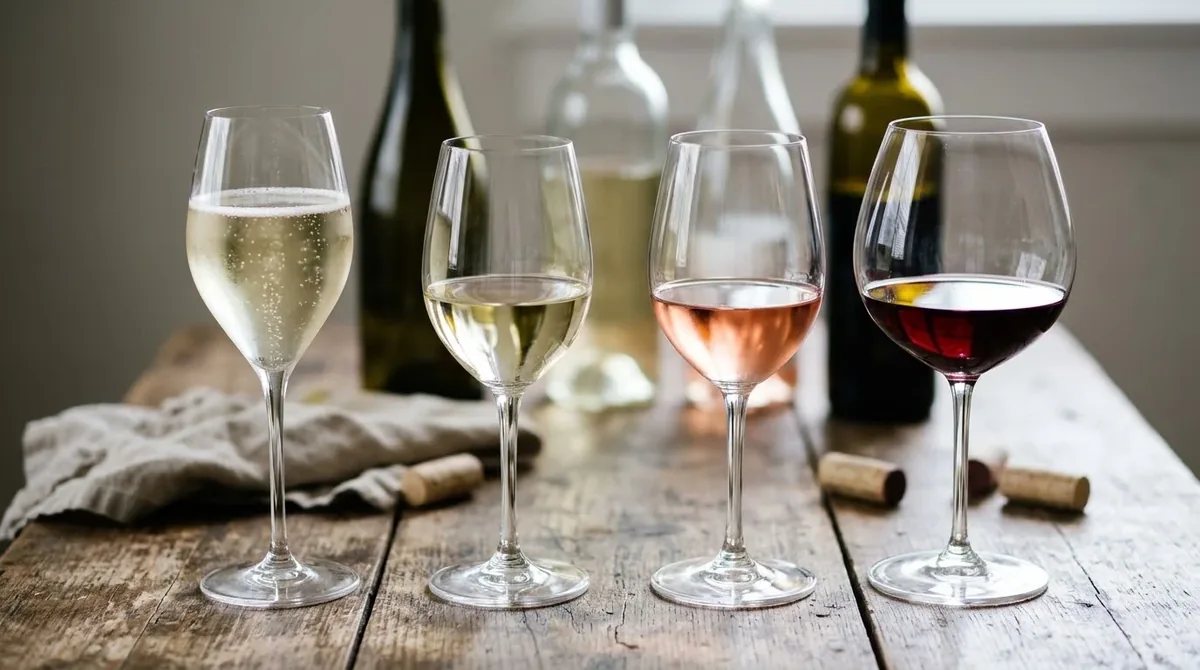
Barbera is the region’s most widely planted red grape. Wines labeled Barbera d’Alba or Barbera d’Asti typically feature juicy red fruit, bright acidity, and a relatively approachable texture. Cherry, raspberry, plum, and spice are common tasting references, although the precise profile depends on the producer and style.
Its high acidity makes Barbera particularly useful at the dinner table. It can cut through rich cheese, fatty sausages, and tomato-based dishes without feeling heavy. Visitors who find Nebbiolo too structured for casual drinking often appreciate Barbera as a more immediately accessible alternative.
Dolcetto offers a different experience. Its wines commonly show dark fruit, including blueberry, black cherry, and plum. They tend to have lower acidity and relatively high tannin compared with Barbera. The resulting wines can feel rounded and fruit-forward while retaining a noticeable grip.
Dolcetto d’Alba and Dolcetto di Dogliani are useful labels to recognize. Dogliani is particularly associated with this grape, while Dolcetto d’Alba provides another expression from the Langhe. These wines generally suit casual meals, antipasti, pasta, and grilled meats.
Other red grapes add further variety. Grignolino produces lighter-colored wines with distinctive freshness and a different tannin profile. Ruché, associated with the Castagnole Monferrato area, is appreciated for its aromatic character. Freisa and Pelaverga also provide interesting opportunities for visitors who want to explore varieties beyond the region’s most famous names.
A useful red-wine tasting sequence
For a comparative tasting, begin with Dolcetto, move to Barbera, and finish with Nebbiolo. This order generally progresses from approachable dark-fruit flavors to brighter acidity and then more structured tannins. If the tasting includes a particularly concentrated or mature Barolo, reserve it for the final pour.
The following characteristics provide a practical reference when comparing the region’s main red wines.
| Wine | Main grape | Typical character | Acidity and tannin |
|---|---|---|---|
| Barolo | Nebbiolo | Floral, red fruit, savory notes | High acidity, high tannin |
| Barbaresco | Nebbiolo | Rose, cherry, spice | High acidity, high tannin |
| Barbera d’Asti | Barbera | Cherry, raspberry, spice | High acidity, softer tannin |
| Dolcetto d’Alba | Dolcetto | Blueberry, plum, black cherry | Lower acidity, relatively high tannin |
| Grignolino | Grignolino | Light red fruit, spice | Fresh acidity, noticeable tannin |
These descriptions are broad tasting guides rather than fixed rules. Winemaking methods, vintage conditions, and individual vineyard sites can produce significant differences within each category.
White and Sparkling Wines Worth Adding to Your Tasting
Piedmont is not exclusively a red-wine destination. Gavi, Roero Arneis, Timorasso, Moscato d’Asti, and Alta Langa sparkling wine show a different side of the region and make a tasting itinerary more varied.
Gavi is produced from Cortese and is one of the best-known dry white wines from Piedmont. Its crisp acidity and fresh character make it a natural choice for seafood, grilled fish, vegetables, and lighter appetizers. It is particularly useful as an opening wine before moving into the region’s more structured reds.
Roero Arneis comes from the Roero area and offers another dry white option. It is generally appreciated for its fresh fruit, floral character, and approachable texture. Its association with the sandy landscapes north of the Tanaro River makes it a useful regional comparison with Gavi.
Timorasso is another white grape worth seeking out, particularly in the Colli Tortonesi area. It can produce fuller-bodied wines with pronounced structure and the ability to develop additional complexity with bottle age. Visitors who enjoy white Burgundy or other substantial dry whites may find it especially interesting.
Moscato d’Asti and Asti Spumante
The Asti area is responsible for two particularly distinctive sparkling wines. Both are made from Moscato Bianco, but they differ in their carbonation, sweetness, and typical alcohol content.
Moscato d’Asti is lightly sparkling, aromatic, and sweet, with a typical alcohol level of approximately 5–5.5% ABV. It often displays peach, citrus, orange blossom, and fresh grape aromas. Its gentle bubbles and sweetness make it a natural partner for fruit desserts and pastries.
Asti Spumante is fully sparkling and typically contains approximately 7–9.5% ABV. It is generally less sweet than Moscato d’Asti, although the precise sweetness depends on the wine’s production style. It offers a festive alternative to dry sparkling wines and is especially useful when serving lighter desserts.
Alta Langa traditional-method sparkling wine
Alta Langa offers a different sparkling-wine experience. Unlike Moscato d’Asti, which is associated with aromatic sweetness, Alta Langa is produced using the traditional method, with secondary fermentation taking place in the bottle.
These wines can be white or rosé and offer an opportunity to explore a more restrained sparkling style. They are particularly interesting for visitors who enjoy comparing traditional-method sparkling wines from different regions. Ask about the grapes used, the length of aging, and whether the wine is Brut or another sweetness category.
For an especially informative visit, compare Gavi, Roero Arneis, and Moscato d’Asti before moving to the reds. This sequence highlights how different the region can be without requiring a large number of tastings.
Planning Winery Visits in the Langhe, Roero, and Monferrato
The quality of a Piedmont winery visit depends as much on the producer and the tasting format as on the wines themselves. Small family-run cellars, historic estates, and modern tasting facilities can offer very different experiences.
The Langhe is a logical base for visitors whose priority is Barolo and Barbaresco. Alba provides a convenient center for exploring nearby wine villages, while La Morra, Barolo, and Serralunga d’Alba offer opportunities to visit producers closer to their vineyards. Neive and Barbaresco are useful destinations for exploring the neighboring Barbaresco appellation.
Many smaller Langhe wineries welcome visitors for guided experiences that include a discussion with the producer, a look at the winemaking facilities, and a tasting of several wines. According to Langhe.net, visits can include cellar and aging-room tours, vineyard walks when weather permits, and local food served alongside the wines.
Roero makes a worthwhile addition for visitors interested in contrasting Nebbiolo with Arneis. Towns such as Canale and surrounding villages provide a useful base for exploring the area’s wineries. A visit here can help explain how the Tanaro River separates two neighboring wine landscapes with distinct identities.
Monferrato is especially rewarding for Barbera enthusiasts. Asti provides a useful center for exploring the surrounding vineyards, while the wider area includes producers specializing in Grignolino, Ruché, Moscato, and other local varieties.
How many wineries should you visit?
For most visitors, two winery appointments in one day provide a comfortable balance. A morning visit can focus on a vineyard or cellar experience, followed by lunch and an afternoon tasting that emphasizes a different grape variety or appellation.
Three or more formal tastings can become tiring, especially when each appointment includes several wines and a guided tour. Allow time for driving, meals, conversations, and enjoying the scenery rather than treating the itinerary as a checklist of producers.
The regional tourism organization for Langhe, Monferrato, and Roero identifies more than 400 cellars open to the public in the destination area. Its official winery-visiting information highlights opportunities to meet producers, explore cellars, and taste wines from both internationally recognized estates and smaller family-run businesses.
Booking and preparing for a visit
Reservations are strongly recommended, particularly at smaller wineries. Some producers welcome visitors by appointment rather than operating a continuously staffed tasting room. Contact the winery directly, state how many people are attending, and explain whether you want a basic tasting, a vineyard tour, or a more detailed cellar experience.
Ask how many wines are included and whether food is provided. Some visits feature local cold cuts, cheeses, hazelnuts, or other traditional products, while others offer a simpler tasting with breadsticks. Knowing the format in advance makes it easier to plan lunch and the rest of the day.
Language is another practical consideration. Many wineries welcome international visitors, but English-language availability can vary. Confirm the language of the tour when making the reservation, particularly if you want detailed explanations of vineyard practices or winemaking methods.
For travelers comparing winery experiences in different regions, Alsace wine tasting offers a useful contrast in regional grape varieties and tasting traditions. Visitors interested in exploring a different Italian coastal wine landscape can also consider Bolgheri wine tasting.
Tip: Request a tasting that includes at least one local white, one Barbera or Dolcetto, and one Nebbiolo-based wine. This gives you a broader understanding of Piedmont than choosing several bottles from the same grape variety.
Food Pairings, Serving Temperatures, and Tasting Technique
Piedmontese food is an important part of understanding the region’s wines. Rich meat dishes, handmade pasta, local cheeses, mushrooms, hazelnuts, and truffles all influence how different wines perform at the table.
Barolo and Barbaresco are particularly well suited to rich dishes because their firm tannins and acidity can complement concentrated flavors. Try Nebbiolo with braised beef, beef ragù, roasted meats, or aged hard cheese. The richness of the food helps balance the wine’s tannic structure.
Barbera is a versatile choice for tomato-based pasta, pizza, pork sausages, and dishes containing cheese. Its high acidity provides freshness alongside fatty ingredients. Dolcetto is a natural match for antipasti, grilled meats, mushroom pasta, and casual meals featuring cured meats.
Gavi and Roero Arneis work well with seafood, grilled vegetables, chicken, and lighter appetizers. Moscato d’Asti is better suited to desserts that are not sweeter than the wine itself. Fruit tarts, peaches, and lightly sweet pastries are useful pairing choices.
Traditional foods to try
Several local dishes help make a regional tasting more memorable. Tajarin, a fine egg-pasta preparation, is often served with butter, meat sauces, or seasonal ingredients. Its richness can work particularly well with Barbera or a more structured Nebbiolo.
Brasato al Barolo is a classic braised-beef preparation associated with the region. The slow-cooked meat and concentrated sauce make a natural partner for Nebbiolo-based reds. Another well-known specialty is vitello tonnato, thinly sliced veal served with a creamy tuna sauce. Its texture and savory character can work well with a fresh white wine.
Local cheeses also deserve attention. Toma, Castelmagno, and aged regional cheeses offer different levels of richness and intensity. Salt and fat can soften the perception of tannin, making some cheeses particularly effective alongside Barolo and Barbaresco.
Serving and evaluating the wines
Serving temperature affects how a wine’s acidity, aromas, alcohol, and tannins are perceived. Sparkling wines generally show well around 40–50 degrees Fahrenheit. Light whites are best around 45–50 degrees, while fuller-bodied whites can be served around 50–55 degrees.
Light reds generally benefit from 55–60 degrees Fahrenheit, and fuller reds from 60–65 degrees. A structured Barolo should not be served excessively warm, since heat can make the alcohol feel more prominent and the wine less balanced.
When tasting, start by looking at the wine’s color and clarity. Swirl gently, smell before taking a sip, and notice the difference between the initial aroma and the flavors that emerge after the wine has been in contact with air.
Pay attention to four basic elements: acidity, tannin, body, and finish. Nebbiolo is particularly useful for studying tannin and acidity, while Barbera demonstrates how high acidity can create freshness even in a ripe red wine.
For a comparative tasting, take brief notes after each wine. Record the grape, appellation, producer, vintage, and one or two memorable characteristics. This is more useful than trying to describe every aroma you encounter.
Building a Practical Piedmont Wine Tasting Itinerary
A good itinerary should balance famous appellations with smaller regional discoveries. Three days provide enough time to explore the Langhe, Roero, and Monferrato without spending the entire trip traveling between wineries.
Start with the Langhe on the first day. Base the morning around Barolo or La Morra, with an appointment at a winery specializing in Nebbiolo. Taste a younger Langhe Nebbiolo alongside Barolo to understand the differences in structure and appellation requirements.
After lunch, visit another producer in the broader Barolo area or travel toward Barbaresco. If the second appointment focuses on Barbaresco, ask whether a comparison between different vineyard sites is possible. This makes the day more educational than simply tasting several unrelated wines.
On the second day, concentrate on Roero. Begin with Roero Arneis, then explore the area’s Nebbiolo-based wines. Ask the producer about the local sandy soils and the way the area’s landscape differs from the Langhe. A relaxed lunch featuring local cheese or pasta provides a natural break between appointments.
The third day can focus on Monferrato and Asti. Include Barbera d’Asti, Grignolino, or Ruché in the tasting, followed by Moscato d’Asti or Asti Spumante. This final day provides a contrast to the structured Nebbiolo wines encountered earlier in the trip.
Suggested three-day tasting structure
The following schedule is a planning framework rather than a fixed route. Adjust the number of appointments according to driving distances, opening hours, and the amount of time each producer allocates to visitors.
| Day | Area | Morning focus | Afternoon focus |
|---|---|---|---|
| 1 | Langhe | Barolo and Langhe Nebbiolo | Barbaresco comparison |
| 2 | Roero | Roero Arneis | Roero Nebbiolo |
| 3 | Monferrato | Barbera d’Asti | Grignolino and Moscato d’Asti |
Build in time for lunch and travel rather than scheduling appointments back to back. Winery visits can last longer than expected when the producer explains the vineyards, production methods, and differences between individual wines.
For a more focused visit, choose one principal wine style each day. This makes comparisons easier and leaves room for spontaneous discoveries at local wine bars or restaurants. A day devoted to Nebbiolo, for example, can include Langhe Nebbiolo, Barbaresco, and Barolo without requiring an exhausting number of appointments.
Visitors with additional time can explore the northern appellations or travel toward Alta Langa for traditional-method sparkling wines. These areas broaden the experience beyond the famous red wines and show how much variety exists throughout Piedmont.
Frequently Asked Questions
What is the difference between Barolo and Barbaresco?
Both wines are made entirely from Nebbiolo, but their production regulations specify different minimum aging periods. Barolo generally requires at least 38 months of aging from November 1 of the harvest year, including 18 months in wood, while Barbaresco requires at least 26 months, including 9 months in wood. Riserva categories require longer aging periods.
Is Nebbiolo the same grape as Spanna?
Spanna is a traditional local name for Nebbiolo used in parts of northern Piedmont. It is associated particularly with wines from areas such as Gattinara and certain northern appellations. Recognizing both names helps visitors understand labels from different parts of the region.
What is the difference between DOC and DOCG?
DOC stands for Denominazione di Origine Controllata, while DOCG stands for Denominazione di Origine Controllata e Garantita. Both classifications establish geographical and production requirements. DOCG adds further regulatory controls, including additional certification and testing requirements.
Does Piedmont produce rosé wine?
Yes. Piedmont produces rosé wines, including traditional-method sparkling rosé under Alta Langa DOCG. Visitors may also encounter rosé expressions made from local grapes at individual wineries. These wines provide an additional point of comparison alongside the region’s better-known reds and whites.
What does Riserva mean on a Piedmont wine label?
Riserva identifies a wine category subject to longer minimum aging requirements than its standard counterpart. The exact requirements depend on the appellation, so a Barolo Riserva and Barbaresco Riserva do not necessarily follow identical aging schedules. The designation generally indicates an additional regulatory aging requirement rather than a universal quality ranking.
Piedmont offers far more than its celebrated Barolo and Barbaresco, with Barbera, Dolcetto, Gavi, Arneis, Moscato, and traditional-method sparkling wines adding depth to the experience. Plan visits around individual wine styles, reserve appointments in advance, and allow enough time to appreciate the local food and vineyard landscapes. A thoughtful tasting itinerary makes it easier to understand why Piedmont remains one of Italy’s most rewarding wine regions.
More in Wine Regions
 Willcox Wine Trail: Discover Arizona’s High-Elevation Wine CountryUpdated Nov 20, 2026
 Yakima Valley Wine Region: Find the Best Styles to TryUpdated Nov 20, 2026
 Vosne Romanee Wine Tasting: Identify Aromas and Choose Better PairingsUpdated Nov 20, 2026
 Yakima Valley Wine Festival: Find the Best Seasonal Wine EventsUpdated Nov 20, 2026
 Wales Vineyards: Discover Cool-Climate Wines and Where to VisitUpdated Nov 20, 2026
 Yountville Wine Festival: Discover Napa Wines and Local FoodUpdated Nov 20, 2026