

We may earn a commission when you buy through links on this page, at no extra cost to you. Learn more.
Aubert wine comes from Aubert Wines, a winery whose range is built around Chardonnay and Pinot Noir. The winery is run by Mark Aubert, who is co-owner and winemaker, and Teresa Aubert, who is co-owner and CEO. The brand describes its approach as minimal intervention, so the goal is for each bottle to show the vineyard it came from.
This guide covers who makes Aubert wine, what the lineup includes, how the winery describes its vineyards and style, and how to serve these wines with food. It relies on the winery’s own website and on general notes about Chardonnay and Pinot Noir, so you can match what you read here with what is on the label.
Who makes Aubert wine and how they describe their approach
The Aubert winery names two founders on its About page: Mark Aubert and Teresa Aubert. Mark is listed as co-owner and winemaker, and Teresa as co-owner and CEO. The page describes the winemaker as having “a farmer’s heart and artisan’s soul,” which signals that the brand puts the vineyard work ahead of the cellar techniques.
The winery says it crafts its wine “with minimal intervention so a sense of place is elegantly reflected in every bottle.” In practice, minimal intervention means fewer additions and manipulations in the cellar, so the character of the grapes and the site shows more clearly in the glass. The same About page says the winemakers look to nature for guidance and to science for insight, and that great wine is rooted in the relationship with the land.
The Aubert lineup: Chardonnay and Pinot Noir
The winery’s site organizes its wines into two categories, Chardonnay and Pinot Noir. Those two grapes are the core of the brand, and the rest of the range is built on the same idea of showing a single vineyard in each bottle. The site does not, in the pages reviewed, describe each bottling in detail, so the best way to learn the lineup is to compare the vineyard name on each label with the style notes below.
Chardonnay and Pinot Noir are a natural pair for a winery focused on sense of place. Both grapes take on clear character from the site where they grow, from cooler and windier areas that keep acidity high to warmer spots that produce riper fruit. A range built around these two varieties lets a buyer taste how one producer handles two very different grapes.
Vineyard sources listed by Aubert
Aubert names ten vineyard sources on its website. Vineyard names matter in this category because they tell you which block the grapes came from, and many fine-wine buyers choose a bottle by its site rather than by the grape alone. The table below lists the sources as the winery names them, without any descriptions that the site does not provide.
| Vineyard source named by Aubert | Where to see it |
|---|---|
| CIX | Vineyard name printed on the bottle |
| Eastside | Vineyard name printed on the bottle |
| Hudson | Vineyard name printed on the bottle |
| Larry Hyde & Sons | Vineyard name printed on the bottle |
| Lauren | Vineyard name printed on the bottle |
| Park Avenue | Vineyard name printed on the bottle |
| Powder House | Vineyard name printed on the bottle |
| Sugar Shack | Vineyard name printed on the bottle |
| UV | Vineyard name printed on the bottle |
| UV-SL | Vineyard name printed on the bottle |
Taste profile and style to expect
Because Aubert describes its wines in terms of place rather than fixed flavor notes, the best guide to what is in the glass is the grape and the vineyard. A Chardonnay from a single site is usually expected to show the fruit and texture of that place, with the winemaking adding structure rather than hiding it. A Pinot Noir is generally lighter in color than most red wines, with bright red fruit and a silky feel when the vineyard is cool.
The winery’s own language points toward balance and clarity. Minimal intervention tends to produce wines that taste fresh and specific, with less of the heavy toast or ripe sweetness that some producers rely on. Readers who like a restrained style will likely respond well to that approach, while those who want bold, heavily oaked wines may find the range subtle.
How to serve and pair Aubert wines
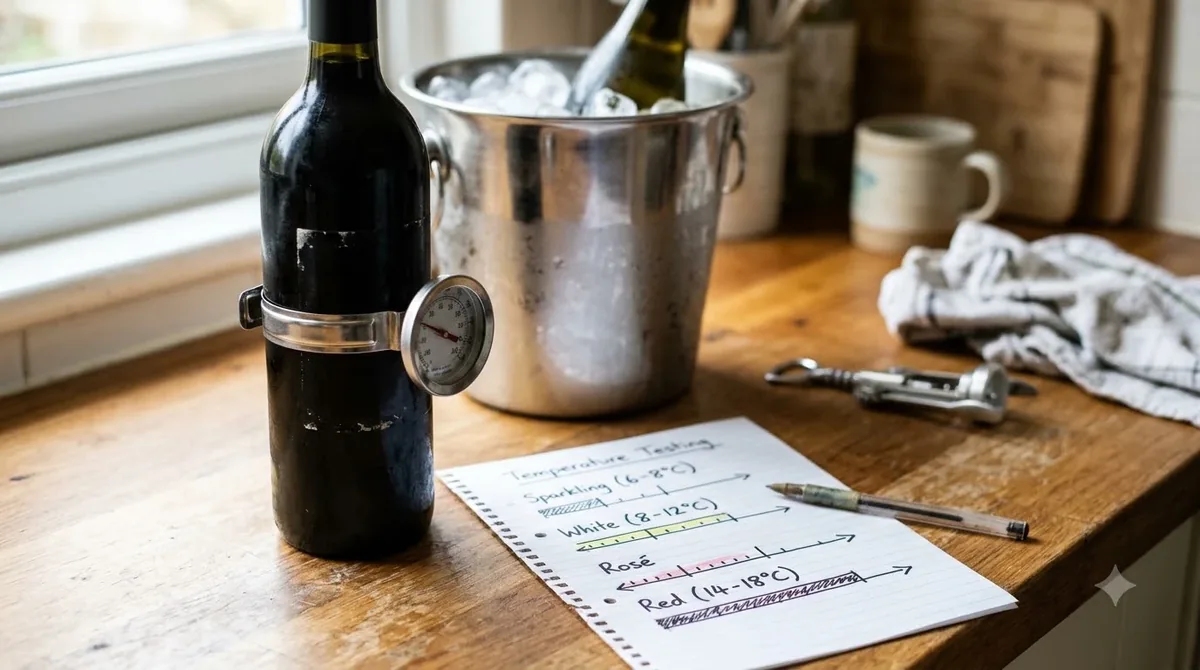
Serving temperature and glassware have a bigger effect on a single-vineyard wine than many people expect. A white that is too cold can hide its aromas, and a red that is too warm can taste heavier than it is. Taking a bottle out of the fridge a short time before pouring, and using a glass with enough room for the wine to breathe, usually makes the difference between a flat pour and an expressive one.
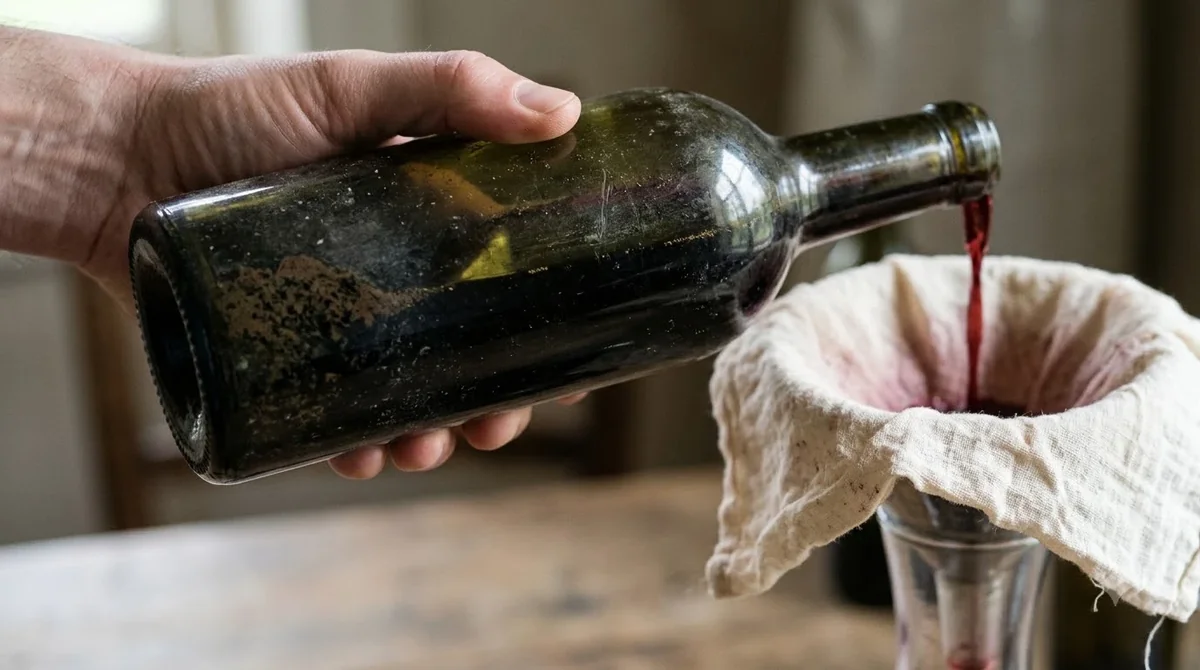
Serve the Chardonnay cool rather than ice cold, so the aromas can open up in the glass. Pinot Noir is usually best slightly cooler than room temperature, which keeps its fruit lively and its tannins gentle. A decanter is rarely needed for Pinot Noir, but a short rest in the glass can help the aromas show as the wine warms.
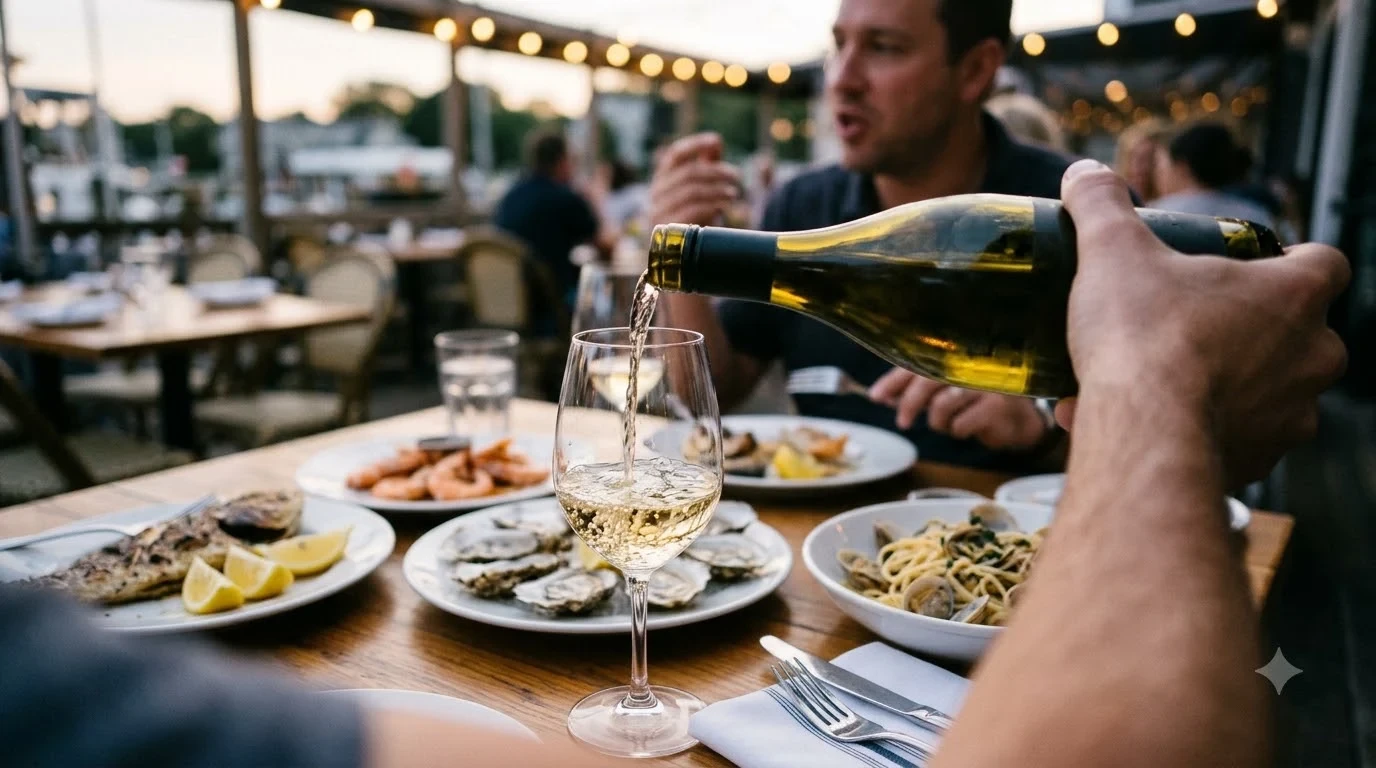
For food, Chardonnay works well with roast chicken, mild cheeses, and seafood dishes that include butter or cream. Pinot Noir is a versatile partner for salmon, mushroom dishes, roast duck, and many vegetable-forward meals. Because both wines are built around balance rather than power, they are often easier to match with food than heavier wines are. If you are comparing a few producers at the same time, the Pedernales wine guide is a useful second read.
Who Aubert wine suits and who might skip it
Aubert suits buyers who want a wine that reflects where it was grown and who appreciate a restrained style. It is a good match for dinner guests who like Chardonnay or Pinot Noir and want something more specific than a generic bottle. It is also a useful choice for buyers who want to compare vineyards, since the brand gives them a clear list of named sites to work through.
Buyers who prefer big, oaky Chardonnay or dense, jammy red wine may find Aubert too quiet. Those who want a single wine to cover every occasion may also prefer a broader range. Comparing a few bottles from the same grape can help you see whether the minimal intervention style fits your taste. Another option is to set Aubert beside a second winery on your list, such as Spottswoode wine, and taste them side by side.
Frequently Asked Questions
Who makes Aubert wine?
Aubert Wines is run by Mark Aubert, who is co-owner and winemaker, and Teresa Aubert, who is co-owner and CEO. The winery’s About page describes the winemaker as having a farmer’s heart and an artisan’s soul.
What kinds of wine does Aubert make?
The winery’s website lists two wine categories, Chardonnay and Pinot Noir. The site names ten vineyard sources, including UV, UV-SL, Sugar Shack, and Park Avenue, which appear on the labels for different bottlings.
What does minimal intervention mean for Aubert?
Minimal intervention means the winemakers add or change as little as possible in the cellar. The aim, as the winery describes it, is for the sense of place to come through in every bottle rather than being covered by winemaking choices.
How should I serve Aubert Chardonnay and Pinot Noir?
Serve the Chardonnay cool rather than ice cold, and the Pinot Noir slightly cooler than room temperature. Both benefit from a few minutes in the glass before tasting so the aromas can develop.
Aubert wine is a clear example of a producer that puts vineyard identity first. If you enjoy Chardonnay or Pinot Noir and want to taste how a single site shapes a wine, start with one bottle, note the vineyard name, and compare it with a second bottle from a different site.
More in Wine Brands
 Underwood Wine Price: Compare Bottles, Cans, and Pack SizesUpdated Nov 21, 2026
 Zenato Wine Price: Compare Styles and Choose the Right BottleUpdated Nov 21, 2026
 Zuccardi Wine Price: Compare Bottles and Find the Right RangeUpdated Nov 21, 2026
 Yellow Tail Moscato Review: Taste, Sweetness and Serving TipsUpdated Nov 21, 2026
 Wolf Blass Yellow Label Review: Choose Your Best StyleUpdated Nov 21, 2026
 Wolffer Estate Rose Review: Choose the Right Bottle for Your TableUpdated Nov 21, 2026