

We may earn a commission when you buy through links on this page, at no extra cost to you. Learn more.
Tablas Creek wine comes from Tablas Creek Vineyard, a Paso Robles estate founded on a partnership between the Perrin family of Châteauneuf-du-Pape and the Haas family of California. The estate focuses on Rhône-style red and white blends, and it is known for bringing a range of Rhône grape varieties to California. If you are deciding whether to try a Tablas Creek bottle, the sections below explain the story, the main wines, how to serve them, and which foods suit them.
Tablas Creek is a name that often comes up when people explore Rhône-style wines from the United States. The estate’s own history is the best starting point, because the wines are closely tied to the family partnership and the vineyard choices behind them. This guide walks through that background, then moves on to what to expect in the glass and how to choose a bottle.
The Perrin and Haas Partnership
The estate’s story rests on a partnership between two families. The Perrin family has long been associated with Château de Beaucastel in Châteauneuf-du-Pape, one of the best-known estates in the southern Rhône. The Haas family is based in California. According to the estate’s own website, the Perrin and Haas families worked together to bring Châteauneuf-du-Pape-style winemaking to California, and the partnership is the basis for the whole operation.
The estate sits at 9339 Adelaida Road in Paso Robles, California. The producer says it brought 18 Rhône grape varieties to America. The idea was to test which varieties would thrive in the dry, warm climate of the Central Coast, and to share the results with growers and winemakers. That research-minded approach is still part of how the estate describes itself.
Why Rhône Grapes Matter in Paso Robles
Rhône grapes come from the valley that runs south from Lyon to the Mediterranean. The wines are usually built on blends of grapes such as Grenache, Syrah, and Mourvèdre, along with white varieties like Viognier and Roussanne. Paso Robles has a warm, sunny climate with cool nights in some areas, and many growers in the region have found that Rhône varieties suit that balance well.
For a buyer, the practical point is simple. Rhône-style wines from this region often feel riper and fuller than cool-climate wines, while still keeping enough structure to pair with food. If you like wines that are generous in fruit and texture without being flabby, this style is worth exploring.
The Main Wines to Know
Tablas Creek is best known for a few flagship and everyday bottlings. Patelin de Tablas is the estate’s approachable red blend, and the estate reports that its 2024 vintage received 93 points from Wine Spectator along with a Smart Buy designation. Esprit de Tablas is described by the estate as its flagship wine, and the estate’s Esprit Club sends a case each spring.
Because the estate’s lineup changes by vintage, it is helpful to check the current release notes on the producer’s site rather than relying on a single bottle from years ago. The table below shows how to think about the main categories when you shop.
| Category | What to expect | Good for |
|---|---|---|
| Everyday red blend (such as Patelin de Tablas) | Fruit-forward, approachable, versatile | Weeknight dinners, a first Tablas bottle |
| Flagship red (such as Esprit de Tablas) | More concentrated, built for aging | Special meals, cellaring for a few years |
| White Rhône-style blends | Aromatic, textured, fresh | Roast chicken, seafood, soft cheese |
Tip: Look for the vintage year on the label. Recent vintages are often the best value for drinking now, while flagship reds usually reward a few years of bottle age.
How to Serve Tablas Creek Wines
Serve the reds slightly below room temperature rather than warm. A moderately cool room suits medium-bodied reds, and a short rest out of a warm spot before pouring is usually enough. Warm rooms can make a rich red taste heavy and alcoholic, so a short chill can help.
Whites benefit from a cooler serving temperature, but not an icy one. Pour them straight from the refrigerator and let the glass sit for a few minutes so the aromas open up. Use a wide-bowled glass for reds and a slightly smaller glass for whites to keep the aromas concentrated.
If you plan to age a bottle, store it on its side in a cool, dark, steady place. Temperature swings do more damage to a wine than a few years of ordinary storage.
Food Pairings for Rhône-Style Reds and Whites
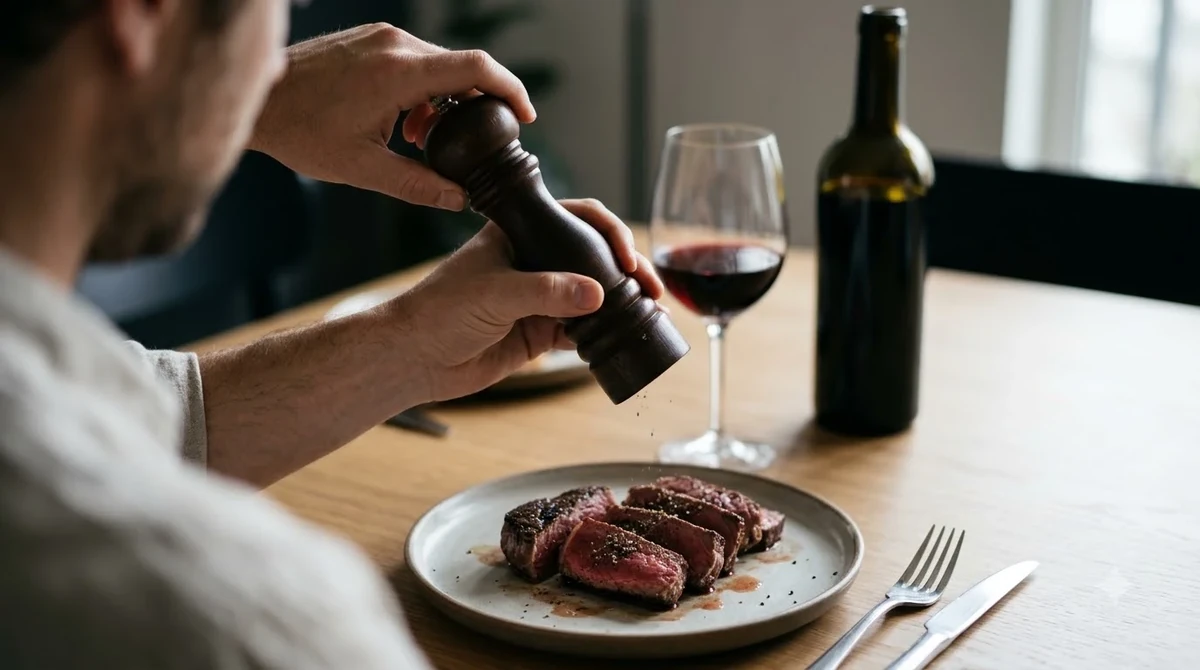
Rhône-style reds pair well with grilled meats, roasted vegetables, and dishes with herbs such as thyme, rosemary, and oregano. A lamb shoulder or a herb-rubbed pork roast suits a fuller Tablas red, while a simpler dish like grilled chicken works with the everyday blend. Hard aged cheeses also bring out the fruit and structure in the wine.
The white blends suit a wider range of food. Try them with roast chicken, pan-seared fish, or a creamy pasta. Soft cheese and fresh fruit also work well with the aromatic character of a white Rhône-style blend.
How Tablas Creek Compares With Other Producers
Many Paso Robles estates produce Rhône-style wines, but each one has its own approach to blending, oak, and vineyard practice. If you want a point of comparison, the Quilceda Creek wine guide covers a different producer and region, which can help you see how much a winery’s identity shapes the bottle. For another estate with its own distinct story, the Pedernales wine guide is a useful read.
The estate also describes itself as the world’s first Regenerative Organic Certified® vineyard. Certification of this type focuses on soil health and farming practices, and it is one reason some buyers choose the estate. Sustainability claims are easier to judge when you can read the producer’s own description, which is the approach taken here.
Who Tablas Creek Suits and Who Might Skip It
Tablas Creek suits drinkers who enjoy fruit-forward reds, Rhône blends, and food-friendly wines that do not need long decanting. It is a sensible choice for a dinner party where you want a bottle that will please many tastes, and it gives serious collectors a range to age over time.
It may not suit people who prefer very light, delicate reds from cool climates such as Burgundy or the Loire. Those drinkers may find Rhône-style wines from a warm region too full. In that case, try a lighter red first before committing to a larger bottle.
For a broader view of how brands and estates present their wines, the wine brands guide explains how house style and labeling shape what you find on the shelf. You can also compare a different California producer in the Spottswoode wine guide.
Frequently Asked Questions
Who owns Tablas Creek Vineyard?
The estate is the product of a partnership between the Perrin family of Châteauneuf-du-Pape and the Haas family in California. Check the producer’s history page for the current ownership details, since family businesses can change over time.
Where is Tablas Creek located?
The estate is at 9339 Adelaida Road in Paso Robles, California, in the Central Coast region of the state.
What is Patelin de Tablas?
Patelin de Tablas is the estate’s approachable red blend. The producer reports that its 2024 vintage received 93 points from Wine Spectator and a Smart Buy designation, which suggests it is built for everyday drinking with food.
Should I decant Tablas Creek reds?
Younger, fruit-forward reds can benefit from a short rest in the glass before pouring. Flagship reds may need more time to open, especially if they are young. Taste a small amount first to decide how long to wait.
Tablas Creek offers a clear window into Rhône-style winemaking in California. Start with the everyday blend to learn the house style, then explore the flagship bottles as your taste develops. For more background on wine brands and how producers present themselves, the wine brands guide is a good next step.
More in Wine Brands
 Underwood Wine Price: Compare Bottles, Cans, and Pack SizesUpdated Nov 21, 2026
 Zenato Wine Price: Compare Styles and Choose the Right BottleUpdated Nov 21, 2026
 Zuccardi Wine Price: Compare Bottles and Find the Right RangeUpdated Nov 21, 2026
 Yellow Tail Moscato Review: Taste, Sweetness and Serving TipsUpdated Nov 21, 2026
 Wolf Blass Yellow Label Review: Choose Your Best StyleUpdated Nov 21, 2026
 Wolffer Estate Rose Review: Choose the Right Bottle for Your TableUpdated Nov 21, 2026