

We may earn a commission when you buy through links on this page, at no extra cost to you. Learn more.
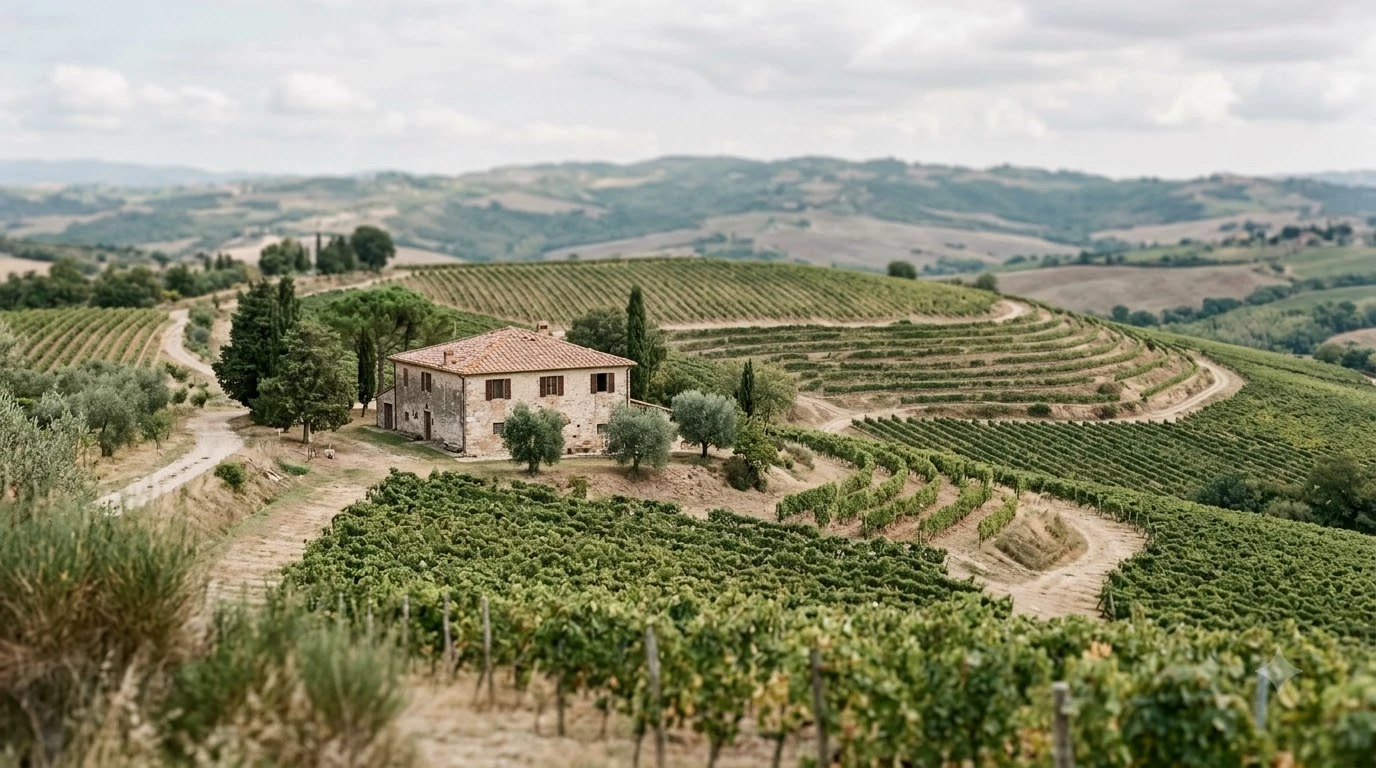
Lebanon wineries are best known for their historic Bekaa Valley estates, high-altitude vineyards, distinctive Bordeaux- and Rhône-inspired blends, and increasingly celebrated indigenous white grapes. The country’s wine industry combines centuries of winemaking heritage with modern producers working across four principal growing areas: the Bekaa Valley, Batroun, Mount Lebanon, and Jezzine. Whether you prefer structured Cabernet Sauvignon blends, elegant Syrah, or unusual Mediterranean whites, Lebanese wine offers plenty to explore.
Lebanon occupies a distinctive position in Mediterranean wine culture. Its dry, sunny climate, mountainous terrain, and considerable vineyard elevations create conditions that support a surprising range of grape varieties. The country is particularly interesting for wine enthusiasts who want to move beyond familiar European regions and discover producers with individual approaches to blending, vineyard management, and native varieties. Understanding the geography and leading estates makes it easier to choose Lebanese bottles and plan a wine-focused visit.
Lebanon’s Wine Heritage and the Importance of the Bekaa Valley
Lebanon’s modern wine identity is closely connected to its ancient Mediterranean agricultural history and the high-elevation vineyards of the Bekaa Valley. The valley is the country’s most important wine-producing area, accounting for approximately 90% of national production according to WineTourism.com.
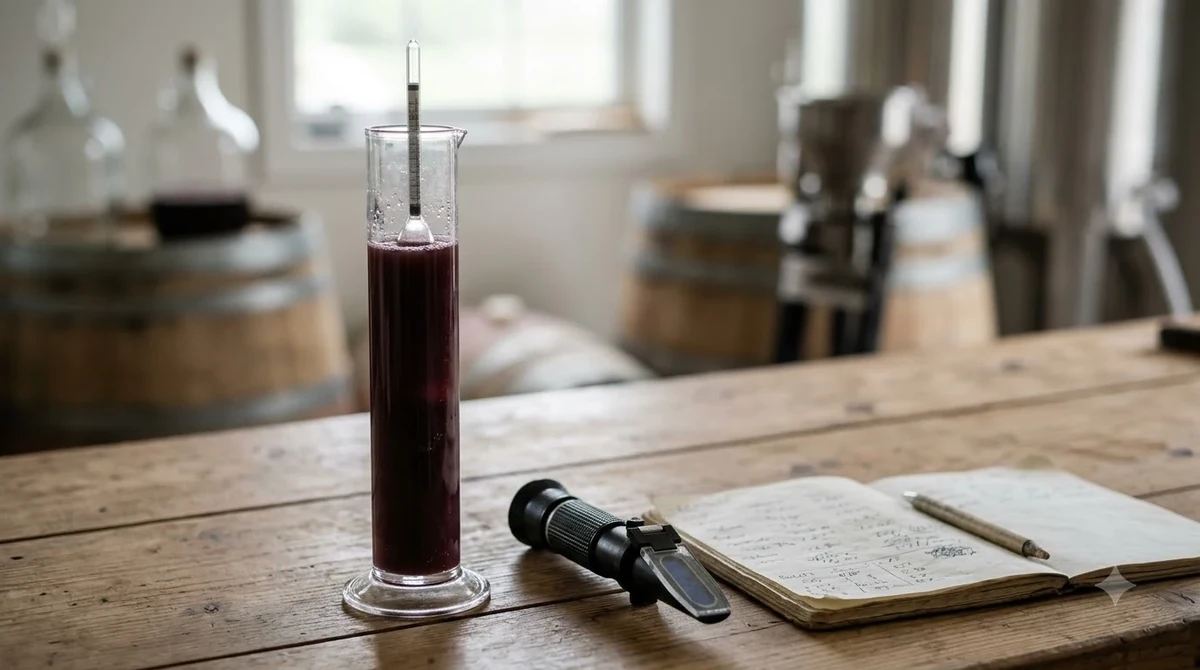
The Bekaa Valley stretches through eastern Lebanon between the Mount Lebanon range and the Anti-Lebanon Mountains. These mountain systems influence local weather patterns and help protect vineyards from some of the harsher conditions associated with the surrounding region. Many vineyards sit above 3,000 feet, while some sites reach substantially higher elevations. The combination of abundant sunshine, mountain protection, and cooler nights gives growers opportunities to achieve ripe fruit while retaining useful freshness.
Wine production in Lebanon has a history that extends far beyond the country’s modern commercial wineries. Phoenician maritime trade helped establish the eastern Mediterranean as an important area for agricultural products, including wine. Archaeological discoveries and historical accounts point to a long relationship between the region and viticulture. Modern commercial production, however, developed through identifiable winery businesses that helped establish Lebanese wine in international markets.
Among the most important historic names are Château Ksara, Château Kefraya, Château Musar, and Domaine des Tourelles. These estates helped introduce international grape varieties and recognizable Lebanese blends to wine drinkers outside the country. Their wines also demonstrate how different producers can interpret the same broad growing area through distinct winemaking decisions.
The modern industry includes both established commercial producers and smaller wineries experimenting with indigenous grapes, single-variety bottlings, and vineyard-specific wines. Wine from Lebanon estimates that the country has approximately 84 wineries, although the exact number depends on how active producers and smaller operations are counted. This diversity means that Lebanese wine is not a single recognizable style. It encompasses traditional red blends, fresh whites, rosés, and more experimental bottlings.
Another important distinction is that Lebanon does not have the familiar French-style appellation hierarchy that wine drinkers might expect from Bordeaux or Burgundy. Geographic names and individual estate identities are therefore particularly useful when comparing bottles. Exploring the broader Wine Regions of the world provides helpful context for understanding how geography and regional classification influence wine labels.
The Four Main Lebanese Wine-Growing Regions
Lebanese wine production is concentrated in four principal geographic areas: the Bekaa Valley, Batroun, Mount Lebanon, and Jezzine. Each has different elevations, soils, and climatic influences, which contribute to variations in grape ripening and finished wine character.
Bekaa Valley: This eastern region is the center of Lebanese commercial winemaking. Its extensive agricultural land, limestone-influenced soils, sunny growing conditions, and high-altitude vineyards support Cabernet Sauvignon, Syrah, Cinsault, Carignan, Merlot, and other varieties. Important producers include Château Ksara, Château Kefraya, Château Musar, Massaya, and Domaine des Tourelles.
Batroun: Located in northern Lebanon near the Mediterranean coast, Batroun combines mountain vineyards with maritime influences. The coastal setting helps moderate temperatures, while elevation can create substantial differences between daytime and nighttime conditions. IXSIR is an especially recognizable producer associated with this part of the country. Smaller wineries also contribute to the region’s growing reputation for distinctive wines.
Mount Lebanon: The mountainous areas surrounding the central part of the country offer varied vineyard elevations and cooler growing conditions. According to Wine from Lebanon, this region produces approximately 4% of Lebanese wine. Producers associated with the area include Château Cana, Château Oumsiyat, Ardoum, and Vertical 33. The region is particularly interesting for visitors looking beyond the best-known Bekaa estates.
Jezzine: In southern Lebanon, Jezzine is an important emerging wine-growing area. Its hillsides, elevation, and varied agricultural landscape provide opportunities for smaller producers. IXSIR identifies a vineyard in Jezzine at 950 meters, planted with Syrah. Karam Wines is another name associated with the southern wine-growing area.
These regions should be understood as broad growing areas rather than strictly regulated appellations with identical production requirements for every estate. Two wineries using the same regional description may work with different vineyard elevations, grape sources, and cellar techniques. That is one reason producer information is especially valuable when selecting Lebanese wines.
For wine enthusiasts familiar with Italy’s regional diversity, comparing Lebanon’s four areas with Puglia wineries is useful. Both countries demonstrate how Mediterranean climates can support a range of red and white wine styles, although their grape traditions and geographical conditions differ considerably.
Lebanese Wineries Worth Knowing
The most recognizable Lebanon wineries include Château Musar, Château Ksara, Château Kefraya, Domaine des Tourelles, Massaya, and IXSIR. Their histories, vineyard sources, and approaches to winemaking provide a useful starting point for understanding the country’s wine industry.
Château Musar
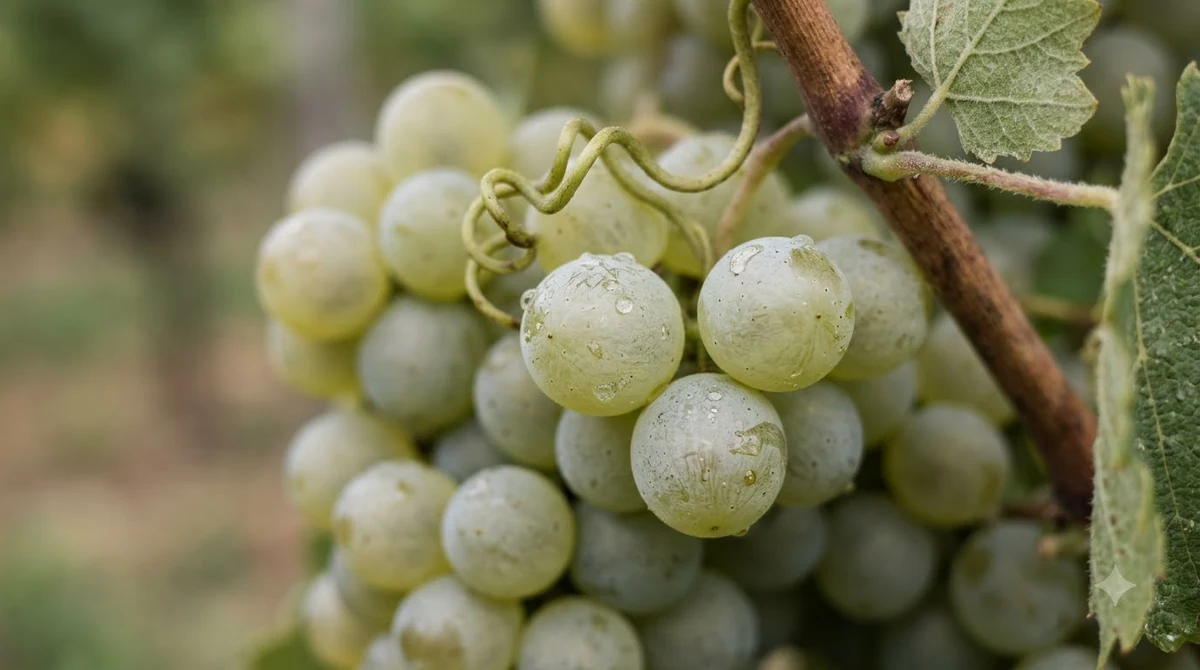
Château Musar is arguably Lebanon’s most internationally recognized wine producer. Its reputation rests largely on distinctive red blends made with varieties including Cabernet Sauvignon, Cinsault, and Carignan. The wines are known for their individual character, capacity to develop with bottle age, and distinctive interpretation of Mediterranean fruit and savory complexity.
Musar’s red wines appeal to drinkers who enjoy mature Bordeaux-inspired blends but want something less predictable. Depending on the vintage and bottling, the wines can show dark fruit, dried herbs, spice, earthy notes, and developed aromas that emerge with time. The producer also makes white and rosé wines, making it a useful introduction to more than one aspect of Lebanese winemaking.
Château Ksara
Château Ksara is one of Lebanon’s most historically important commercial wineries. Established in 1857, it has played a major role in developing the country’s modern wine industry. Its Bekaa Valley identity and established distribution make it one of the most familiar Lebanese names for international consumers.
Réserve du Couvent is among its recognized wines. The estate produces several styles, including red blends, white wines, and rosé. Its range makes it a practical starting point for comparing different Lebanese varieties without immediately moving into more unusual small-production bottlings.
Château Kefraya
Château Kefraya is another major Bekaa Valley estate. Its wines demonstrate the region’s suitability for full-bodied red blends built around international varieties. Comte de M is among its best-known premium bottlings and provides a reference point for drinkers interested in concentrated, structured Lebanese reds.
The winery’s portfolio also includes more approachable wines, making it possible to explore the producer without beginning with its most complex bottles. Cabernet Sauvignon and Syrah are important components of the broader Bekaa red-wine tradition.
Domaine des Tourelles
Domaine des Tourelles is one of Lebanon’s historic privately owned wine houses. Its importance comes from its longstanding contribution to the country’s commercial winemaking culture. The estate is particularly interesting for drinkers seeking a connection between traditional Lebanese wine production and contemporary styles.
Its range includes red, white, and rosé wines. Syrah is an important grape to explore in its portfolio, especially for enthusiasts interested in Rhône-influenced Mediterranean winemaking.
Massaya
Massaya is a recognizable Lebanese producer associated with the Bekaa Valley and the country’s modern wine renaissance. Its portfolio includes red and white wines, rosé, and more concentrated selections. The producer is particularly interesting for drinkers exploring how international varieties and regional vineyard conditions combine in contemporary Lebanese wine.
IXSIR
IXSIR offers a particularly interesting perspective because its vineyards extend across several Lebanese growing areas. Rather than relying on a single valley, the producer works with vineyard sites in Batroun, Ainata, Bechouat, Niha, Halwa, and Jezzine.
Its vineyard program includes sites at elevations ranging from 400 meters in Basbina to 1,800 meters in Ainata. This geographical diversity allows the winery to work with different growing conditions and grape varieties. The producer also reports working with more than 250 farming families through long-term grape-purchasing agreements and technical support.
For an initial Lebanese wine collection, these six producers provide a strong foundation. Château Musar is particularly interesting for distinctive age-worthy reds, Ksara for historical significance, Kefraya for structured blends, and IXSIR for a broader perspective on Lebanon’s varied vineyard geography.
Indigenous Grapes and International Varieties
Lebanese wineries combine familiar international grapes with indigenous varieties that give the country’s wine industry a distinctive identity. Cabernet Sauvignon, Syrah, Merlot, and Cinsault are important red grapes, while Obaideh and Merwah deserve particular attention among the native white varieties.
Obaideh
Obaideh is one of Lebanon’s most interesting indigenous white grapes. Historically, it was used primarily in the production of arak, the traditional anise-flavored spirit associated with Lebanese food culture. It is increasingly being used to make wine, providing another way to explore the country’s native agricultural heritage.
According to Wine from Lebanon, Obaideh is relatively low in acidity and high in sugar. This combination can produce a fuller impression on the palate, depending on harvest decisions and cellar treatment. It is a useful grape for drinkers interested in discovering something different from the Chardonnay and Sauvignon Blanc styles commonly found in international wine collections.
Merwah
Merwah is another important indigenous white variety. It is related to Sémillon and grows in Lebanon’s mountainous areas. Its wines can show rich textures, floral aromas, and nutty characteristics. These qualities make Merwah particularly interesting alongside seafood, grilled poultry, and dishes containing aromatic herbs.
Some producers also experiment with sparkling and pét-nat interpretations. Wine from Lebanon highlights a Merwah and Viognier pét-nat produced by Mersel Wine, demonstrating that indigenous grapes can work in styles beyond conventional still white wine.
Other indigenous varieties
Meksassi is another native white grape worth discovering. Wine from Lebanon describes citrus, stone-fruit, and tree-fruit characteristics, with oak aging used in some interpretations. Karam Wines produces a single-variety Meksassi, giving enthusiasts an opportunity to experience the grape without the influence of a blend.
Sobbaghieh is particularly unusual because it is a teinturier grape, meaning its flesh as well as its skin is colored. Château Cana produces it as a single-variety wine. Its medium-bodied profile can include dark berries and sweet spices.
International grape varieties
International grapes remain important to the Lebanese wine industry. Cabernet Sauvignon provides firm tannin and structure, while Merlot generally produces softer, more approachable reds. Syrah contributes dark fruit, spice, and a substantial palate presence. Cinsault and Carignan offer different expressions of Mediterranean red-fruit character and can contribute freshness and complexity to blends.
Among white varieties, Chardonnay, Sauvignon Blanc, Viognier, and Sémillon provide familiar reference points for international drinkers. Chardonnay can produce richer wines, Sauvignon Blanc often retains pronounced acidity, and Viognier can contribute floral aromas and a fuller texture.
| Grape | Color | Typical characteristics | What to look for |
|---|---|---|---|
| Obaideh | White | Relatively low acidity, rich fruit | Indigenous still whites |
| Merwah | White | Floral, nutty, textured | Single-variety wines and blends |
| Meksassi | White | Citrus and stone fruit | Oak-aged expressions |
| Sobbaghieh | Red | Dark berries and spice | Single-variety bottlings |
| Cabernet Sauvignon | Red | Firm tannin and dark fruit | Structured estate blends |
| Syrah | Red | Dark fruit and peppery spice | Bekaa and mountain vineyards |
| Cinsault | Red | Red fruit and moderate structure | Traditional Lebanese blends |
| Chardonnay | White | Medium acidity and varied texture | Still white wines |
When comparing bottles, pay attention to whether a wine is made from a single grape or a blend. Single-variety wines can reveal more about the individual character of Obaideh, Merwah, or Syrah, while blends show how Lebanese producers combine grapes with different structures and aromatic qualities.
Understanding Lebanese Wine Styles and Food Pairings
Lebanese wine includes full-bodied reds, aromatic whites, rosés, and experimental wines made from indigenous grapes. The best food pairing depends on the wine’s acidity, tannin, alcohol, and texture rather than simply its country of origin.
Traditional Lebanese cuisine offers plenty of opportunities for interesting wine combinations. Grilled lamb, kibbeh, roasted vegetables, hummus, tabbouleh, fattoush, and grilled fish all bring different seasoning, texture, and acidity considerations to the table.
Red wine with grilled meats
Lebanese red blends based on Cabernet Sauvignon and Syrah are natural companions for grilled lamb, beef kebabs, and other richly flavored meats. Their tannins and concentrated fruit provide structure against the savory flavors created by grilling. A young, full-bodied red can benefit from 30 to 60 minutes of decanting before serving.
Merlot-based blends can be a good alternative for those who prefer softer tannins. Cinsault-based reds may work particularly well with moderately seasoned grilled dishes because their generally lighter structure does not overwhelm more delicate flavors.
White wine with seafood and vegetables
Merwah, Chardonnay, and Sauvignon Blanc offer different options for Lebanese seafood dishes. Fresh fish, shrimp, and grilled calamari generally benefit from wines with sufficient acidity and a clean finish. Sauvignon Blanc is particularly useful when dishes contain lemon, herbs, or fresh vegetables.
For oily fish, choose a white wine rather than a strongly tannic red. A wine with refreshing acidity helps balance the richness of the fish. More textured indigenous whites can also work with grilled vegetables, herb-based dishes, and lightly spiced poultry.
Rosé with mezze
Lebanese rosé is worth considering for a table filled with mezze. Its versatility makes it suitable for hummus, grilled halloumi, olives, fresh vegetables, and lightly seasoned chicken. Dry rosé can also work with dishes that combine herbs, lemon, and moderate amounts of olive oil.
When serving a variety of small dishes, choose a wine with enough acidity to complement the food without overpowering it. Very tannic reds can be difficult with a broad mezze selection, particularly when the table includes oily fish or delicate vegetables.
Matching spice and sweetness
Lebanese food often uses garlic, cumin, coriander, cinnamon, sumac, and other aromatic ingredients. These seasonings can make wine pairing more complicated than matching a bottle with an unseasoned piece of meat. Wines with excessive alcohol and tannin can amplify the sensation of chili heat, so softer reds and refreshing whites are often better choices for spicy dishes.
For desserts such as baklava, choose a wine that is at least as sweet as the dessert. Otherwise, the wine may taste thin or sour by comparison. Sweet white wines can provide a better match than dry, highly tannic reds.
Tip: For a Lebanese dinner featuring mezze, grilled lamb, and seafood, begin with a chilled white or rosé, then move to a medium- or full-bodied red for the meat course. Serve light whites at 45–50°F, full-bodied whites at 50–55°F, and full-bodied reds at 60–65°F. This progression helps each wine show its character without overwhelming the food.
Planning a Visit to Lebanon’s Wine Estates
Wine tourism in Lebanon is particularly rewarding for visitors who organize their trips around individual growing regions. The Bekaa Valley offers the greatest concentration of established wineries, while Batroun and Mount Lebanon provide opportunities to explore smaller estates and mountain vineyards.
For a first wine-focused itinerary, begin with the Bekaa Valley. The area around Zahlé and the wider West Bekaa provides access to important producers, including Château Ksara, Château Kefraya, and several smaller wineries. A visit can combine historic cellars, vineyard scenery, and tastings of different red and white styles.
Batroun is a different experience. Its coastal setting, mountain roads, and vineyard elevations create an interesting contrast with the inland Bekaa. IXSIR is a notable producer to investigate, while smaller wineries provide opportunities to discover more individual expressions of northern Lebanese wine.
Mount Lebanon and Jezzine are worth considering for travelers who want to explore beyond the major commercial estates. These areas can provide a more intimate introduction to small-scale production, individual vineyard sites, and the geographical diversity of Lebanese viticulture.
Best time to visit
April, May, and June are attractive months for visiting because temperatures are generally milder and vineyard landscapes are often particularly appealing. September and October are especially interesting because they coincide with the grape harvest in many parts of the country.
Harvest season provides an opportunity to see the agricultural side of winemaking, although winery schedules can become busier. Visitors interested in cellar work, grape reception, or fermentation should ask individual estates what activities are available during their planned visit.
Booking winery visits
Advance reservations are recommended, particularly for smaller producers and private tasting experiences. Some wineries have established visitor facilities, while others operate on a smaller scale and may only receive guests by prior arrangement.
Check the winery’s current visiting arrangements before traveling. Confirm the tasting language, available wines, opening hours, and whether a meal or vineyard tour can be included. A confirmed appointment is more useful than assuming that every producer operates like a large visitor center.
Transportation also deserves attention. Winery visits frequently involve several stops, rural roads, and wine tastings. Arrange a professional driver or organized tour rather than planning to drive after sampling wines. Travel conditions and access can change, so check current local guidance before setting out.
A useful alternative for travelers who have limited time is to select two or three wineries within one region instead of trying to cover the entire country in a single day. The Bekaa Valley and Batroun are particularly suitable for separate wine-focused excursions. This approach leaves enough time to understand the producers, taste their wines, and enjoy the surrounding landscape.
Choosing Lebanese Wine and Building a Collection
Choosing Lebanese wine is easier when you begin with a clear idea of the style you enjoy. Established estates offer recognizable reference points, while smaller producers and indigenous grapes provide opportunities to discover less familiar expressions of Lebanese viticulture.
For fans of structured reds, Château Musar, Château Kefraya, and Château Ksara are useful starting points. Compare their blends rather than assuming that all Bekaa reds taste alike. Differences in grape composition, harvest decisions, oak treatment, and bottle age can create markedly different results.
If you prefer softer, more aromatic wines, investigate Cinsault-based reds and blends that use Merlot. These may provide a gentler introduction than heavily structured Cabernet Sauvignon selections. Syrah is another important variety, particularly for those who enjoy dark fruit, spice, and a fuller palate.
White wine enthusiasts should actively seek out Obaideh and Merwah. These grapes offer something different from familiar international varieties and are among the most compelling reasons to explore Lebanon’s wine industry. Comparing an indigenous white with Chardonnay or Sauvignon Blanc from the same country can also reveal how grape genetics and vineyard conditions influence the final wine.
For a more adventurous collection, consider including a Meksassi or Sobbaghieh bottling if available. These less common varieties can provide a useful contrast to the established international grapes that dominate many commercial wine lists.
Understanding aging potential
Not every Lebanese wine is intended for long-term cellaring. Some whites and lighter reds are designed for relatively early drinking, while structured red blends can benefit from additional bottle age. Château Musar is particularly well known for wines that can develop over many years under suitable storage conditions.
Storage is important regardless of the producer. Keep bottles away from direct sunlight and significant temperature fluctuations. A consistent temperature near 55°F is a useful target for long-term storage, and bottles with natural cork closures should generally be stored on their sides.
When opening a bottle, consider the style before deciding whether to decant. Young, full-bodied red blends can benefit from 30 to 60 minutes of aeration. Older wines may require more careful handling because excessive exposure to oxygen can diminish delicate developed aromas.
Serving temperature also changes how a wine feels. Full-bodied reds generally show better around 60–65°F rather than at warm room temperature. Light reds can be served at 55–60°F, while most light whites and rosés benefit from 45–50°F. Full-bodied whites are generally more expressive around 50–55°F.
Once opened, still wines generally remain in good drinking condition for approximately three to five days when refrigerated and properly resealed. Sparkling wines are usually best within one to three days, while fortified wines can remain enjoyable for several weeks. These are general guidelines rather than guarantees, since wine style, storage conditions, and the amount of oxygen exposure all influence how quickly an opened bottle changes.
For a broader perspective on mountain wine production, comparing Lebanese high-altitude vineyards with Wachau wineries is an interesting exercise. Both regions show how elevation and local geography can influence wine character, although their climates, grape varieties, and traditional styles are quite different. Similarly, enthusiasts interested in coastal influences can explore Txakoli wineries and compare their maritime white wines with the coastal expressions found around Batroun.
One particularly useful resource for further exploration is Wine from Lebanon’s regional and indigenous grape overview, which introduces the country’s growing areas and lesser-known varieties. For a more detailed look at individual vineyard sites, IXSIR’s vineyard information explains how different elevations, soils, and grape varieties contribute to its wines.
Frequently Asked Questions
What is the oldest archaeological evidence of wine production in Lebanon?
Archaeological evidence of ancient wine production has been found at Tell el-Burak, south of Sidon. Researchers identified a Phoenician wine press and production remains dating to approximately 2,600 years ago. The discovery provides physical evidence of the importance of wine production in ancient coastal Lebanon.
What does the word Bekaa mean in Lebanese wine descriptions?
Bekaa refers to the broad agricultural valley in eastern Lebanon between the country’s two major mountain ranges. The area is also an important center for grain, fruit, and vegetable cultivation. Its agricultural diversity helps explain why the valley has such a significant role in Lebanese food and wine culture.
Is Lebanese wine suitable for vegetarian food?
Yes. Lebanese wines can pair particularly well with vegetarian dishes based on eggplant, lentils, chickpeas, tomatoes, and grilled vegetables. The key is matching the wine’s weight and acidity to the dish rather than choosing exclusively by grape variety. Fresh white wines and dry rosés are especially versatile with vegetable-based mezze.
What is arak, and how is it different from Lebanese wine?
Arak is a traditional Lebanese anise-flavored distilled spirit, not a grape wine. It is commonly made using grape alcohol and flavored with anise, and it is traditionally served with water and ice. Obaideh grapes have historically been used in arak production, although they are increasingly finding a place in still wine.
How do you say cheers when drinking Lebanese wine?
Wine from Lebanon gives several Lebanese expressions for a toast: Keesak is used for a masculine singular recipient, Keesik for a feminine singular recipient, and Keeskon for a plural group. These expressions reflect the grammatical distinctions found in Lebanese Arabic. Learning a local toast can add a pleasant cultural detail to a wine tasting.
Lebanon wineries offer a compelling combination of historic estates, high-altitude vineyards, indigenous grapes, and contemporary Mediterranean winemaking. Begin with established Bekaa Valley producers such as Château Musar, Château Ksara, and Château Kefraya, then explore Batroun, Mount Lebanon, and Jezzine for additional perspectives. Above all, make room for Obaideh and Merwah: these distinctive native grapes help make Lebanese wine an experience that stands apart from more familiar international regions.
More in Wine Regions
 Willcox Wine Trail: Discover Arizona’s High-Elevation Wine CountryUpdated Nov 20, 2026
 Yakima Valley Wine Region: Find the Best Styles to TryUpdated Nov 20, 2026
 Vosne Romanee Wine Tasting: Identify Aromas and Choose Better PairingsUpdated Nov 20, 2026
 Yakima Valley Wine Festival: Find the Best Seasonal Wine EventsUpdated Nov 20, 2026
 Wales Vineyards: Discover Cool-Climate Wines and Where to VisitUpdated Nov 20, 2026
 Yountville Wine Festival: Discover Napa Wines and Local FoodUpdated Nov 20, 2026