

We may earn a commission when you buy through links on this page, at no extra cost to you. Learn more.
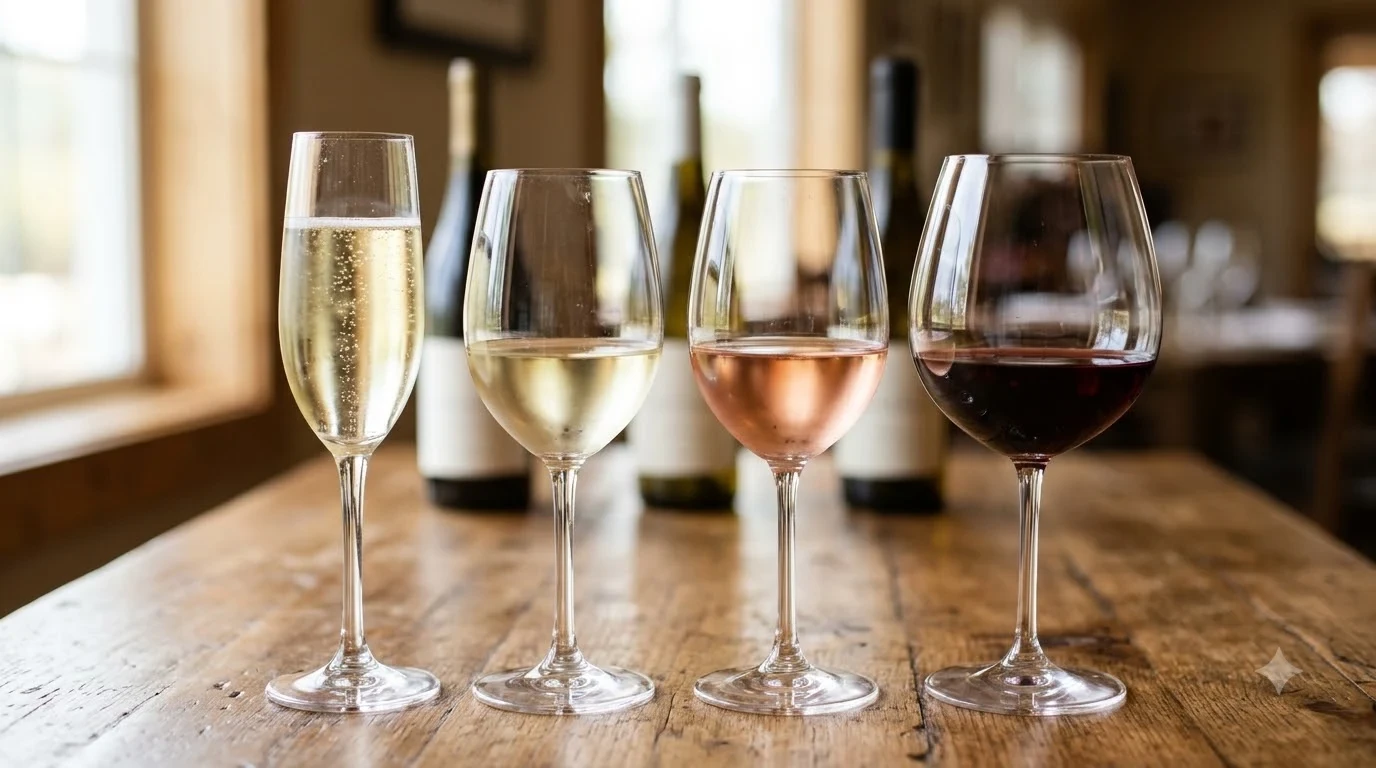
The term bekaa valley wine refers to Lebanese wine grown on the high plateau between the Mount Lebanon and Anti-Lebanon ranges, known for structured red blends and increasingly expressive native white grapes. The region combines abundant sunshine with high-altitude vineyard sites, and its producers work with varieties such as Cabernet Sauvignon, Syrah, Cinsault, Merwah, and Obeideh. Knowing the grapes and the producer helps you choose between a classic age-worthy red, a supple Cinsault, or a distinctive Lebanese white.
Lebanon’s Bekaa Valley shows how geography shapes wine. Altitude, exposure, soil, grapes, and winery choices all influence the glass.
Where the Bekaa Valley Sits and Why Elevation Matters
The Bekaa is an inland plateau in eastern Lebanon, running between Mount Lebanon to the west and the Anti-Lebanon range to the east. Its position, high vineyard sites, and dry, sunny growing conditions help explain how grapes can ripen in a warm part of the eastern Mediterranean while retaining definition.
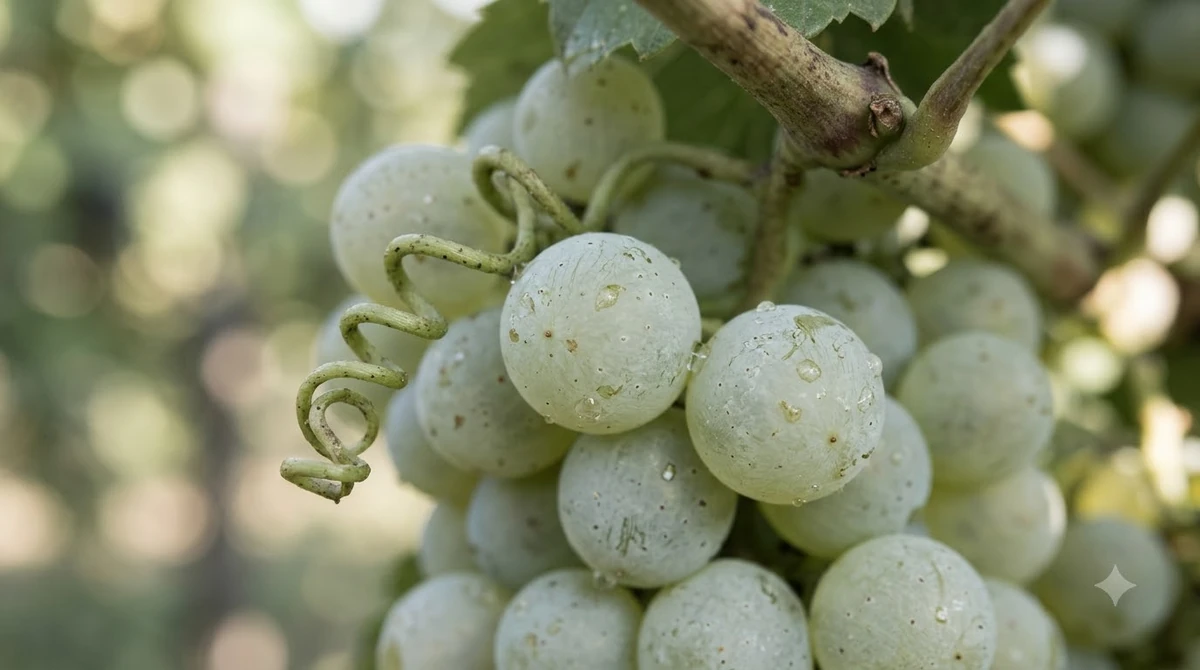
The Lebanese Investment Development Authority’s regional profile describes the Bekaa Governorate as lying at elevations from 800 to 1,100 meters above sea level. That is a regional range, not a figure for every vineyard. Wine from Lebanon notes that many Bekaa vines grow above 3,000 feet, while Decanter reports that Château Musar’s Obaideh and Merwah vineyards reach 1,200 meters. Elevation can moderate heat and help grapes retain freshness as they mature.
Mount Lebanon and the Anti-Lebanon form a natural frame around the valley. The Wine from Lebanon organization explains that the snow-capped mountain ranges protect high-elevation vines, while the government’s regional profile describes the wider Bekaa climate as Mediterranean, with a more arid tendency in the north. Wine Enthusiast places the West Bekaa wine heartland about 30 miles east of Beirut. The result is a broad growing area with varied exposures, not one uniform vineyard.
Warm, sunny conditions support ripening, while higher sites and cooler summer nights help preserve freshness. Domaine des Tourelles winemaker Faouzi Issa told Wine Enthusiast that Cinsault benefits from those fresh nights. Ripe fruit and generous structure do not necessarily mean a wine will feel heavy.
A Wine History Rooted in Baalbek and 1857
Lebanon’s wine story reaches back to ancient Mediterranean trade, but the modern commercial chapter is easier to trace through a handful of long-running estates. The Bekaa’s history connects Phoenician-era viticulture, Roman remains at Baalbek, and the revival of organized winery production in the 19th century.
Wine Enthusiast’s history of Lebanese wine describes the country’s winemaking tradition as extending roughly 7,000 years and points to the second-century temple to Bacchus at Baalbek as a striking reminder of wine’s cultural importance. The Phoenicians helped spread viticulture around the Mediterranean between 2700 B.C. and 300 B.C., according to the same article. The temple does not tell us what ancient wine tasted like, but it confirms the region’s long cultural connection to wine.
A landmark date for the modern Bekaa is 1857. French Jesuit monks planted Cinsault vines at what became Château Ksara, according to Wine Enthusiast. Decanter identifies Ksara, at Zahle in the central valley, as Lebanon’s oldest and largest producer and reports that its cellars date back 3,000 years. Its history is notable, but each modern bottle still reflects current vineyard and cellar decisions.
Another important milestone is Château Musar, founded by Gaston Hochar in 1930, with its first vintage made in 1933, according to Decanter’s producer profile. During Lebanon’s civil war from 1975 to 1990, Wine Enthusiast reports that there were only six commercial wineries. Serge Hochar’s decision to take Musar bottles to the United Kingdom helped introduce Lebanese wine to a wider audience. That history frames the mix of heritage estates and newer producers without making every Bekaa wine the same.
Red Grapes and the Valley’s Signature Blends
Bekaa reds commonly draw on Mediterranean grapes and Bordeaux varieties, often in blends. Cabernet Sauvignon, Syrah, Cinsault, Carignan, Grenache, and Mourvèdre are useful names to recognize because they signal different levels of tannin, body, and fruit character.
Wine Enthusiast lists Syrah, Grenache, Mourvèdre, and Carignan among the Mediterranean grapes widely used in Lebanon, alongside Cabernet Sauvignon, Merlot, Cabernet Franc, and Petit Verdot from the Bordeaux family. Cabernet Sauvignon can bring firm tannin and dark-fruit structure; Syrah often adds a deeper, savory profile and medium-plus to high tannin. Merlot is generally softer, while Grenache and Cinsault can bring a more open, fruit-forward character to a blend.
Château Musar’s red Grand Vin is built around Cinsault, Cabernet Sauvignon, and Carignan, according to Decanter. Its other red wines draw on Grenache, Mourvèdre, and Syrah. The blend shows how Rhône- and Bordeaux-associated grapes can take on a Bekaa identity through their growing site and winemaking. Musar is also known for wines intended to develop over time; Decanter reports that the estate historically released its reds only after at least seven years of cellar aging.
Cinsault deserves attention beyond its supporting role in blends. Issa told Wine Enthusiast that Domaine des Tourelles makes a Cinsault from vines more than 50 years old, using native yeast and concrete vats. Decanter’s report on Lebanon’s newer wine movement describes the estate’s old-vine Cinsault as a 100% varietal bottling and notes that the winery has produced it since 2014. Its softer, silkier texture makes Cinsault a good starting point for drinkers who prefer less assertive tannin. For a useful comparison, try it beside a Cabernet- or Syrah-led red; a regional overview of the Bekaa Valley wine region can help distinguish broad styles from one estate’s choices.
Native White Grapes and Fresh, Textural Bottlings
Merwah and Obeideh are the two native white grapes that most clearly distinguish Lebanese wine from a lineup dominated by familiar international varieties. Their textures and aromatic profiles vary, so they are worth seeking out as varietal wines as well as in blends.
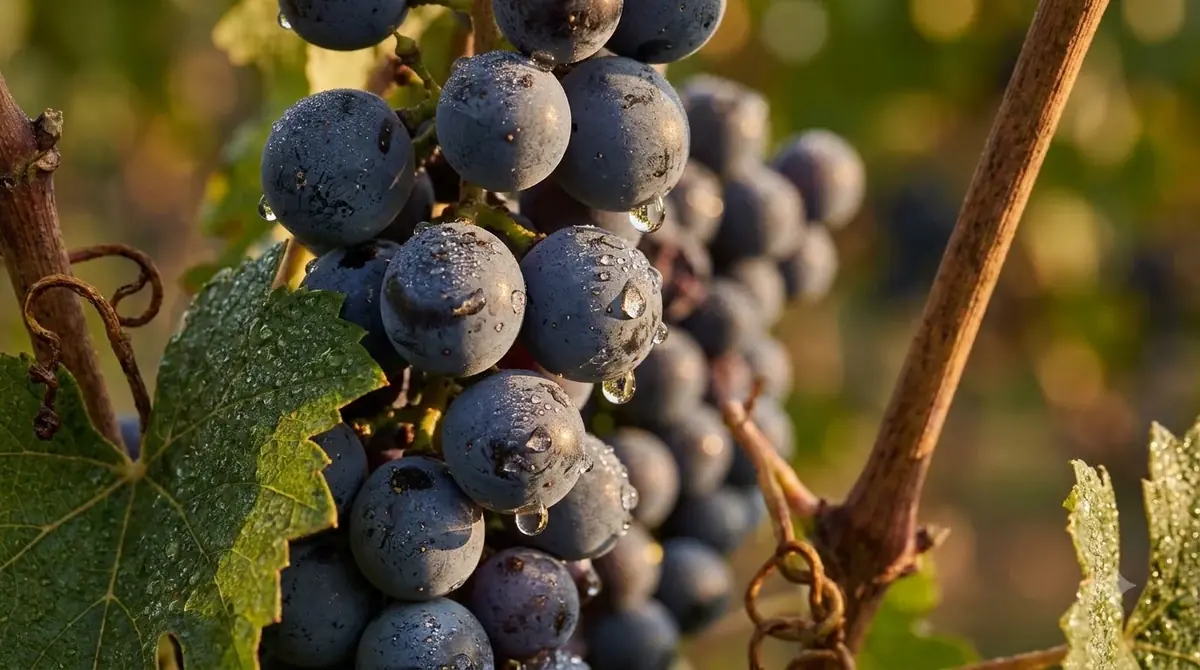
Wine from Lebanon describes Merwah as related to Sémillon and associates it with rich, nutty, and floral wines. Wine Enthusiast characterizes it as honeyed and floral, while Decanter describes the grape as indigenous and notes its good acidity. Merwah can combine texture with freshness rather than tasting like a neutral, crisp white. Producers also use it for skin-contact wines and pét-nat, a lightly sparkling style bottled before fermentation is complete.
Obeideh, also written Obaideh or Obeidi, is another important native white. Wine from Lebanon describes Obaideh as low in acidity and high in sugar, and notes that it was traditionally used mostly for arak, Lebanon’s anise-flavored spirit. Decanter describes Obeideh as thin-skinned and rich in texture, and reports that DNA profiling helped establish its status as a Lebanese indigenous variety. Its appeal often lies in texture and weight, so it can feel broader than high-acid Sauvignon Blanc. Other local grapes add variety: Wine from Lebanon describes Meksassi as a white grape with citrus, stone-fruit, and tree-fruit notes, sometimes oak-aged, and Sobbaghieh (also called Sabbaghieh) as a rare red-fleshed grape that can make medium-bodied wine with dark-berry and sweet-spice notes.
International white varieties remain part of the region too. Chardonnay, Viognier, Sémillon, and Sauvignon Blanc appear in Lebanese production, according to Wine Enthusiast. Decanter notes that Musar’s newer white vineyards include Vermentino, Chardonnay, and Viognier alongside the estate’s native Obaideh and Merwah. Choose an international variety for a familiar style, or Merwah and Obeideh for a stronger sense of local identity.
Producers to Know Across the Bekaa
A short list of producers gives a practical route into the region, but each estate has its own approach. Château Ksara and Château Musar are foundational names, while Domaine des Tourelles, Château Kefraya, Château Marsyas, and smaller estates offer other interpretations of the Bekaa.
Château Ksara is based at Zahle in the central Bekaa. Decanter describes it as Lebanon’s oldest and largest producer and reports annual production of about 3 million bottles. Its range includes familiar varieties and local grapes; the same Decanter feature highlights a Merwah bottling with a saline character. Ksara shows how one large estate can cover multiple styles under one name.
Château Musar offers a different point of reference. Founded by Gaston Hochar in 1930, it is still family-run, according to Decanter’s producer profile. Its red Grand Vin blends Cinsault, Cabernet Sauvignon, and Carignan, while Obaideh and Merwah feature in its white wines. Musar’s approach to bottle aging also makes it a reference for collectors: Decanter says the estate historically held wines in its cellars for at least seven years before release. Domaine des Tourelles, in Chtaura, offers a different view through its old-vine Cinsault, a 100% varietal bottling produced since 2014, according to Decanter. These examples show that cellar-aged blends and fresh, varietal reds can both represent the valley.
Château Kefraya, in the western Bekaa, is another major estate; Decanter reports that its vineyards cover 300 hectares and highlights its interest in Cinsault, Carignan, and revived local grapes. Château Marsyas is another western Bekaa name, with blends of Cabernet Sauvignon, Syrah, Cabernet Franc, Merlot, and Petit Verdot; Decanter notes that the estate has developed its vineyards since 2005. For more on Bekaa Valley wineries, compare producer portfolios rather than choosing by name recognition alone. A winery’s white, rosé, and reserve red can show different sides of the same place.
How to Taste, Serve, and Pair Bekaa Valley Bottles
Serve Bekaa reds and whites according to their weight, not simply according to the country or region on the label. Temperature changes how clearly fruit, acidity, tannin, and alcohol register.
For a full-bodied Cabernet- or Syrah-led red, aim for 60–65°F rather than a warm room temperature. A lighter Cinsault can be served a little cooler, around 55–60°F. For fuller whites with texture, including some Chardonnay or Obeideh bottlings, use 50–55°F; lighter, fresher whites are usually best around 45–50°F. These ranges are flexible; a wine can warm in the glass.
Pair a structured red blend with foods that soften tannin, such as grilled lamb, beef kebabs, or a dish with olive oil and a savory sauce. Salt and fat soften tannin, while grilled flavors suit Cabernet- and Syrah-based blends. Cinsault can work with roasted chicken, lamb kofta, or grilled vegetables because its softer texture is less forceful than a heavily tannic Cabernet Sauvignon.
Merwah’s acidity and floral, nutty character work with grilled fish, herbs, lemon, and moderate richness. Obeideh’s broader texture suits roast poultry, creamy dips, and vegetables with toasted nuts. Avoid serving a tannic red with oily fish; a white with enough acidity is generally a safer match. For spicy dishes, remember that alcohol and tannin can amplify chili heat, so a fresher white or softer red is often the more comfortable choice.
| Bekaa wine style | Serving temperature | Food pairing direction |
|---|---|---|
| Structured Cabernet or Syrah red | 60–65°F | Grilled lamb, beef kebabs, slow-roasted meat |
| Lighter Cinsault red | 55–60°F | Roast chicken, kofta, grilled vegetables |
| Fuller Chardonnay or textured Obeideh | 50–55°F | Roast poultry, creamy dips, toasted nuts |
| Fresh Merwah or Sauvignon Blanc | 45–50°F | Grilled fish, herbs, lemon, lighter mezze |
Tip: Open a young, full-bodied red 30–60 minutes before serving if it seems tight or dominated by firm tannin. Pour a modest first taste, let it sit in the glass, and reassess before deciding whether it needs more air.
For a tasting at home, pour about 5 ounces per glass and serve one red beside one white rather than opening several similar bottles at once. Begin with the white, move to Cinsault, and finish with a more structured red so the firmer tannins do not overwhelm the more delicate wine that follows. A standard 750-milliliter bottle yields about five 5-ounce glasses.
How to Choose a Bottle and Understand the Label
Choose by grape, blend, and producer before relying on broad descriptions such as “Lebanese red.” The Bekaa includes both familiar international varieties and native grapes, and the label often gives the fastest clue to the wine’s likely structure.
If you enjoy Bordeaux-style reds, look for Cabernet Sauvignon, Merlot, Cabernet Franc, or Petit Verdot in a blend. Cabernet Sauvignon usually brings the firmest tannin, while Merlot can soften the palate. If you prefer Rhône-style reds, look for Syrah, Grenache, Mourvèdre, or Carignan. These grapes contribute different fruit, spice, body, and structure, depending on the blend.
Merwah suits drinkers who enjoy texture, aromatic detail, and freshness; Obeideh is a choice for a broader, less sharply acidic white. Meksassi and single-variety local bottlings are useful next steps. A blend can balance one grape’s character with another’s acidity, body, or aroma.
Look at the producer and wine tier as carefully as the grape. A large estate such as Ksara can offer a wide range of styles, while a small producer may focus on fewer vineyard sites or local grapes. Musar’s long-aging philosophy is distinctive, but it should not be treated as a requirement for all Bekaa wine. A lighter young red and a cellar-worthy blend can both express the region. Compare grape composition, vintage, alcohol level, oak, and aging; a named vineyard or village helps distinguish wines from the same producer. For more context, browse our Wine Regions coverage and the overview of Bekaa Valley vineyards.
Frequently Asked Questions
Is Bekaa Valley wine always red?
No. Wine from Lebanon’s participating-producer list names six Bekaa wineries: Couvent Rouge, Domaine Wardy, Château St. Thomas, Cave Kouroum, Terre Joie, and Muse du Liban. The valley’s output includes white and rosé bottlings as well as reds.
What does Merwah taste like?
Decanter reports that Merwah has been grown in Lebanon since at least Roman times. Producers are also experimenting with whole-bunch fermentation, vin de paille, and oxidative vin jaune-style expressions, giving the grape a wider stylistic range than a single flavor description suggests.
Is Obeideh the same grape as Obaideh?
Yes. Decanter says Obeideh was recognized as an indigenous Lebanese variety after DNA profiling championed by Joe Touma of Château St. Thomas. Obeideh, Obaideh, and Obeidi are transliterations used for the same grape.
Which Bekaa wine is made from old-vine Cinsault?
Domaine des Tourelles makes the old-vine bottling. Decanter’s listing for the 2019 wine gave it 94 points and described smoky red-fruit, herbal, and aniseed notes, making it a useful comparison with the valley’s Bordeaux- and Rhône-style blends.
Is Bekaa Valley the only wine region in Lebanon?
No. Wine from Lebanon identifies four wine-growing regions: the Bekaa Valley, Batroun, South Lebanon, and Mount Lebanon. Batroun’s vineyards reach up to 1,300 meters, and the organization notes that the coastal area is cooled by the Mediterranean.
Bekaa Valley wine rewards curiosity because the region offers both recognizable international blends and local grapes with a distinct Lebanese identity. Start with a Cinsault or Cabernet-led red and a Merwah or Obeideh white, then compare producers to find the styles you enjoy most.
More in Wine Regions
 Willcox Wine Trail: Discover Arizona’s High-Elevation Wine CountryUpdated Nov 20, 2026
 Yakima Valley Wine Region: Find the Best Styles to TryUpdated Nov 20, 2026
 Vosne Romanee Wine Tasting: Identify Aromas and Choose Better PairingsUpdated Nov 20, 2026
 Yakima Valley Wine Festival: Find the Best Seasonal Wine EventsUpdated Nov 20, 2026
 Wales Vineyards: Discover Cool-Climate Wines and Where to VisitUpdated Nov 20, 2026
 Yountville Wine Festival: Discover Napa Wines and Local FoodUpdated Nov 20, 2026