

We may earn a commission when you buy through links on this page, at no extra cost to you. Learn more.
The basilicata wine region in southern Italy is best known for Aglianico del Vulture, a structured, ageworthy red wine produced on the volcanic slopes surrounding the extinct Monte Vulture volcano. The region also makes distinctive wines under Matera DOC, Grottino di Roccanova DOC, and Terre dell’Alta Val d’Agri DOC. Although smaller and less internationally recognized than neighboring Puglia and Campania, Basilicata offers a diverse selection of reds, whites, rosés, and sparkling wines shaped by mountainous vineyards, varied elevations, and Mediterranean influences.
Basilicata occupies the arch of Italy’s boot, between Campania, Puglia, and Calabria. Its wine identity combines ancient agricultural traditions with modern estate winemaking, particularly around the northern Vulture area. Understanding its appellations, grape varieties, and geography makes it easier to choose bottles that reflect the character of this distinctive southern Italian region.
Where Basilicata Is Located and What Makes Its Vineyards Special
Basilicata’s combination of mountains, volcanic terrain, and Mediterranean coastlines creates several distinct wine-growing environments. The northern Vulture district is particularly important for red wine, while vineyards farther east and south offer different conditions and grape varieties.
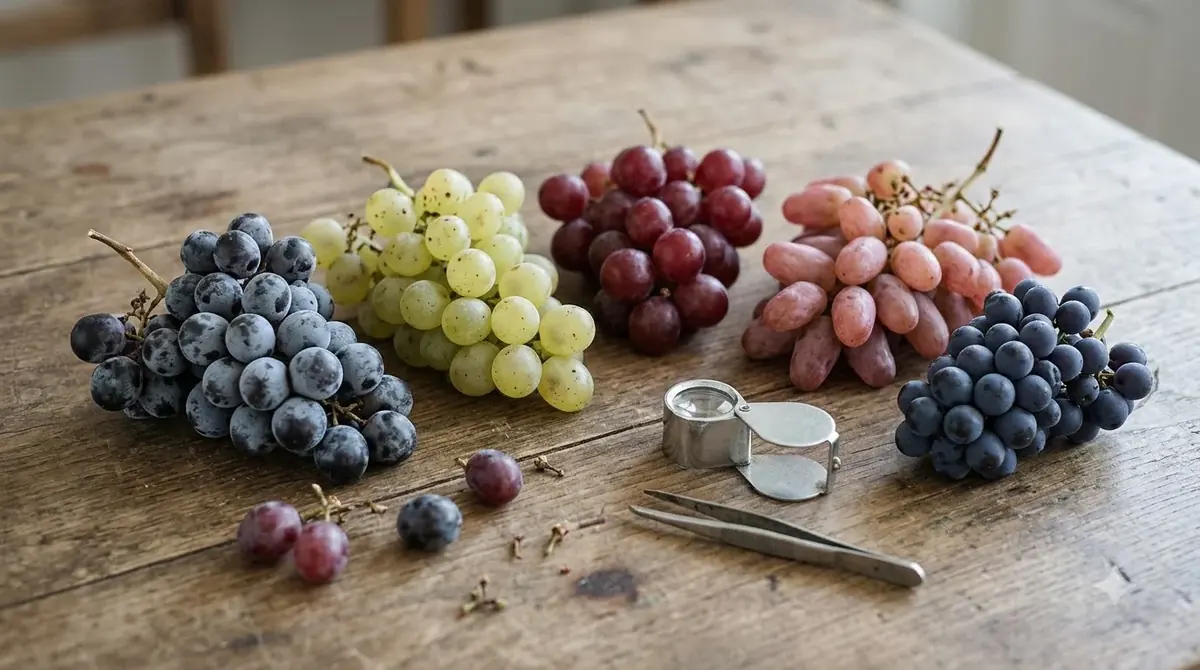
The region borders Campania to the west, Puglia to the northeast, and Calabria to the southwest. It has a short stretch of coastline along the Tyrrhenian Sea and a longer coastline along the Ionian Sea. This geography produces considerable variation in temperature, rainfall, exposure, and vineyard elevation. The mountainous interior is particularly influential because altitude moderates the warmth associated with southern Italy.
Monte Vulture, an extinct volcano north of Potenza, is the geographic landmark most closely associated with Basilicata’s internationally recognized wine. According to Decanter, the mountain reaches 1,326 meters, while its surrounding vineyards generally occupy elevations between 200 and 600 meters. The combination of elevation, cooler nights, and volcanic formations gives Aglianico a longer growing season than many southern Italian grapes experience.
The area’s soils vary considerably. Volcanic tuff, ash-derived materials, clay, and other mineral-rich formations contribute different growing conditions across the slopes. In some places, porous volcanic rock helps retain moisture beneath the surface. Elsewhere, heavier clay influences water availability and vine development.
Barile and Maschito illustrate these differences. Wine Enthusiast describes D’Angelo’s Barile vineyards as having volcanic tuff soils at approximately 1,300 feet, while its Maschito sites have warmer conditions and more clay-driven soils. These differences help explain why two Aglianico wines from the same producer can show different fruit profiles, textures, and expressions of their growing sites.
Vineyards near the coast experience more maritime influences, particularly compared with the mountainous interior. The region’s overall production remains relatively small compared with those of its southern Italian neighbors. This makes Basilicata an interesting destination for wine drinkers seeking distinctive local varieties rather than familiar mass-market styles.
Aglianico del Vulture: The Region’s Signature Red Wine
Aglianico del Vulture is the wine most closely associated with Basilicata. Made entirely from Aglianico under its DOC and Superiore DOCG designations, it typically delivers concentrated dark fruit, firm tannins, fresh acidity, and the structure to develop with bottle age.
Aglianico is a late-ripening red grape that benefits from the growing conditions around Monte Vulture. Its harvest can extend into late October or early November, allowing the fruit to develop considerable flavor while retaining acidity. The cooler mountain conditions are especially important because they help the grape reach maturity without losing all its freshness during the warm southern Italian growing season.
In the glass, Aglianico del Vulture commonly shows black cherry, blackberry, plum, and dark berries. Depending on the producer, vintage, and winemaking approach, additional notes can include dried herbs, earth, smoke, mineral impressions, spices, and tobacco. Oak-aged examples may develop further aromas of vanilla, cocoa, and toasted wood.
Its tannins are an important part of its identity. Young bottles can feel firm and grippy, especially when served without food. With time in the bottle, the tannins can become more integrated, and savory characteristics may become more prominent. This is one reason experienced Italian wine drinkers sometimes compare Aglianico’s structure and aging potential with that of Nebbiolo.
The appellation was recognized as a DOC in 1971. The Superiore DOCG designation followed, with sources differing on whether its recognition date was 2010 or 2011. Decanter describes the Superiore and Riserva categories as requiring two and four years of aging, respectively. These requirements distinguish the more structured, maturation-focused wines from the broader DOC category.
Producers employ different approaches to bring out the grape’s character. Traditional producers may favor concrete fermentation vessels and restrained oak influence, while others use French or Italian oak barrels, extended maceration, or alternative vessels. Consequently, Aglianico del Vulture is not a single uniform style.
For a more approachable introduction, look for a younger DOC bottling with ripe fruit and balanced tannins. For a more serious cellar selection, consider Superiore or Riserva wines from a recognized producer and a favorable vintage. These wines generally benefit from additional bottle aging or careful decanting before serving.
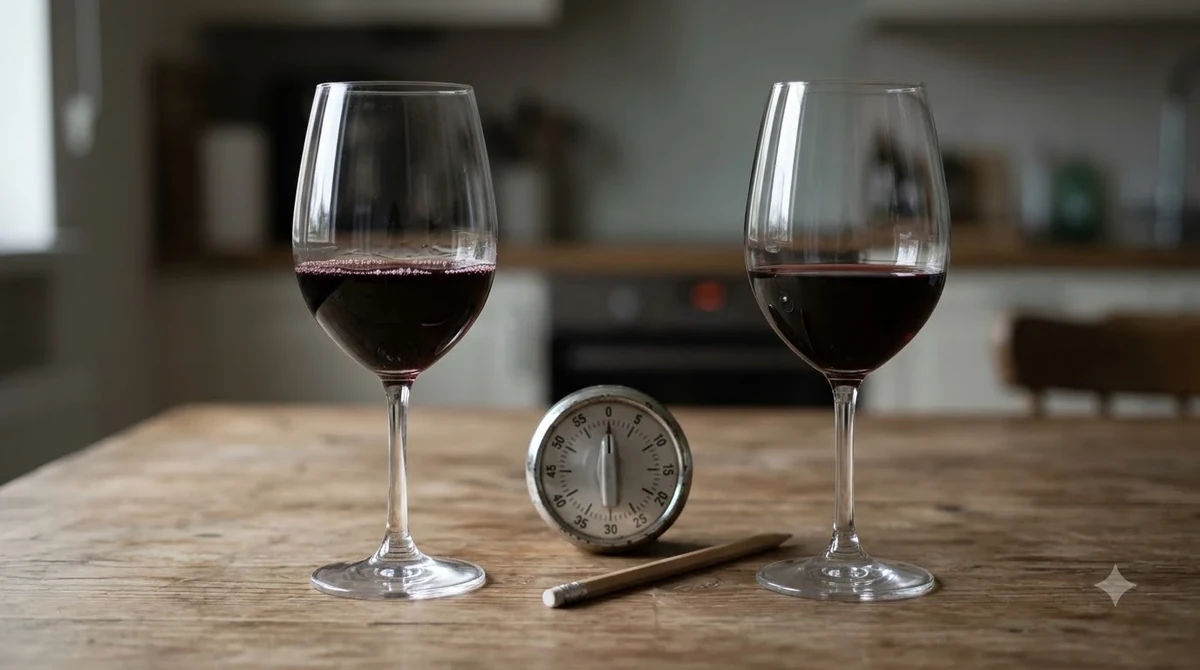
Tip: Young Aglianico del Vulture can benefit from 30–60 minutes in a decanter. This gives the wine time to open and helps soften its initial impression of firm tannins. Older bottles should be handled more carefully because extended exposure to oxygen can diminish delicate mature aromas.
Basilicata’s DOC and DOCG Appellations Explained
Basilicata has one DOCG and four DOC appellations, each representing different growing areas and wine styles. Understanding their grape requirements is a useful way to recognize the region’s diversity beyond its famous Aglianico reds.
Aglianico del Vulture DOC and Aglianico del Vulture Superiore DOCG are the principal northern designations. Both are based on 100% Aglianico according to Federdoc. Their production area covers designated municipalities in the province of Potenza, including Rionero in Vulture, Barile, Rapolla, Venosa, and Melfi.
The Superiore DOCG represents a more tightly regulated, maturation-focused expression of the grape. It is particularly interesting for people who appreciate structured Italian reds with firm acidity and considerable aging potential. The broader DOC designation offers more flexibility in style and is a useful entry point for discovering the area’s producers.
Matera DOC covers the province of Matera in eastern Basilicata. Its range includes white, rosé, red, and sparkling wines. Federdoc specifies at least 85% Malvasia Bianca di Basilicata for the white and sparkling categories, while its rosé requires at least 90% Primitivo. The red category requires at least 60% Sangiovese and 30% Primitivo.
Grottino di Roccanova DOC comes from the province of Potenza, particularly the municipalities of Roccanova, Sant’Arcangelo, and Castronuovo di Sant’Andrea. Its white wines require at least 85% Malvasia Bianca di Basilicata. Red and rosé styles use combinations of Sangiovese, Cabernet Sauvignon, Malvasia Nera di Basilicata, and Montepulciano.
Terre dell’Alta Val d’Agri DOC represents another distinct production area in the province of Potenza. Its red wines require at least 50% Merlot and 30% Cabernet Sauvignon. The rosé category has its own blend requirements, including minimum proportions of Merlot, Cabernet Sauvignon, and Malvasia di Basilicata.
The regional Basilicata IGT designation provides an additional framework for wines that follow its applicable production rules without using one of the specific DOC or DOCG names. It can be useful when exploring wines made with international varieties or less conventional combinations.
| Appellation | Main grape requirements | Typical wine styles |
|---|---|---|
| Aglianico del Vulture DOC | 100% Aglianico | Structured red |
| Aglianico del Vulture Superiore DOCG | 100% Aglianico | Ageworthy red |
| Matera DOC | 85% Malvasia Bianca for white; 90% Primitivo for rosé; 60% Sangiovese and 30% Primitivo for red | White, rosé, red, sparkling |
| Grottino di Roccanova DOC | 85% Malvasia Bianca for white; specified blends for red and rosé | White, rosé, red |
| Terre dell’Alta Val d’Agri DOC | 50% Merlot and 30% Cabernet Sauvignon minimum for red | Red and rosé |
These percentages are minimum requirements where stated, rather than necessarily the complete composition of every bottle. Additional authorized varieties may be permitted under the relevant production specifications. The differences are important because a Matera red based on Sangiovese and Primitivo will offer a very different experience from a 100% Aglianico del Vulture.
Important Grapes and Wine Styles Beyond Aglianico
Although Aglianico dominates the region’s reputation, Basilicata grows several other varieties. Malvasia Bianca, Primitivo, Sangiovese, Merlot, Cabernet Sauvignon, and Malvasia Nera contribute to its white, red, and rosé wines.
Malvasia Bianca di Basilicata is particularly important in the white wines of Matera DOC and Grottino di Roccanova DOC. Depending on the producer and winemaking approach, wines made from this grape can emphasize floral aromas, citrus, orchard fruit, and fresh herbal notes. They provide a useful alternative to the region’s more powerful red wines.
Primitivo is associated with the warmer eastern part of Basilicata, particularly Matera. It is known for ripe berry and plum flavors, generous fruit, and a fuller palate. The Matera DOC rosé category requires at least 90% Primitivo, while its red category combines the variety with Sangiovese.
Sangiovese adds freshness and structure to certain regional blends. Its naturally bright acidity and red-fruit profile can balance the ripe fruit character of Primitivo. It is also a significant component of Grottino di Roccanova’s red and rosé wines.
Merlot and Cabernet Sauvignon are important in Terre dell’Alta Val d’Agri. These familiar international varieties offer an alternative to the local Aglianico style. Merlot generally contributes softer fruit and a rounder texture, while Cabernet Sauvignon provides firmer tannins and dark-fruit character.
Malvasia Nera di Basilicata also has a place in regional blends. Its inclusion in Grottino di Roccanova allows producers to work with a local variety alongside internationally familiar grapes. Montepulciano is another authorized component in certain Grottino red and rosé wines.
For wine drinkers who prefer whites, the Matera and Grottino appellations are useful starting points. Those who enjoy fruit-forward reds may prefer Matera’s Primitivo-influenced styles. Drinkers seeking more structure and savory complexity should begin with Aglianico del Vulture.
Notable Basilicata Producers and Bottles to Discover
Exploring producers is one of the best ways to understand the differences between Vulture’s villages and winemaking traditions. Several estates demonstrate how Aglianico can range from approachable and fruit-driven to deeply structured and suitable for extended cellaring.
Elena Fucci is one of the best-known names associated with modern Aglianico del Vulture. She established her winery in Barile in 2000, initially concentrating on the single-vineyard Titolo bottling. Wine Enthusiast reports that production grew from approximately 1,200 bottles in its first year to around 25,000–30,000 bottles in the period covered by its profile. The winery has also explored different expressions of Aglianico, including an amphora-aged version. For additional producer background and vineyard details, read Wine Enthusiast’s profile of the winemakers reviving Basilicata.
D’Angelo is another important Vulture producer. Its winemaking history extends across several generations, and the winery is particularly associated with traditional concrete fermentation and aging vessels. Its vineyards in Barile and Maschito illustrate the differences between volcanic tuff and clay-influenced growing sites. Wines from these locations can show distinct expressions of fruit, mineral character, and concentration.
Grifalco offers another interesting perspective on the region. Founded by Fabrizio and Cecilia Piccin in 2004, the estate works with vineyards across Venosa, Ginestra, Maschito, and Forenza. Its separate vineyard parcels allow the winery to explore the differences between villages and their individual growing conditions. Extended maceration and larger oak vessels feature in the production of selected wines.
Paternoster is a historic name in the Vulture district. Founded by Anselmo Paternoster in 1925, the winery has helped establish the area’s reputation for bottled Aglianico. Its portfolio includes different interpretations of the grape, making it a useful producer to explore when comparing traditional and more contemporary approaches.
Cantine del Notaio is another producer worth investigating. Based in Rionero in Vulture, it is associated with historic underground cellars and a range of wines that demonstrate the region’s winemaking character.
When comparing these estates, consider the village, vineyard altitude, grape sourcing, barrel treatment, and time spent aging. A single-vineyard wine from Barile may offer a different expression from a multi-site blend incorporating grapes from warmer locations. Comparing bottles side by side can reveal more about Vulture than relying on the appellation name alone.
How to Serve Basilicata Wines and Pair Them with Food
Aglianico del Vulture is particularly rewarding alongside rich, savory dishes that can stand up to its tannins and acidity. Serving temperature, decanting, and food texture all influence how the wine performs at the table.
For a young, full-bodied Aglianico, aim for approximately 60–65°F. This temperature allows the wine to express its fruit and savory aromas without making the alcohol seem overly prominent. A bottle served too warm may feel heavy, while one served too cold can seem excessively tannic and restrained.
Pair Aglianico with grilled beef, lamb, roasted pork, braised short ribs, or game dishes. Its firm tannins work particularly well with protein-rich foods, while the wine’s acidity helps balance rich preparations. Aged cheeses, especially hard Italian varieties, are also excellent choices.
For a regional pairing, try Aglianico with slow-cooked lamb, grilled sausages, or meat-based pasta sauces. The wine’s concentrated dark-fruit flavors complement roasted and browned ingredients, while its structure helps balance the richness of the dish. Tomato-based recipes can also work well because the wine has enough acidity to complement the sauce.
Matera Primitivo rosé and lighter white wines call for different pairings. Serve a fresh Malvasia Bianca at approximately 45–50°F with seafood, grilled vegetables, mild cheeses, or herb-seasoned poultry. Primitivo-based rosé works nicely with tomato salads, roasted peppers, cured meats, and Mediterranean vegetable dishes.
Food temperature and intensity matter, too. Very spicy dishes can make alcohol and tannins seem more pronounced, so a strongly structured Aglianico is not always the best choice for chili-heavy recipes. A fresher white or rosé may be more comfortable with spicy preparations.
For a simple serving plan, use the following guidelines:
- Young Aglianico del Vulture: Serve at 60–65°F and consider 30–60 minutes of decanting.
- Aglianico del Vulture Superiore: Serve at 60–65°F with grilled meats, roasts, and aged cheeses.
- Matera Malvasia Bianca: Serve at 45–50°F with seafood and lighter dishes.
- Matera Primitivo rosé: Serve at 45–50°F with Mediterranean vegetables, charcuterie, and grilled poultry.
- Terre dell’Alta Val d’Agri red: Serve at 60–65°F with roasted meats and mushroom-based dishes.
Standard wine pours are approximately 5 ounces, and a 750-milliliter bottle provides roughly five glasses. After opening, refrigerate still wines and aim to enjoy them within three to five days, using a suitable closure to reduce oxygen exposure.
Buying, Storing, and Exploring Basilicata Wine
The best way to begin exploring Basilicata is to compare its main appellations rather than selecting wines solely by grape variety. A bottle of Aglianico del Vulture, a Matera white, and a Primitivo-based rosé will show how different the region’s wine styles can be.
For a first purchase, choose an Aglianico del Vulture DOC from an established producer. It provides a clear introduction to the region’s most important grape and the influence of the Vulture landscape. If you already enjoy structured Italian reds, a Superiore or Riserva bottling may be a more interesting choice.
Look for the producer’s name, appellation, vintage, and alcohol percentage. These details help distinguish a traditional Aglianico from a more fruit-forward interpretation. Vineyard references can also be helpful, especially when the producer identifies a particular village or single vineyard.
Storage is important for bottles intended for aging. Keep cork-finished bottles on their sides in a dark location with stable conditions near 55°F. Avoid temperature fluctuations, direct sunlight, and repeated movement. Aglianico’s acidity and tannins give quality examples the structure to develop over time, but not every bottle is intended for long-term cellaring.
For everyday drinking, a younger DOC bottling is generally a sensible starting point. More complex Superiore wines can reward additional time in the cellar, particularly when they come from strong producers and suitable vintages. The exact aging potential varies by wine, so avoid assuming that every Aglianico needs a decade before opening.
Wine lovers interested in exploring more unusual European regions can also compare Basilicata with the Savoie wine region, where mountain conditions and local grape varieties create a very different identity. The Switzerland wine region offers another useful comparison, particularly for understanding how elevation and cool growing conditions influence wine style.
For a broader introduction to European and international wine geography, browse our collection of Wine Regions. Readers interested in another distinctive island wine destination can also explore the Tasmania wine region, where cooler maritime conditions produce a contrasting range of wines.
Frequently Asked Questions
Is Basilicata wine considered good quality?
Yes. Basilicata produces internationally respected wines, particularly Aglianico del Vulture Superiore. The region also has producers working with old vineyards and carefully selected parcels, creating wines that attract attention from specialist Italian wine critics. Its relatively small production means that bottles can be less familiar to American consumers than wines from Tuscany or Piedmont.
Is Aglianico the same grape as Nebbiolo?
No. Aglianico and Nebbiolo are separate grape varieties, although both can produce structured Italian reds with firm tannins and significant aging potential. Nebbiolo is particularly associated with Barolo and Barbaresco in Piedmont, while Aglianico del Vulture is the signature expression of Basilicata. Their similarities are primarily in their wine structure and capacity to develop complexity with age.
What does the name Aglianico mean?
The grape’s name has sometimes been linked to the Italian word for Hellenic, suggesting a possible Greek connection. However, its precise origins remain uncertain. Historical references to Aglianico date back several centuries, making it a long-established part of southern Italian viticulture.
Are there white wines made in Basilicata?
Yes. Malvasia Bianca di Basilicata is an important white grape, particularly in Matera DOC and Grottino di Roccanova DOC. Both appellations have white wine categories requiring at least 85% of this variety. These wines offer an alternative to the region’s famous red wines and are useful choices for seafood and lighter meals.
Why is Monte Vulture important to Basilicata wine?
Monte Vulture is an extinct volcano whose geological formations helped shape the distinctive soils of the surrounding vineyards. Its influence extends beyond soil composition to the area’s varied elevations, slopes, and local growing conditions. The mountain is also associated with historic cellar traditions in nearby communities, including Barile, where underground wine storage spaces have long been part of the local landscape.
The Basilicata wine region offers much more than its famous Aglianico reds. Its volcanic northern vineyards, eastern Matera appellation, and distinctive local grapes create a varied selection of wines worth exploring. Start with Aglianico del Vulture, then branch out into Malvasia Bianca, Primitivo, and the region’s other DOC wines to appreciate the full character of this fascinating part of southern Italy.
More in Wine Regions
 Willcox Wine Trail: Discover Arizona’s High-Elevation Wine CountryUpdated Nov 20, 2026
 Yakima Valley Wine Region: Find the Best Styles to TryUpdated Nov 20, 2026
 Vosne Romanee Wine Tasting: Identify Aromas and Choose Better PairingsUpdated Nov 20, 2026
 Yakima Valley Wine Festival: Find the Best Seasonal Wine EventsUpdated Nov 20, 2026
 Wales Vineyards: Discover Cool-Climate Wines and Where to VisitUpdated Nov 20, 2026
 Yountville Wine Festival: Discover Napa Wines and Local FoodUpdated Nov 20, 2026