

We may earn a commission when you buy through links on this page, at no extra cost to you. Learn more.
A reliable starting point for wine pairing for mediterranean food is a fresh, balanced wine with enough acidity to meet lemon, tomato, herbs, and olive oil without overwhelming the dish. Choose crisp whites or dry rosé for seafood and vegetable-led plates, then move to medium-bodied reds for tomato pasta, grilled pork, and lamb. The sauce, seasoning, and cooking method matter as much as the main ingredient. You do not need a different bottle for every dish; a few versatile styles can cover an entire Mediterranean table.
Mediterranean food spans Greek mezze, Spanish tapas, Italian pasta, coastal seafood, vegetables, and slow-roasted meats. Match the wine to the strongest flavors, then adjust for richness, salt, smoke, and spice. Regional grapes are a helpful shortcut, but balance is more important than matching a country name.
Start With Acidity, Body, and the Strongest Flavor
The most reliable Mediterranean pairings balance the dish’s acidity and richness while keeping the wine’s weight in proportion. A lemony sea bass, a bowl of tomato pasta, and a plate of slow-roasted lamb need different structures, even when all three use olive oil and herbs.
Acidity is the first checkpoint. Lemon, vinegar, and tomato can make a soft, low-acid wine seem flat, so choose equal or greater freshness when those ingredients lead. Sauvignon Blanc and Riesling are high-acid whites; Pinot Noir brings freshness in a lighter red. For tomato sauce, Sangiovese and Barbera have enough acidity to stay lively beside the tomatoes. Serving temperature also changes how a wine feels: cool whites taste brisker, while reds served too warm can seem alcoholic and heavy. Use the table as a practical starting point, not a rigid rule. Next, compare body and intensity. Delicate white fish with parsley and lemon can disappear beside heavily oaked Chardonnay or powerful red, while grilled eggplant, lamb shoulder, or rich meat sauce can make a very light white seem thin. Vermentino, dry rosé, Pinot Noir, and many Sangiovese bottlings offer a useful middle ground.
Salt and fat soften the impression of tannin, while olive oil and fried coatings welcome refreshing acidity. Cabernet Sauvignon can suit fatty grilled beef, but not delicate seafood. Chili heat is amplified by alcohol and tannin, so spicy sausage or harissa is usually easier with a lower-alcohol, fruit-forward wine. On a board with both feta and salami, salt can soften tannin, but a lemon dressing still calls for a lively wine. Our broader Wine Pairing primer explains how acidity, sweetness, tannin, and body interact.
| Dish or dominant flavor | Good starting style | Serving temperature |
|---|---|---|
| Lemon, herbs, and white fish | Vermentino or Albariño | 45–50 °F |
| Feta, olives, and raw tomato | Assyrtiko or dry rosé | 45–50 °F |
| Tomato pasta or Margherita pizza | Barbera or Sangiovese | 55–60 °F |
| Grilled lamb or beef | Syrah or Cabernet Sauvignon | 60–65 °F |
| Fruit tart or honeyed pastry | Moscato or sweet white | 43–50 °F |
Tip: For a mixed platter with seafood, vegetables, and cured meat, pour dry rosé or sparkling wine first; save a structured red for the grilled meat course.
Seafood and Shellfish Call for Fresh Coastal Wines
For grilled fish, shrimp, calamari, and shellfish, start with a crisp white or dry sparkling wine. Lemon, parsley, garlic, and olive oil tend to favor freshness, while richer sauces or meatier fish can support a fuller white, rosé, or light red.
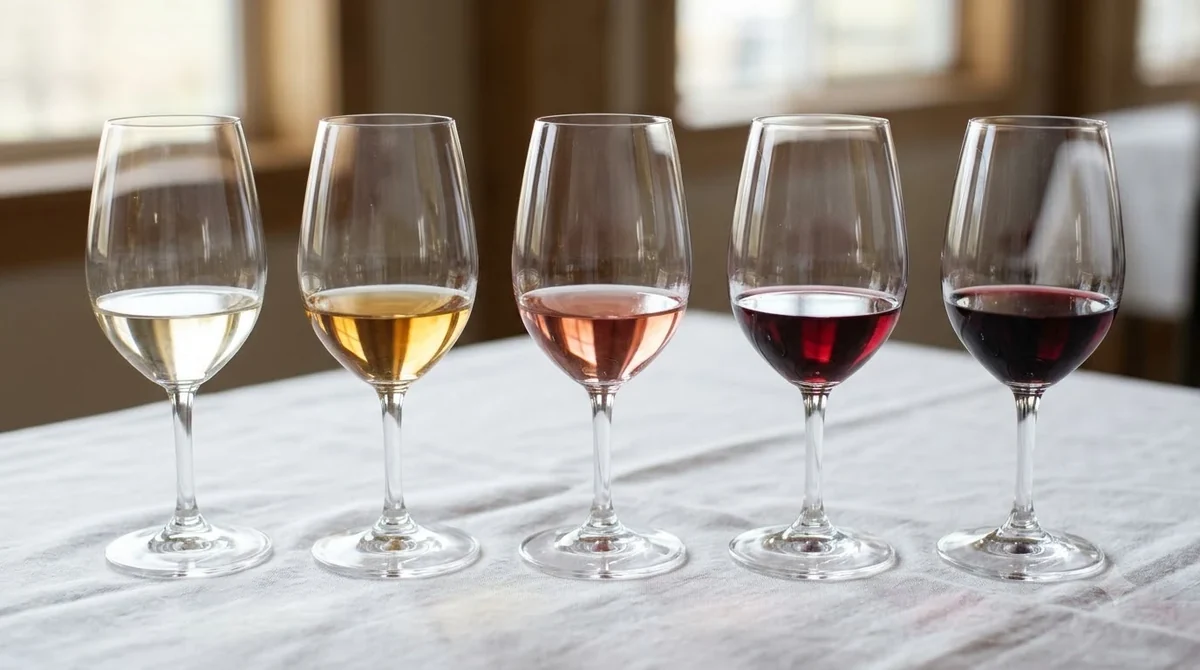
For grilled sea bass, sea bream, or sole, look for Vermentino, Albariño, Assyrtiko, Grillo, or Pinot Grigio. Their acidity and citrus or herbal notes work with lemon and green herbs. Albariño from Spain’s Rías Baixas is a useful coastal choice; our Albariño food pairing article covers more dishes for its crisp profile. Decanter’s fish-pairing advice also stresses that cooking method and sauce can change the match. Fried calamari, battered fish, and shrimp fritters need refreshment after the crisp coating. Dry sparkling wine works because bubbles and acidity contrast with fried richness; Brut, Crémant, or fresh Sauvignon Blanc are good choices. Dry rosé is useful when the platter also includes grilled vegetables. Keep the wine light enough to preserve the delicate flavor of squid or shrimp.
Preparation changes the octopus pairing: a chilled salad with lemon, parsley, and olive oil suits crisp white or dry rosé, while grilled octopus can take a textured white or lightly chilled red. For sardines, anchovies, and mackerel, choose a brisk white, dry rosé, or low-tannin red; oily fish have assertive flavors and clash with heavily tannic reds. Tuna and salmon offer more flexibility: lightly seared tuna suits Vermentino or Chardonnay, while grilled tuna with olives, capers, and tomato can take fresh Pinot Noir. Mussels or clams steamed with garlic, parsley, and white wine usually need a crisp, dry white rather than a weighty oak-aged style. For creamy seafood pasta, fuller Chardonnay can match the sauce’s weight if it retains enough acidity.
Mezze, Salads, and Olive Oil Favor Flexible Whites and Rosé
For a spread of hummus, tzatziki, Greek salad, olives, grilled peppers, and flatbread, dry rosé or a bright, medium-bodied white is often the easiest choice. These dishes mix salt, raw vegetables, garlic, herbs, and olive oil, so freshness matters more than sheer power.
A Greek salad combines tomato, cucumber, red onion, feta, olives, and oregano. Assyrtiko’s acidity stands beside the tomato dressing and its structure handles salty feta; Moschofilero from Mantinia offers a lighter, aromatic option. The Wine Lovers Greece pairing guide likewise points to Moschofilero for Greek salad and Assyrtiko for salty mezze. For hummus, baba ganoush, and tzatziki, choose a wine that can meet garlic, tahini, yogurt, and smoke. Assyrtiko, Vermentino, Sauvignon Blanc, and dry rosé bring freshness for lemon and olive oil. A fuller white with lees texture can suit creamy dips, but heavy new oak competes with parsley, mint, dill, and raw garlic.
Dry rosé is handy with a spread of olives, grilled zucchini, roasted peppers, chickpea fritters, cured ham, and mild cheeses. Sparkling wine also suits salty snacks and fried bites. If the spread includes both lemony salad and smoky dip, choose a wine with enough acidity for the dressing and some texture for the eggplant. Avoid very tannic reds for a mixed mezze platter, where they can overpower cucumber, fresh cheese, and delicate vegetables. When raw onion or garlic dominates, choose a wine with fresh fruit and restrained oak rather than one with a strong barrel character.
Tomato Pasta, Pizza, and Vegetables Need Freshness
Tomato-based Mediterranean dishes usually need a wine with enough acidity to stay lively beside the sauce. Italian reds such as Barbera and Sangiovese are reliable starting points, while crisp whites and dry rosé suit lighter vegetable preparations.
For spaghetti al pomodoro, marinara, or baked tomato pasta, choose a medium-bodied red with bright acidity rather than a heavily oaked wine. Sangiovese, Barbera, and Montepulciano d’Abruzzo all work, depending on the sauce. Barbera is useful with tomato, roasted peppers, or sausage; see our Barbera food pairing article for more tomato-friendly meals. A simple sauce does not need a concentrated wine. Match pizza by its toppings. Margherita with tomato, mozzarella, and basil suits Barbera or Sangiovese; mushroom pizza can work with Pinot Noir. Sausage, pepperoni, and spicy salami bring more fat, salt, and heat, so choose a medium-bodied red with moderate tannin and alcohol.
Grilled eggplant, mushrooms, and roasted peppers gain sweetness and smoke, making dry rosé, Pinot Noir, or lighter Sangiovese sensible. Zucchini, asparagus, artichoke, and green herbs often suit Sauvignon Blanc or Vermentino. Sharp vinegar or lemon dressings can mute a soft wine. For white pizza with ricotta, mushrooms, or greens, try a textured Italian white or Chardonnay; sparkling wine also refreshes the palate after melted cheese. Pesto pasta is another white-wine moment: basil, garlic, and olive oil favor an herbal, refreshing style rather than a dense red. Seafood pasta with garlic, shellfish, and herbs suits dry Vermentino, Grillo, or Falanghina. Cream or butter calls for a fuller white such as Chardonnay with enough acidity. Match the completed dish, not the pasta shape.
Grilled Lamb, Beef, and Poultry Can Take More Structure
Grilled and slow-cooked meats generally call for more body than seafood or fresh salads, but the best red depends on the meat’s fat, seasoning, and sauce. Medium-bodied reds suit many Mediterranean dishes, while richer cuts can handle more tannin and concentration.
For lamb chops, rosemary kebabs, or slow-roasted shoulder, choose Syrah, Xinomavro, or structured Agiorgitiko. Lamb’s flavor and fat can meet firm structure, especially after browning or slow cooking with garlic and herbs. Mature Xinomavro from Naoussa is a traditional match; Agiorgitiko from Nemea is softer. With lemony lamb, choose medium body rather than powerful Cabernet. For grilled beef, flank steak, or skewers, Cabernet Sauvignon and Syrah offer tannin and structure for protein and fat. Salt and fat soften tannin, so a rich cut can handle firmer wine than lean tenderloin. With sharp herb sauce, choose lively acidity and avoid excessive oak. Grilled kebabs dusted with cumin or paprika can be more assertive than plain chops, so keep the red’s alcohol moderate and let the seasoning guide the fruit profile.
Roast pork suits Barbera, Sangiovese, or Pinot Noir; fruit glaze may favor aromatic white or dry rosé. Chicken with lemon, oregano, and olive oil works with Vermentino or dry rosé, while paprika-seasoned chicken can take medium-bodied red. Slow-cooked rabbit with garlic and herbs can support Sangiovese, Syrah, or Merlot. Chicken souvlaki with oregano and lemon is usually better with a fresh white or rosé than with a heavily tannic red. Moussaka and pastitsio combine eggplant, meat, tomato, and béchamel, so choose a medium-bodied red with enough acidity for dairy and tomato. Agiorgitiko is a Greek option; a softer Merlot suits a preference for gentler tannins. For rich braise or beef with aged cheese, see our Amarone food pairing article for its fuller style.
Cheese, Spice, and Dessert Change the Final Choice
Cheese boards and desserts often need a different strategy from the main course. Fresh cheese favors bright whites, aged hard cheese can support structured reds, and sweet desserts require a wine at least as sweet as the food.
Feta, fresh goat cheese, and ricotta suit Sauvignon Blanc, Assyrtiko, or Vermentino, whose acidity meets tangy salt without heavy tannin. Creamy cheese can pair with Chardonnay or sparkling wine; aged Parmigiano Reggiano can handle structured red. Blue cheese often works with sweet wine because sweetness contrasts with salt and intensity. Harissa, hot peppers, chili oil, and spicy sausage can make alcohol and tannin feel more pronounced. With genuinely hot dishes, choose a lower-alcohol, fruit-forward red, dry rosé, or aromatic white with slight residual sweetness instead of forceful Cabernet or Syrah. Rosé is useful when mild and spicy plates share the table.
With fruit tart, honeyed pastry, baklava, or dried-fruit dessert, serve wine at least as sweet as the food. Moscato d’Asti suits fresh fruit and light pastries; a richer dessert wine can meet baklava’s honey and nuts. Dry table wine beside very sweet dessert can taste sour or bitter. For citrus-forward pastries, a sweet wine with lively acidity can keep the finish from feeling heavy. Almond pastries and honey desserts can also work with sweet fortified wines, whose concentration is better suited to the pastry’s intensity than a simple dry white. Plan the full sequence: dry rosé or crisp white may suit mezze and the main course, but not syrup-soaked pastry. Pour a separate sweet wine for dessert or finish with coffee or tea.
Frequently Asked Questions
These answers clarify a few practical details and wine terms, including bottle yield, lees, sparkling-wine sweetness, and a tricky vegetable pairing.
How many standard pours are in a 750 mL bottle?
At a 5-ounce pour, a standard 750 mL bottle yields about five glasses. For a long dinner with several courses, smaller tastes let guests compare more than one wine without changing the basic pairing plan.
What does “lees-aged” mean on a white wine description?
Lees are the spent yeast cells left after fermentation. Keeping a wine in contact with fine lees can add a rounder texture and savory or bread-like notes, which may help a white wine meet creamy dips or richer seafood preparations without relying only on oak.
Can I serve a light red wine chilled?
Yes. A short chill of about 20 minutes in the refrigerator can bring a light red such as Pinot Noir or Gamay into a refreshing range, especially beside grilled tuna or octopus. Avoid serving it ice-cold, which can make tannin and acidity seem harder.
What does Brut mean on a sparkling wine label?
Brut is a dryness category for sparkling wine, not a grape variety or a production method. The scale runs from Brut Nature and Extra Brut through Brut, then to the sweeter Extra Dry, Dry, Demi-Sec, and Doux categories.
Why can an artichoke be difficult to pair with wine?
Artichokes contain a compound called cynarin that can make the next sip seem sweeter; tannic reds can also come across as bitter. Wine Enthusiast’s artichoke pairing advice recommends dry, crisp wine such as Sancerre or high-acid Greco di Tufo, depending on preparation.
For most Mediterranean meals, begin with acidity and freshness, then adjust the wine’s body to the richness of the dish. Vermentino, Albariño, Assyrtiko, dry rosé, Barbera, and Sangiovese cover a wide range of seafood, mezze, vegetables, pasta, and grilled meats. The best bottle is the one that complements the strongest flavors on the table and leaves the food just as enjoyable as the wine.
More in Food & Wine Pairing
 Risotto With White Wine Recipe: Make a Creamy Dinner at HomeUpdated Nov 20, 2026
 Wassail With Wine Recipe for a Festive Spiced Holiday DrinkUpdated Nov 20, 2026
 Spritz Veneziano Recipe: Make a Classic Venetian Aperitivo at HomeUpdated Nov 20, 2026
 Summer Wine Punch Recipe for Easy Homemade EntertainingUpdated Nov 20, 2026
 Bishop Recipe: How to Make a Bright, Citrus-Forward Red Wine CocktailUpdated Nov 20, 2026
 Wine Cupcakes Recipe: Bake Rich Chocolate Cupcakes at HomeUpdated Nov 20, 2026