

We may earn a commission when you buy through links on this page, at no extra cost to you. Learn more.
How to tell if champagne is bad comes down to checking its smell, color, bubbles, and the bottle’s condition together. A sharp vinegar or damp-cardboard aroma, an unexpectedly brown appearance, or a leaking bottle can signal a fault. A Champagne that has lost fizz after opening may be flat rather than spoiled, so consider its storage history.
Champagne changes as it ages, and not every change is a defect. Mature bottles can develop toast, nuts, honey, and richer fruit, while oxygen, heat, a faulty seal, or cork taint can strip away freshness or produce unpleasant aromas. The key distinction is between normal evolution, lost sparkle, and a clear wine fault.
The clearest signs of spoiled Champagne
Champagne that is genuinely faulty usually gives more than one warning: an unpleasant smell, an unbalanced flavor, or an appearance that seems wrong for its style. At 40–50°F, a fresh Chardonnay-based Blanc de Blancs should still show fruit; a brown cast and vinegar-like aroma are stronger clues than a quiet pour by itself.
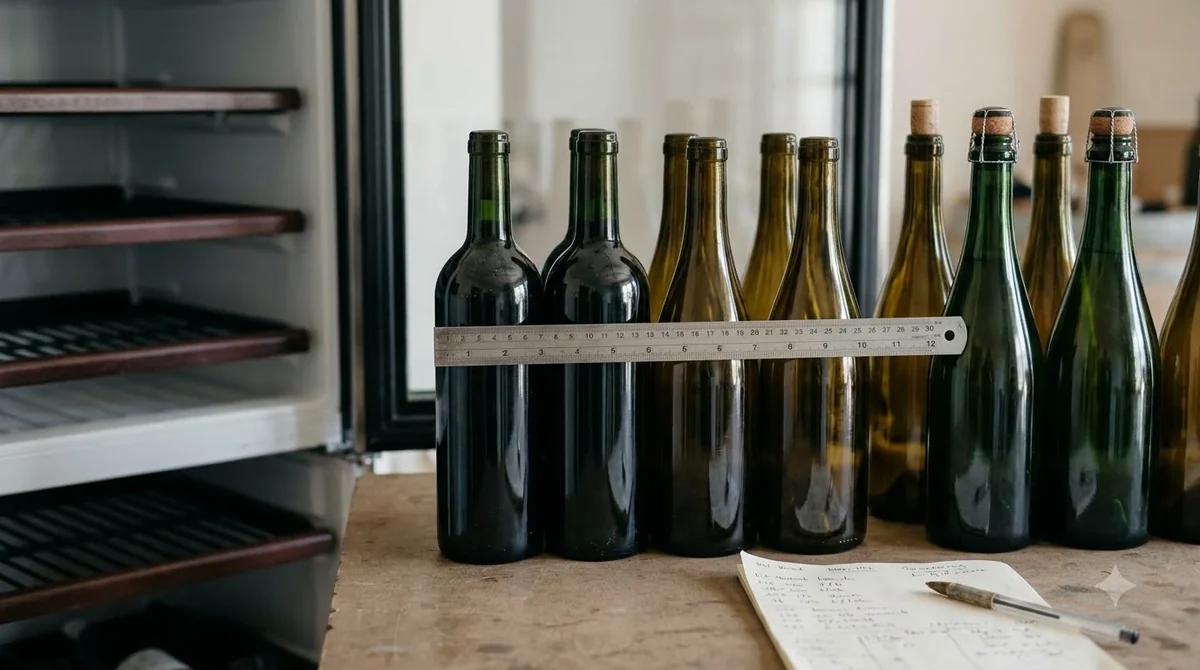
Start with the aroma. Pour a small amount into a clean glass and smell it before taking a sip. Fresh Champagne commonly suggests citrus peel, apple, pear, white flowers, brioche, or toasted nuts, depending on its blend and age. A strong smell of vinegar, cider that has turned sour, nail-polish remover, wet cardboard, damp basement, or mold is a warning. A faint earthy or toasty note is not automatically a fault; the concern is a dominant, stale, sour, or musty smell that covers the fruit and makes the wine seem lifeless.
Next, look at the wine against a white background. A young non-vintage Blanc de Blancs may be pale straw or light gold, while an older vintage Champagne can naturally become deeper gold and show developed aromas. A sudden dark amber or brown color in a bottle expected to be fresh, especially alongside bruised-apple or Sherry-like aromas, points toward oxidation. Decanter describes oxidation as contact with air that can brown white wines and take away fruit and freshness. Color alone is not a verdict, but a marked shift paired with stale aromas matters.
Finally, taste only after the aroma and appearance have given you no reason to stop. A wine that tastes sharply vinegary, harshly sour, or completely stripped of fruit and freshness is not showing well. A tired Champagne may still taste wine-like but dull; a faulty bottle is more likely to combine several defects. Do not force yourself to finish a glass just to confirm what the nose has already made clear.
What fresh and mature Champagne should look like
A sound bottle does not have to be pale, sharply acidic, or aggressively fizzy to be in good condition. Champagne can range from youthful citrus and orchard fruit to mature toast, hazelnut, honey, and dried fruit, with color and mousse changing gradually as the wine develops.
For a young non-vintage Brut, look for a clear pale-gold or straw color, lively bubbles, and fruit that remains recognizable. The aroma may include lemon, green apple, pear, white flowers, or fresh bread. A rosé Champagne can show salmon or pink tones, and a Blanc de Noirs made from Pinot Noir and/or Meunier can have more body and red-fruit character than a Blanc de Blancs based on Chardonnay. These are stylistic differences, not spoilage. A sound bottle also pairs well with aged Gruyère or triple-cream Brie; our guide to what cheese goes with Champagne explains texture and salt.
Age adds another layer. With time, primary fruit aromas can become less obvious as notes of toast, brioche, hazelnut, almond, honey, dried apple, and spice emerge. The color may shift from pale straw toward deeper gold, and the bubbles may seem finer or less forceful. Those developments can be desirable in a well-kept vintage bottle. Wine Enthusiast’s guide to wine faults distinguishes a bottle that is over the hill from one that has matured: diminished freshness can indicate decline, but some age-related changes are part of a wine’s character.
Sweetness also affects your impression. Brut is dry, Extra Dry is a little sweeter, and Demi-Sec is sweeter still. A ripe fruit impression is not spoilage; the question is whether the wine remains balanced, with enough acidity and fruit to support its toast or honeyed notes.
Odors and flavors that point to wine faults
Three faults are especially useful to recognize in Champagne: oxidation, cork taint, and heat damage. They have different causes, but each can make a bottle smell muted, sour, musty, cooked, or stale rather than fresh and composed.
Oxidation happens when wine has too much contact with oxygen. It can develop after a bottle is opened and left exposed, through a compromised closure, or during poor storage. In white wines, signs can include a darker brownish color, bruised-apple or cider aromas, nutty notes that seem stale rather than layered, and a loss of fresh fruit. Decanter’s description of oxidized wine highlights browning, diminished fruit, and reduced freshness. A deliberately mature Champagne may smell nutty, but oxidation tends to make the whole wine seem tired and less vivid.
Cork taint is different from ordinary age. TCA, or 2,4,6-trichloroanisole, is a common cause of the musty defect associated with a contaminated cork. The smell may resemble wet newspaper, damp cardboard, a moldy basement, or a wet dog, while the fruit seems unusually muted. The fault can be subtle: the Champagne may not smell powerfully moldy, but the aromas seem switched off and the palate feels hollow. Cork taint is a quality defect, not proof that the wine has been stored badly.
Heat damage can make Champagne seem cooked, stewed, or prematurely aged. Prolonged warmth and repeated temperature swings speed up the wine’s development and can damage its freshness. A brownish color, jammy or stewed-fruit aromas, and a cork that has pushed outward are useful warning signs, especially if the bottle spent time in a hot car, sunny window, or warm storage area. One warm afternoon does not prove damage, but heat exposure plus a displaced cork or cooked smell is a strong warning.
Bottle, cork, and closure warning signs
Before opening Champagne, inspect the glass, cork, foil, and bottle neck for leaks or damage. A cork that has begun to move, sticky wine around the closure, or a cracked bottle deserves more caution than ordinary label wear or a dusty capsule.
Champagne is bottled under pressure: Moët & Chandon gives a typical internal pressure of 6 to 8 bars, around three times the pressure in a car tire. Keep the bottle pointed away from people, hold the cork firmly, and do not shake it to test the seal. A cork sitting slightly proud of the neck, a wet seam, or dried wine marks under the capsule can mean pressure or liquid has escaped. Those signs can follow heat exposure, a closure problem, or rough handling; they do not identify the exact cause, but they are reasons not to treat the bottle as normal.
Do not confuse a cork’s appearance after opening with a fault. A Champagne cork is compressed inside the neck and expands after extraction, often taking on a mushroom-like shape. That shape is a normal result of the closure and pressure. A cork that crumbles, smells strongly musty, or shows obvious contamination is different. If the cork breaks during opening, avoid pushing fragments into the wine; use the steps in our guide to what to do if a cork breaks and strain carefully only if the wine itself smells sound.
A scuffed label, faded printing, or dusty foil does not mean Champagne is bad. A cracked neck, persistent seepage, a protruding cork, or visible leakage does matter. Handle a suspicious bottle gently because the pressure remains significant even when the closure looks compromised. Do not use a knife or another sharp tool to force a cork from a damaged neck.
Storage, age, and the difference between old and spoiled
Age alone does not make Champagne bad; the bottle’s style and storage history matter more. Cool, steady conditions help preserve freshness, while heat, light, vibration, and repeated temperature swings can push a wine toward oxidation or cooked aromas.
The Comité Champagne recommends storing bottles in a dark, ventilated place at about 10 to 15°C (50 to 59°F), with humidity around 60 to 80 percent, and away from strong odors and vibration. It says bottles may be stored upright or on their sides. Moët & Chandon gives a broader storage range of 45 to 65°F and also emphasizes stable temperature and protection from light and heat. These are storage conditions, not serving temperatures: chill Champagne to about 40 to 50°F before pouring, rather than keeping it in the refrigerator for long-term aging.
There is no single expiration date for every bottle. Non-vintage Champagne is generally made for earlier drinking than a carefully cellared vintage bottling, but producer recommendations differ. For example, Moët & Chandon says its non-vintage Brut in a standard 750 ml bottle is best opened within up to 24 months after release from its cellars, while its vintage bottles may have a longer aging window in good conditions. Those are producer-specific guidelines, not a universal deadline for every house or vintage. A bottle kept for years in a cool, dark cellar may be in better shape than a younger bottle left beside a radiator.
Use the wine’s character to make the final call. A deeper gold hue, fine mousse, and aromas of brioche or nuts can be signs of maturity, especially in a vintage Champagne. A brown cast combined with bruised fruit, vinegar, damp cardboard, or a cooked smell suggests deterioration. If the wine is simply less lively than expected but still clean and balanced, it may be past its freshest stage rather than spoiled. For more foundational terms and bottle-reading help, browse our Wine Q&A and wine basics.
Opened Champagne: bubbles, freshness, and what to do
An opened bottle loses carbon dioxide and freshness over time, even when it has not developed an obvious fault. The practical rule is to seal it immediately with a proper sparkling-wine stopper, refrigerate it, and aim to finish it within 1 to 2 days for the best result.
| Situation | Typical guideline | Practical cue |
|---|---|---|
| Serving Champagne | 40–50°F | Chill shortly before pouring |
| Long-term storage | 50–59°F (10–15°C) | Keep dark and temperature steady |
| Opened, airtight stopper | 1–2 days | Refrigerate immediately |
| Sparkling wine, tightly sealed | 2–3 days | Some fizz may remain |
Tip: Use a clamp-style sparkling-wine stopper, then refrigerate the bottle upright; never trust a loose cork or a spoon to hold the pressure.
The Comité Champagne says an opened bottle can be kept for one or two days when promptly closed with a special airtight stopper; its advice on storing an open bottle also rules out the spoon trick. Decanter notes that sparkling wines may retain some fizz for a similar 2 to 3 day period in the refrigerator when properly sealed. Treat those as quality guidelines rather than a guarantee: how much wine remains, how quickly it was chilled, the tightness of the seal, and the number of times the bottle is opened all affect the result. A bottle left open on the counter overnight will usually lose more sparkle than one sealed and chilled straight away.
Use a stopper designed for sparkling wine, with a secure mechanism that grips the bottle neck. The pressure inside a sealed bottle can push an ordinary loose cork out, so do not rely on a standard still-wine cork. The spoon-in-the-neck trick is a myth; the Comité Champagne specifically advises using a proper stopper instead. Keep it refrigerated after sealing, and point the neck away from faces when reopening.
Flatness by itself is not proof of spoilage. If the wine smells clean and tastes like wine, it may simply have lost its sparkle, and you can decide whether the reduced mousse still makes it enjoyable. If it has also developed vinegar, damp-cardboard, or cooked aromas, treat those as fault indicators rather than blaming the loss of bubbles. An unopened bottle that has no expected pressure or fizz is a different situation: a failed seal or poor storage may have allowed the carbon dioxide to escape, so inspect the closure and evaluate the aroma before serving. For the science behind retained carbon dioxide, see why Champagne is bubbly.
Frequently Asked Questions
Can Champagne be bad even if the cork pops?
Yes. A pop only tells you that pressure was released; it does not prove the wine is sound. Champagne is designed to open with a controlled release, and a bottle can still be cork-tainted, oxidized, or heat-damaged after making a normal opening sound.
Is sediment in Champagne a sign that it has spoiled?
Not necessarily. A small amount of deposit can occur in bottle-aged wine, particularly in bottles made with traditional methods or those that have been stored for a long time. It is different from an obviously moldy cork or a wine with sour, musty aromas, so judge the liquid’s smell and taste as well.
Can Champagne smell like bread and still be fresh?
Yes. Autolysis during bottle aging can contribute aromas often described as bread dough, brioche, biscuit, or pastry. Those notes are common in traditional-method sparkling wine and should not be confused with damp cardboard or a moldy-basement smell associated with cork taint.
Should Champagne rest after a long trip?
Yes. The Comité Champagne recommends letting a bottle rest for a few days after a long journey before opening it. That pause allows the wine to settle after transport rather than being served immediately after handling and movement.
Does a stronger stream of bubbles mean the Champagne is better?
Not by itself. Bubble size and speed are affected by the glass surface, cleanliness, temperature, and the wine’s age, so a dramatic stream is not a reliable quality score. A clean tulip-shaped glass helps concentrate aromas while leaving room for the mousse to develop.
The best way to judge Champagne is to consider several clues together: aroma, color, taste, bubbles, and the condition of the closure. A mature bottle can be golden and toasty without being spoiled, while a sour, musty, cooked, or badly oxidized wine is better left unserved. When in doubt, do not rely on fizz or cork sound alone; use the full picture of the bottle and its storage history.
More in Wine Basics
 Which Rose Is Best for Your Taste, Budget, and Food PairingsUpdated Nov 21, 2026
 Is Cheap Wine Bad? How to Find Bottles Worth DrinkingUpdated Nov 21, 2026
 What To Write On A Wine Gift Tag: Thoughtful Messages For Every OccasionUpdated Nov 21, 2026
 Which Wine Is Best For Weight Loss? Compare Lower-Calorie ChoicesUpdated Nov 21, 2026
 What Is The Best Wine For Mimosas? Choose Bubbly That Balances Orange JuiceUpdated Nov 20, 2026
 Which Prosecco Is Best for Your Taste and OccasionUpdated Nov 20, 2026