

We may earn a commission when you buy through links on this page, at no extra cost to you. Learn more.
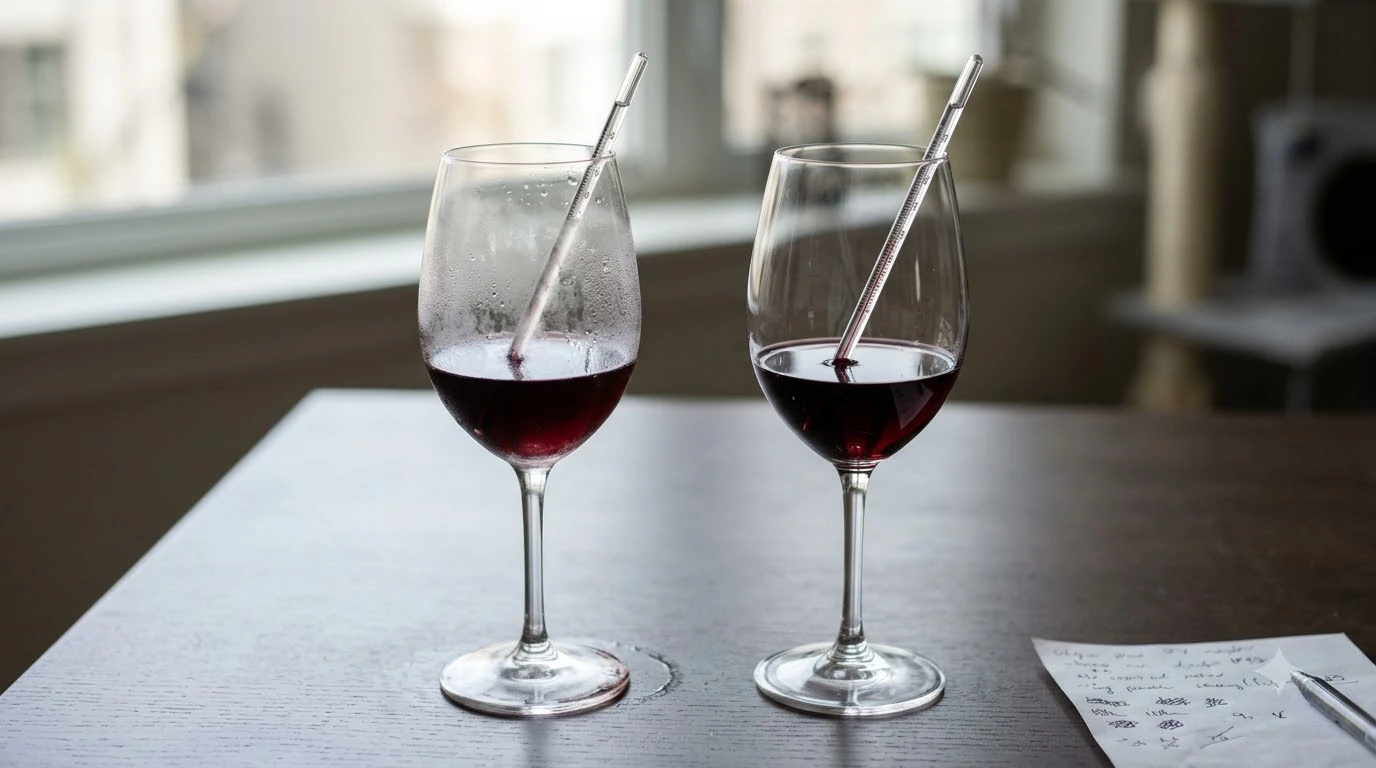
The answer to “does red wine stain teeth” is yes: red wine can leave a temporary red or purple surface stain, and frequent exposure can make discoloration more noticeable. Dark grape pigments give the wine its color, while tannins help those pigments cling to proteins on the tooth surface. Wine is also acidic, so rinse with water after drinking and wait before brushing.
A purple tint after a glass of Cabernet Sauvignon does not automatically mean a tooth has been permanently damaged. Most wine-related discoloration is an external stain, which is different from a change inside the tooth or from enamel erosion. Knowing the difference helps you choose a wine and care for your teeth after a pour.
Why red wine leaves color on teeth
Red wine stains because it contains intensely colored compounds from grape skins, along with tannins that can help the color attach to surfaces in the mouth. The result is usually a reddish, violet, or purple film on enamel rather than an immediate change to the tooth underneath.
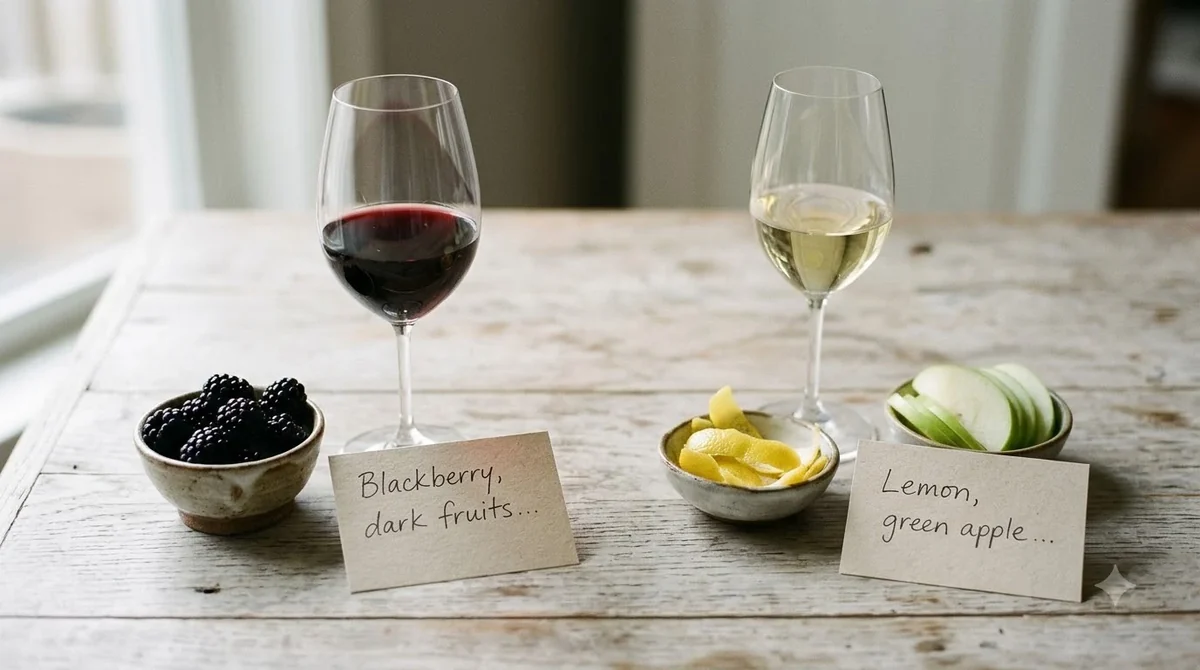
Much of a red wine’s color comes from anthocyanins, pigments naturally present in grape skins. During red winemaking, juice remains in contact with skins so that color, flavor, and tannin move into the wine. The length and intensity of that contact influence how deeply colored the finished wine becomes. A dark ruby or inky wine will generally deliver more visible pigment to the mouth than a very pale red, although color alone cannot predict exactly how much staining an individual will see.
Tannins are a different part of the equation. These plant compounds occur in grape skins, seeds, and stems; in the mouth, they create the drying, puckering sensation associated with many young reds. Tannin is not simply the red dye. Tannins and other polyphenols can interact with proteins in saliva and the thin protective film that naturally coats enamel, making colored compounds more likely to remain on the surface. Saliva continually washes the mouth and buffers acids, but its protein film, called the salivary pellicle, is not an absolute barrier against pigment. Plaque, rough enamel, existing deposits, or lower saliva flow can make color more noticeable.
Laboratory findings help explain the mechanism but need careful interpretation. A study in the European Journal of Dentistry exposed enamel samples to 11 beverages in a simulated two-week cycle involving artificial saliva and a 0.2% chlorhexidine mouthrinse. Red wine and black tea produced the strongest staining in that model; white wine and diet lemonade were comparable to water. Prepared enamel samples and a specific mouthrinse protocol are not the same as everyday drinking, so the published dental staining study explains relative staining potential under controlled conditions, not what one glass will do to every person.
Which red wines are more likely to leave a visible stain
Deeply colored, tannic reds are more likely to leave an obvious purple cast than pale, lightly structured reds. Syrah, Cabernet Sauvignon, Malbec, and many Merlot blends often look more staining than a lighter Pinot Noir or Gamay, but grape variety is only one clue.
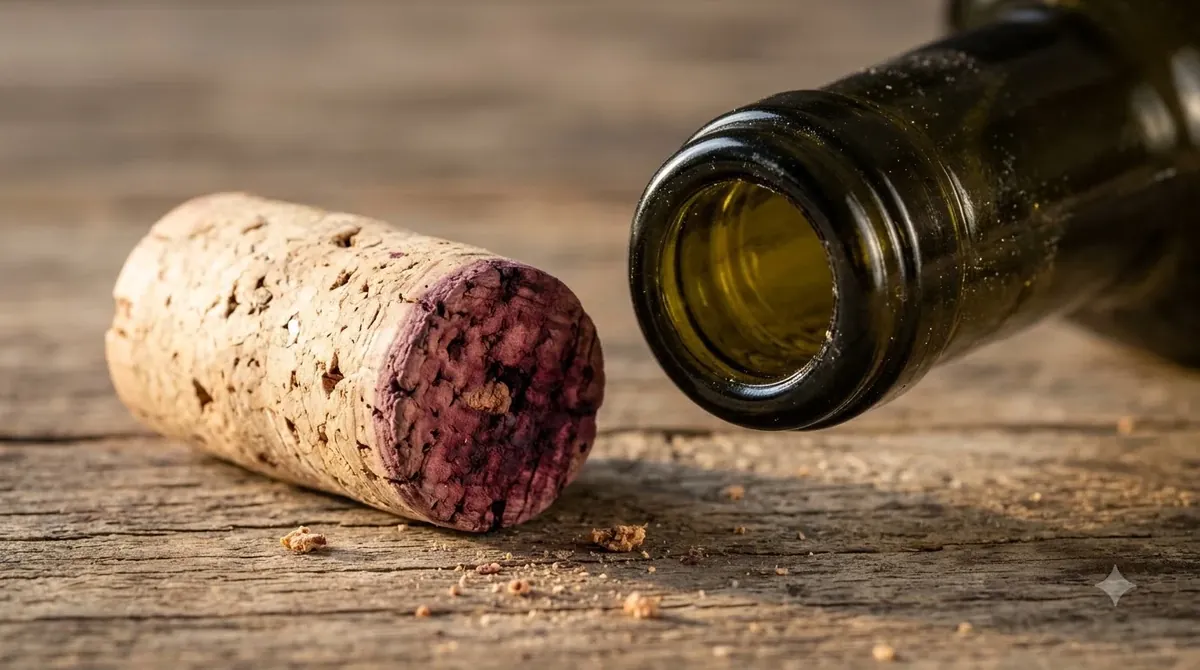
Pinot Noir and Gamay commonly produce lighter-colored reds, while Syrah, Malbec, and Cabernet Sauvignon can produce wines with deeper ruby, garnet, or purple hues. VinePair makes a similar broad comparison between lighter-pigmented Pinot Noir and Gamay and darker examples such as Merlot, Cabernet, Malbec, and Syrah. It is not a strict ranking: a concentrated Pinot Noir can be darker than a delicate Merlot, and blends can combine grapes with different pigment levels.
Winemaking choices matter alongside grape variety. Longer skin contact and more vigorous extraction can increase the amount of pigment and tannin in the finished wine. A young, extracted red may therefore leave a stronger temporary stain than a pale, gently made example from the same grape. Tannin level is a separate clue: Cabernet Sauvignon is generally high in tannin, Syrah is often medium-plus to high, Merlot is usually medium and softer, and Pinot Noir tends to be low to medium. A tannic wine may feel drying around the gums even if its color is not especially dark.
Decanter explains that tannins come primarily from grape skins, seeds, and stems and contribute to the structure and astringency of red wine. That drying sensation indicates tannin, not a precise amount of pigment. If you want a lower-stain style, a fresh Gamay or a less extracted Pinot Noir is a reasonable choice. If you prefer Cabernet or Syrah, a single glass does not mean permanent discoloration; pace the wine with water and follow the routine below. Our Wine Q&A and wine basics covers grape styles, acidity, and tannin in more detail.
Surface stains, enamel erosion, and permanent discoloration
A red-wine stain is usually an external discoloration, while enamel erosion is the gradual loss of tooth structure caused by acid. They can occur in the same setting, but they are not the same process and should not be treated as interchangeable.
The American Dental Association classifies red wine among highly pigmented foods and drinks that can cause extrinsic, or surface, stains. These form when colored compounds collect on enamel and can vary in shade and intensity. The ADA says extrinsic stains can often be reduced with mechanical cleaning, including an appropriate whitening toothpaste or professional cleaning. Its overview of tooth discoloration and whitening explains how surface stains differ from discoloration that develops inside enamel or dentin.
A temporary purple tint immediately after drinking is not proof of permanent staining. Pigment may sit on front surfaces, between teeth, or around the gumline, then become less visible as saliva washes the mouth and normal brushing removes loose deposits. Visibility depends on the wine’s pigment, enamel texture, plaque, saliva flow, and how often a person drinks dark beverages. A single evening is different from repeatedly exposing the same surfaces to red wine over many days.
Acid presents a separate concern. Wine contains naturally occurring acids, and an acidic drink can temporarily soften enamel. Brushing while that surface is softened may add unnecessary abrasion. The ADA explains that acid-related enamel erosion is permanent once tooth structure has been lost, and recommends giving saliva time to wash away acid and help the surface reharden before brushing. Slowly nursing a glass for hours or swishing wine around the mouth extends contact with pigment and acid; having wine with a meal and avoiding prolonged sipping reduces that exposure.
A practical routine before, during, and after red wine
A few simple habits can reduce visible pigment and limit unnecessary acid exposure. The most useful combination is normal brushing before the occasion, water while drinking, and a delay before brushing afterward.
Start with clean teeth. Brush and floss as part of your usual routine before a wine-focused meal or gathering, rather than trying to scrub away color after every sip. Removing plaque and food residue beforehand gives pigments fewer deposits to cling to. Use a soft-bristled brush and fluoride toothpaste; there is no need to polish teeth aggressively or increase pressure because a stain looks stubborn. Keep your usual two-minute brushing routine.
While drinking, sip rather than swishing wine around your mouth, and alternate with plain water. Water helps wash away loose residue and dilutes acid. Having wine with food also shortens direct contact compared with sipping on an empty mouth for a long stretch. Cheese or another calcium-rich food can be a sensible accompaniment: the ADA notes that milk and cheese can help neutralize acids after acidic food or drink. This supports acid management; it is not a guarantee that cheese prevents every pigment stain. After the last glass, gently rinse with water, then wait an hour before brushing so saliva can clear acids and help the enamel surface recover.
| Step | Practical timing | Why it helps |
|---|---|---|
| Have a measured glass | About 5 oz per standard pour | Provides a consistent serving size and makes it easier to pace the evening. |
| Rinse with plain water | After the final sip; between pours when practical | Washes away loose pigment and dilutes acids left in the mouth. |
| Wait before brushing | 60 minutes after wine | Allows saliva time to clear acid and help the enamel surface recover. |
| Brush as usual | 2 minutes, twice daily | Maintains routine plaque control without extra scrubbing to chase color. |
Tip: Keep a glass of still water beside your red wine. Take a few sips between pours and rinse once more when you finish; do not use a toothbrush as an instant stain remover.
These steps reduce avoidable contact, but they cannot guarantee perfectly white teeth. Enamel texture, saliva flow, dental work, and personal stain susceptibility vary. If a tasting includes several wines, use water between samples, avoid swishing, and leave the toothbrush until the hour has passed. Do not pair wine with another strongly acidic drink, such as citrus soda, if you can avoid the extra acid exposure.
Removing red-wine stains without damaging enamel
For a surface stain, start with ordinary dental care rather than an aggressive whitening trick. A soft toothbrush, fluoride toothpaste, and professional cleaning when needed are more sensible than repeated hard brushing or abrasive household mixtures.
Whitening toothpastes mainly use mild abrasives to remove external deposits from enamel; some formulas also contain low levels of peroxide. They can help with surface stains, but they do not change the underlying natural color of a tooth in the same way as peroxide-based bleaching. Follow product directions and avoid pressing harder because a stain looks stubborn. A dental hygienist or dentist can remove many external stains during a professional cleaning, including deposits around the gumline or between teeth that a toothbrush may miss.
Whitening strips and gels use peroxide to change the appearance of natural tooth structure. They can cause temporary sensitivity or gum irritation and are not a universal solution for every kind of discoloration. The ADA notes that crowns, implants, fillings, and other tooth-colored restorations do not whiten like natural teeth, so bleaching can leave a mismatch between natural teeth and dental work. Discuss whitening with a dentist before starting a course, especially if you have restorations or unexplained discoloration.
Avoid DIY methods that promise instant results. Charcoal, salt, lemon juice, vinegar, and other abrasive or acidic household ingredients can wear enamel or irritate the mouth, and they are not reliable substitutes for proven dental products. If discoloration does not lift with routine cleaning, or one tooth changes color suddenly, arrange a dental assessment instead of repeatedly applying stronger products at home.
Does white wine or a lighter red prevent staining?
White wine usually leaves less visible red-purple pigment because it is made without the same extended contact with dark grape skins. It is not automatically better for enamel, though, because white wine is still acidic and does not remove the need for water and sensible brushing timing.
The controlled beverage study described earlier found that white wine produced staining comparable to water in its particular enamel-and-mouthrinse model, while red wine ranked among the strongest staining drinks. That helps explain why Sauvignon Blanc is less likely to leave the obvious purple cast associated with a dark Syrah. It does not prove that every white wine has no effect on teeth: acidity, drinking pattern, other foods, and the condition of the mouth all matter. Frequent acid exposure can also make enamel more vulnerable to later staining from other foods.
Rosé varies widely. Some styles have only a faint pink hue and brief skin contact; others are darker and more intensely colored. A pale rosé may leave less visible color than a dark red, but it is not a dental shield. The same basic routine applies to rosé and sparkling wine: avoid holding the drink in the mouth, drink water, and wait before brushing after an acidic drink. If you want to reduce visible staining while still choosing red wine, a lighter Gamay or Pinot Noir may be more practical than a deeply extracted Cabernet Sauvignon or Syrah.
A wine that has browned through age or oxidation is not automatically safer for teeth; oxidation affects aroma and flavor as well as color. Our guide to what oxidized wine tastes like explains that separate wine-quality question. Tooth staining is also different from sneezing or nasal irritation some people associate with a glass of red. That reaction is not caused by pigment sitting on enamel; readers who experience nasal symptoms can learn more in our article on why wine can make you sneeze.
Frequently Asked Questions
Can red wine stain your tongue as well as your teeth?
Yes. Pigments can temporarily coat the tongue and other soft tissues in the mouth, which is why the tongue may look purple after a dark red wine. The color usually fades as saliva and normal eating and drinking clear the surface.
Can chlorhexidine mouthwash affect red-wine staining?
Chlorhexidine mouthrinses are associated with oral staining, and one laboratory study examined beverages in combination with a 0.2% chlorhexidine rinse. That experiment does not show that everyone using the rinse will develop a wine stain, but ask the prescribing dental professional about persistent discoloration rather than stopping a prescribed rinse on your own.
Why can teeth look more yellow even when the wine stain is gone?
Enamel naturally becomes thinner and more translucent with age, allowing the naturally yellower dentin underneath to show through. That change is different from a purple surface deposit and will not be corrected by simply rinsing after wine.
Can a red-wine stain be confused with a cavity?
Surface pigment tends to appear as a deposit or discoloration on an exposed area, while decay can create changes in the tooth itself. Appearance alone is not a reliable way to tell them apart, especially in a groove or between teeth, so a dentist should check a persistent dark spot.
Is charcoal toothpaste a good way to remove red-wine stains?
Charcoal products have not shown convincing evidence of safe, measurable whitening, and abrasive charcoal-and-salt mixtures can wear enamel. Choose a dental product with evidence and follow its directions instead of using gritty powders to scrub off pigment.
Red wine can stain teeth, but most immediate discoloration is a surface issue rather than a permanent change to the tooth. Drink water, give enamel about an hour before brushing after wine, and choose a lighter red when that suits your taste. For persistent stains or a sudden change in one tooth, a dental professional can identify the cause and recommend an appropriate cleaning or whitening option.
More in Wine Basics
 Which Rose Is Best for Your Taste, Budget, and Food PairingsUpdated Nov 21, 2026
 Is Cheap Wine Bad? How to Find Bottles Worth DrinkingUpdated Nov 21, 2026
 What To Write On A Wine Gift Tag: Thoughtful Messages For Every OccasionUpdated Nov 21, 2026
 Which Wine Is Best For Weight Loss? Compare Lower-Calorie ChoicesUpdated Nov 21, 2026
 What Is The Best Wine For Mimosas? Choose Bubbly That Balances Orange JuiceUpdated Nov 20, 2026
 Which Prosecco Is Best for Your Taste and OccasionUpdated Nov 20, 2026