

We may earn a commission when you buy through links on this page, at no extra cost to you. Learn more.
what is lees in wine? Lees are the fine deposits left after fermentation, made mostly of spent yeast cells along with small grape particles and other solids. Winemakers may remove them or leave selected lees in contact with the wine as it matures. That contact, called sur lie aging, can build texture and add bready, nutty, or creamy notes. It is especially important in many Chardonnays, Muscadets, and traditional-method sparkling wines.
Lees are a normal part of making wine, even though most drinkers never see them. They help explain why two wines made from the same grape can feel different: one may be light and sharply focused, while another feels broad, creamy, and layered. Understanding the terms on a wine label makes it easier to know what the producer was aiming for and what to look for in the glass. For related definitions, see the Wine Glossary.
What Lees Are and How They Form
Lees form as yeast completes fermentation and settles out of the wine. The deposit is mostly spent yeast, but it can also include bits of grape material and other particles that fall out of suspension.
During alcoholic fermentation, yeast consumes sugar in grape juice and produces alcohol and carbon dioxide. As fermentable sugar runs low and fermentation ends, many yeast cells die or lose activity, then settle toward the bottom of the tank, barrel, or bottle. The winemaker is left with wine above a layer of damp sediment known as lees.
Lees are not a separate ingredient poured into every wine. They develop naturally in stainless-steel tanks, oak barrels, concrete vessels, and bottles used for a second fermentation. Their quantity and composition vary with grape handling, clarification, yeast strain, fermentation conditions, and the amount of solid material carried into the vessel.
Yeast is the main component, but the deposit can also contain grape fragments and other compounds that precipitate out of the liquid. Most everyday still wines are separated from their lees relatively soon after fermentation, then clarified and stabilized before bottling. Other wines stay in contact with selected lees because the winemaker wants added texture or complexity; that is a stylistic choice, not a sign that one method is automatically better.
Gross Lees and Fine Lees: Why the Difference Matters
Winemakers distinguish between gross lees and fine lees because the two deposits behave differently. The heavier material is usually removed earlier, while carefully selected fine lees may be retained for aging in a barrel, tank, or bottle.
Gross lees are the heavier first deposit
Gross lees contain larger particles that settle relatively quickly after fermentation. These can include substantial yeast material, grape skins, seeds, stems, and other coarse solids. Because this material is less predictable, a winemaker commonly separates the wine from gross lees during an early racking; leaving unsuitable heavy sediment in place for too long can encourage unpleasant sulfur-related or otherwise dirty aromas. Racking means moving wine off its sediment into a clean vessel, leaving the deposit behind.
Fine lees are the material often kept for aging
Fine lees consist of smaller particles, largely spent yeast cells, that settle more slowly and form a softer deposit. They are the type most often associated with deliberate sur lie aging. Over time, their cellular material breaks down and releases compounds that can affect mouthfeel and aroma, so the wine may change over months rather than showing an immediate flavor shift.
Fine lees are not automatically beneficial in every vessel or for every wine. Their condition matters, as do temperature, oxygen exposure, sanitation, and contact time. A careful producer monitors the wine and adjusts the plan instead of assuming that longer contact always creates a better result.
What Lees Aging Changes in Wine
Lees aging can make a wine feel rounder and more textured, while adding savory aromas associated with bread, biscuits, nuts, or yeast. The result depends on the grape variety, vessel, length of contact, and whether the lees are stirred.
The key process is autolysis, the gradual breakdown of yeast cells by their own enzymes. As the cells break down, they release compounds including mannoproteins, peptides, and amino acids. These interact with components already in the wine and can increase the impression of body, contribute a softer or creamier texture, and help create a longer, more layered finish.
The aroma is not always a literal smell of yeast. A wine with lees influence may suggest fresh bread dough, brioche, oatmeal biscuit, toasted nuts, or a gentle savory character. In sparkling wine, extended contact can make brioche and biscuit notes more noticeable; in a still white wine, the effect may be easier to notice as extra weight or a smoother texture than as a distinct aroma.
Lees can also influence stability: compounds released during autolysis may help limit oxidation or interact with proteins and tartrates, although they do not protect a wine from every kind of instability. Some lees-related richness overlaps with malolactic fermentation or oak, but those processes are distinct. Malolactic fermentation converts sharper malic acid into softer lactic acid, while oak can contribute vanilla, toast, and spice; a barrel-fermented Chardonnay from Burgundy or California may show all three influences. More body is not more sweetness or alcohol: a dry Muscadet aged sur lie can remain brisk and saline, while a lees-aged Chardonnay can feel creamy without tasting sugary.
Bâtonnage and the Winemaker’s Choices
Bâtonnage is the French term for stirring lees back into the wine. A winemaker may stir a barrel or tank to increase contact between the liquid and fine lees, shaping texture and aroma more actively than simply leaving the deposit undisturbed.
In a barrel cellar, stirring may be done with a long tool that reaches through the bung opening; in a tank, the producer may use another controlled mixing method. The aim is to lift some fine lees into suspension so the wine interacts with them more evenly. Stirring can speed the release of yeast-derived compounds and make the wine feel broader, creamier, or more layered.
There is no universal schedule for bâtonnage. One Chardonnay might be stirred regularly during part of its maturation, while another may rest quietly on fine lees without stirring. Some producers reduce or stop stirring as the wine approaches bottling so the lees can settle before racking or filtration. The appropriate approach depends on the wine’s acidity, concentration, aroma, and desired level of richness.
Stirring has trade-offs. It can increase texture, but poorly managed lees or excessive contact can push aromas toward struck match, rotten egg, or other reductive notes associated with sulfur compounds. Removing gross lees early and managing oxygen exposure are part of keeping the process on track. Vessel choice matters too: stainless steel can build texture without oak flavor, while a barrel contributes both lees-derived texture and oak influence.
Tip: When comparing two dry Chardonnays, look for “sur lie,” “lees aged,” or a note about bâtonnage, then taste for texture as well as aroma. A creamy mid-palate or subtle bread-dough note may point to lees contact, while vanilla and sweet spice are more likely to reflect oak.
Lees in Champagne, Muscadet, and Other Wines
Lees play a major role in traditional-method sparkling wine and several still white-wine styles. Champagne, Muscadet, and white Burgundy are useful reference points because they show how the same technique can produce different results.
In Champagne, the base wine undergoes a second fermentation inside the bottle after a mixture of wine, sugar, and yeast is added. The new yeast cells eventually die and form a deposit; the wine then matures in contact with those lees, developing more complex aromas and texture as autolysis takes place. The Comité Champagne says genuine Champagne spends at least 15 months in the producer’s cellar, and vintage cuvées at least three years, with cellars kept dark and close to 12°C. During riddling, the bottle is gradually turned and angled so the lees move toward the neck, where disgorgement removes them. Longer contact can bring more pronounced brioche and biscuit notes. See the Comité Champagne explanation of maturation on lees for the regional process.
Muscadet from France’s Loire Valley offers a still-wine example. “Muscadet Sèvre et Maine Sur Lie” is associated with wine kept on fine lees after fermentation, typically in a tank; it can retain fresh citrus character while gaining breadth and a gentle yeasty quality that suits oysters and shellfish. White Burgundy and Chardonnays from other regions may spend months on fine lees in barrel or tank. A Chablis producer may use lees to add width to a wine built around acidity, while a richer Côte de Beaune Chardonnay may combine lees aging with barrel maturation.
Minimum periods vary by appellation, so these figures are reference points rather than a universal schedule. Decanter’s summary of lees-aging minimums gives the regional context for several requirements. For non-vintage Champagne, the regional body’s 15-month minimum is total cellar maturation, including at least 12 months on lees; vintage cuvées spend at least 36 months on lees. Cava de Paraje Calificado requires 36 months, while Franciacorta Riserva requires 60 months.
| Wine or category | Lees-aging period | What the figure describes |
|---|---|---|
| Non-vintage Champagne | At least 12 months | Minimum time on lees within a minimum 15-month cellar maturation period |
| Vintage Champagne | At least 36 months | Minimum lees maturation for vintage cuvées |
| Cava de Paraje Calificado | At least 36 months | Lees aging for this premium Cava category |
| Franciacorta Riserva | At least 60 months | Lees aging required for the Riserva category |
How to Recognize Lees Influence on a Wine Label and in the Glass
Terms such as “sur lie,” “aged on lees,” and “lees aged” tell you that the producer kept wine in contact with fermentation deposits. The clues are especially useful on Muscadet, Chardonnay, and traditional-method sparkling wines, but the phrase alone does not say how long the wine aged or whether the lees were stirred.
“Sur lie” literally means “on the lees,” while “bâtonnage” indicates that the winemaker stirred the sediment during maturation. A label or producer note may also state the time spent on lees, the vessel used, or the disgorgement date for a sparkling wine. Those details give a clearer sense of style than the word “lees” by itself.
In the glass, look for a change in texture before searching for a strong yeast aroma. Lees-influenced wine may feel wider across the middle of the palate, with a smoother impression and a finish that carries notes of bread, biscuit, almond, or toasted nuts. A wine can have this texture without smelling overtly yeasty. In Champagne, the bready character may be more prominent because the wine spends an extended period on lees after its second fermentation.
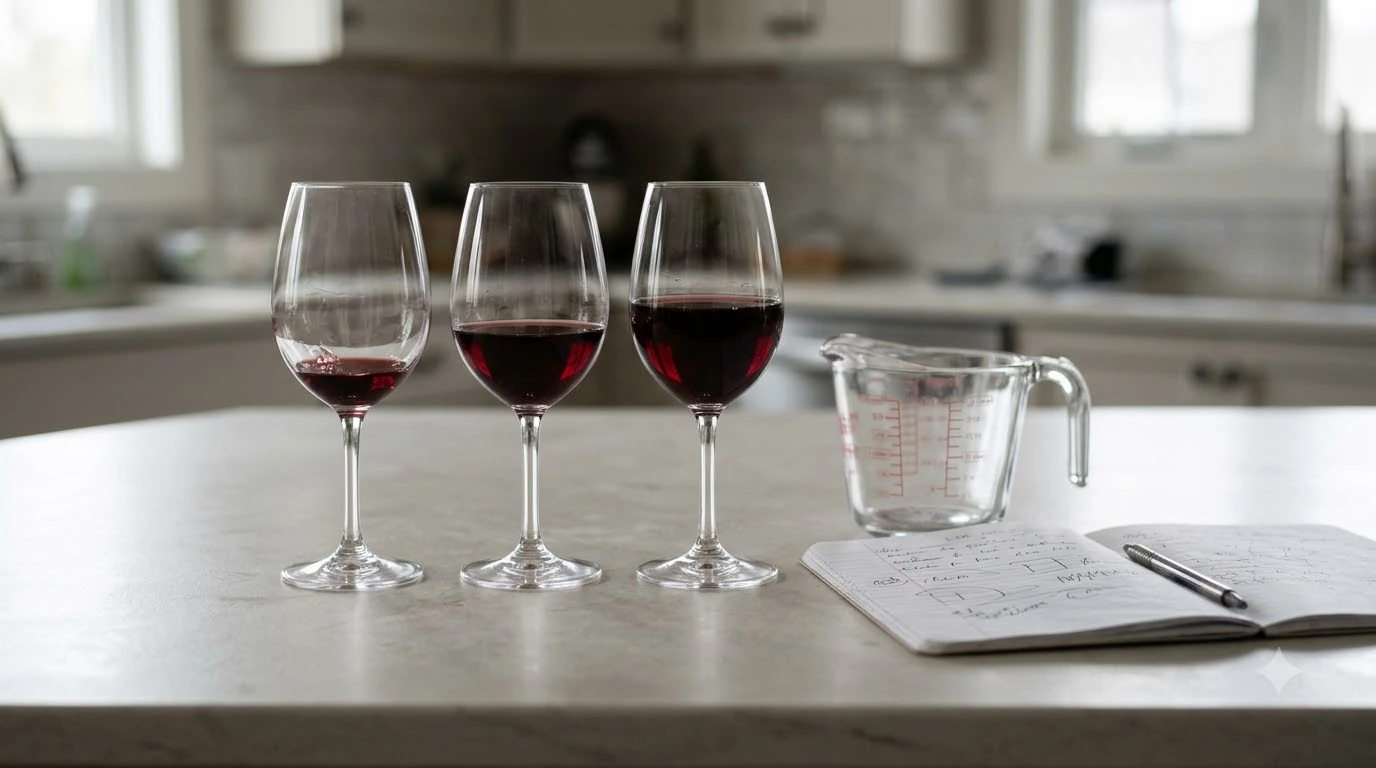
Compare wines made from the same grape to understand the effect. Taste a crisp, tank-fermented Chardonnay beside a barrel-fermented Chardonnay aged on fine lees, and separate the oak flavors from the lees texture. Another useful comparison is a fresh Muscadet beside a Muscadet Sèvre et Maine Sur Lie, where the latter may have more body while retaining lively acidity. Visible sediment does not always mean deliberate lees aging: crystals or color pigments can settle too. Lees influence is a matter of preference; choose a taut, citrus-led white for a cleaner profile or a sur lie wine for broader texture and savory notes. For a tasting or reception featuring sparkling and still wines, use serving guides to how many glasses in a magnum and how much wine for 100 guests.
Frequently Asked Questions
These five quick answers address common questions about lees, including crystals, cloudiness, sweetness, and bottle-fermented sparkling wine. Champagne and Muscadet are two familiar examples, but the cellar process applies much more broadly.
Are lees the same as wine crystals?
No. Lees are mainly spent yeast cells and other fermentation particles, while wine crystals are commonly potassium bitartrate, a naturally occurring tartrate salt. Those crystals can form when a wine is chilled, and they are not evidence of a fault.
Can lees aging make wine cloudy?
It can, especially if fine particles remain suspended or a producer bottles the wine with little clarification. Some bottle-conditioned farmhouse styles are intentionally hazy, but a cloudy appearance alone does not prove that a wine was aged on lees. Cloudiness can have other causes, so appearance needs context.
Do red wines ever age on lees?
Yes. Although the technique is more closely associated with white and sparkling wines, some red-wine producers retain fine lees for selected stages of maturation. They do so to manage texture or stability, not because every red wine needs extra yeast contact.
Does lees aging make a wine sweeter?
No. Lees are spent cells, not an ingredient that adds fermentable sugar. In traditional-method Champagne, a measured wine-and-sugar mixture called dosage may be added after disgorgement, but that is a separate step from lees aging.
What happens to lees in a bottle of traditional-method sparkling wine?
After the aging period, riddling gathers the deposit in the neck of the bottle. The neck is chilled so the sediment freezes into a small plug, which is expelled during disgorgement before the bottle is topped up and corked.
Lees are a natural result of fermentation, but keeping them in contact with wine is a deliberate stylistic choice. A little lees influence can add width and savory complexity, while longer aging can create the familiar brioche character of Champagne. Look for sur lie and lees-aging notes when you want to explore that texture, then compare the wine with a cleaner, fruit-forward style to see which expression you prefer.
More in Wine Basics
 Which Rose Is Best for Your Taste, Budget, and Food PairingsUpdated Nov 21, 2026
 Is Cheap Wine Bad? How to Find Bottles Worth DrinkingUpdated Nov 21, 2026
 What To Write On A Wine Gift Tag: Thoughtful Messages For Every OccasionUpdated Nov 21, 2026
 Which Wine Is Best For Weight Loss? Compare Lower-Calorie ChoicesUpdated Nov 21, 2026
 What Is The Best Wine For Mimosas? Choose Bubbly That Balances Orange JuiceUpdated Nov 20, 2026
 Which Prosecco Is Best for Your Taste and OccasionUpdated Nov 20, 2026