

We may earn a commission when you buy through links on this page, at no extra cost to you. Learn more.
Muscadet food pairing works best with oysters, mussels, shrimp, scallops, fresh fish, and other light dishes that complement the wine’s crisp acidity and subtle saline character. This dry white wine from France’s Loire Valley is particularly good with shellfish, whether served raw, steamed, grilled, or lightly cooked in butter. It also pairs surprisingly well with chicken, fresh vegetables, creamy sauces, and selected cheeses, making it useful for considerably more than a seafood platter.
Muscadet is an excellent choice when you want a refreshing white wine that supports food rather than competing with it. Made from Melon de Bourgogne grapes, it typically offers green apple, lemon, citrus, delicate herbal notes, and a mineral finish. Its naturally fresh character makes it especially adaptable to dishes containing lemon, garlic, fresh herbs, olive oil, and moderate amounts of butter. Understanding the differences between standard Muscadet, sur lie bottlings, and aged crus helps you choose the right bottle for everything from a simple oyster appetizer to a substantial seafood dinner.
Why Muscadet Works So Well With Food
Muscadet is a dry, refreshing white wine whose high acidity, light body, and subtle savory character make it particularly suitable for delicate ingredients. Its traditional home in the western Loire Valley, close to the Atlantic Ocean, also helps explain its longstanding association with seafood.
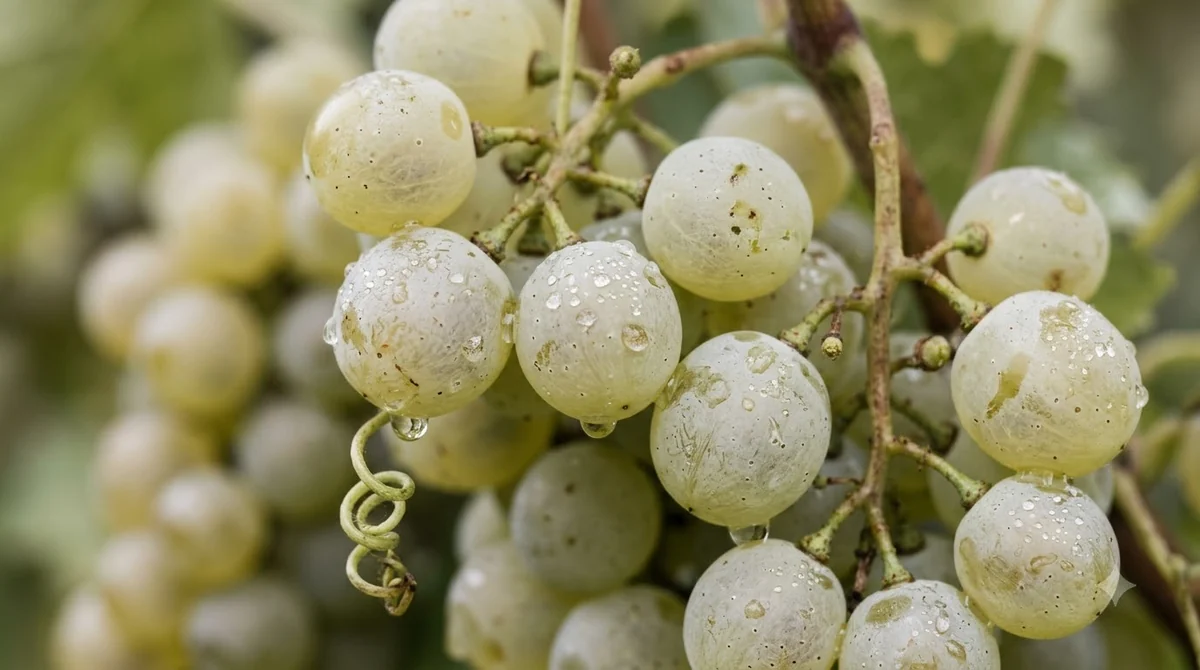
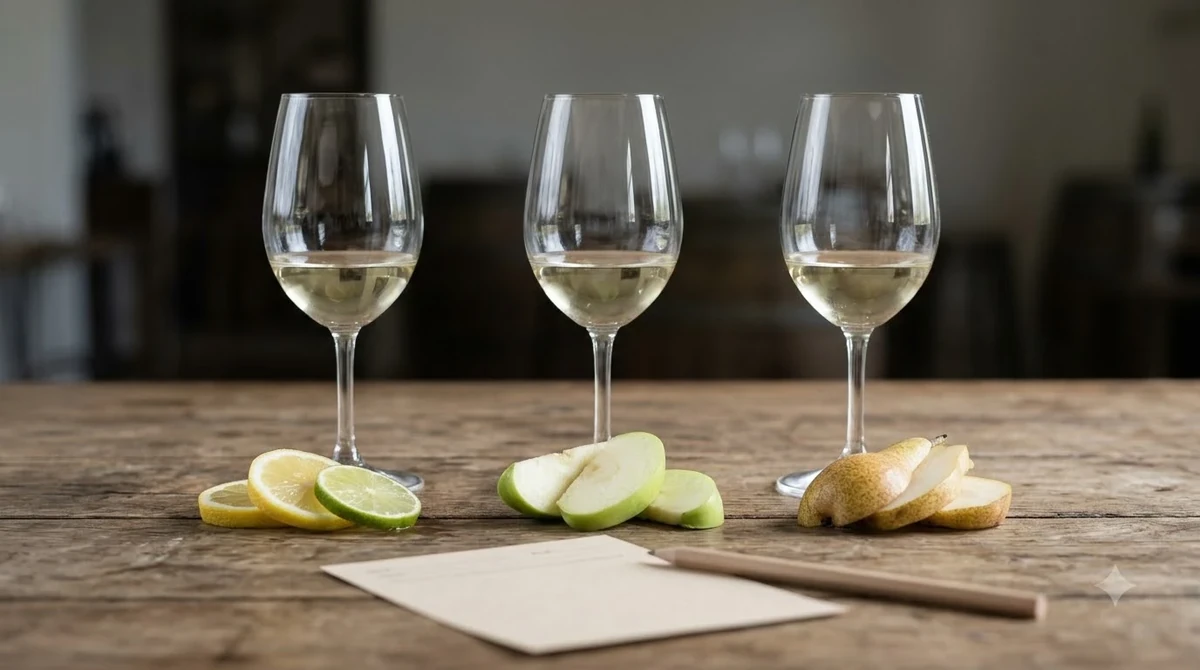
The wine comes from the Pays Nantais, the westernmost major wine-producing area of the Loire Valley in France. Its principal grape is Melon de Bourgogne, which produces wines with restrained fruit rather than the pronounced tropical aromas found in some other popular white varieties. Green apple, lemon, pear, white flowers, and mineral notes are common characteristics. Some bottles also have a subtle salty impression on the finish.
These qualities provide several useful advantages at the dinner table. First, acidity refreshes the palate after fatty or buttery foods. Second, Muscadet’s relatively light body allows delicate fish and shellfish to retain their natural flavors. Third, its understated fruit profile works with ingredients such as lemon, parsley, dill, shallots, and garlic without creating an overly sweet or perfumed combination.
The wine’s freshness is particularly useful when a dish contains natural acidity. Fish served with lemon, oysters with a light vinegar dressing, and shrimp with citrus all benefit from a white wine that has enough acidity to remain lively alongside the food. A wine with noticeably lower acidity could seem flat by comparison.
Muscadet is also usually low in tannin, making it more suitable for seafood than many red wines. Tannic reds can create an unpleasant metallic impression with certain fish, while Muscadet generally avoids that problem. Its modest alcohol level also makes it comfortable alongside lighter dishes that do not need a powerful wine.
Lees-aged Muscadet introduces another dimension. Contact with spent yeast cells can contribute a rounder mouthfeel, subtle creaminess, and additional complexity. That extra texture makes some sur lie bottlings particularly successful with scallops, buttery sauces, and richer seafood preparations.
Tip: Think about the sauce as well as the main ingredient. Plain grilled cod calls for a lighter Muscadet, while cod with beurre blanc, scallops with butter, or seafood pasta can benefit from a fuller sur lie bottling.
Oysters, Mussels, and Shellfish: The Classic Pairings
Oysters are the classic Muscadet match, followed closely by mussels, clams, shrimp, and scallops. The wine’s crisp acidity and subtle saline character complement the natural brininess of shellfish without overwhelming their delicate textures.
Raw oysters are an especially convincing combination. Their clean, ocean-like flavor can make heavily aromatic wines seem distracting, but Muscadet’s restrained fruit and refreshing finish keep the pairing focused. Serve oysters on the half shell with a small amount of lemon or a traditional shallot vinaigrette. A young, fresh Muscadet is generally all you need.
Mussels are another natural partner. Try moules marinière, prepared with white wine, shallots, parsley, and garlic. The wine used in the dish can share similar flavors with the wine in the glass, creating a consistent combination. Muscadet also works with moules frites, where its acidity refreshes the palate between bites of mussels and fried potatoes.
Clams offer several possibilities. Linguine with clam sauce is an excellent match because the wine’s acidity balances the combination of shellfish juices, olive oil, garlic, and pasta. Steamed clams with parsley and lemon are equally suitable. For a richer preparation, choose a Muscadet sur lie with a little more texture.
Shrimp and prawns are versatile partners. Shrimp cocktail, garlic prawns, chilled shrimp salad, and grilled prawns with herbs all work well. Avoid making cocktail sauce excessively sweet or spicy, since sweetness can make a dry wine taste more acidic and strong chili heat can overpower the delicate character of the wine.
Scallops deserve particular attention. Their naturally sweet, delicate flesh works well with the fresh fruit and acidity of Muscadet. Lightly seared scallops with lemon butter are a particularly good choice for a fuller lees-aged bottle. Avoid excessively dark caramelization or powerful sauces that dominate the scallops.
Other shellfish possibilities include crab, lobster, langoustines, and calamari. For crab, try a simple chilled crab salad with cucumber, lemon, and fresh herbs. Lobster served with a moderate amount of melted butter benefits from a more structured sur lie wine. Grilled calamari with olive oil and parsley is another easy combination.
For a seafood platter, combine oysters, cooked shrimp, clams, and chilled crab with a fresh Muscadet. Keep the accompaniments relatively simple so the wine can complement the different shellfish without competing with sweet sauces or heavy seasoning.
Fish, Sushi, and Seafood Main Courses
Muscadet is an excellent partner for white fish, oily fish prepared without heavy seasoning, and seafood dishes featuring lemon, herbs, or light sauces. Its acidity provides freshness while its relatively light body preserves the delicate character of the fish.
For white fish, consider cod, haddock, sole, halibut, and sea bass. Grilled or baked preparations with olive oil, lemon, parsley, and dill are particularly successful. A young Muscadet works well with simply cooked fish, while a sur lie version is useful when the dish includes butter, cream, or a more substantial side dish.
Fish and chips is another practical pairing. The wine’s acidity helps refresh the palate after fried batter and oily potatoes. Add lemon to the fish and serve with a simple green salad for a balanced meal. The combination is particularly appealing with a slightly fuller Muscadet sur lie rather than an extremely delicate basic bottling.
Salmon can also work, although preparation matters. A lightly grilled salmon fillet with lemon, dill, and a modest amount of olive oil is a better match than heavily smoked or sweetly glazed salmon. Salmon pasta with a light cream and lemon sauce is another possibility, especially with a Muscadet that has developed additional texture through lees aging.
Sushi and sashimi provide additional options. Salmon sashimi, white fish nigiri, scallop sushi, and simple cucumber rolls can all accompany a fresh Muscadet. Its dryness and acidity help keep the combination clean. Be more cautious with sushi featuring generous amounts of sweet eel sauce, hot chili mayonnaise, or strongly seasoned ingredients.
Ceviche is particularly suitable because the citrus-based preparation echoes the wine’s natural acidity. Sea bass or other white fish marinated with lime, red onion, cilantro, and a little salt can make an excellent starter. Keep chili at a moderate level because alcohol and tannin can amplify perceived heat, and even a relatively modest amount of alcohol may become noticeable alongside very spicy food.
Seafood pasta offers another range of choices. Linguine with clams, shrimp with garlic and olive oil, and seafood spaghetti with fresh tomato are all suitable. For dishes with a richer cream sauce, select a fuller Muscadet that has undergone lees aging.
For an especially useful distinction, think about the dominant cooking method. Raw and lightly steamed fish generally benefits from the freshness of a young wine. Fried, grilled, or butter-based preparations often benefit from the additional texture of sur lie Muscadet.
Chicken, Vegetables, and Other Non-Seafood Dishes
Although seafood is the traditional choice, Muscadet can accompany poultry, vegetarian dishes, salads, and selected pork preparations. The best matches share the wine’s relatively delicate flavor profile and avoid excessive sweetness or powerful seasoning.
Roast or grilled chicken is one of the easiest alternatives. Chicken breast with lemon, thyme, and olive oil works particularly well because the fresh herbs and citrus complement the wine’s own aromas. Roast chicken with a light pan sauce is also suitable, particularly when served with green vegetables or potatoes.
Cold chicken salad is another good option. Combine cooked chicken with cucumber, celery, lettuce, parsley, and a lemon-based dressing. A little mayonnaise is acceptable, but keep the dressing fresh rather than excessively rich. A standard Muscadet is usually sufficient for this type of lunch.
Pork can also work when prepared simply. Grilled pork chops with rosemary, garlic, and lemon are good candidates for a fuller Muscadet. Avoid sweet barbecue glazes and very smoky sauces, which can dominate the wine’s delicate flavors. A lightly seasoned roast pork loin with vegetables is another reasonable combination.
Vegetarian dishes offer plenty of possibilities. Grilled zucchini, asparagus, green beans, cucumber salads, and vegetable dishes with fresh herbs all benefit from Muscadet’s refreshing acidity. A salad with goat cheese, lemon dressing, and green leaves can be particularly successful.
Potatoes also work well, especially when they are roasted or lightly fried. Fish and chips is the familiar example, but potato salads with mustard, parsley, and olive oil can also make a good accompaniment. Avoid excessive vinegar in the dressing, since an overly acidic preparation can make the wine seem less balanced.
Mushroom dishes require a little more care. Lightly sautéed mushrooms with parsley and garlic can accompany a more structured Muscadet, but heavily roasted mushrooms with intense earthy flavors may overpower a basic bottling. A richer sur lie wine is generally the better option.
For Asian-inspired meals, try lightly seasoned vegetable spring rolls, steamed fish with ginger, shrimp dumplings, and simple noodle dishes with fresh herbs. Muscadet is less suitable for preparations dominated by intense chili, very sweet sauces, or strong fermented seasonings. A mild soy and ginger dressing is easier to accommodate than a heavily sweetened glaze.
These combinations demonstrate that Muscadet need not be reserved for special seafood occasions. Its restrained profile makes it useful for everyday cooking, especially meals built around vegetables, poultry, herbs, and fresh citrus.
Cheese, Creamy Sauces, and Richer Foods
Muscadet can pair with cheese and richer preparations when the wine has sufficient texture and the food does not overpower its freshness. Lees-aged bottlings are particularly useful because their softer mouthfeel can complement butter, cream, and moderately rich cheeses.
Fresh goat cheese is a good starting point. Its tangy character works with Muscadet’s acidity, especially when served with a green salad, crusty bread, and fresh herbs. A simple goat cheese tart or warm goat cheese salad can also make an appealing lunch combination.
For firmer cheeses, consider mature pressed varieties. The Muscadet regional organization specifically identifies mature pressed cheeses as possibilities for its more developed crus. These wines generally offer more structure and complexity than young regional bottlings, allowing them to accompany stronger flavors.
Soft cheeses can be more challenging. Fresh, mild cheeses are usually easier than intensely pungent washed-rind varieties. Brie and other creamy cheeses may work with a fuller sur lie Muscadet, particularly when served with bread and fresh fruit rather than a sweet preserve.
Butter-based sauces are among the wine’s strongest non-shellfish applications. Beurre blanc, a French butter sauce traditionally prepared with a wine and vinegar reduction, works particularly well with white fish and scallops. The sauce’s richness benefits from the wine’s acidity, while the extra texture of lees aging provides a more substantial mouthfeel.
Cream sauces can work too, but balance matters. A mild cream sauce with shallots, lemon, and herbs is a better match than an extremely heavy sauce dominated by cheese or cream. The wine should refresh the palate rather than disappear behind the sauce.
Consider these combinations:
- Seared scallops with lemon beurre blanc and sur lie Muscadet.
- Grilled cod with parsley butter and Muscadet Sèvre et Maine.
- Goat cheese salad with lemon dressing and young Muscadet.
- Crab gratin with a fuller lees-aged Muscadet.
- Mild creamy chicken with a structured Muscadet cru.
- Mature pressed cheese with a more developed Muscadet cru.
Richness should not be confused with intensity. A dish containing butter or cream can work beautifully if its flavors remain delicate. Strongly smoked cheese, heavily spiced meat, and very pungent sauces are more likely to overwhelm the wine.
Choosing the Right Muscadet Style for Your Meal
Not every Muscadet tastes the same, and the style on the label can help you select a wine that suits your food. Young regional Muscadet, sur lie bottlings, and Muscadet crus offer different levels of texture and development.
Basic Muscadet AOC is generally the simplest and freshest style. Its restrained fruit and lively character make it suitable for aperitifs, raw oysters, steamed shellfish, simple salads, and everyday fish dishes. Choose it when the food is delicate and does not require additional body from the wine.
Muscadet Sèvre et Maine is one of the best-known appellations in the region. Its wines are frequently associated with freshness, citrus, green apple, and mineral notes. When the label also states sur lie, the wine has undergone lees maturation that can add additional roundness and complexity.
Muscadet Coteaux de la Loire and Côtes de Grand Lieu offer other regional expressions. Their differences reflect local growing conditions and winemaking choices. The regional Muscadet organization describes these appellations, together with Sèvre et Maine, as commonly receiving 6 to 18 months of lees maturation.
Muscadet crus represent a more developed category. These wines spend more than two years on lees and can offer greater depth, structure, and complexity. They are especially useful with carefully prepared scallops, fine fish with creamy lemon sauce, white meats with mild spices, and mature pressed cheeses.
The following table provides a practical way to match the style with the food. The lees-aging periods are broad reference points, not a guarantee that every bottle will have identical characteristics.
| Muscadet style | Typical lees maturation | Best food matches | General character |
|---|---|---|---|
| Basic Muscadet AOC | Varies by producer | Raw oysters, shrimp, simple salads | Fresh, light, straightforward |
| Muscadet regional appellations | 6–18 months | Mussels, grilled fish, seafood pasta | Fresh, more structured |
| Muscadet sur lie | Varies; often several months | Scallops, fish with butter, crab | Rounder, subtly creamy |
| Muscadet crus | More than 24 months | Fine fish, veal, mature cheeses | More complex and developed |
For a seafood platter, choose a young Muscadet or a straightforward sur lie bottling. For grilled fish with butter sauce, select a fuller example with additional lees maturation. For a dinner featuring several courses, a developed cru can provide enough complexity to accompany more substantial preparations.
It is also useful to understand the difference between lees aging and oak aging. Sur lie describes contact with the sediment left after fermentation; it does not automatically mean that the wine has spent time in oak barrels. Muscadet commonly emphasizes freshness and the characteristics of its grape and growing region rather than obvious oak flavors.
When comparing bottles, consider the appellation, the sur lie designation, the producer’s description, and the intended drinking style. A more mature wine is not automatically better for every dish. A simple oyster platter often benefits more from a fresh, youthful Muscadet than from a complex cru.
Serving Temperature, Portions, and Practical Pairing Tips
Muscadet should be served chilled but not excessively cold, with approximately 45–50°F being a useful target for this light-bodied white wine. Proper temperature preserves its freshness while allowing its subtle citrus, pear, mineral, and lees-derived characteristics to remain noticeable.
A wine served straight from an especially cold refrigerator can seem muted. Its aromas become less expressive, and its texture may appear thinner than expected. Allow the bottle to warm slightly if necessary, particularly when serving a fuller sur lie bottling with scallops or a creamy sauce.
Use a standard white wine glass rather than an extremely narrow tasting glass. A moderately sized bowl allows the wine’s delicate aromas to develop while retaining enough freshness for repeated sips. A typical 750 ml bottle provides approximately five standard 5-ounce servings.
For a seafood dinner, chill the bottle before guests arrive and open it shortly before serving. A basic Muscadet generally does not need decanting. More developed bottlings can benefit from a little time in the glass, but extensive aeration is rarely necessary for a fresh, young example.
Food preparation matters just as much as temperature. Use lemon, fresh herbs, olive oil, and restrained seasoning to create a natural connection between the food and wine. Avoid very sweet glazes, excessive chili, and heavy smoke when you want the subtle flavors of Muscadet to remain apparent.
Here are several practical guidelines for planning a meal:
- For raw seafood: Choose a young, fresh Muscadet and serve it at 45–50°F.
- For fried fish: Choose a slightly fuller sur lie wine to complement the crispy coating.
- For butter sauces: Look for additional texture from lees maturation.
- For fresh goat cheese: Choose a lively regional Muscadet with good acidity.
- For mature cheeses: Consider a more structured Muscadet cru.
- For spicy dishes: Keep chili moderate and avoid very high-alcohol wines.
Opened Muscadet should be resealed and refrigerated. Most still white wines retain useful freshness for approximately 3–5 days after opening, although their aromas can gradually fade. A good stopper also helps limit oxidation.
For a dinner party, plan on approximately 5 ounces per person for each standard serving. One 750 ml bottle therefore serves about five people for a single glass each. If Muscadet is the main wine for a seafood dinner, having additional bottles chilled is a practical way to avoid serving wine that has become too warm.
These simple details can make a significant difference. A well-chilled bottle, straightforward seasoning, and the right balance of texture between food and wine are usually more important than an elaborate menu.
Frequently Asked Questions
Is Muscadet the same as Muscat?
No. Muscadet is made from Melon de Bourgogne, while Muscat is a separate family of grape varieties. Muscat wines are often noticeably aromatic and can range from dry to sweet, whereas traditional Muscadet is typically dry, restrained, and refreshing. The similarity between the names can be confusing, but the wines have quite different identities.
Is Muscadet always a dry wine?
Traditional Muscadet is generally made in a dry style, with little perceptible residual sweetness. Its fresh acidity and restrained fruit help create a crisp impression rather than a sweet one. This makes it particularly suitable for savory meals and seafood appetizers.
Can you cook with Muscadet?
Yes. Muscadet can be used in dishes such as mussels marinière, clam sauces, seafood risotto, and white wine reductions. Its dry character and acidity make it useful for cooking shellfish and preparing light sauces. Use a sound drinking-quality wine rather than one that has deteriorated after opening.
How long can quality Muscadet age in the bottle?
Many straightforward Muscadets are intended for relatively early drinking, while certain more structured crus can develop over several years. Some carefully made examples can remain enjoyable for five years or longer, depending on the producer, vintage, and storage conditions. Keep bottles away from direct sunlight and significant temperature fluctuations, ideally in a cool environment near 55°F.
Is Muscadet suitable for a vegetarian dinner?
Yes. Vegetable terrines, leek tarts, asparagus dishes, and vegetable risotto can work well with suitable Muscadet styles. For a more developed cru, consider mushroom preparations, mature pressed cheeses, and mild vegetable dishes with creamy sauces. The wine’s dry character also makes it a useful choice for a vegetarian appetizer course.
Muscadet is much more versatile than its reputation as an oyster wine might suggest. Its combination of acidity, subtle fruit, and mineral freshness makes it a reliable partner for shellfish, fish, chicken, vegetables, and selected cheeses. Start with a young bottle for oysters and simple seafood, move to sur lie for richer preparations, and choose a developed cru when the meal calls for additional structure and complexity. With the right style and serving temperature, Muscadet can be an excellent choice for everyday meals as well as special seafood dinners.
For further inspiration, explore our albarino food pairing recommendations for another seafood-friendly white wine, or compare richer red wine options through our Amarone food pairing and Barbera food pairing guides. You can also find more practical advice in our general Wine Pairing resource.
For additional regional pairing ideas, the official Muscadet regional pairing recommendations include seafood, vegetables, grilled dishes, and more developed wine styles. For another perspective on the wine’s traditional character and seafood matches, see VinePair’s overview of Muscadet from the Loire Valley.
More in Food & Wine Pairing
 Risotto With White Wine Recipe: Make a Creamy Dinner at HomeUpdated Nov 20, 2026
 Wassail With Wine Recipe for a Festive Spiced Holiday DrinkUpdated Nov 20, 2026
 Spritz Veneziano Recipe: Make a Classic Venetian Aperitivo at HomeUpdated Nov 20, 2026
 Summer Wine Punch Recipe for Easy Homemade EntertainingUpdated Nov 20, 2026
 Bishop Recipe: How to Make a Bright, Citrus-Forward Red Wine CocktailUpdated Nov 20, 2026
 Wine Cupcakes Recipe: Bake Rich Chocolate Cupcakes at HomeUpdated Nov 20, 2026