

We may earn a commission when you buy through links on this page, at no extra cost to you. Learn more.
The answer to what does chenin blanc taste like is usually crisp apple, pear, quince, citrus, and bright acidity. Depending on where it grows and how it is made, the wine can also show white flowers, melon, peach, pineapple, honey, or toasted notes. It may be bone-dry, gently off-dry, richly sweet, or sparkling, so sweetness is not one fixed part of its identity.
Chenin Blanc is a white grape with an unusually wide range of expressions. Its naturally lively acidity gives even ripe or sweet examples freshness, while climate, harvest timing, fermentation, oak, and bottle age shape the flavors around that bright core. Start with its orchard-fruit character, then compare dry, sweet, and sparkling styles from France’s Loire Valley and South Africa.
What Flavors Define Chenin Blanc?
Most Chenin Blanc centers on orchard fruit, citrus, and a fresh, mouthwatering line of acidity. Green or golden apple, pear, and quince are dependable reference points, with floral, herbal, or honeyed details appearing as the wine ripens or develops.
In a lean, dry bottle, the first impression is often crisp apple or pear followed by lemon, lime, or a tart quince-like flavor. The acidity makes the fruit seem vivid rather than heavy, and it can leave a clean, almost saline impression. Some wines also suggest green plum, straw, or white flowers. These are natural flavor impressions, shaped by the grape and cellar choices.
Riper fruit can shift the profile toward yellow apple, white peach, melon, apricot, or pineapple. Honeysuckle and chamomile may add a gentle floral quality, while honey and ginger can emerge in richer or sweeter versions. A wine can smell ripe and juicy yet still finish dry, because fruit aroma and residual sugar are different things. Ripe pear aroma does not automatically mean noticeable sweetness.
Texture also changes the experience. A crisp, unoaked Chenin may feel light and taut, while a fuller bottle can seem rounded, creamy, or gently waxy. The finish usually retains some freshness, which is why Chenin can feel refreshing even when its flavors are broad and ripe. For comparison, what does pinot blanc taste like is a useful question to explore if you enjoy quieter orchard-fruit whites and want to compare their typical profiles.
Dry, Off-Dry, Sweet, and Sparkling Styles
Chenin Blanc is not inherently dry or sweet: it is made across the full range, from bone-dry still wine to rich dessert wine and sparkling bottlings. In the Loire, labels such as sec, demi-sec, and moelleux can help indicate the style, especially in Vouvray.
Sec means dry, and a dry Chenin often emphasizes apple, citrus, quince, and a firm mineral edge. It can be lean and brisk, particularly in cool-climate sites, or more generous in body without tasting sweet. Savennières is a useful Loire reference for intense dry Chenin, while dry Vouvray can show ripe orchard fruit with a similarly lively finish. Demi-sec generally signals an off-dry style, with a little sweetness alongside the grape’s natural acidity. That small amount of sugar can make pear, peach, and melon taste rounder without turning the wine into a dessert pour. It suits drinkers who find very dry whites too sharp but do not want a fully sweet wine.
Sweet Chenin can range from gently honeyed to concentrated and richly sweet. Loire appellations such as Bonnezeaux, Quarts de Chaume, and the sweeter styles of Vouvray are known for wines with honey, quince, ripe peach, and marmalade-like notes. Some are made from grapes affected by botrytis, which contributes concentrated, honeyed character. The grape also makes sparkling wines in Vouvray, Saumur, and Crémant de Loire, where bubbles accentuate its brisk acidity.
When choosing a style, think about the role the wine will play. A dry bottle suits a first glass or a meal with savory food; an off-dry wine can bridge dishes that include both sweetness and spice; a sweet Chenin can finish a meal beside fruit desserts or salty cheeses. A sparkling bottle works as an aperitif or alongside fried foods. The word Chenin Blanc alone does not tell you the sweetness level, so the regional name and style terms are useful clues.
How Place and Climate Shape the Glass
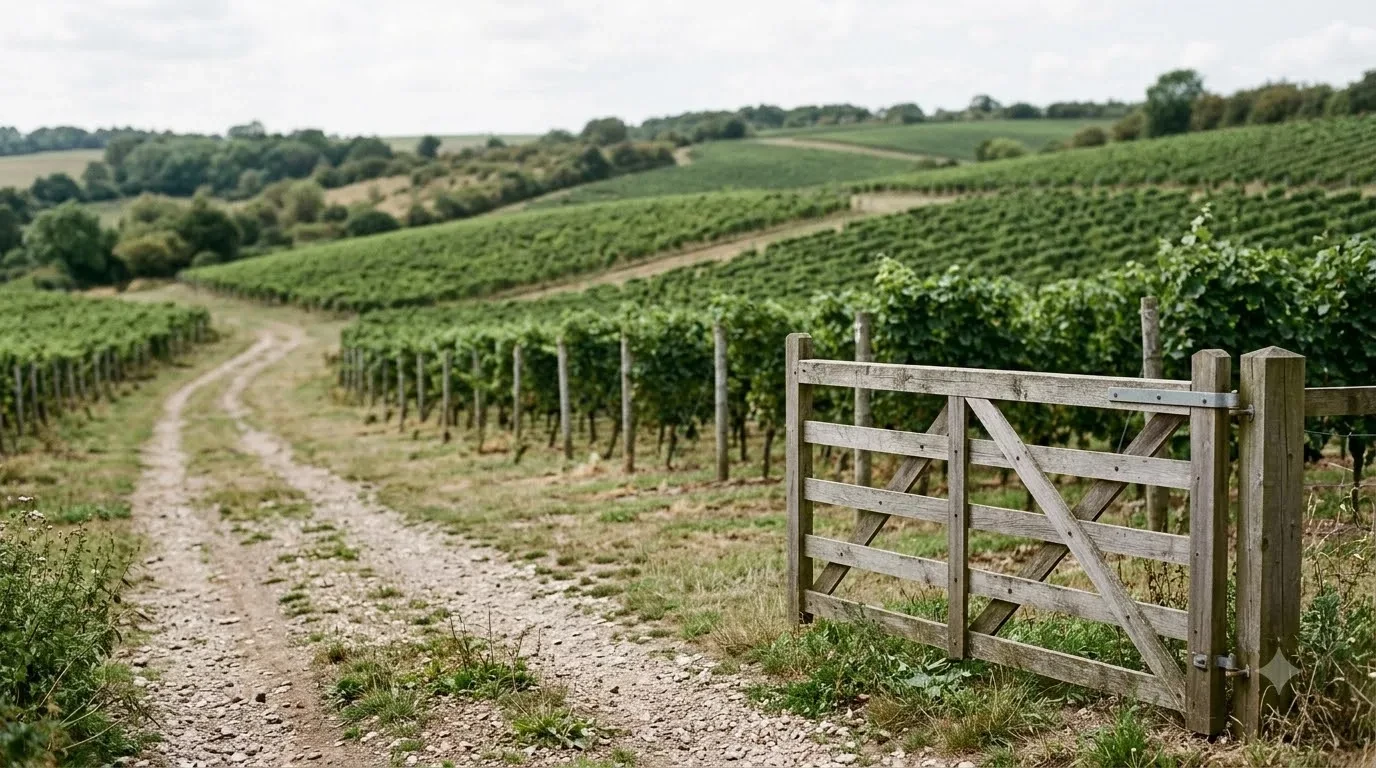
The Loire Valley in France and South Africa are the two essential reference points for Chenin Blanc, but they do not produce one uniform flavor. Cool-climate Loire wines often lean toward apple, quince, flowers, and mineral freshness, while ripe South African examples can add melon, guava, pineapple, and peach.
In the Loire Valley, Vouvray, Savennières, Anjou, Saumur, Bonnezeaux, and Quarts de Chaume show how widely the grape can vary within one region. Vouvray is especially useful for learning the range because it can be dry, off-dry, sweet, or sparkling. Savennières is associated with dry, firm, often mineral-driven wines, while the sweet-wine areas around Layon can produce concentrated, honeyed expressions. Decanter’s Chenin Blanc profile outlines the contrast between Loire orchard-fruit and floral notes and fuller, sweeter styles.
South Africa is another major source of Chenin, with the grape sometimes appearing under the local name Steen. Wines from warmer inland areas can show ripe yellow fruit and tropical notes, while carefully handled examples from places such as Swartland, Paarl, and Stellenbosch may combine concentration with freshness. Old bush vines can yield wines with more depth and structure, and some producers use oak or lees contact to build texture. The range is broad, from simple fresh fruit to layered wines with aging potential.
California offers a different point of reference. In the Central Coast, some modern Chenin Blanc bottlings are dry and tightly wound, with Asian pear, crisp apple, and wet-stone character. Climate is only part of the picture; vineyard site, harvest timing, fermentation, and maturation also influence the wine. Wine Enthusiast’s Chenin Blanc feature describes dry Loire examples from Touraine and Savennières as high-acid wines with mineral and savory qualities, and highlights the range of styles found in California and South Africa as well. For broader white-wine comparisons, the profiles of what does grenache blanc taste like and Chenin Blanc help illustrate how different grapes can produce orchard-fruit notes but diverge in acidity, weight, and aroma. Browse Wine by Type to compare other white grapes and styles without assuming every bottle in a category tastes the same.
How Winemaking and Age Change Texture
Chenin’s flavor is shaped not just by the vineyard but by fermentation and maturation choices. An unoaked wine tends to emphasize apple, pear, citrus, and floral notes, while barrel fermentation, oak aging, or lees contact can add body and flavors such as vanilla, toast, nuts, and honey.
Stainless-steel fermentation is often chosen when the goal is to preserve freshness and clear fruit. In that style, the wine can feel crisp and direct, with the acidity carrying the finish. Cool fermentation can also help retain delicate aromas. A producer may use a portion of older or neutral barrels without making the wine taste strongly of oak; the result can be more about texture than obvious vanilla or spice.
Oak-aged Chenin usually feels broader and more layered. Barrel influence can contribute toast, almond, hazelnut, or vanilla, and time on the lees—the spent yeast cells left after fermentation—can lend a fuller, creamier impression. These choices can work well with riper fruit from South Africa or fuller Loire examples, but they do not have to erase the grape’s freshness. The balance between fruit, acidity, and texture matters more than whether a wine is labeled oaked or unoaked.
With bottle age, the fresh apple-and-citrus profile can develop toward dried fruit, honey, quince, hay, and more savory aromas. The wine may seem less fruity even while its acidity remains present. Not every Chenin is intended for long cellaring: simple, fresh examples are often best enjoyed young, while concentrated wines with firm acidity and depth can evolve over time. If you like complexity, look for a serious dry Loire bottling or a structured South African example rather than assuming all Chenin should be consumed immediately.
What to Eat With Chenin Blanc
Chenin Blanc’s acidity makes it adaptable at the table, and its sweetness range lets it cover very different dishes. Dry styles work with seafood, roast chicken, goat cheese, and creamy sauces, while off-dry or sweet versions can balance spicy food, pungent cheese, and desserts.
For a dry, high-acid Chenin, try scallops, fish cakes, shrimp, or white fish with lemon and herbs. The wine’s freshness can cut through butter, cream, and fried textures without overwhelming the delicate flavor of the seafood. Richer dry examples also suit roast chicken, pork with apple, and roasted vegetables such as parsnips, sweet potatoes, or squash. A lightly oaked Chenin can suit cream sauce or fish pie better than a very lean bottling. Goat cheese is a particularly useful match. Its tangy flavor and creamy texture work well with a crisp Chenin, especially when served with herbs, apples, or a simple salad. Mild cheeses, quiche, frittata, and onion tart are other good choices for medium-bodied examples. If the dish is salty or rich, the wine’s acidity can refresh the palate between bites. Avoid pairing a very dry, lean bottle with a dish that is markedly sweeter than the wine, since the wine may taste sour by comparison.
For spicy dishes, choose an off-dry Chenin rather than the driest version. A little residual sugar can soften the perception of chili heat, while the acidity keeps the pairing from feeling heavy. Try it with Thai curry, mildly spicy noodles, sweet-and-sour preparations, or glazed pork. Very hot dishes can still make alcohol feel more pronounced, so a moderate-alcohol wine and a gentle level of heat are safer choices for a balanced match.
Sweet Chenin belongs with desserts and strong cheeses, but the sweetness should be at least as pronounced as the food. A honeyed or botrytized wine can pair with fruit tart, poached pear, lemon curd tart, blue cheese, or aged hard cheese. Dried apricots, nuts, pear, and raisins echo the wine’s fruit and honey notes. Avoid a very sweet wine with a delicate savory dish; its sugar can dominate the food.
How to Serve and Choose a Bottle
Serve Chenin Blanc cool rather than ice-cold so its fruit and texture remain easy to smell and taste. A crisp, light-bodied bottle generally suits 45–50°F, while a fuller, barrel-aged example can show better at 50–55°F; sweet and sparkling styles are also best chilled.
| Chenin Blanc style | Serving temperature | What to emphasize |
|---|---|---|
| Light, dry, and unoaked | 45–50°F | Apple, citrus, and crisp acidity |
| Fuller or barrel-aged | 50–55°F | Peach, honey, and creamy texture |
| Sweet or late-harvest | 43–50°F | Honeyed fruit and balanced freshness |
| Sparkling Chenin | 40–50°F | Apple, citrus, and lively bubbles |
A standard 750-milliliter bottle yields about five 5-ounce pours, which is a useful guide when planning a meal. Use a white-wine glass with room to swirl, since a larger bowl helps fuller Chenin release fruit and oak aromas. For sparkling wine, choose a glass that preserves bubbles while allowing aromas to rise. Keep unopened bottles on their sides in a cool, dark place near 55°F, away from heat and temperature swings.
Choose a bottle by the style you want, not just by grape name. Look for sec or a dry designation if you prefer a crisp, savory white; demi-sec can indicate a gentle hint of sweetness; and moelleux or a named sweet-wine appellation points toward a dessert style. For richer flavor, explore barrel-aged or old-vine bottlings. If you are new to Chenin, a dry Vouvray or a fresh South African bottling offers a useful first comparison.
Tip: If you are unsure about sweetness, ask for a dry Chenin Blanc first, then compare it with an off-dry Vouvray. Tasting the two side by side makes the grape’s acidity easier to recognize and shows how a little residual sugar changes the texture.
Frequently Asked Questions
These answers cover the South African name Steen, the Botrytis fungus, and the grape’s ability to produce wines with very different aging potential.
Is Chenin Blanc also called Steen?
Yes. Steen is the traditional South African name for Chenin Blanc. The identity of Steen as Chenin Blanc was confirmed by Professor C.J. Orffer in 1963, resolving a long-standing assumption that it was a separate local grape.
Does Chenin Blanc have tannin?
Chenin Blanc can have a subtle phenolic grip because its grape skins are naturally thick. This is sometimes described as a faint white-wine tannin or a slightly drying sensation, not the firm structure associated with many red wines.
What does botrytized Chenin Blanc mean?
Botrytized Chenin is made from grapes affected by Botrytis cinerea, commonly called noble rot under suitable vineyard conditions. The fungus helps concentrate the grapes, contributing intense sweetness and flavors often compared with honey and barley sugar.
Can Chenin Blanc age for several years?
Yes, the finest examples can mature for a long time. South African wine education guidance identifies eight to ten years as an optimal age window for top examples, while noting that the best bottles may last considerably longer.
Was Chenin Blanc ever grown for brandy?
Yes. In South Africa, Chenin Blanc was originally planted in part for brandy production before becoming an important source of still and sparkling table wines. That history helps explain why the grape has been used for both large-volume production and distinctive regional bottlings.
Chenin Blanc tastes most often of apple, pear, quince, and citrus, supported by naturally bright acidity, but the grape can also deliver peachy, tropical, honeyed, or sparkling wines. Start with a dry Loire or South African bottle, then compare an off-dry or sweet example to see how far the same grape can stretch. Its range makes Chenin Blanc a practical choice for both everyday meals and more thoughtful food pairings.
More in Wine Types & Grapes
 Zinfandel Sugar Content: Dry Red vs. White Zinfandel GramsUpdated Nov 21, 2026
 Best Zinfandel Substitute Options for Sipping and CookingUpdated Nov 21, 2026
 Zweigelt Food Pairing: Best Dishes, Cheeses, and Serving TipsUpdated Nov 21, 2026
 Zinfandel Tannins Explained: How Structure Shapes Every BottleUpdated Nov 21, 2026
 Zinfandel Sweetness Level: Dry Red vs. Sweet White Zin ExplainedUpdated Nov 21, 2026
 Xinomavro Food Pairing: Best Dishes, Styles, and Serving TipsUpdated Nov 21, 2026