

We may earn a commission when you buy through links on this page, at no extra cost to you. Learn more.
penfolds red wine includes a broad range of Australian reds, from generous Shiraz and structured Cabernet Sauvignon to the celebrated Grange. The best bottle for a meal or a cellar depends on its grape variety, region, vintage, and style. Bin 28 is a useful starting point for ripe Shiraz, Bin 407 gives Cabernet a central role, and Bin 389 combines both grapes. Grange sits at the top of the range as a powerful, age-worthy Shiraz.
Penfolds is one of Australia’s best-known wine names, but its red portfolio is not a single house blend repeated under different labels. The winery works with fruit from several regions and uses grape variety, vineyard origin, oak, and blending choices to create distinct expressions. Learning a handful of familiar labels makes it easier to choose a bottle with the right weight, structure, and potential for aging.
How Penfolds Red Wine Gets Its Signature Style
Penfolds’ recognizable style comes from generous fruit, a rounded mid-palate, and deliberate oak use, but the wines vary considerably in grape and structure. The story began at Magill, near Adelaide, where Dr. Christopher and Mary Penfold planted vines in 1844; later, winemaker Max Schubert shaped the modern dry-red identity with the first experimental Grange in 1951.
Penfolds sources fruit from vineyards and growers across Barossa Valley, Coonawarra, McLaren Vale, and Magill Estate, selecting parcels for individual wines and blends. A label may therefore represent several regional characters rather than one vineyard: warmer sites can contribute ripe fruit, while cooler locations add aromatic lift or firmer structure.
Oak also shapes the house style, though its role differs by wine. Some reds use American oak for spice, vanilla, and breadth, while others emphasize fruit and texture. Grange uses partial barrel fermentation and typically matures for 18 to 20 months in oak, according to Penfolds; bottle age then softens its ripe Shiraz tannins and builds aromatic complexity.
The bin numbering system reflects cellar history, not a simple quality ladder. “Bin” originally referred to storage locations in the Magill cellars, so a higher number does not automatically mean a better or older wine; grape, region, vintage, and style are more useful clues. For an introduction to producers and labels, the site’s Wine Brands section offers a helpful starting point.
The Main Penfolds Reds, From Bin 28 to Grange
Compare the core wines by grape: Bin 28 and Bin 128 are Shiraz, Bin 407 is Cabernet Sauvignon, Bin 389 is a Cabernet-Shiraz blend, and Grange is led by Shiraz. They differ in body, tannin, and cellar potential.
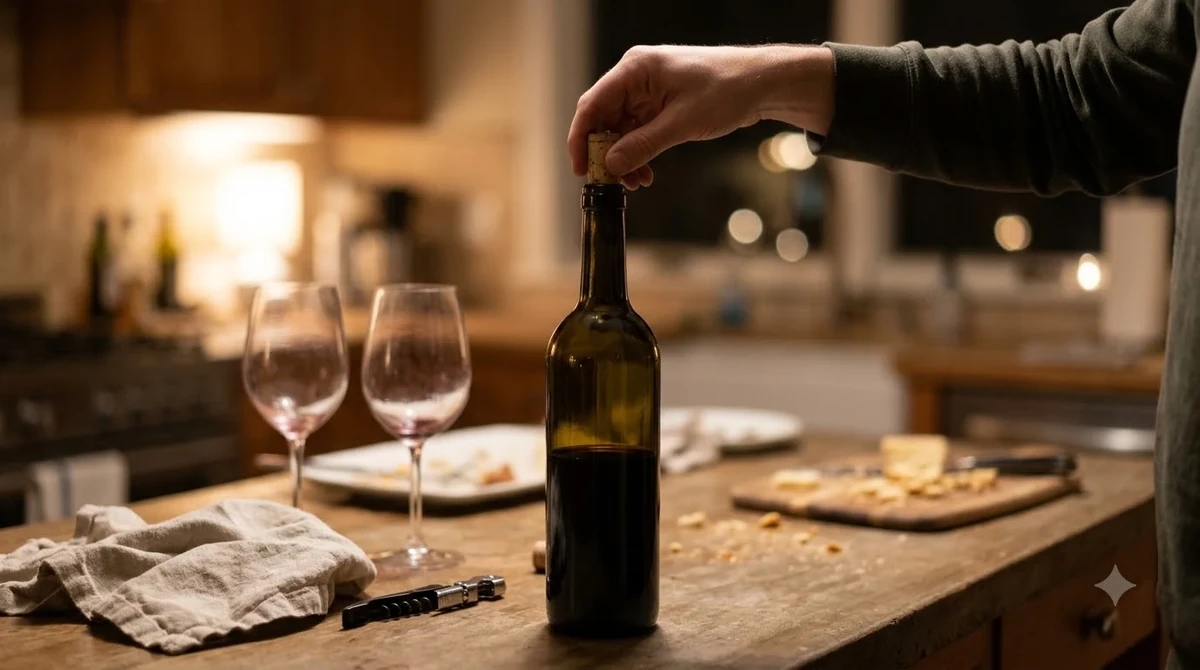
Bin 28 Kalimna Shiraz is a classic entry to the Penfolds red style. It is associated with the Barossa Valley and is generally rich, ripe, and full-bodied, with dark-plum fruit, savory spice, and a broad texture. It works well for drinkers who enjoy a generous Shiraz with enough structure for grilled meat and slow-cooked dishes. Bin 28 was the first official Penfolds wine to carry a bin number.
Bin 128 Coonawarra Shiraz gives a cooler-climate contrast. Penfolds identifies Coonawarra as its exclusive source, and describes the wine as perfumed, elegant, and finely tannic. Expect a more restrained profile than the warmer, richer Bin 28, with lifted aromatics and a tighter line through the palate. It is a useful choice for someone who likes Shiraz but prefers freshness and savory detail over sheer weight.
Bin 407 Cabernet Sauvignon is built around Cabernet’s firm structure, dark fruit, and savory character. Introduced in 1990, it is approachable in youth but can develop in the cellar. Bin 389 Cabernet Shiraz blends Cabernet’s framework with Shiraz’s generosity, producing a full-bodied red that often shows blackcurrant, plum, spice, and oak-derived notes. Its “Baby Grange” nickname refers to barrels previously used for Grange, not an identical recipe. St Henri Shiraz is another important point of comparison, particularly for drinkers interested in a different oak expression. Its first Penfolds vintage dates to 1957. Grange is the flagship expression: intensely flavored Shiraz, ripe tannins, aromatic depth, and a long cellar horizon. Readers looking for a more detailed sensory description can continue to the site’s Penfolds Grange tasting notes.
Cabernet, Shiraz, and Bin 389 in the Glass
Grape variety helps predict how a Penfolds red feels with food. Cabernet Sauvignon brings higher tannin and a firm frame, while Shiraz emphasizes dark fruit, body, and spice; a Cabernet-Shiraz blend combines those strengths.
Cabernet’s tannins create a drying grip, with flavors often recalling blackcurrant, plum, herbs, and cedar. Fat and savory flavors soften that grip, making a youthful Bin 407 a better match for grilled lamb or beef than a light snack. Wine Enthusiast’s 2022 Bin 407 review notes dark cherry, currant, mint, dried florals, spice, and pronounced tannin.
Shiraz often feels rounder, with blackberry, plum, pepper, licorice, and warm spice. Penfolds’ examples range from the cooler, perfumed Bin 128 to the fuller Bin 28 and Grange; St Henri and Magill Estate offer further expressions of the grape.
Bin 389 is an especially useful demonstration of why the classic Australian Cabernet-Shiraz blend became so recognizable. Cabernet brings definition and tannic structure; Shiraz fills out the middle of the palate with fruit and a softer sense of volume. The exact ratio changes by vintage: Decanter lists the 2024 release as 53% Cabernet Sauvignon and 47% Shiraz, with 14.5% alcohol. For a fuller discussion of the tradition, read Decanter’s explanation of Australian Cabernet-Shiraz blends. A separate guide to Penfolds Bin 389 wine can help compare the blend’s particular profile and vintages. For an independent perspective on the oak, fruit, and structure of this style, Wine Enthusiast’s review of the 2018 Bin 389 describes berry fruit beneath mocha, spice, and oak notes. Tasting impressions shift with vintage and bottle age, so use them as flavor clues rather than guarantees.
South Australian Regions Shape the Blend
South Australia is central to Penfolds’ red-wine identity, but its regions differ. Barossa Valley is associated with generous Shiraz, Coonawarra with Cabernet Sauvignon and Shiraz, and McLaren Vale supplies fruit for several Penfolds bottlings.
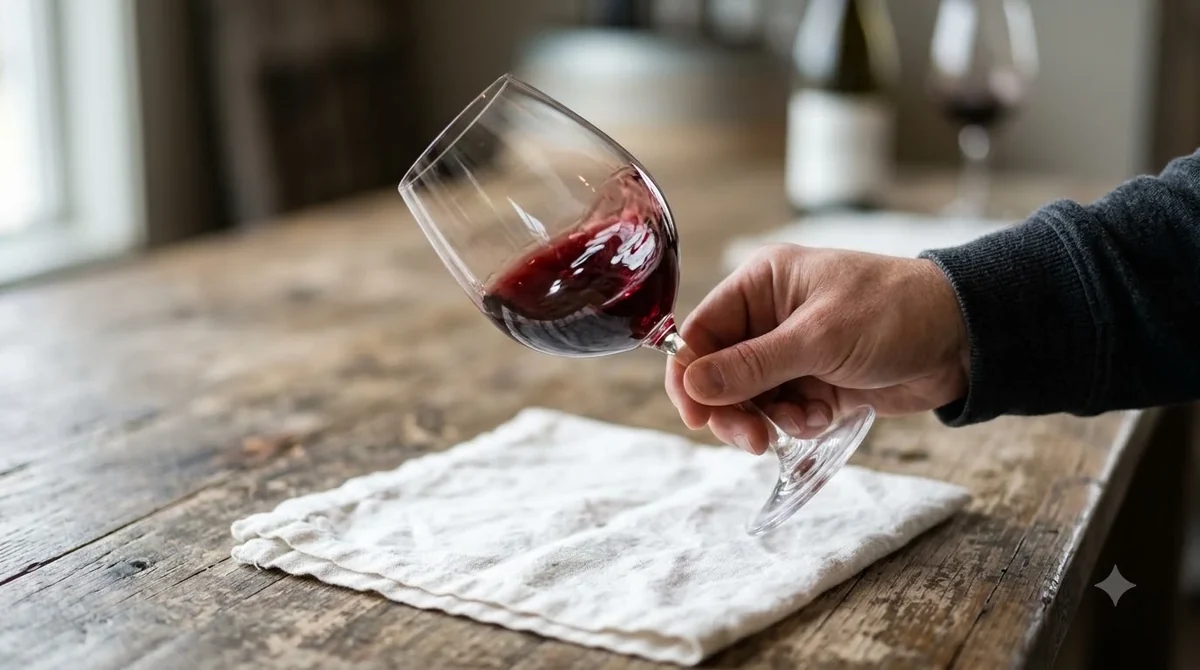
Barossa Valley is a key source for Bin 28, Bin 389, and Grange. Barossa is known for ripe, concentrated reds and includes the Kalimna Block 42 Cabernet Sauvignon vines, planted in the 1880s. Its fruit can add depth and dark-fruit richness, though blending choices and vintage proportions also shape the result.
Coonawarra offers a different set of signals. Its celebrated terra rossa topsoil lies over weathered limestone, and the region’s relatively cool climate has made it particularly important for Cabernet Sauvignon and Shiraz. Penfolds Bin 128 is sourced exclusively from Coonawarra, giving it a more focused, perfumed expression than a warm-climate Shiraz. Coonawarra fruit also contributes to other Penfolds reds, including Grange and Bin Series wines.
McLaren Vale has a Mediterranean climate, with warm summers, low rainfall, cool winters, and moderating sea breezes. Penfolds identifies it as a source for St Henri, Bin 389, and Bin 407. The region’s fruit can therefore appear in wines with quite different grape compositions and styles. Magill Estate, by contrast, is a single-vineyard site in Adelaide and is planted entirely to Shiraz; selected parcels have contributed to Grange in certain vintages. Taken together, these sources show why the Penfolds name is associated with regional blending as well as individual vineyard identity. Penfolds also works beyond South Australia. Its portfolio includes Cabernet-based wines drawing on Napa Valley and Sonoma in California, and the company has pursued projects in Bordeaux and other regions. For American readers, those international bottlings are a reminder to read the grape and origin on the label rather than assume that every Penfolds red is an Australian Shiraz. Its Penfolds white wine range uses the same broad sourcing philosophy, but the grapes and regional choices lead to a different set of styles.
Food Pairings for Rich Shiraz and Cabernet
Match wine weight and structure to the food: powerful Shiraz and Cabernet suit roasted or grilled proteins, browned surfaces, and enough richness to meet their tannins. Bin 28, Bin 407, Bin 389, and Grange need not share the same menu.
For Bin 28 Shiraz, try pepper-crusted steak, barbecue beef short ribs, lamb shoulder, or a mushroom burger. Dark fruit and spice stand up to char, while fat softens tannin. Very sweet barbecue glaze can make dry wine taste harder, so choose a smoky rub or restrained sauce instead.
Bin 407 Cabernet Sauvignon is a natural partner for grilled lamb chops, roast beef, or a well-seasoned steak. Cabernet’s higher tannin works well with the protein and fat in these dishes, and herbs such as rosemary and thyme echo the savory side of the wine. Bin 389 can move between the Cabernet and Shiraz pairing lanes: grilled ribeye, braised beef, lamb shanks, and aged hard cheeses all make sense with its combination of structure and plush fruit.
For Grange, choose food with enough flavor and texture to stand beside a concentrated, mature red. Slow-roasted beef, braised short ribs, roast lamb, and mature cheddar are sensible choices. If the bottle has significant age, keep the seasoning balanced so that pepper, smoke, or sweetness does not overwhelm its developed aromas. Mature wines can be more delicate than their young versions, even when the original style was powerful. Consider heat, salt, and acidity. Chili can make alcohol and tannin seem more aggressive, while salt and fat soften tannin. Acidic sauces need a wine with enough acidity, and oily fish rarely suits a strongly tannic red. Vegetarian options include roasted mushrooms, lentils, grilled eggplant, or a lentil pie.
Serving and Cellaring Penfolds Reds
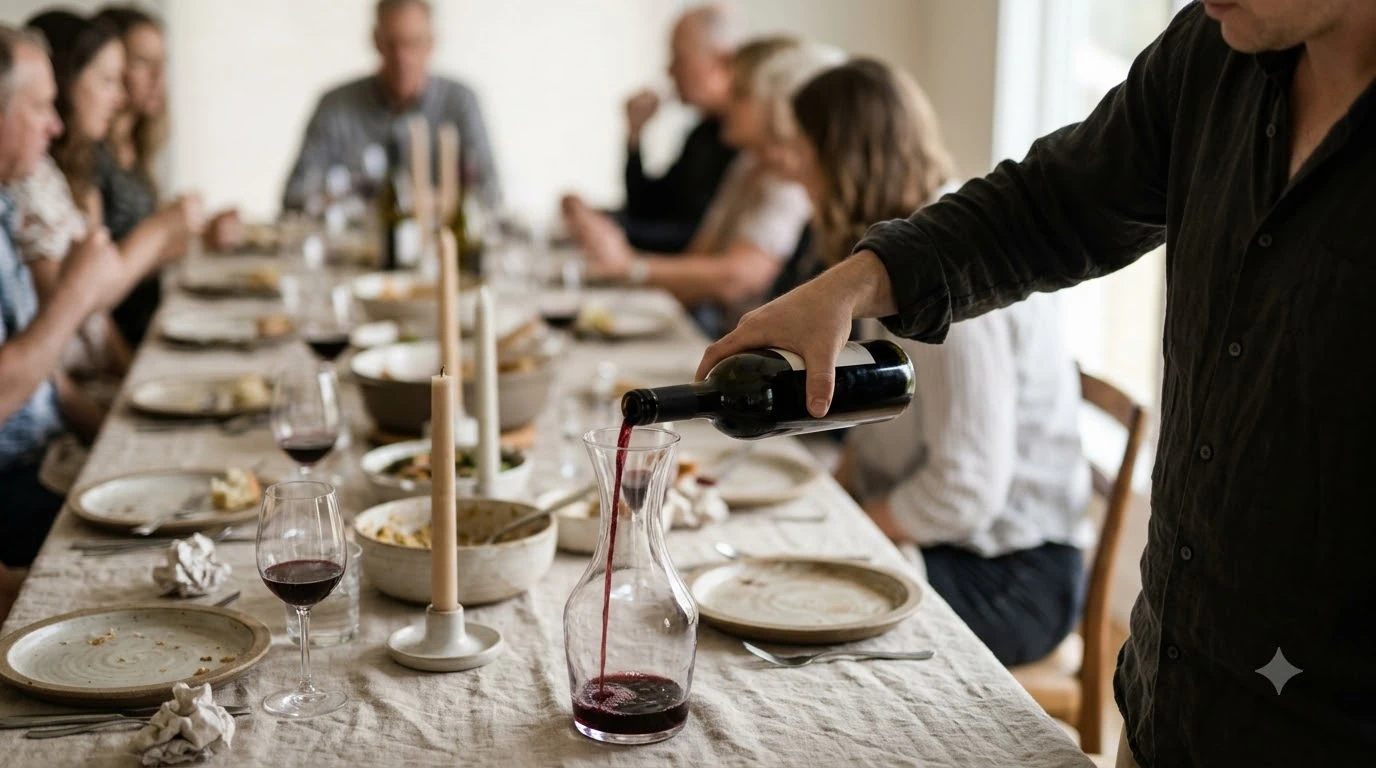
Serve full-bodied Penfolds reds cool and give young, structured bottles time to open. Proper temperature preserves freshness, while decanting can soften a firm young Cabernet or Shiraz.
For a full-bodied red such as Bin 28, Bin 389, Bin 407, or Grange, aim for 60–65°F. Warmer service can make alcohol seem hot, while excessive chilling mutes fruit and emphasizes tannin. Light reds are better around 55–60°F; most wines discussed here are fuller-bodied.
Young, full-bodied reds often benefit from 30–60 minutes in a decanter. This gives Bin 407 or Bin 389 room to open. Older bottles need care because sediment may have formed and delicate aromas can fade with air. Stand a mature bottle upright if sediment is present, pour slowly, and stop when it approaches the neck; decanting is mainly for separating sediment. Store bottles on their sides near 55°F, away from light, vibration, and temperature swings. A stable cellar or wine refrigerator is better than a kitchen cabinet. Grange can evolve for many years, but Bin 28 or Bin 407 may be enjoyed earlier depending on vintage and preference.
| Wine service detail | Useful number | How to apply it |
|---|---|---|
| Full-bodied red serving temperature | 60–65°F | Use for Bin 28, Bin 389, Bin 407, and Grange. |
| Young full red decanting | 30–60 minutes | Start with a young, firm Cabernet or Shiraz, then reassess the aroma. |
| Standard pour | 5 oz | Leaves room in the glass to swirl and smell the wine. |
| Typical 750 ml bottle | About 5 glasses | Based on five standard 5 oz pours. |
| Opened still wine in the refrigerator | 3–5 days | Reseal promptly and keep the bottle chilled between pours. |
| Long-term bottle storage | Near 55°F | Keep bottles on their sides in a cool, dark, stable place. |
Tip: Open a young, full-bodied Penfolds red about 30–60 minutes before dinner, but taste it first. If the aromas already seem open and expressive, there is no need to leave it in a decanter for the full hour.
Frequently Asked Questions
What does the word “Bin” mean on a Penfolds label?
“Bin” began as a reference to the storage compartments in the Magill Estate cellars where wines were matured. The numbering was a practical way for the winemaking team to identify a wine and its cellar location, rather than a ranking from good to best. Some later names also draw on historical projects or other references.
Why is Bin 389 called “Baby Grange”?
The nickname points to its association with Grange through the use of barrels that previously held the flagship wine. It does not mean Bin 389 is a smaller bottle of Grange or that the two wines share the same blend. The nickname became part of the wine’s identity because it communicates a stylistic and cellar connection that collectors recognize.
Why is Penfolds Grange labeled Bin 95?
Early Grange vintages carried different bin numbers before Penfolds settled on Bin 95 in 1961. The winery explains that the number is thought to refer to nine barrels held at Magill and five at Auldana. The original experimental 1951 Grange had been labeled Bin 1.
What is the history behind Penfolds St Henri?
St Henri predates its Penfolds release: French winemaker Leon Mazure first made a wine under that name at Auldana Cellars in 1888. Penfolds acquired Auldana in 1943, and the wine was later revived as a tribute to Mazure. Its first Penfolds vintage was 1957.
Why is Bin 707 associated with aviation?
Penfolds says the name was coined by former Qantas employee Rowan Waddy, who worked in sales and marketing and had an interest in aviation. Much of the first 1964 vintage was sold to Qantas and served to First Class passengers. The wine remains the producer’s flagship Cabernet Sauvignon and is released only in exceptional vintages.
Penfolds red wines offer a clear way to explore the range of Australian Shiraz, Cabernet Sauvignon, and Cabernet-Shiraz blending, from approachable regional bottles to long-lived icons. Start with the grape and style you enjoy, then use the region, vintage, and serving conditions to decide whether the bottle belongs on tonight’s table or in the cellar.
More in Wine Brands
 Underwood Wine Price: Compare Bottles, Cans, and Pack SizesUpdated Nov 21, 2026
 Zenato Wine Price: Compare Styles and Choose the Right BottleUpdated Nov 21, 2026
 Zuccardi Wine Price: Compare Bottles and Find the Right RangeUpdated Nov 21, 2026
 Yellow Tail Moscato Review: Taste, Sweetness and Serving TipsUpdated Nov 21, 2026
 Wolf Blass Yellow Label Review: Choose Your Best StyleUpdated Nov 21, 2026
 Wolffer Estate Rose Review: Choose the Right Bottle for Your TableUpdated Nov 21, 2026