

We may earn a commission when you buy through links on this page, at no extra cost to you. Learn more.
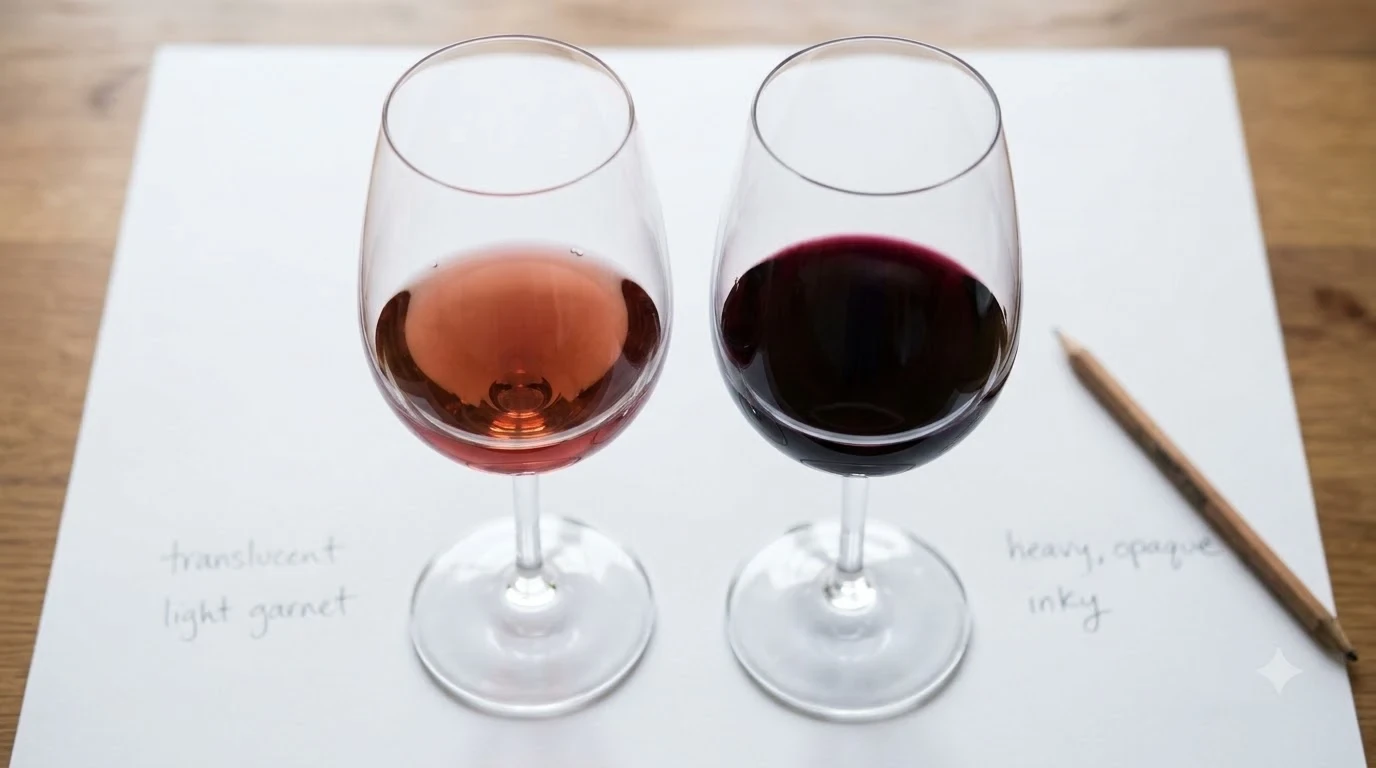
domaine de la cote wine is best known for expressive Pinot Noir from the cool, coastal Sta. Rita Hills of Santa Barbara County, California. The wines emphasize acidity, savory detail, and the character of individual hillside parcels rather than a uniformly ripe, oak-heavy style. This guide explains the estate, its vineyards, typical flavors, food matches, serving temperature, and how to choose a bottle.
Domaine de la Côte is a California estate label closely tied to the western end of the Sta. Rita Hills American Viticultural Area (AVA). Its identity comes from Pacific influence, marine-derived soils, steep sites, and Pinot Noir. Understanding the difference between parcel wines and the DDLC cuvée makes choosing a bottle easier.
What Is Domaine de la Côte Wine?
Domaine de la Côte is a Santa Barbara County wine estate whose signature is site-focused Pinot Noir. The wines are known for cool-climate freshness, savory aromas, and firm acidity rather than the softer, very ripe style associated with warmer locations.
The project began as a collaboration between sommelier Rajat Parr and winemaker Sashi Moorman. Decanter’s profile describes how the pair took over the vineyard property in 2013 and renamed it Domaine de la Côte. The business story later changed: the San Francisco Chronicle’s account of the partnership split reports that Parr and Moorman parted ways in 2025 and that Moorman continued to run Domaine de la Côte.
This is not a generic California Pinot Noir brand: its wines are tied to named hillside sites, and Juliet is a dedicated Chardonnay parcel. For another producer whose identity is strongly linked to Pinot Noir but shaped by a different region, see Domaine Drouhin Oregon wine.
The Sta. Rita Hills Climate and Geology
The Sta. Rita Hills is a cool-climate appellation shaped by an east-west opening toward the Pacific Ocean. Marine fog, persistent wind, and moderated summer heat help preserve freshness in Pinot Noir and Chardonnay, while marine-derived soils contribute a distinct sense of place.
The Sta. Rita Hills Winegrowers Alliance describes a 30,720-acre AVA, with about 3,000 acres planted across 60 vineyards. Pinot Noir and Chardonnay lead, alongside 18 other varieties. The AVA was granted in 2001; its eastern edge is about four miles west of Highway 101 near Buellton, and its western edge about two miles east of Highway 1 near Lompoc.
| Sta. Rita Hills measure | Figure |
|---|---|
| Total AVA area | 30,720 acres |
| Planted vineyard area | About 3,000 acres |
| Vineyards | 60 |
| Other cool-climate varieties alongside Pinot Noir and Chardonnay | 18 |
| Year AVA status was granted | 2001 |
The east-west corridor lets Pacific air move inland; fog and wind slow daytime warming, while the ocean moderates summer heat. That combination can extend the period in which grapes develop flavor without losing all of their natural acidity. It also distinguishes the appellation from warmer sites farther inland, where hotter afternoons can push fruit toward a riper profile. The regional alliance traces the area’s marine sediment to deposits formed around 20 million years ago and later shaped by tectonic movement.
The winery describes the western edge as a place where ancient diatomaceous shale beds rise above the Santa Ynez River. The sedimentary materials have fractured into shale, diatomaceous earth, clay, alluvial deposits, and broken stone. This variety helps explain why nearby parcels can produce wines with different textures and aromas.
Estate Vineyards and Parcel Bottlings
The estate’s vineyard names matter because each parcel has a different aspect, soil profile, and exposure to coastal wind. La Côte, Bloom’s Field, Memorious, and Sous le Chêne refer to distinct sites, while DDLC brings the individual parcel wines together in one cuvée.
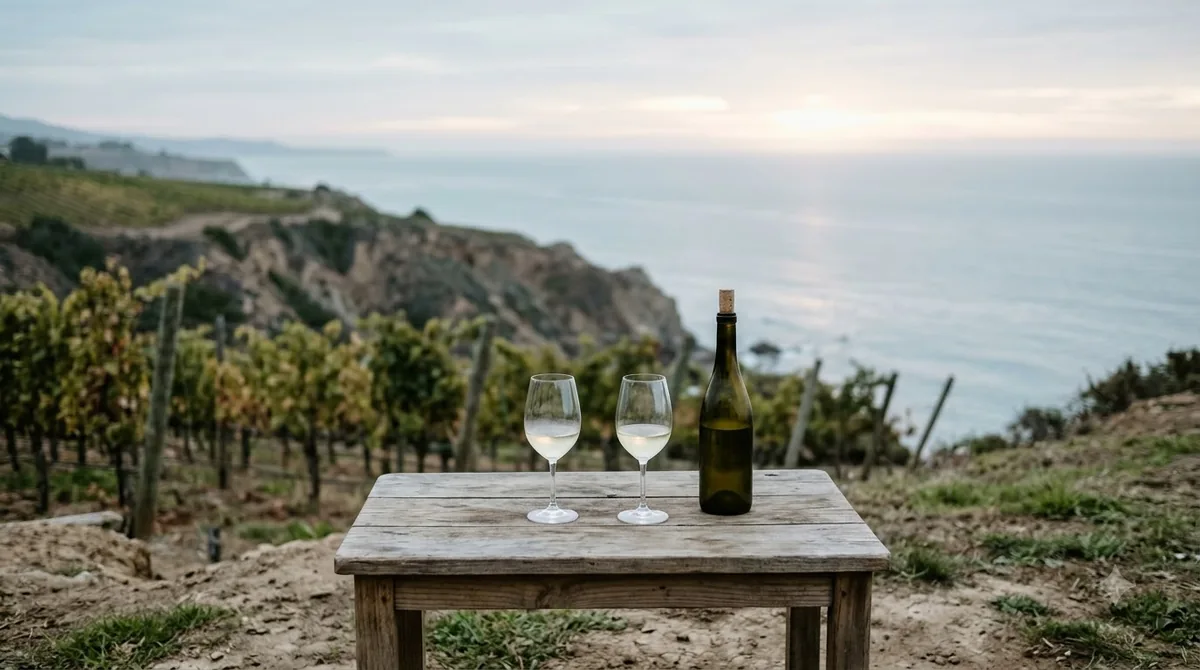
La Côte is a steep, southeast-facing hillside on the leeward side of the estate. It is more sheltered from the strongest ocean winds than the western parcels, and its soils are notably varied: the winery describes bedrock ranging from Monterey Shale to diatomaceous earth and alluvium. Higher, rockier ground contrasts with richer, more uniform soil farther down the slope.
Bloom’s Field spans a southwest-facing hillside at the windward edge of the property, with Monterey Shale beneath lighter clay topsoils. Memorious occupies an adjacent southwest-facing position toward the Pacific and rests on Monterey Shale covered by alluvial deposits; its soils are the estate’s heavier, clay-rich example.
Sous le Chêne is a 1.5-acre parcel within the larger La Côte vineyard. It sits below a mature live oak on an east-facing slope of shale and clay, where the position offers some shelter from ocean winds. Juliet is a separate Chardonnay site on a steep hillside where work is done by hand; the parcel covers 2.40 acres and was planted to Clone 76 in 2016. See the Domaine de la Côte vineyard descriptions for a site-by-site comparison. The winery says DDLC is its only wine to incorporate all single-parcel wines into one cuvée, so it offers a composite view of the estate rather than a single slope.
Blending, Vintage Differences, and Choosing a Bottle
The estate’s approach is closely tied to site expression rather than one fixed flavor formula. The most useful distinction for a buyer is between a parcel-specific Pinot Noir and DDLC, the estate cuvée that gathers the individual parcel wines into one blend.
A single-vineyard bottling gives more weight to the conditions of one place: its slope direction, soil, and wind exposure. DDLC offers a composite view of the estate, which makes it a practical starting point for a first bottle. After that, compare La Côte with Bloom’s Field or Memorious to explore differences between a steep, southeast-facing slope and more wind-exposed southwest-facing sites. The names identify different sources, not an identical flavor profile in every vintage. For a useful comparison, open two bottlings at the same meal and pour them side by side in similar glasses. That makes differences in fruit, earthiness, and acidity easier to notice than relying on memory across separate occasions.
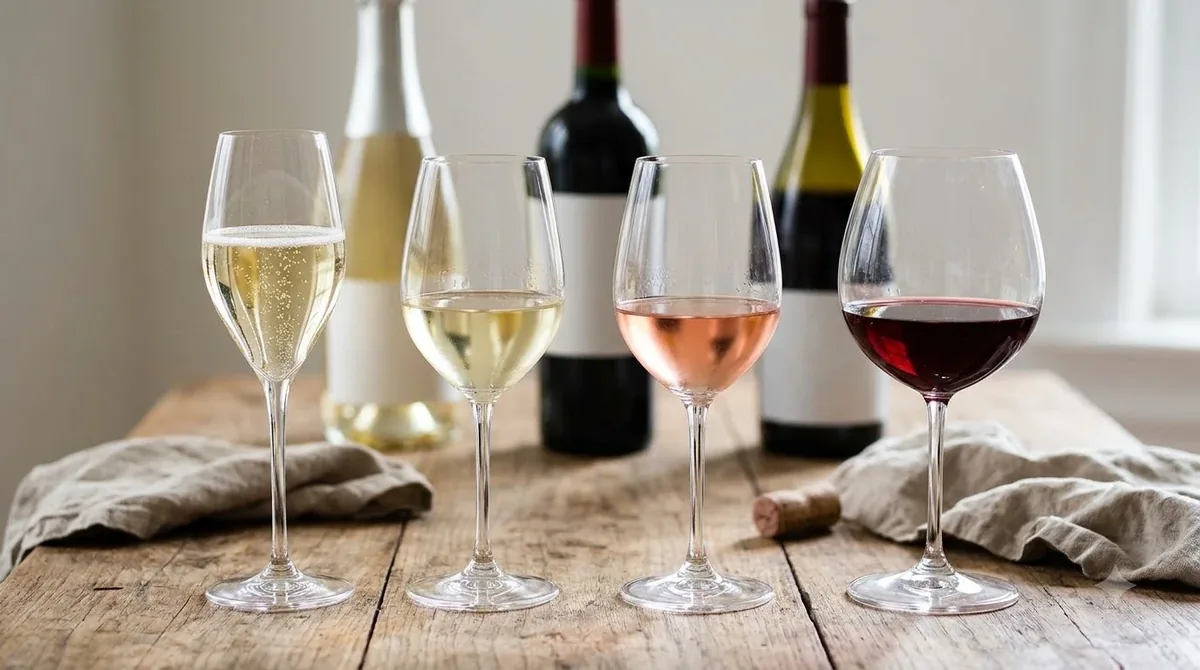
Balance is best understood through structure: fresh acidity keeps fruit lively, moderate Pinot Noir tannin gives shape without the grip of high-tannin Cabernet Sauvignon, and savory aromas add complexity beyond berry fruit. Vintage also matters because temperature, wind, rainfall, and harvest timing affect ripeness and texture. Cooler years may emphasize tart red fruit and sharper acidity; warmer years can produce fuller fruit. Compare reviews from the same vintage, and read tasting notes for flavor and texture rather than treating scores as a substitute for personal taste. Readers curious about how winery identity and label families differ can also explore Wine Brands.
Aroma, Flavor, Acidity, and Tannin
Domaine de la Côte Pinot Noir commonly shows a combination of red or dark berry fruit, fresh herbs, earth, and a pronounced savory edge. Its acidity is a defining feature, while tannins are generally more delicate than those in varieties such as Cabernet Sauvignon or Syrah.
Individual reviews show how the profile can vary. Wine Enthusiast’s review of the 2023 La Côte Pinot Noir lists 13.4% alcohol in a 750-milliliter bottle and awarded that vintage 97 points. The reviewer described black raspberry and elderberry alongside charred seaweed, eucalyptus, and bay leaf. That is one vintage, not a fixed description of every bottle.
The 2023 DDLC Pinot Noir offers a useful comparison. Wine Enthusiast lists it at 13.2% alcohol and 95 points, with notes including nori, damp sage, yerba santa, dark berries, tea leaf, and rosemary oil. These notes show that the wines can move beyond cherry and plum toward forest floor, coastal herbs, dried leaves, and mineral impressions.
Acidity is often the most practical feature at the table. It refreshes the palate between bites of rich food and helps the wine stay lively with butter, roasted poultry, mushrooms, or browned vegetables. A young, firmly structured bottle can still feel grippy or herbal, so give it time in the glass. Warmer vintages may show darker fruit, while cooler expressions can foreground cranberry, red cherry, and sharper acidity. Aromas also change with air and bottle age: fresh fruit may become less prominent as dried flowers, tea, and earth emerge. These are normal developments in Pinot Noir rather than signs that a wine has been flavored with herbs or other ingredients.
Food Pairings That Suit Coastal Pinot Noir
The wine’s acidity and moderate tannin make it a flexible food partner, especially with savory dishes that have enough flavor to meet its herbal and earthy notes. Roasted poultry, mushrooms, salmon, duck, and pork are dependable choices; very spicy or strongly sweet foods are less reliable matches.
For a straightforward dinner, pair Pinot Noir with roast chicken, turkey, or pork tenderloin. The meat’s savory flavor gives the wine something to meet, while acidity cuts through rendered fat and pan juices. Mushrooms are natural companions; try mushroom risotto, roasted mushrooms on toast, or barley pilaf with thyme.
Salmon can work well, particularly when roasted or grilled with herbs rather than coated in a very sweet glaze. Pinot Noir is low-to-medium in tannin compared with many red grapes, so it is less likely to clash with fish than a firm, tannic red. For a richer preparation, add lentils, mushrooms, or browned butter. Avoid oily fish with markedly tannic reds; choose Brie, Camembert, young Gruyère, or mild washed-rind cheese instead.
Pay attention to heat and sweetness. Chili heat can make alcohol and tannin feel more aggressive, so spicy Sichuan dishes or hot wings are not ideal partners for a structured red. With a sweet course, the wine should be at least as sweet as the food or it can taste sour and thin. For acidic food such as tomato-based sauces or vinaigrettes, include enough richness or choose a dish whose acidity can keep pace with the wine.
Tip: For an easy first pairing, serve Domaine de la Côte Pinot Noir with roast chicken and mushrooms, then try the same wine with grilled salmon. The contrast shows how acidity, savory flavors, and moderate tannin respond to different textures.
Serving Temperature, Decanting, and Cellaring
Serve Domaine de la Côte Pinot Noir slightly cool, around 55–60°F, so its floral, fruit, and herbal aromas stay clear. A light chill is preferable to serving the wine warm, which can make alcohol feel more prominent and blur the acidity that gives the style its shape.
From room temperature, chill the bottle for roughly 20–30 minutes before opening. Avoid serving it straight from a very cold refrigerator, which can mute aromas; a medium, bowl-shaped red-wine glass gives the wine room to open.
A young, concentrated Pinot Noir may benefit from 20–30 minutes in a decanter. Taste first and revisit after 15 minutes; older bottles can have delicate aromas, so avoid prolonged exposure to air.
Store unopened bottles on their sides in a cool, dark place near 55°F, with stable temperature and limited vibration. Avoid sunlight and heat, and do not leave a bottle in a parked car or near a sunny window. After opening, reseal and refrigerate the wine; most still wines retain their best character for about 3–5 days. If you plan to serve the bottle over several evenings, pour only what you need and return the rest to the refrigerator promptly. Let each pour warm slightly in the glass before assessing its aroma.
Frequently Asked Questions
How far are the Domaine de la Côte vineyards from the Pacific Ocean?
The estate’s own description places the vineyard about seven miles from the ocean. That proximity helps explain the strong marine influence described for the site, even though the water is not visible from the vineyard.
What makes the Siren’s Call parcel unusual?
Decanter’s profile of Sashi Moorman describes Siren’s Call as a high site planted with head-trained, ungrafted vines. The interview gives a planting density of 17,000 vines per hectare, an unusually dense arrangement for a vineyard.
Did the estate use California Pinot Noir selections?
In the Decanter interview, Moorman said he chose California selections such as Calera, Mount Eden, and Swan rather than the fashionable Dijon clones. The decision reflected his interest in vine material that had been selected over time for California growing conditions.
Why does the estate have Pinot Noir seedlings?
The winery describes one acre of Pinot Noir seedlings in Memorious, planted in 2007 as a way to explore its own genetic selection. Moorman told Decanter that seeds were collected from isolated Pinot Noir vineyards in Sonoma, and that some seedlings produced Pinot Blanc or Pinot Gris instead.
How warm does the vineyard site get in summer?
In Decanter’s interview, Moorman described the exposed vineyards as receiving abundant sunlight while temperatures rarely exceeded 27°C. The combination helps explain how the site can be sunny yet remain cool and wind-influenced.
Domaine de la Côte is a strong choice for drinkers who enjoy Pinot Noir with freshness, savory complexity, and a clear connection to vineyard site. Start with DDLC to understand the estate blend, then compare La Côte, Bloom’s Field, or another parcel bottling to see how the coastal slopes differ. Serve the wine slightly cool and pair it with food that respects its acidity and delicate tannins.
More in Wine Brands
 Underwood Wine Price: Compare Bottles, Cans, and Pack SizesUpdated Nov 21, 2026
 Zenato Wine Price: Compare Styles and Choose the Right BottleUpdated Nov 21, 2026
 Zuccardi Wine Price: Compare Bottles and Find the Right RangeUpdated Nov 21, 2026
 Yellow Tail Moscato Review: Taste, Sweetness and Serving TipsUpdated Nov 21, 2026
 Wolf Blass Yellow Label Review: Choose Your Best StyleUpdated Nov 21, 2026
 Wolffer Estate Rose Review: Choose the Right Bottle for Your TableUpdated Nov 21, 2026