

We may earn a commission when you buy through links on this page, at no extra cost to you. Learn more.
The term frey red wine refers to Frey Vineyards’ organic red-wine range from Mendocino County, California, led by a smooth, medium-bodied blend with cherry and plum flavors. Its best-known starting point is the nonvintage Organic Red, which has an alcohol content of 13.9% ABV. The winery also produces individual varietal wines and a selection of Biodynamic reds, giving shoppers several styles to consider.
Frey Vineyards has built its identity around organic winemaking, a broad selection of grape varieties, and wines made without added sulfites. Its reds range from approachable blends for everyday meals to more structured wines made from grapes such as Cabernet Sauvignon, Syrah, and Petite Sirah. Understanding the differences between these bottles makes it easier to find a Frey red that suits your palate, dinner plans, and preferred level of tannin.
Frey Vineyards and Its Red Wine Range
Frey red wines come from Redwood Valley in Mendocino County, Northern California, where the winery has focused on organic production since 1980. The standard NV Organic Red offers a medium-bodied introduction, while the wider selection includes individual grape varieties and specially certified Biodynamic wines.
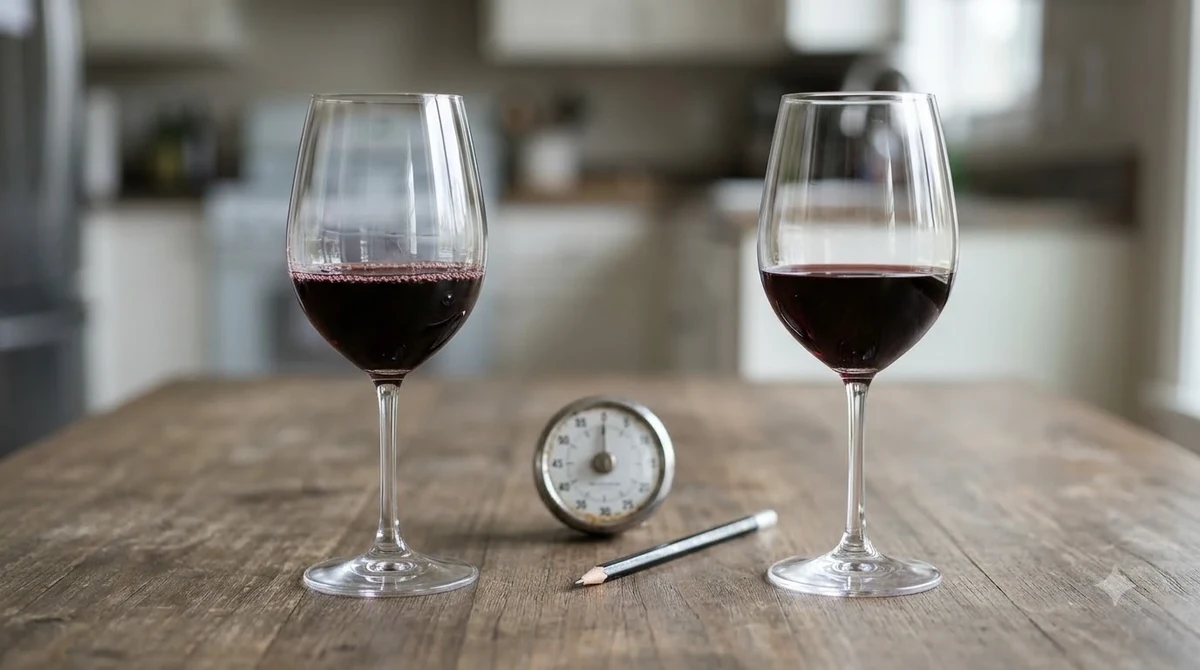
Frey Vineyards is known for its long-running commitment to organic farming and winemaking. Its wines are produced with organic grapes and organic yeast, and the winery describes its approach as one that uses careful cellar practices and minimal manipulation. Rather than relying on a single red grape or one fixed flavor profile, Frey offers several varieties that reflect the region’s growing conditions and the winery’s interest in both traditional and less common grapes.
The central bottle for someone searching for an accessible Frey red is NV Organic Red. It is a blended table wine intended to be medium-bodied, balanced, smooth, and suitable for different kinds of meals. The producer’s own product information lists cherry and plum as its primary flavor notes, making it a useful starting point for anyone who likes fruit-forward red wines without seeking the heavy structure of a strongly tannic Cabernet.
Beyond that blend, the winery’s red selection includes wines made from Merlot, Cabernet Sauvignon, Syrah, Zinfandel, Petite Sirah, Tempranillo, and other grapes. Frey also produces different labels and ranges, including Biodynamic wines and the Pacific Redwood range sold through retail stores. Readers interested in how wineries organize their labels and portfolios can explore our broader guide to Wine Brands. The winery also makes white wines, so shoppers who prefer lighter styles can look at Frey white wine rather than assuming the producer works exclusively with red grapes.
Organic Red, Biodynamic Reds, and Varietal Bottles
Frey’s red selection includes both blended wines and individual varietals, and they serve different purposes. Organic Red is the approachable medium-bodied blend, while the Cabernet Sauvignon, Merlot, Syrah, Zinfandel, and Tempranillo options offer more specific grape characteristics.
Organic Red: The approachable blend
Frey Organic Red is designed to provide a flexible red wine for everyday meals. Blending gives the winemakers room to balance the fruit, structure, acidity, and texture of the finished wine. The precise composition can change according to the grapes available and the style the winery wants to maintain, so it is better understood as a consistent house style than as a fixed recipe based on one named grape.
The winery explains that even a change of 3–5% in a blend can affect its final character. Its winemakers select from available wines and assess which combinations work together. That flexibility helps explain why a nonvintage blend can maintain a recognizable medium-bodied, fruit-forward identity without being identical in every production year.
Individual varietal reds
Frey’s varietal selection gives shoppers a different way to choose. Cabernet Sauvignon generally brings firmer tannins and a fuller structure, often with dark-fruit character. Merlot is usually softer and rounder, while Syrah tends to offer deeper fruit, spice, and more noticeable tannin. Zinfandel is commonly associated with ripe berry flavors and peppery accents, while Tempranillo offers a route toward savory fruit and earthy notes.
These are general grape characteristics rather than guarantees about every Frey bottle. Vineyard conditions, harvest decisions, fermentation, and aging can shift the profile. Frey’s winemakers also point to the long history of Zinfandel in Mendocino County, where the grape has been grown since the 1800s. Some of the family’s oldest Cabernet Sauvignon vines date to the 1960s, adding another layer of local vineyard history to the selection.
What makes the Biodynamic range different?
The Biodynamic red range is another distinction worth understanding. Frey lists Biodynamic versions of grapes such as Merlot, Syrah, Petite Sirah, Zinfandel, Tempranillo, and Cabernet Sauvignon. The wines are also part of the winery’s broader organic portfolio, but the Biodynamic designation adds a separate certification associated with Demeter.
The Biodynamic Field Blend is particularly different from the regular Organic Red. Frey describes it as fuller-bodied and more structured, generally relying on Syrah, Merlot, and Cabernet Sauvignon, with Petite Sirah sometimes included. It is a sensible direction for someone who enjoys deeper red blends and wants more intensity than the approachable house blend provides.
| Detail | Frey NV Organic Red |
|---|---|
| Origin | Mendocino County, California |
| Style | Nonvintage red blend |
| Body | Medium-bodied |
| Alcohol | 13.9% ABV |
| Main tasting notes | Cherry and plum |
| Added sulfites | None added |
| Natural sulfites | Less than 5 ppm |
| Bottle size | 750 ml |
| Standard serving | 5 oz |
| Approximate servings per bottle | 5 glasses |
This distinction matters when choosing a bottle. Someone who wants a smooth, versatile red for pasta or pizza may prefer Organic Red, while a drinker who normally gravitates toward Cabernet or Syrah may find the Biodynamic Field Blend or an individual varietal more suitable. The grape and label offer a useful first indication of style before considering a particular release.
Flavor, Structure, and What to Expect in the Glass
The standard Frey Organic Red is medium-bodied, with a smooth texture and a fruit profile centered on cherry and plum. A published Wine Enthusiast review of the NV bottling also noted raspberry and strawberry aromas with cherry-like flavors, supporting its reputation as an easygoing, fruit-led red rather than a highly tannic wine.
On the nose, expect familiar red and dark berry impressions rather than an especially powerful oak or spice character. Cherry and plum are the producer’s primary descriptions, while the independent review adds raspberry and strawberry. These fruit notes make the wine approachable for drinkers who enjoy recognizable fruit flavors and prefer a red that does not dominate a meal.
The medium body is an important part of its appeal. A full-bodied red can feel dense and firm, particularly when its tannins are prominent. A lighter wine can seem more delicate and refreshing. Frey Organic Red sits between those extremes, making it suitable for meals that include tomato sauce, roasted vegetables, poultry, and moderately rich meat dishes.
Its 13.9% ABV gives it a substantial alcoholic strength for an everyday red, but alcohol percentage alone does not determine whether a wine feels heavy. Grape varieties, extraction, acidity, tannin, and the balance of the finished blend all influence texture. A smooth wine can still have enough structure to work with a substantial meal, while a high-alcohol red can feel less balanced if it is served too warm.
Is Frey Organic Red sweet or dry?
Frey presents Organic Red as a red table wine with fruit-forward flavors, not as a dessert wine. Cherry and plum can create an impression of sweetness even when a wine is not actually sweet. A past Wine Enthusiast review described the fruit as approaching sweet, which is useful context for people who generally prefer softer, approachable reds.
It is helpful to separate fruitiness from residual sugar. A wine can smell strongly of ripe berries and still taste dry. Tannin, acidity, alcohol, and the impression of ripe fruit all contribute to the overall sensation. Someone who normally dislikes very austere or sharply tannic reds may find Frey’s medium-bodied blend more comfortable, while a drinker who prefers firm, structured wines may want to investigate its Cabernet Sauvignon or Syrah options.
The different Frey varietals can also produce noticeable changes in structure. Cabernet Sauvignon generally has higher tannin, Merlot tends to be softer, and Syrah usually has more substantial tannin than Pinot Noir. These broad grape differences help explain why the winery’s varietal range offers a wider choice than the central Organic Red blend alone.
Organic Certification and the Meaning of No Added Sulfites
Organic certification and no-added-sulfites production are central to Frey’s identity. The winery states that it has produced organic and Biodynamic wines since 1980, and its NV Organic Red lists USDA Organic, Demeter Biodynamic, and Real Organic Project certifications as well as naturally occurring sulfites below 5 parts per million.
Organic wine is not simply wine made from grapes that happen to be grown without synthetic pesticides. In the United States, the USDA organic wine category has specific rules covering the grapes and the winemaking process. The USDA explains that wine containing added sulfites cannot qualify for the category that permits the USDA organic seal. Instead, wine made with organic grapes that has added sulfites belongs to a different labeling category.
This is why the distinction between organically grown grapes and certified organic wine matters. A bottle made with organic grapes is not automatically eligible to carry the USDA Organic seal. The finished wine must also meet applicable production requirements. Frey’s description of its wines emphasizes organic grapes, organic yeast, and a cellar approach that avoids adding sulfites.
What does no added sulfites actually mean?
No added sulfites does not mean that the wine contains absolutely no sulfites. Small amounts can occur naturally during fermentation. Frey lists less than 5 parts per million of naturally occurring sulfites for its NV Organic Red, while stating that no sulfites have been added during production. That is a more precise description than calling the wine completely sulfite-free.
Sulfites are used in conventional winemaking for several technical reasons, including helping protect wine against oxidation and unwanted microbial activity. Making wine without adding them requires careful handling of the grapes, fermentation, and finished wine. Frey describes its process as relying on attention during production and minimal cellar manipulation rather than added synthetic preservatives or colorants.
For readers who want to understand the regulatory distinction rather than relying on marketing language, the USDA’s organic alcohol requirements explain how added sulfites affect eligibility for organic wine labeling. The difference between no added sulfites and naturally occurring sulfites is especially relevant when comparing bottles from different producers.
Organic and Biodynamic are not interchangeable terms
Organic and Biodynamic certification describe related but distinct approaches. USDA Organic certification concerns approved agricultural and processing standards, while Demeter Biodynamic certification follows its own requirements for farming and the wider agricultural system. A wine can be certified organic without being certified Biodynamic.
Frey explains that every bottle in its portfolio is certified organic and that its Biodynamic wines also carry Demeter certification. That means shoppers can distinguish between the core organic selection and the additional certification on the Biodynamic range. The two labels should not be treated as synonyms, even when both appear on bottles from the same winery.
Food Pairings for Frey Red Wine
Frey Organic Red is a flexible food wine, especially with pizza, pasta, roasted vegetables, poultry, and moderately rich meat dishes. Its medium body and cherry-and-plum profile suit everyday meals without requiring the heavy sauces or large portions often associated with very full-bodied reds.
Pizza is a natural starting point because tomato, cheese, and a crisp crust provide several complementary elements. The fruit in the wine can work alongside tomato sauce, while the fat and salt in the cheese soften the impression of tannin. Mushroom pizza is another useful choice: earthy mushrooms provide savory depth, and the wine’s fruit keeps the pairing from feeling too heavy.
For pasta, consider tomato-based sauces, meat sauce, or dishes with roasted vegetables. Frey itself recommends pizza and pasta for Organic Red. A meat-based sauce brings richness and savory flavor, while a simple tomato sauce offers a lighter pairing. If the sauce contains particularly acidic ingredients, remember that acidic food generally works best with a wine of equal or higher acidity. A wine that tastes less acidic than the sauce can seem flat beside it.
Roast chicken, herb-roasted pork, grilled burgers, and moderately seasoned sausages are also practical matches. Protein and fat can make the tannins in red wine feel softer, while roasted or grilled surfaces bring savory flavors that complement the fruit. For vegetarian meals, try grilled eggplant, roasted mushrooms, lentil dishes, or a vegetable lasagna with tomato and herbs. These foods have enough savory character to stand up to a medium-bodied red without overwhelming it.
Choosing pairings for the fuller reds
Frey’s Cabernet Sauvignon, Syrah, Petite Sirah, and Biodynamic Field Blend are better candidates for richer dishes than the standard Organic Red. A structured Cabernet can work with grilled beef, lamb, or a mushroom-based main course. Syrah is a good match for grilled short ribs, roast meats, and dishes with black pepper or aromatic herbs. A fuller blend can also work with slow-cooked meat dishes in which the sauce has enough flavor to match the wine.
Cheese is another useful pairing category. Aged cheddar, hard sheep’s milk cheese, and other savory cheeses can balance firmer red wines. Salt and fat soften the impression of tannin, which is one reason rich cheese and red wine often work well together. For a softer Frey Merlot, choose a cheese that does not overwhelm the wine with excessive salt or sharpness.
Very spicy dishes require a little more care. Alcohol and tannin can amplify chili heat, so a high-chile sauce may make a structured Cabernet or Syrah seem hotter and harsher. For a dish with substantial spice, choose a milder preparation or a red with a softer profile. Oily fish is another difficult match for strongly tannic reds; a white wine is usually a better direction for dishes such as oily grilled fish.
Dessert is best treated separately unless the wine is sweet enough to match it. Sweet foods can make a dry red taste more bitter, tart, or thin. The useful pairing rule is that the wine should be at least as sweet as the dessert, so Frey Organic Red is generally better suited to a savory meal than to a very sweet cake or chocolate dessert.
Serving, Storing, and Choosing a Bottle
Frey’s medium-bodied Organic Red is best served slightly cool rather than warm, with a starting temperature around 55–60°F. Fuller Cabernet, Syrah, and Field Blend styles can be served a little warmer, around 60–65°F, to let their deeper fruit and structure show without emphasizing alcohol.
Temperature has a significant effect on how a red wine feels. When served too warm, alcohol can become more noticeable and the wine may seem heavy. When served too cold, fruit aromas become muted and tannins can seem more prominent. For a bottle stored at ordinary room temperature, a brief period in the refrigerator before serving can bring it closer to the recommended range.
A 750 ml bottle provides approximately five standard 5-ounce servings. That is a useful planning measurement for dinner, because it gives a straightforward estimate of how many glasses a bottle will supply. Use a reasonably sized glass and leave enough room to swirl the wine so its fruit aromas can develop. There is no need to fill the glass to the rim.
When should a Frey red be decanted?
Decanting is optional for the standard Organic Red. Its approachable medium-bodied style generally makes it suitable to open and pour shortly before dinner. A young, fuller-bodied Cabernet or Syrah may benefit from 30–60 minutes in a decanter, allowing the wine to receive air and release some of its aromas.
Decanting is not a requirement for every red wine, and more air is not always better. For an everyday blend, simply opening the bottle while preparing dinner may provide enough time for the wine to settle in the glass. For a more structured bottle, pour a small amount first and see whether the wine becomes more expressive over the following minutes.
How to store an opened bottle
Store unopened bottles on their sides in a cool, dark place near 55°F when they use a traditional cork closure. Avoid temperature changes and direct sunlight, both of which can affect wine quality. A consistently cool storage area is more useful than a location that becomes very warm during the day and cold at night.
Once opened, still red wines generally keep for around 3–5 days in the refrigerator, provided the bottle is closed properly. Refrigeration slows the changes that occur after the wine comes into contact with oxygen. Before serving a stored red again, allow it to warm slightly toward its preferred drinking temperature rather than pouring it straight from the refrigerator.
When choosing between Frey’s labels, start with the meal and the structure you enjoy. Organic Red is an easy place to begin for someone seeking a medium-bodied, fruit-forward bottle. A varietal Merlot offers a softer direction, while Cabernet Sauvignon and Syrah make more sense for someone who enjoys firmer tannins and richer food. The Biodynamic Field Blend is another option for drinkers looking for a fuller red blend.
Tip: For the best first impression of Frey Organic Red, serve it around 55–60°F with pizza, pasta, or roasted vegetables. If you are opening a fuller Cabernet or Syrah, let the bottle sit in the glass or decanter for 30–60 minutes before deciding whether it needs more air.
Frequently Asked Questions
These answers cover a few additional details about Frey’s history, labels, and wider range. They can help clarify what the bottle name means and how the winery’s different offerings fit together.
Was Frey Organic Red ever sold under a different name?
Yes. Frey’s blended red was sold under the name Natural Red for about 20 years. The winery explains that the name changed back to Organic Red after federal organic labeling standards made the original description appropriate for its certified wine.
Is Frey red wine vegan?
Frey states that all its wines are vegan and gluten-free, in addition to being certified organic and made without added sulfites. This is a winery-wide claim covering its varietal wines and blends, rather than a distinction limited to the NV Organic Red.
Where is Frey Vineyards located?
The winery is located at 11700 West Road, Redwood Valley, California 95470, in Mendocino County. Redwood Valley is part of Northern California’s Mendocino wine-growing area.
What does NV mean on Frey Organic Red?
NV stands for nonvintage, meaning the wine is not identified by one specific harvest year on the front label. It is a useful designation for a house blend whose composition can be adjusted to maintain its intended style across different production years.
What grapes are commonly used in Frey’s Biodynamic Field Blend?
Frey identifies Syrah, Merlot, and Cabernet Sauvignon as the main grapes commonly used in this blend, with Petite Sirah sometimes included. The proportions can change according to the available estate-grown wines and the character the winemakers want in the finished blend.
Frey offers more than one kind of red wine, but its medium-bodied Organic Red remains a practical introduction to the winery’s style. For a softer everyday bottle, start with the blend; for firmer structure and deeper fruit, explore the varietal and Biodynamic selections. Understanding the grape, certification, and serving temperature will help you choose a bottle that fits both your palate and your meal.
More in Wine Brands
 Underwood Wine Price: Compare Bottles, Cans, and Pack SizesUpdated Nov 21, 2026
 Zenato Wine Price: Compare Styles and Choose the Right BottleUpdated Nov 21, 2026
 Zuccardi Wine Price: Compare Bottles and Find the Right RangeUpdated Nov 21, 2026
 Yellow Tail Moscato Review: Taste, Sweetness and Serving TipsUpdated Nov 21, 2026
 Wolf Blass Yellow Label Review: Choose Your Best StyleUpdated Nov 21, 2026
 Wolffer Estate Rose Review: Choose the Right Bottle for Your TableUpdated Nov 21, 2026