

We may earn a commission when you buy through links on this page, at no extra cost to you. Learn more.
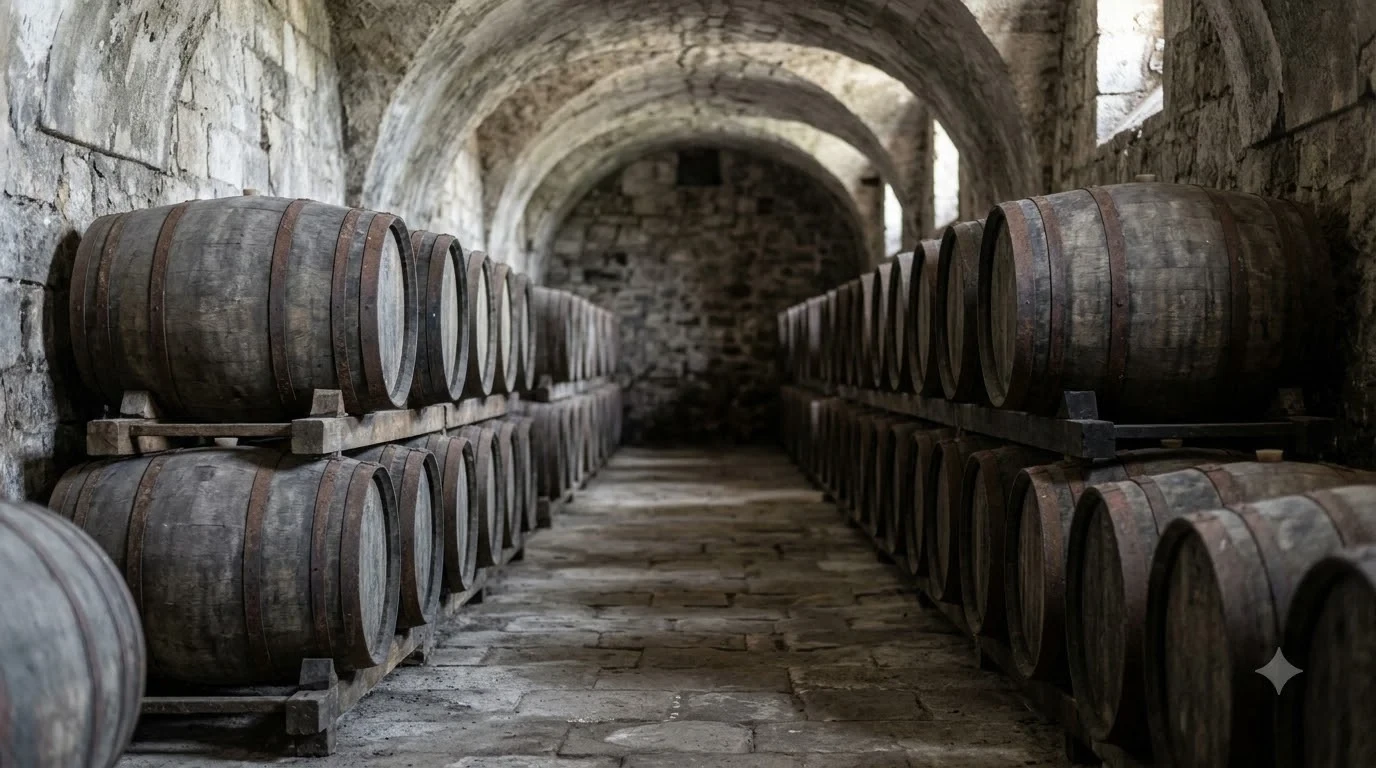
The best way to learn how to start a wine collection is to begin with a small, useful group of bottles you enjoy, then add wines deliberately as you learn what you like. You do not need a basement cellar, rare labels, or a large first purchase. Set a purpose, choose a manageable mix, create suitable storage, and keep a simple inventory so the bottles you save are still enjoyable when you open them.
A wine collection is not simply a pile of unopened bottles. It is a planned selection that gives you something ready for dinner, something to share with guests, and perhaps a few bottles worth revisiting after several years. The right starting point depends on how often you drink wine, how much space you can protect from heat, and whether you are collecting mainly for pleasure, learning, or special occasions.
Decide What Your Collection Should Do
Begin with the job you want your bottles to perform. A collection for weeknight meals should be weighted toward wines ready to drink, while a collection for birthdays or long-term curiosity can reserve a smaller space for bottles with a credible aging window.
Write down three practical details before shopping: how many bottles you expect to open in a month, how many people you usually serve, and how much protected storage you can provide. If you open two bottles most weeks, buying cases that require years of waiting can quickly leave you with more wine than you can enjoy. A modest group of 6 to 12 bottles is enough to test a storage plan and learn which styles earn a place in your next purchase.
Think about the occasions you want to cover. You may want a crisp white for seafood, a medium-bodied red for roast chicken, a fuller red for a winter meal, and a sparkling bottle for a celebration. If you entertain often, plan for the number of guests rather than buying only bottles that appeal to you personally; a practical guide to how much wine for 100 guests can help translate a guest count into bottles. Also consider the pace at which you serve wine: a household that opens one bottle a month needs a different balance from one that hosts a dinner every weekend. Set a maximum number of bottles you can store well, and treat that limit as a reason to finish or share existing wines before buying more.
Keep collecting separate from investing. Wine is perishable, storage is never free of risk, and a famous label does not guarantee that you will enjoy the bottle years later. Treat future resale value as uncertain. Buy primarily for your own table, your own curiosity, and the people with whom you expect to share the wine.
Build a Balanced First Selection
A useful first collection has variety without becoming a random assortment. Decanter recommends that a starter cellar draw from several regions and include different wine styles; for a home beginner, that can mean exploring variety by grape, region, body, and occasion rather than trying to own every category immediately.
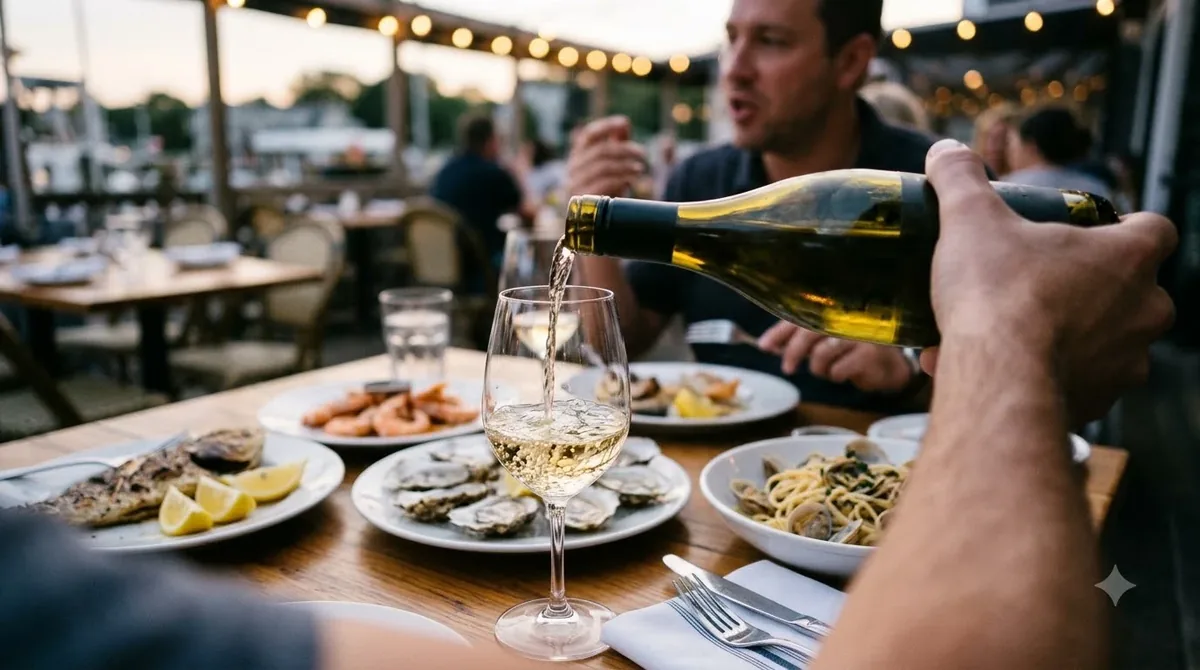
A simple 12-bottle plan can give you a starting framework. The quantities below are an example, not a rule: change them to reflect the food you cook, the wines you already like, and what your storage space can handle.
| Role in the collection | Example bottles | What the selection covers |
|---|---|---|
| Everyday reds | 3 | Approachable bottles for pasta, pizza, and casual meals |
| Lighter reds | 2 | Chilled or lightly chilled options such as Pinot Noir or Gamay |
| Crisp whites | 2 | High-acid styles such as Sauvignon Blanc or dry Riesling |
| Fuller white | 1 | A Chardonnay or another broader style for richer dishes |
| Sparkling wine | 1 | A bottle for aperitifs, celebrations, or fried foods |
| Rosé | 1 | A flexible bottle for warm-weather meals |
| Sweet or fortified | 1 | A different style for dessert, cheese, or after-dinner pours |
| Exploration bottle | 1 | A grape or region you have not tried before |
| Total | 12 | A compact range for learning and hosting |
Use the mix to identify gaps rather than follow it as a shopping list. If you rarely drink red wine, move one or two red slots to white or sparkling; if you cook rich dishes, a fuller Chardonnay and a structured red may see more use than delicate rosé. Compare regions too, such as Sauvignon Blanc from New Zealand and the Loire Valley, or Pinot Noir from California and Oregon. Wine Enthusiast describes a useful habit of buying two bottles at a time: open one, then keep the other only if it earns a place in your collection. Record impressions of acidity, tannin, body, oak, fruit, and finish rather than relying only on scores. A beginner-friendly overview of Wine Basics can help you build that vocabulary.
Choose Wines That Can Benefit From Time
Most wine should be bought for drinking in the near future, not for decades of storage. A smaller group of bottles can be held for later, but age-worthiness depends on the wine’s structure, quality, producer, vintage, closure, and storage history—not on a high score or a prestigious region alone.
Ask the seller or producer for a realistic drinking window that distinguishes “drink now” from “hold.” Freshness, concentration, balance, and structure can support development, but they do not guarantee that every bottle will improve; many light, fruit-forward wines are made to be enjoyed young. Do not assume only red wine can age: some dry whites, vintage Champagne, sweet wines, and fortified wines can reward patience. Mature Riesling or vintage sparkling wine can add variety without buying another red from the same region.
For a wine that is genuinely age-worthy and stored reliably, buying three to six bottles can make comparisons more meaningful. Decanter’s cellar experts describe opening one bottle young, then revisiting another after roughly two to five years as the wine develops. This is a learning strategy, not a requirement: a beginner can start with two bottles or one special bottle, provided there is no pressure to hold it beyond its best drinking period.
Buy from a reputable retailer, winery, or trusted source that can explain the bottle’s storage and origin. This history is called provenance, and it matters especially for older vintages or bottles that have changed hands. Heat exposure, poor storage, damaged closures, or uncertain handling can undermine a wine before it reaches your home, so do not buy solely because a label is rare or heavily praised. With a younger bottle, ask whether the producer recommends additional bottle age and whether the wine has the balance to support it. For a mature bottle, ask about fill level, seepage, label condition, and its storage history before making a decision.
Create the Right Storage Conditions
Good storage is about stability, not display. Aim for a cool, dark space near 55°F, away from strong odors, vibration, direct sunlight, and repeated temperature swings; that matters far more than whether the room looks like a traditional cellar.
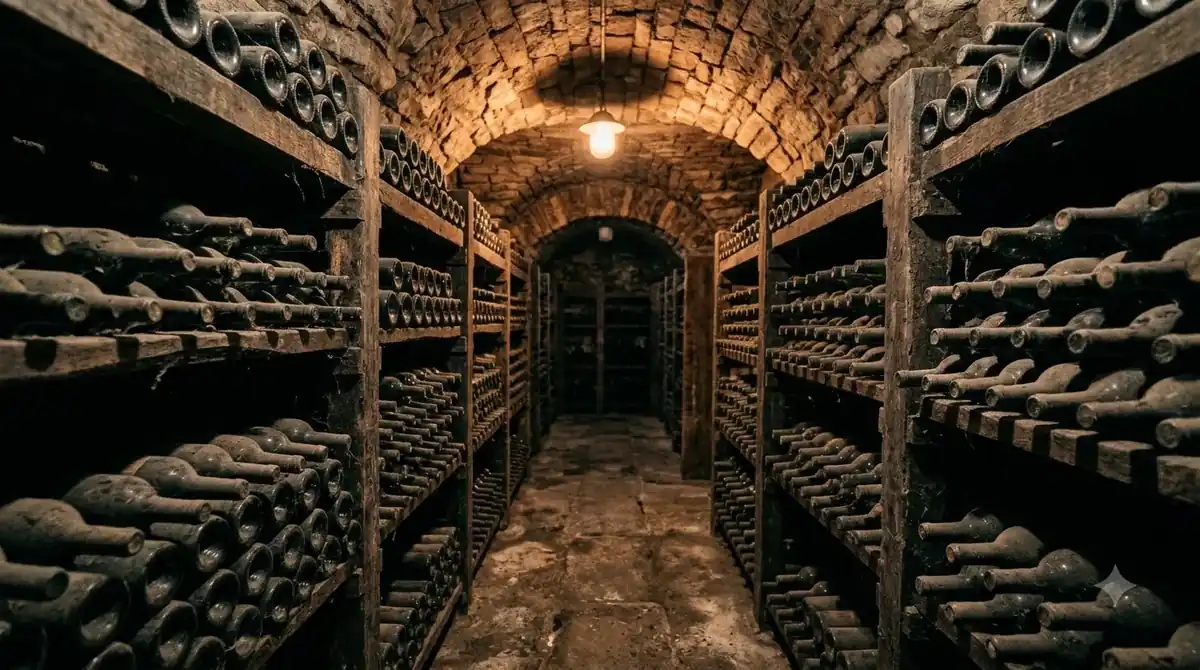
A dedicated wine refrigerator helps if your home lacks a stable cool area, but a dark closet, insulated basement corner, or interior cupboard may work for a small collection that you plan to drink relatively soon. Avoid a kitchen shelf above an oven, a sunny window, a hot attic, or a garage with large seasonal swings. For longer storage, aim for a consistent temperature near 55°F; Wine Enthusiast reports that roughly 50% to 80% humidity helps corks avoid drying out, while excessive dampness can damage labels and encourage mold.
Store cork-finished bottles on their sides so wine remains in contact with the cork; screw-cap bottles can stand upright because they do not rely on a moist cork. Keep bottles still and away from direct light, paint, cleaning products, fuel, spices, or other persistent smells. Wine Enthusiast’s wine storage guidance explains how temperature, light, humidity, movement, and odors can affect bottles.
Storage temperature is not serving temperature. A bottle kept around 55°F may need chilling before it reaches the table: sparkling wine is generally served at 40–50°F, light whites and rosé at 45–50°F, full-bodied whites at 50–55°F, light reds at 55–60°F, and full-bodied reds at 60–65°F. A simple thermometer and a short chill before dinner are more useful than storing every bottle at its ideal drinking temperature.
Track Every Bottle and Its Drinking Window
An inventory prevents a small collection from turning into a forgotten stack. Record what you own as soon as you bring it home, then update the entry when you open, gift, or move the bottle.
A spreadsheet is enough at the beginning. Include producer, wine name, grape or blend, region, vintage, bottle size, purchase date, source, storage location, and remaining quantity. Add a drink-now or hold note, but treat the window as a reminder to review the bottle rather than a guaranteed deadline. Save receipts with the record when possible, especially for older bottles whose source and purchase history may matter.
Organize the physical bottles in a way you can maintain: by region, grape, or drinking window. Keep near-term bottles easy to reach and put long-term bottles in the safest part of the rack; avoid a layout that requires moving several bottles to reach one at the back. A numbered rack position or shelf label makes the written inventory useful in practice.
Review the collection at least once a year; twice a year is better. Look for bottles nearing the end of their suggested window, wines you no longer want, and categories you have overbought. Add concise tasting notes such as “bright acidity, red cherry, light oak, good with roast chicken” or “too much tannin for my taste.” Over time, comparisons may reveal a preference for cool-climate Pinot Noir, mineral-driven whites, or sparkling wine with higher acidity. A regular review is also the moment to update bottle locations, correct quantities, and decide which wines should be opened at the next meal instead of being pushed further into the future.
Buy Gradually and Keep the Collection in Motion
Build a repeatable buying routine instead of making occasional large purchases. A few bottles chosen with a clear reason will teach you more than a case bought because it was on sale or recommended as a must-have.
Before each purchase, check three things: does the style fit a real occasion, do you have room to store it, and will you drink it soon or hold it? If you plan to hold it, get a drinking window and a suitable storage place first. Use tastings, restaurant lists, and trusted merchants to explore without committing to a large quantity. Compare producers and regions: Napa Cabernet and Tuscan Sangiovese can both suit hearty meals but differ in tannin, acidity, fruit, and savory character.
Let the collection change with your habits. More seafood meals may justify additional high-acid whites; frequent dinner parties may call for sparkling wine; a move to a warmer home may require temperature-controlled or professional storage. Larger formats can help at gatherings, so learn how many glasses in a magnum before choosing bottle sizes. Buying from a wine club can introduce new producers, but review the selections and frequency before joining. The guide to how to start a wine club can help turn tasting into a shared activity.
For long-term cellar planning, Decanter’s advice for wine collectors stresses modest buying, a balanced range, and consistent inventory. Those habits work whether your “cellar” is a dedicated room, a small wine refrigerator, or a carefully chosen cupboard.
Frequently Asked Questions
These quick answers cover common details that often come up once you begin buying bottles and planning how to serve them.
How many glasses are in a standard 750-milliliter bottle?
A standard 750-milliliter bottle yields about five U.S. pours when each glass contains 5 ounces. Actual servings vary with glass size and how generously you pour, so use five as a planning estimate rather than an exact count.
What does the vintage year on a wine label mean?
The vintage identifies the year the grapes were harvested, not the year the bottle was purchased or necessarily the year it was released. A non-vintage sparkling wine blends wines from more than one harvest, so it does not represent a single vintage in the same way.
What does ullage mean when buying an older bottle?
Ullage is the empty space between the wine and the closure inside the bottle. Some space is normal, but a noticeably low fill in an older bottle can be a clue to evaporation or seepage and should prompt closer questions about storage and condition.
Does a high critic score mean a wine will age well?
No. A score is an assessment of a wine at a particular tasting, while age-worthiness is a separate question about its structure, balance, producer, vintage, and storage. Look for an explicit drinking window and supporting guidance rather than treating a number as a promise.
What is a magnum bottle?
A magnum holds 1.5 liters, which is twice the volume of a standard 750-milliliter bottle. It provides about ten 5-ounce servings and can be a practical format for a dinner with several guests, although it still needs suitable storage and careful handling.
The strongest wine collection is the one that fits your life: bottles you enjoy, a few thoughtful experiments, and only as much aging wine as you can store well. Start small, keep useful records, and let each bottle you open guide the next purchase.
More in Wine Basics
 Which Rose Is Best for Your Taste, Budget, and Food PairingsUpdated Nov 21, 2026
 Is Cheap Wine Bad? How to Find Bottles Worth DrinkingUpdated Nov 21, 2026
 What To Write On A Wine Gift Tag: Thoughtful Messages For Every OccasionUpdated Nov 21, 2026
 Which Wine Is Best For Weight Loss? Compare Lower-Calorie ChoicesUpdated Nov 21, 2026
 What Is The Best Wine For Mimosas? Choose Bubbly That Balances Orange JuiceUpdated Nov 20, 2026
 Which Prosecco Is Best for Your Taste and OccasionUpdated Nov 20, 2026