

We may earn a commission when you buy through links on this page, at no extra cost to you. Learn more.
Meiomi Chardonnay is a California Chardonnay known for a smooth, fruit-forward style with soft oak and a rounded, plush texture. The winery makes it from grapes grown in cool coastal vineyards, and the brand is built around the idea that the wines are easy to drink and easy to pair. If you want a Chardonnay that leans toward ripe fruit and creamy texture rather than sharp minerality, Meiomi is a common starting point for American shoppers.
This guide explains what Meiomi Chardonnay tastes like, how the brand describes its vineyards, how the wine compares with other Chardonnay styles, and how to serve it with food. It is written for someone who has seen the bottle on a store shelf and wants to know whether it fits the way they drink.
What Meiomi Chardonnay Is
Meiomi is a California wine brand, and its name comes from the coast. According to the winery’s about page, the name is pronounced “May-OH-mee” and refers to the coast that shapes the growing conditions for its fruit. The brand describes itself as reflecting the diversity of California’s most notable wine-growing regions, so the Chardonnay is a blend of grapes from several cool, coastal sites rather than a single vineyard bottling.
The winemaking team is led by Head Winemaker Jason Becker, who the winery says has more than two decades of experience making wine in California. The lineup also includes a second Chardonnay, Bright Chardonnay, so shoppers can see two Chardonnay choices from the same house.
How the Vineyards Shape the Wine
Cool growing conditions are the main reason coastal Chardonnay tends to keep its acidity. The winery describes its vineyards as influenced by rocky soils, cool breezes, and long growing seasons. In practice, a longer season lets grapes ripen slowly, which helps the fruit hold a crisp edge even when the wine is rounded by oak and malolactic fermentation.
Chardonnay is one of the most widely planted white grapes in the world, and it is grown in nearly every wine-producing country. Wine Folly’s grape guide lists France, the United States, Australia, Italy, and Chile as the countries with the largest plantings. California’s coastal areas are known for a riper, more fruit-forward expression than the leaner styles of Chablis, which is why a California bottle often tastes softer on the first sip.
The grape itself is neutral in many ways. Much of what drinkers call buttery or creamy comes from winemaking, not from the fruit. That point matters for Meiomi because the winery’s approach is to put fruit and texture in front and use oak as a supporting element rather than the main flavor.
Flavor Profile and Style
Meiomi Chardonnay is generally described as smooth, plush, and approachable. Expect a fruit-forward palate with ripe orchard fruit and a softer, rounder finish than a crisp unoaked white. The brand’s wines are built for everyday drinking, not for long cellaring, so the style is meant to be enjoyed fairly young.
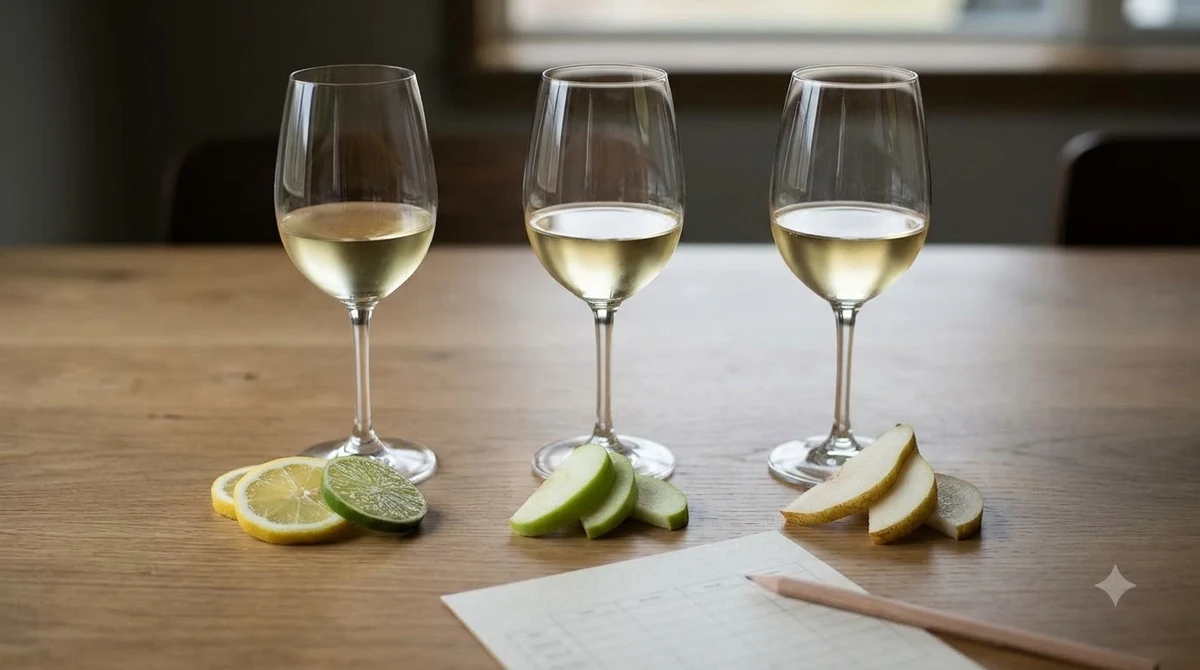
To place it in context, Chardonnay falls into a few broad styles. Lean, unoaked versions are crisp and high in acidity, with green apple, citrus, and mineral notes, as seen in the classic Chablis style. Oaked, Burgundian-style versions are fuller and creamier, with stone fruit and baking spice. Many California bottlings, including the smooth style Meiomi aims for, sit between those two poles: some oak character, a soft texture, and fruit that stays forward.
| Style | Typical character | Where it sits relative to Meiomi |
|---|---|---|
| Lean, unoaked (Chablis style) | Crisp, high acidity, green apple and citrus | Sharper and less creamy |
| Balanced California | Ripe fruit, light oak, soft finish | Closest to the Meiomi profile |
| Heavily oaked (Burgundian style) | Rich, creamy, vanilla and toast | Richer and more pronounced oak |
| Sparkling Blanc de Blancs | Fine bubbles, bright acidity | Different format, often served colder |
Tip: If you usually find Chardonnay too heavy, try a bottle served a few degrees cooler than you think. Temperature changes how much oak and richness you notice on the palate.
How to Serve Meiomi Chardonnay
Serving temperature has a visible effect on Chardonnay. Wine Folly’s Chardonnay guide suggests that leaner styles are best around 45°F (7°C), while oaked styles show their best balance closer to 55°F (12°C). For a smooth, fruit-forward California bottling like Meiomi, a range of about 45 to 55°F is a sensible target. Taking the bottle out of the refrigerator about 10 to 15 minutes before pouring is often enough to reach that range.
Use a medium-sized white wine glass rather than a tall flute. The shape concentrates aroma and gives the wine room to open as it warms slightly in the glass. There is no need to decant a young Chardonnay like this one, and a short swirl in the glass is usually all it needs.
Food Pairing Ideas
Meiomi’s softer texture makes it a flexible partner at the table. It works with dishes that have some richness but not a lot of heavy sauce, because the fruit can balance cream and butter without overwhelming them. Good options include roast chicken, pork with apple, and creamy pasta with mild herbs. Lighter seafood such as grilled shrimp or sea bass also pairs well, especially with lemon.
For cheese, soft and mild varieties such as brie or fresh goat cheese are a natural match. Sharp aged cheddar can make a rounded Chardonnay taste flat, so keep that pairing for a more acidic white. Salty snacks like popcorn with butter or crispy potato chips also suit the wine’s fruit and gentle oak.
How to Choose a Bottle in the Meiomi Family
When you shop, check the label for the exact Chardonnay name and the vintage. Lineups change over time, and a brand’s Chardonnay may come in several bottle sizes. Compare the description on the back label with what you like: if you enjoy fruit and softness, the Meiomi style fits. If you want a sharper, more mineral wine, look at unoaked or cool-climate Chardonnay from other regions.
Many shoppers also compare Meiomi with other popular California Chardonnays from large producers. Brands such as J. Lohr Chardonnay and Woodbridge Chardonnay share a fruit-forward California approach, so tasting two side by side is a practical way to see which style you prefer. For more background on how brands like this are organized, the wine brands guide explains the difference between producer lines, regional blends, and single-vineyard bottlings.
Read the alcohol content on the label, and remember that the number varies by bottling and vintage. Serve responsibly, and plan for a glass or two with a meal rather than treating a bottle as a single serving.
Frequently Asked Questions
Is Meiomi Chardonnay sweet?
Meiomi Chardonnay is generally described as fruit-forward and smooth rather than sweet. The fruit is ripe, and the texture is soft, but the wine is usually labeled dry. Shoppers who want a clearly sweeter white should look for a labeled off-dry or sweet style instead.
Is Meiomi Chardonnay oaked?
Yes, the style uses oak in a supporting role, which adds vanilla and a gentle toasted note. The winery’s approach puts fruit and texture first, so the oak is usually softer than in heavily oaked Burgundian-style Chardonnay.
What is the best temperature to serve Meiomi Chardonnay?
A range of about 45 to 55°F works well for a smooth California Chardonnay. Serving it slightly cooler keeps the fruit lively, while letting it warm a little brings out more of the texture and oak character.
What foods go well with Meiomi Chardonnay?
Roast chicken, pork with apple, creamy pasta with mild herbs, and soft cheeses such as brie are reliable choices. Lighter seafood with lemon also works, because the wine has enough body to match the richness without overpowering delicate flavors.
Meiomi Chardonnay is a practical pick for anyone who wants a fruit-forward, smooth California white with a soft finish. Serve it cool, match it with mild, creamy dishes, and compare it with another California Chardonnay if you want to find your preferred style. For a broader view of how wine brands are grouped, see the wine brands guide.
More in Wine Brands
 Underwood Wine Price: Compare Bottles, Cans, and Pack SizesUpdated Nov 21, 2026
 Zenato Wine Price: Compare Styles and Choose the Right BottleUpdated Nov 21, 2026
 Zuccardi Wine Price: Compare Bottles and Find the Right RangeUpdated Nov 21, 2026
 Yellow Tail Moscato Review: Taste, Sweetness and Serving TipsUpdated Nov 21, 2026
 Wolf Blass Yellow Label Review: Choose Your Best StyleUpdated Nov 21, 2026
 Wolffer Estate Rose Review: Choose the Right Bottle for Your TableUpdated Nov 21, 2026