

We may earn a commission when you buy through links on this page, at no extra cost to you. Learn more.
Tawny Port alcohol content is usually around 19% to 20% ABV, with many bottles falling within the broader 19% to 22% range for Port. That makes it considerably stronger than most still table wines, even though its sweetness and smooth texture can make the alcohol feel less obvious. A specific bottle may sit at 19.5% or 20%, so the number printed as alcohol by volume is the best guide to that wine.
Tawny Port is a fortified wine from Portugal’s Douro region. Its strength comes from grape spirit added during fermentation, while its signature amber color, nutty aromas, and dried-fruit flavors develop through aging in wood. Understanding the alcohol figure is useful for comparing bottles, choosing a pour, and knowing why Tawny can taste both rich and warming.
Tawny Port Alcohol Content by Bottle
For a quick estimate, expect many Tawny Ports to contain about 19% to 20% alcohol by volume. The Port and Douro Wines Institute gives a broader usual range of 19% to 22% for Port as a category, and producer specifications show that 20% is a common figure for aged Tawny bottlings.
Specific examples make the range easier to interpret. Dow’s lists its 10-, 20-, 30-, and 40-Year-Old Tawnies at 20% ABV, while Sandeman lists its 30-Year-Old Tawny at 20%. These figures are close, but they are not interchangeable: they describe individual wines rather than a universal formula.
The table below translates those percentages into the amount of pure alcohol in a measured serving and a full bottle. The serving calculation uses a 5-fluid-ounce pour, and the bottle calculation assumes a 750-milliliter bottle; the figures are mathematical estimates, not recommended serving sizes.
| Reference | Alcohol by volume | Pure alcohol in 5 fl oz | Pure alcohol in 750 ml |
|---|---|---|---|
| Common aged Tawny examples | 20% | 1.00 fl oz | 150 ml |
| Port category, lower end of usual range | 19% | 0.95 fl oz | 142.5 ml |
| Port category, upper end of usual range | 22% | 1.10 fl oz | 165 ml |
For a bottle-specific answer, use the stated ABV rather than guessing from its color, sweetness, or age category. A 20% bottle contains one-fifth alcohol by volume, so a 5-ounce pour contains about 1 ounce of pure alcohol. The same arithmetic applies to any wine: multiply the pour volume by the ABV expressed as a decimal. This is why a 19.5% Tawny is only slightly lower in alcohol than a 20% bottle, despite the difference appearing more prominent when the figures are printed side by side.
How Fortification Sets the Alcohol Level
Tawny gets its higher strength through fortification: a grape-based spirit is added to fermenting wine, raising the alcohol level and stopping fermentation before all the grape sugar is converted into alcohol. The Port and Douro Wines Institute describes Port as usually 19% to 22% ABV; its Port wine overview also explains how the traditional process begins in the Douro region.
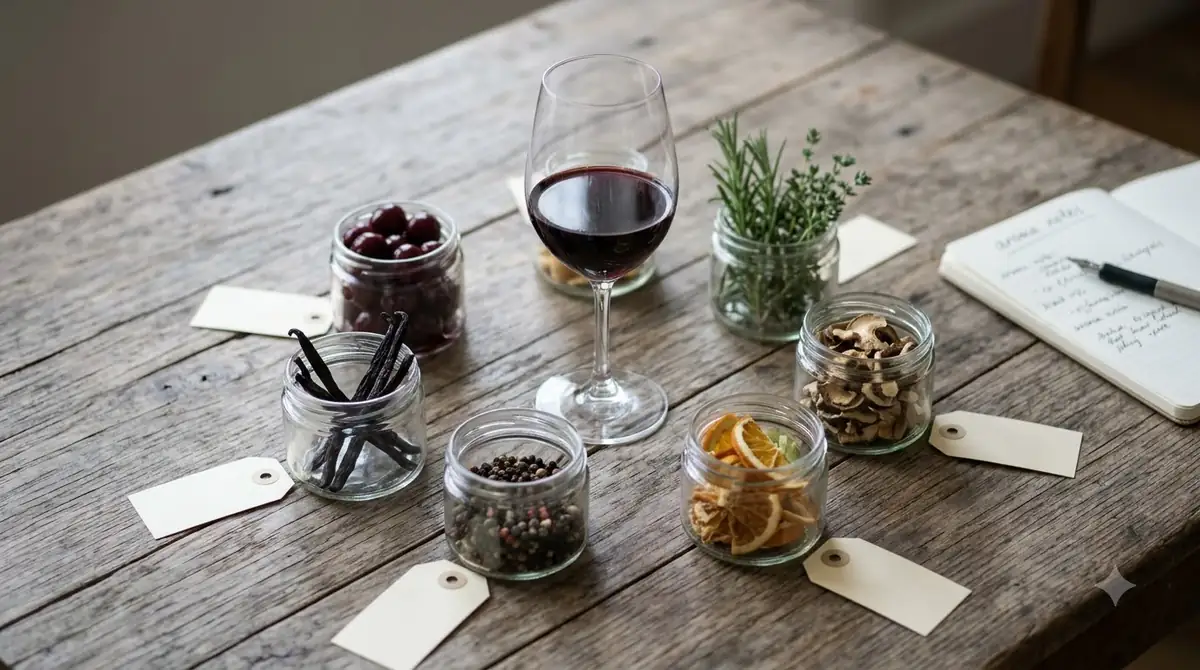
Port is made in the Douro Demarcated Region of northern Portugal. The traditional process begins with crushed grapes and a period of fermentation; the winemaker then adds grape spirit at a chosen moment. The spirit both increases alcoholic strength and interrupts yeast activity. The remaining natural grape sugar contributes to Port’s sweetness, while the spirit addition gives the wine its fortified structure and a recognizable warming sensation.
The timing of fortification matters to the final balance. Adding the spirit earlier leaves more residual sugar because fermentation has had less time to consume it; adding it later allows more sugar to ferment first. This decision helps explain why Ports can differ in sweetness even when their alcohol percentages are similar. A sweeter Tawny is not automatically a stronger Tawny, and a drier-tasting finish does not prove that a wine has a lower ABV.
Fortification is also distinct from distillation of the finished wine. Tawny remains a wine made from fermented grapes, with grape spirit incorporated during production. Its character reflects the underlying grapes, the timing and amount of spirit, the blending choices, and the later maturation in cask. The alcohol figure is only one part of that composition; it does not tell you how concentrated, sweet, nutty, or fresh the wine will taste.
How Oak Cask Aging Changes Tawny Port
Wood aging gives Tawny Port its amber-brown color and its familiar notes of dried fruit, nuts, spice, and caramel-like flavors. Unlike Ruby Port, which is generally protected from extensive oxygen exposure, Tawny matures in smaller wooden casks where gradual oxidation changes its color and aroma over time.
Decanter’s explanation of Tawny aging describes traditional lodge pipes as seasoned casks of roughly 600 to 640 liters. During time in wood, controlled oxygen contact and evaporation help shape the wine, while cellar conditions also influence the pace of maturation. A Tawny aged in the warmer Douro Valley can develop differently from one aged in the cooler, more humid conditions of Vila Nova de Gaia, the historic Port-lodge district across the river from Porto.
Age in wood does not mean the alcohol percentage rises in a predictable ladder. Dow’s publishes the same 20% ABV for its 10-, 20-, 30-, and 40-Year-Old Tawny bottlings, despite the differences in age and flavor profile. Aging changes the wine’s aroma, texture, color, and concentration; the number on the bottle is the actual declared strength of that blend, not a score for how old or powerful it tastes.
As Tawny develops, fresh red-fruit notes often move toward dried cherry, raisin, fig, orange peel, toasted nuts, spice, and wood-derived complexity. Those flavor shifts can make an older wine seem more intense even when its ABV is unchanged. The palate may also feel smoother or more integrated because the blend has matured, but softness should not be mistaken for low alcohol. A small, deliberate sip can reveal warmth that a sweet first impression might conceal.
What 10-, 20-, 30-, and 40-Year Labels Mean
The age numbers on an aged Tawny describe the approximate character of a blend, not the exact age of every drop in the bottle. Producers combine wines of different ages to achieve a consistent house style, and the finished wine is assessed against the age-indicated category rather than treated as a single-vintage wine.
The main age indications are 10, 20, 30, and 40 years. A 10-Year-Old Tawny usually retains more youthful fruit alongside early nutty and oxidative notes; a 20-Year-Old often brings a more pronounced balance of freshness, dried fruit, and savory complexity. Thirty- and 40-Year-Old examples tend to show deeper concentration and more layered aromas, though the exact style depends on the producer and blend.
Dow’s tasting descriptions illustrate how the profile can shift across those categories: its 10-Year-Old features red cherry and almond, the 20-Year-Old suggests honeysuckle and butterscotch, and the 30-Year-Old points toward quince and citrus. These are flavor distinctions, not alcohol tiers. Each of the four age-indicated Dow’s bottlings lists 20% ABV, so an older label should not be read as a signal of extra alcohol.
Colheita is a related but different Tawny category. The Portuguese word means “harvest,” and a Colheita comes from a single harvest year rather than a blend designed around an age indication. Decanter notes that it must spend at least seven years in wood before bottling; a Colheita can therefore be old and complex without carrying a 10-, 20-, 30-, or 40-Year-Old blend designation. For background on the broader range, browse Wine by Type.
Tawny Compared With Ruby Port and Other Sweet Wines
Tawny and Ruby are both Port styles, so their alcohol levels are broadly similar even though their maturation and flavors differ. Tawny spends extended time in wood and develops a lighter amber color, while Ruby is made to preserve more of its deep color and youthful fruit; neither style is inherently a low-alcohol alternative to the other.
A bottle’s actual strength matters more than its style name. Compare the stated figure with the typical ruby port alcohol content rather than assuming that a darker, fruitier Ruby is stronger or that a nutty Tawny is lighter. A 20% Tawny and a 20% Ruby contain the same proportion of alcohol by volume, even though sweetness, acidity, tannin, and serving temperature can make them feel different on the palate.
Sweetness is a separate measurement from alcohol: residual grape sugar contributes body and a sweet impression, while fortification provides much of the alcohol. For more detail, see tawny port sugar content. This distinction matters at dessert because the wine should generally taste at least as sweet as the food. Ice wine offers a useful contrast: its sweetness comes from naturally concentrated grape juice rather than Port fortification, and its alcohol can be much lower depending on fermentation. The comparison in ice wine alcohol content illustrates why a sweet taste alone cannot tell you whether a wine is fortified or how much alcohol it contains.
Serving Temperature, Pour Size, and Storage
Tawny is usually at its most expressive when served gently chilled rather than warm. A practical target is about 57°F to 60°F, close to the 14°C to 16°C range Sandeman recommends for its 30-Year-Old Tawny; chilling helps keep the sweetness and alcohol warmth in balance while allowing nut, dried-fruit, and spice aromas to show.
Use a measured pour when comparing strength. A 5-ounce pour is a useful standard for the calculations above, and a 750-milliliter bottle provides about five such glasses. Since a 20% Tawny contains about 1 ounce of pure alcohol in a 5-ounce serving, a 2.5-ounce pour contains about half that amount. Smaller pours are often practical for an after-dinner wine because Tawny is concentrated in both flavor and alcohol.
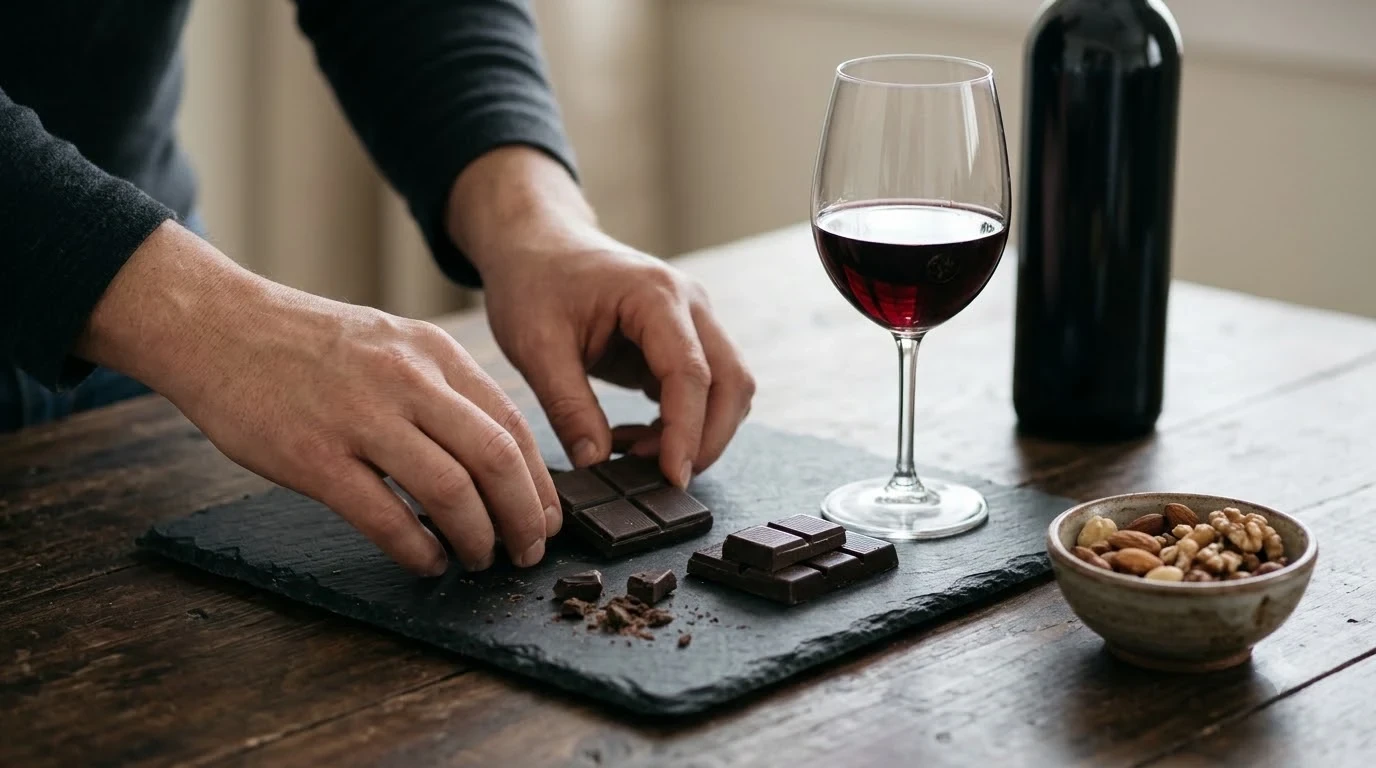
Choose a glass with enough room to swirl gently and release aromas, but avoid filling it to the rim. Tawny works well with toasted almonds, walnuts, dried figs, crème brûlée, apple tart, and hard or blue cheeses. Match the wine’s sweetness with the dessert’s sweetness, and use salty or fatty foods to soften firm tannins when pairing a red Port. Avoid pairing strongly tannic reds with oily fish; alcohol and tannin can also make chili heat feel more pronounced. After opening, close the bottle securely and keep it refrigerated to slow further change. Tawny has already experienced controlled oxygen exposure during cask aging, so it can often remain enjoyable longer than a delicate young red, but freshness still fades. Producer guidance varies by bottling and style, so treat any stated after-opening window as specific to that wine rather than a guarantee for every Tawny.
Tip: Put the bottle in the refrigerator before serving, then pour a small measured glass and let it warm slightly in the glass. This gives you a clear sense of the wine’s sweetness, aromas, and alcohol warmth without serving it hot.
Frequently Asked Questions
These quick answers cover details such as Reserve Tawny, which Decanter describes as roughly seven years old, and the producer-specific opening guidance for Sandeman’s 30-Year-Old bottling.
Does Tawny Port need to be decanted?
Many aged Tawnies are ready to drink straight from the bottle and do not require sediment removal. Sandeman says its 30-Year-Old Tawny does not need decanting, although it benefits from a little aeration in the glass; follow the advice for the particular bottling rather than assuming every Port behaves the same way.
How long can an opened bottle of Tawny Port last?
The useful drinking window depends on the wine, closure, storage, and how much air remains in the bottle. Sandeman recommends consuming its 30-Year-Old Tawny within two to three months after opening, which is a producer-specific guideline and should not be applied automatically to every Tawny Port.
Which grapes are used to make Tawny Port?
Port blends can include Touriga Nacional, Touriga Franca, Tinta Barroca, Tinto Cão, and Tinta Roriz, among other permitted Douro varieties. Producers blend varieties and vineyard lots to build balance and house style, so an age-indicated Tawny is not defined by one grape alone.
Can Tawny Port be used in cooking?
Yes. Port can be used in pan sauces, reductions, and dressings where its sweetness and concentrated fruit can complement savory ingredients; Wine Enthusiast also notes Port among fortified wines that can work in sauces. Add it with enough time for the flavor to integrate, and account for the wine’s sweetness when balancing the dish.
What does Reserve Tawny mean?
Reserve is a recognized Tawny category below the age-indicated 10-, 20-, 30-, and 40-Year-Old designations. Decanter describes Reserve examples as around seven years old, although the category is not a calendar-year vintage statement. It offers a useful reference point between a basic Tawny and the more mature age-indicated styles.
Tawny Port is generally a 19% to 20% ABV wine, with the broader Port category commonly spanning 19% to 22%. The exact figure varies by bottle, but the familiar 20% examples show why a small, measured, gently chilled pour is a sensible way to enjoy its layered, wood-aged character.
More in Wine Types & Grapes
 Zinfandel Sugar Content: Dry Red vs. White Zinfandel GramsUpdated Nov 21, 2026
 Best Zinfandel Substitute Options for Sipping and CookingUpdated Nov 21, 2026
 Zweigelt Food Pairing: Best Dishes, Cheeses, and Serving TipsUpdated Nov 21, 2026
 Zinfandel Tannins Explained: How Structure Shapes Every BottleUpdated Nov 21, 2026
 Zinfandel Sweetness Level: Dry Red vs. Sweet White Zin ExplainedUpdated Nov 21, 2026
 Xinomavro Food Pairing: Best Dishes, Styles, and Serving TipsUpdated Nov 21, 2026