

We may earn a commission when you buy through links on this page, at no extra cost to you. Learn more.
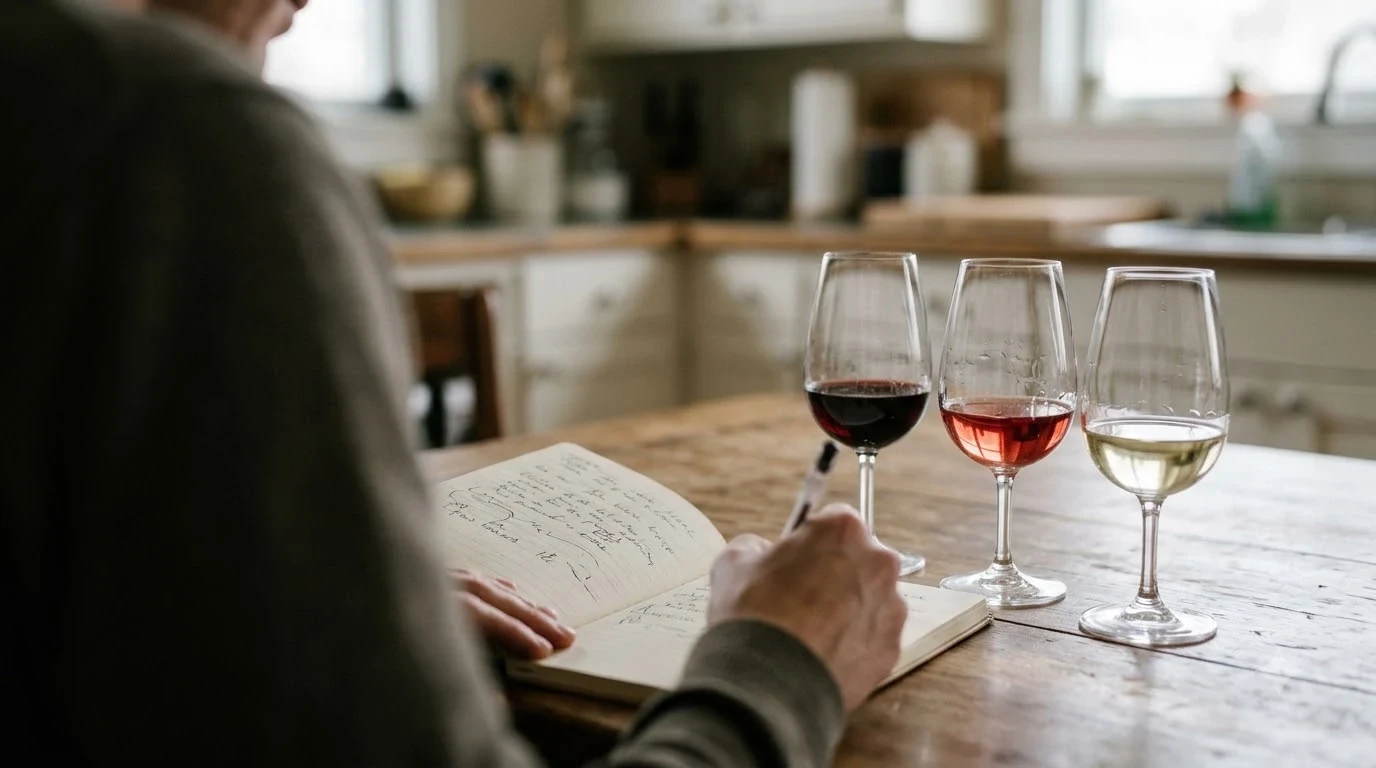
sancerre tasting notes typically describe a dry, high-acid Sauvignon Blanc with citrus, gooseberry, fresh herbs, and a distinctive mineral finish. This famous French wine also comes in red and rosé styles made from Pinot Noir. Its flavor profile changes with vineyard soil, winemaking choices, and bottle age, making Sancerre more diverse than its familiar lemon-and-grapefruit reputation suggests. Understanding these differences helps you identify a bottle’s style and choose the right food pairing.
Sancerre comes from the eastern Loire Valley in France, where Sauvignon Blanc has become the region’s signature grape. The name refers to a protected wine appellation rather than a grape variety, so the label tells you about the wine’s geographic origin as well as its production requirements. For readers learning to recognize regional styles, Sancerre is an excellent example of how grape variety, place, and winemaking combine, alongside the other styles discussed in our Wine by Type reference.
Sancerre Tasting Notes: The Typical White-Wine Profile
The classic white Sancerre is dry, refreshing, aromatic, and driven by crisp acidity. Expect citrus, green fruit, herbs, and mineral impressions, with enough texture to make the wine feel more substantial than a simple, sharply acidic white.
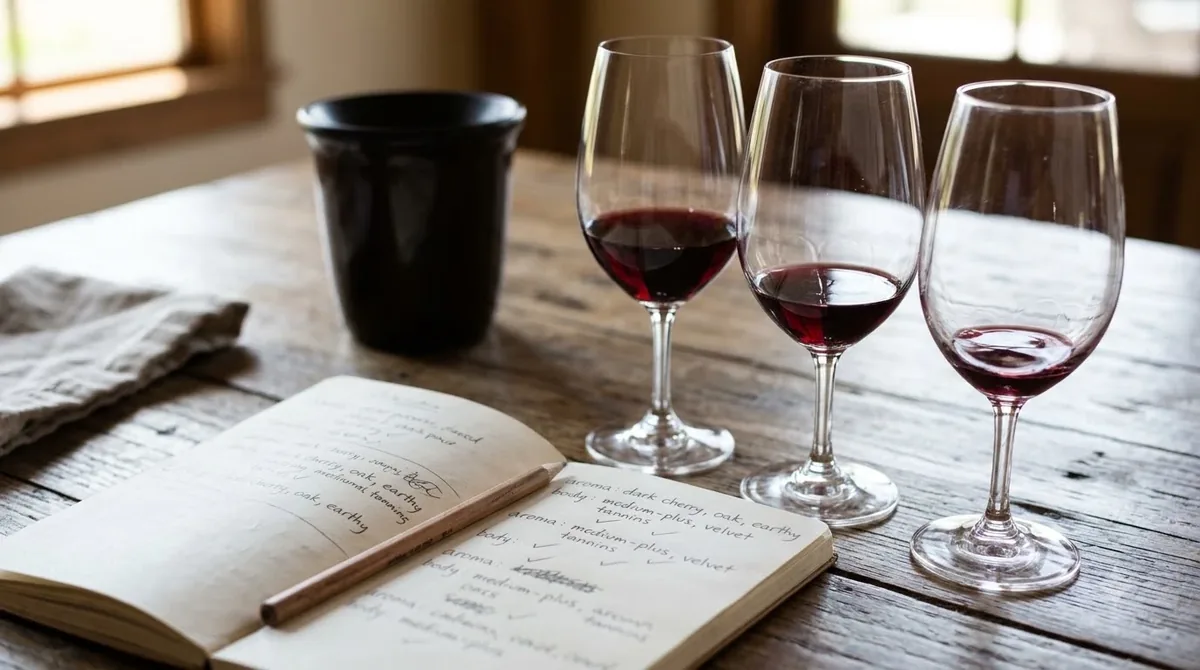
The first impression is usually fresh and lively. Lemon, lime, grapefruit, and occasionally orange zest give the wine its recognizable citrus character. Depending on the producer and vineyard, the fruit can lean toward green apple, pear, gooseberry, or white peach. Some examples also suggest passion fruit, lychee, and other tropical fruits, particularly when the grapes reach fuller ripeness.
Herbal aromas provide another important part of the profile. Fresh-cut grass, tomato leaf, crushed leaves, and delicate floral notes such as elderflower can appear alongside the fruit. These scents are particularly useful when distinguishing Sauvignon Blanc from other white grapes. The combination of green fruit and fresh herbs is generally more restrained in Sancerre than in many intensely aromatic Sauvignon Blancs from warmer climates.
On the palate, Sancerre commonly has a dry entry, energetic acidity, and a refreshing finish. Citrus flavors often return in the middle of the palate, while subtle bitter notes reminiscent of grapefruit pith or lemon peel may appear toward the end. Some wines feel slender and sharply defined, whereas others have a rounder texture with more pronounced peach and white-fruit character. Neither style is automatically better; they express different growing conditions and winemaking decisions.
Minerality is another frequently used tasting descriptor. A Sancerre may suggest wet stone, chalk, flint, or a faintly smoky sensation. These words describe sensory impressions rather than literal pieces of rock in the wine. The balance between fruit, acidity, and mineral character gives the wine much of its appeal. Decanter’s Sancerre tasting overview similarly identifies freshness, stony character, and texture as important features of the region’s whites.
Sauvignon Blanc Aromas and Palate Structure
Sancerre’s signature white grape produces a recognizable combination of bright acidity, restrained fruit, and herbal aromatics. The most useful tasting approach is to evaluate its fruit, aromatic intensity, acidity, body, and finish separately rather than relying on the word mineral alone.
Fruit character: Start with citrus. Lemon and grapefruit are common reference points, often accompanied by green apple, pear, or gooseberry. Wines with more generous fruit can suggest peach, melon, or passion fruit. The intensity of these notes depends partly on ripeness, but a well-balanced wine should retain freshness instead of becoming heavy or overly sweet in impression.
Herbal and floral character: Look for freshly cut grass, green herbs, tomato leaf, elderflower, and white flowers. These notes are useful clues for Sauvignon Blanc, particularly when they appear alongside lemon and gooseberry. Some bottles lean toward a green, vegetal expression, while others show softer floral and white-fruit aromas. A grassy aroma does not necessarily indicate a wine problem; it can be a natural part of Sauvignon Blanc’s aromatic character.
Acidity and texture: Sauvignon Blanc is naturally a high-acid grape, and Sancerre commonly expresses that freshness through a crisp, mouthwatering palate. Acidity makes the wine feel lively and helps keep its fruit flavors precise. Body is usually light to medium, although individual wines can have more weight from lees contact, fuller ripeness, or particular vineyard sites. A rounded texture should not be confused with sweetness: most classic white Sancerre is dry.
The finish is often the most revealing part of the tasting. A straightforward example may end with lemon, grapefruit, and fresh herbs, while a more complex bottle may leave a lingering impression of stone, subtle salinity, or white fruit. Good acidity helps maintain clarity after the fruit has faded. Notice whether the finish is short and simple or develops through several layers of citrus, floral, and mineral impressions.
When comparing two bottles, concentrate on three practical questions: how intense is the fruit, how prominent are the herbal notes, and how long does the finish last? These observations create a more useful description than simply calling every bottle crisp or grassy. They also help explain why two Sauvignon Blanc wines from Sancerre can taste noticeably different despite sharing the same appellation and principal grape.
Terroir and the Three Principal Sancerre Soils
Sancerre’s three principal soil types are terres blanches, caillottes, and silex. Their differences help explain why wines from the same Sauvignon Blanc grape can range from rounded and powerful to delicate, stony, and sharply defined.
The vineyard landscape lies on the left bank of the Loire, in the Cher department of central France. The official appellation description places many vineyards between 180 and 350 meters above sea level. The slopes, varied exposures, and different soil formations create distinct growing conditions across the 14 communes. The proximity of the Loire also influences local temperature patterns, helping establish the conditions in which Sauvignon Blanc and Pinot Noir develop.
Terres blanches refers to the region’s Kimmeridgian marl soils, which contain substantial layers of marl mixed with limestone. The Sancerre appellation association estimates that these soils represent approximately 40% of the vineyard. Wines from these sites often have greater concentration, a fuller mouthfeel, and a rounded sense of weight. Their citrus and white-fruit aromas can be accompanied by floral notes and a firm underlying acidity. Compared with lighter examples, they may feel broader and more structured across the palate.
Caillottes describes stony limestone soils, also representing approximately 40% of the vineyard according to the appellation association. These soils contain coarse fragments of compact limestone and are associated with many of the region’s elegant, accessible expressions. Wines commonly show lively citrus, white fruit, and a balanced relationship between acidity and texture. Their style can be particularly appealing to people who enjoy a clean, precise Sauvignon Blanc without excessive intensity.
Silex refers to flint-rich, siliceous-clay soils found particularly in the eastern parts of the region. These sites are associated with pronounced mineral impressions, including gunflint, stone, and occasionally a faint smoky note. Wines can combine a crisp structure with impressive aromatic complexity. Some examples develop additional layers with bottle age. The three soil families and their local expressions are explained in more detail by the Sancerre appellation’s official vineyard and wine overview.
The following figures provide useful context for understanding the appellation. Vineyard area figures are regional averages, while the production proportions describe the distribution published by the Sancerre winegrowers’ association.
| Appellation detail | Figure | Significance |
|---|---|---|
| Vineyard area | Approximately 3,053 hectares | A substantial but geographically concentrated wine region. |
| Winegrowing communes | 14 | A range of hillside locations and soil expressions. |
| White wine production | 80% | Sauvignon Blanc dominates the appellation. |
| Red wine production | 13% | Pinot Noir provides the red-wine expression. |
| Rosé production | 7% | Pinot Noir is also used for the appellation’s rosé. |
| White wine AOC recognition | 1936 | Formal recognition of the white-wine appellation. |
| Red and rosé AOC recognition | 1959 | Formal recognition of the other two colors. |
These figures show why the phrase Sancerre most often brings Sauvignon Blanc to mind, even though the appellation has more than one wine style. The soil differences also explain why buying a second bottle from the same village does not guarantee an identical flavor profile. Vineyard location, exposure, harvest conditions, and the producer’s preferred style all contribute to the final result.
Red and Rosé Sancerre Tasting Notes
Red Sancerre is a Pinot Noir wine with fresh red fruit, fine spice, and a more delicate structure than many bold French reds. Rosé Sancerre uses the same grape but offers a lighter, fruit-driven expression with refreshing acidity.
Red Sancerre is less common than the white wine, but it offers a useful alternative for people who enjoy Pinot Noir. Its principal aromas include cherry, raspberry, red currant, and other fresh berries. More developed examples can show darker fruit, subtle pepper, earthy impressions, or gentle forest-floor character. The fruit generally remains an important part of the wine’s identity rather than being overwhelmed by heavy oak or excessive extraction.
In the mouth, red Sancerre often has fresh acidity, low to medium tannin, and a light-to-medium body, although vineyard and winemaking choices can produce more concentrated versions. The texture may feel silky and supple, with enough structure to accompany roasted poultry or pork. Some wines have firmer, more noticeable tannins, particularly when the grapes come from more concentrated vineyard sites. A pleasant red Sancerre should retain a sense of freshness even when its fruit becomes darker or more developed.
The range of red-wine styles is useful for anyone learning to describe different grapes. For another red variety, compare the fresh-fruit language of Pinot Noir-based Sancerre with grenache tasting notes. Readers can also use tempranillo tasting notes to compare how fruit, spice, and tannin develop in another classic red-wine style. The differences are a reminder that red wine descriptions depend on grape variety, climate, soil, and cellar decisions rather than color alone.
Rosé Sancerre is produced from Pinot Noir and typically has a pale pink or salmon appearance. Its aromatic profile can include strawberry, raspberry, red currant, citrus, and delicate floral notes. Some examples suggest grapefruit or blood orange, giving the wine a slightly more citrus-driven character than a simple red-berry rosé.
On the palate, rosé Sancerre is generally dry, fresh, and light to medium in body. Acidity gives the wine a crisp finish, while its restrained red-fruit profile keeps it versatile at the table. It is well suited to lighter meals, picnic dishes, seafood, salads, and vegetable-based appetizers. Although red and rosé Sancerre are less widely encountered than the white style, both demonstrate the importance of Pinot Noir in the region’s history.
Winemaking Choices and Bottle-Age Development
Winemaking influences whether Sancerre tastes primarily fresh and citrus-driven or more rounded, textured, and complex. Stainless-steel fermentation, used barrels, lees contact, and bottle aging can all change the way the wine expresses its fruit and acidity.
Many white Sancerre wines are made in stainless-steel tanks. This approach allows producers to preserve the grape’s natural aromatic character without introducing prominent oak flavors. The resulting wines tend to emphasize lemon, lime, gooseberry, green apple, fresh herbs, and mineral impressions. Stainless steel also allows winemakers to manage fermentation temperatures carefully, helping retain the fresh aromatic qualities associated with Sauvignon Blanc.
Some producers use older or neutral oak barrels instead. Used barrels can contribute texture and a broader mouthfeel without making vanilla, toast, or new-wood aromas the dominant features. Oak aging does not necessarily mean a wine will taste strongly of wood. In Sancerre, it can be used to support the wine’s body while retaining its characteristic acidity and fruit definition.
Lees aging is another important technique. Lees are the yeast cells and other particles left after fermentation. Keeping a wine in contact with its lees can contribute a more rounded texture and additional complexity. Some particularly ambitious single-vineyard Sancerres spend up to 18 months aging on lees before bottling. These wines may offer more developed layers than a straightforward stainless-steel example, including subtle savory, creamy, or bread-like impressions.
Harvest decisions also affect the final wine. According to the Centre-Loire wine association, harvesting in the region generally begins between the last week of September and the first week of October, continuing into the second half of October. Some producers still hand-harvest grapes, particularly Pinot Noir, while mechanical harvesting is common for many vineyard operations. The timing of harvest influences ripeness, fruit expression, and the balance between acidity and sugar.
For everyday Sauvignon Blanc Sancerre, drinking the wine relatively young is often the best way to enjoy its bright citrus and green-fruit characteristics. These aromas can gradually lose their youthful intensity during extended storage. Decanter notes that simpler examples can lose their fresh appeal after a couple of years, while more concentrated single-vineyard wines may benefit from additional time in the bottle.
There is no universal aging rule for every Sancerre. Some structured whites can develop for several years, while other producers recommend waiting four or five years before opening particular cuvées. White wines from concentrated terroirs, bottles with significant lees aging, and wines produced in favorable growing conditions are more likely to reward patience. Red Sancerre can also develop additional earthy and savory complexity over time, depending on its structure and production method.
Tip: Do not assume that an expensive or richly textured Sancerre necessarily needs long aging. For a fresh, citrus-driven style, prioritize youthful bottles. For a more complex experience, look for a single-vineyard wine or a producer who specifically describes extended lees aging and cellar potential.
Serving Temperature and Food Pairings
Sancerre is best served cool enough to preserve its refreshing acidity without suppressing its aromas. White Sancerre generally works well at 45–50°F, while red Sancerre benefits from a slightly warmer temperature of 55–60°F.
Serving temperature makes a noticeable difference. A white Sancerre that is too cold may seem closed, with less obvious fruit and herbal character. As it warms slightly in the glass, lemon, peach, floral notes, and mineral impressions become easier to recognize. A bottle that is too warm can seem softer and less refreshing, with its natural acidity becoming less prominent.
For white Sancerre, begin with seafood. Grilled white fish, shellfish, oysters, shrimp, and simply prepared salmon can work particularly well when the preparation is not excessively rich or oily. The wine’s high acidity refreshes the palate between bites and complements the clean flavors of seafood. Sushi and sashimi are also classic options because their delicate textures and subtle seasoning allow the wine’s fruit and mineral character to remain noticeable.
Goat cheese is another traditional choice. Crottin de Chavignol, produced in the Sancerrois area, has a particularly close connection with the local wine culture. The cheese’s tangy character and changing texture as it matures create an appealing contrast with Sauvignon Blanc’s citrus and acidity. Fresh or moderately aged goat cheese can be served with a simple green salad, crusty bread, or a lightly dressed vegetable dish.
Vegetables need a little more attention. Asparagus and artichokes can be difficult matches for some wines, but Sauvignon Blanc’s herbal character makes Sancerre a useful option. Try grilled asparagus with lemon, green vegetable tart, or herb-seasoned zucchini. Avoid preparations with strongly sweet glazes, heavy spices, or intense vinegar that could overwhelm the wine’s delicate aromas.
For richer dishes, the more textured Sancerre styles from terres blanches can be useful. Roast chicken, turkey, pork tenderloin, and creamy poultry dishes can complement their broader palate. A creamy sauce softens the perception of acidity, allowing the wine’s fruit to become more noticeable. For lighter seafood preparations, a sharper, more citrus-focused bottle may be the better choice.
Red Sancerre calls for a different approach. Its Pinot Noir fruit and moderate tannin make it suitable for roast chicken, duck, pork, mushroom dishes, and grilled vegetables. Mushroom risotto is especially useful because its earthy character can complement the wine’s subtle forest-floor notes. Red Sancerre generally works better with these dishes than with very heavy, heavily spiced meals that would overwhelm its lighter structure.
Rosé Sancerre can be served with grilled shrimp, tomato salads, vegetable appetizers, cold poultry, and lighter charcuterie. Its strawberry and raspberry notes complement fresh ingredients, while its acidity provides enough freshness for dishes with olive oil or modest amounts of cheese. Keep seasoning relatively restrained so the wine’s fruit remains easy to identify.
For a reliable starting point, choose the style according to the dish rather than selecting one bottle for an entire menu. A citrus-driven white works well with oysters and sushi, a fuller white can accompany roast poultry, and Pinot Noir-based red Sancerre is a natural partner for duck or mushrooms. Matching the wine’s acidity with the food and keeping the dish’s intensity in balance are more important than following rigid pairing rules.
Frequently Asked Questions
Is Sancerre the same wine as Pouilly-Fumé?
No. They are separate Loire Valley appellations situated on opposite banks of the Loire River. Sancerre lies on the left bank, while Pouilly-Fumé is on the right bank and its white wines are made from Sauvignon Blanc.
What does the word Crottin mean in Crottin de Chavignol?
The name is traditionally associated with the regional Berrichon word “crot,” meaning a hole. The term referred to cavities near rivers where people washed clothes, and the clay around those locations was used to make cheese molds. Crottin de Chavignol has its own protected designation of origin, recognized at the European level in 1996.
How long does Crottin de Chavignol cheese mature?
The protected cheese must mature for at least 10 days. Its flavor changes with age, with descriptions including demi-sec, blue, dry, and repassé styles. The repassé version develops stronger flavors through additional maturation in a confined atmosphere.
How many glasses are in a standard bottle of Sancerre?
A standard 750-milliliter bottle provides approximately five conventional 5-ounce wine servings. Larger restaurant pours will produce fewer servings, while smaller tasting pours allow more people to compare several different bottles.
How long does opened Sancerre last in the refrigerator?
Opened still Sancerre generally retains its best freshness for approximately three to five days when recorked and refrigerated. The citrus and herbal aromas may gradually become less expressive after opening, so the wine is usually most enjoyable within the first few days.
Sancerre offers much more than a simple citrus-forward Sauvignon Blanc. Its combination of distinctive soils, fresh acidity, herbal aromas, and different Pinot Noir expressions makes it one of the Loire Valley’s most interesting appellations to explore. Once you recognize the differences between terres blanches, caillottes, and silex, you can select bottles with greater confidence and make more thoughtful food pairings.
More in Wine Types & Grapes
 Zinfandel Sugar Content: Dry Red vs. White Zinfandel GramsUpdated Nov 21, 2026
 Best Zinfandel Substitute Options for Sipping and CookingUpdated Nov 21, 2026
 Zweigelt Food Pairing: Best Dishes, Cheeses, and Serving TipsUpdated Nov 21, 2026
 Zinfandel Tannins Explained: How Structure Shapes Every BottleUpdated Nov 21, 2026
 Zinfandel Sweetness Level: Dry Red vs. Sweet White Zin ExplainedUpdated Nov 21, 2026
 Xinomavro Food Pairing: Best Dishes, Styles, and Serving TipsUpdated Nov 21, 2026