


We may earn a commission when you buy through links on this page, at no extra cost to you. Learn more.
“is prosecco vegan” has a conditional answer: some bottles are vegan, while others are made with animal-derived fining agents. Prosecco is made primarily from Glera grapes, but the grape recipe does not tell you how the wine was clarified. The decisive detail is whether the producer used egg, milk, fish, or gelatin-based processing aids—or an animal-free alternative.
For a reliable choice, look beyond the words Prosecco, DOC, Brut, or organic on the front label. Check the exact wine with its producer, and ask about the fining agents used for that bottle rather than relying on the assumption that every sparkling wine follows the same cellar routine.
Is Prosecco Vegan?
Some Prosecco is vegan, but the category as a whole is not automatically vegan. The grapes and the traditional sparkling-wine method do not require animal ingredients; the uncertainty usually comes from clarification before bottling.
Glera grapes are pressed and fermented into a base wine. A producer may then allow the wine to settle naturally, use an animal-free fining material, or choose an animal-derived agent to remove suspended particles. Those decisions vary by winery and sometimes by the individual wine, so two bottles from the same broad Prosecco category can have different vegan status.
For vegan purposes, the question is not simply whether animal material remains in the finished glass. A fining agent can bind to haze-forming particles and be removed before bottling, yet its use still matters to people who avoid animal-derived processing aids. The Wine and Spirit Education Trust (WSET) explains that distinction in its explanation of vegan wine: removal before bottling does not change the production method.
That means the most accurate answer is bottle-specific. A clearly stated vegan claim or confirmation from the producer is useful; a grape name, sweetness category, or Italian origin is not enough to establish it. The same cellar question applies to many other wines, including the bottles discussed in our guide to whether white wine is vegan.
How Fining Agents Affect Vegan Status
Fining is a clarification technique: a material is added to wine so that it binds with selected particles and helps them settle or be removed. The key difference is the source of that material, not whether the final wine looks clear.
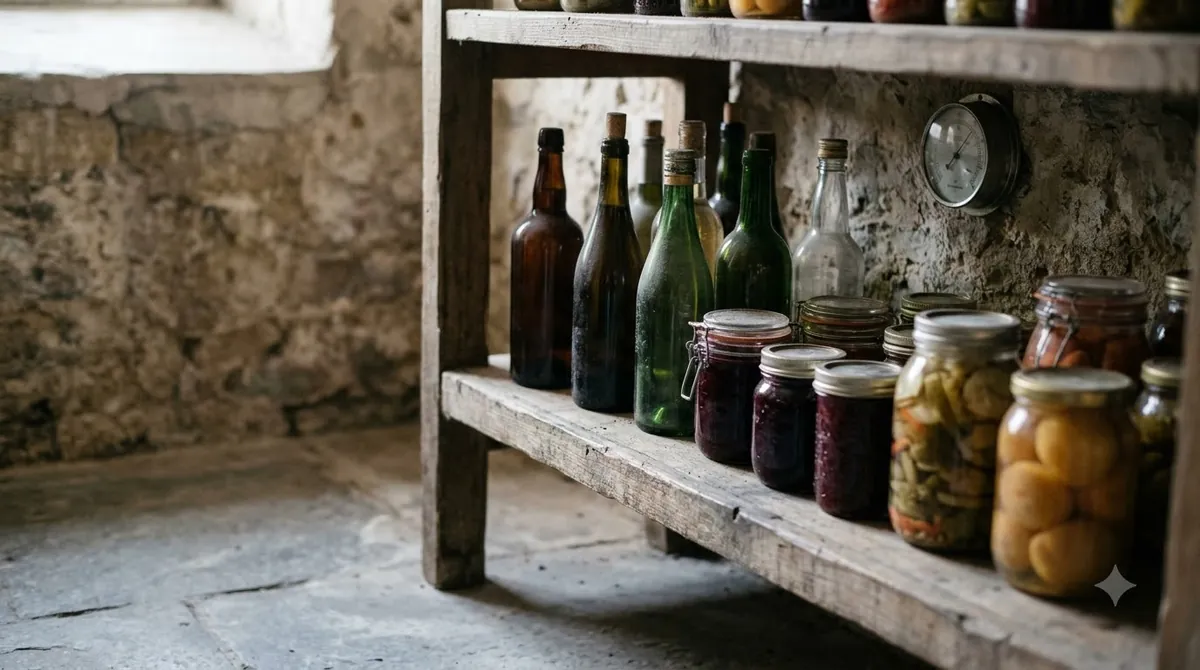
Young wine can contain suspended yeast, proteins, tannins, and other compounds. Given enough time, some of these settle naturally; fining can speed up clarification or help a winemaker adjust cloudiness, color, bitterness, or texture. Wine Enthusiast describes how traditional cellars use egg whites to bind with tannins in young red wine, while other agents target particles in white wine.
Several traditional fining materials come from animals. Egg albumen is made from egg whites, and casein is a milk protein. Isinglass comes from fish swim bladders, while gelatin is made from animal collagen, commonly sourced from hides or bones. Chitosan is another possible concern because it is commonly derived from crustacean shells, although fungal-derived chitosan is a different material and needs its source confirmed.
These agents are not interchangeable in every wine. Egg whites have been used to soften astringent tannins, especially in red wines; casein can help clarify white wine and address oxidative discoloration; and isinglass has been used to create a bright appearance in whites. Gelatin can be used in both red and white winemaking to remove selected compounds. Their purposes differ, but none of these animal-derived versions qualifies as vegan. There is also a vegetarian-versus-vegan distinction: egg albumen and milk casein may be acceptable to some vegetarians, but they are not vegan, while isinglass and gelatin are unsuitable for both groups. If a producer says only “vegetarian,” ask the additional question about vegan suitability.
Vegan-Friendly Alternatives Used in the Cellar
Winemakers can clarify wine without animal-derived fining agents. Common options include bentonite clay, PVPP, and activated charcoal; a producer can also allow wine to clarify through settling instead of fining.
Bentonite is a purified clay used to bind unstable proteins, particularly in white and rosé wines. PVPP is a synthetic processing material that can absorb selected phenolic compounds and color, while activated charcoal can remove certain unwanted aromas or flavors. These examples show why “fined” does not automatically mean “not vegan”: the material used for fining is what matters.
Some wineries choose among these alternatives according to the wine and the issue the winemaker wants to address. A winery may also avoid fining and give the wine more time for solids to settle before racking and bottling.
Terms on a label can help, but they need to be read precisely. “Unfined” means that the producer did not use a fining agent for that wine; it does not necessarily mean “unfiltered.” “Unfiltered” means the wine did not undergo filtration, but that word alone does not explain every processing aid used earlier. A filtered wine can still be vegan if its production did not involve animal-derived materials. Vegan status therefore does not dictate one appearance or style: a vegan Prosecco can be clear and polished after treatment with bentonite, or it may retain a slight haze if the producer chooses minimal processing. Neither clarity nor cloudiness is proof on its own. For more detail on the choices winemakers make across categories, see our overview of wine by type.
What Prosecco DOC Rules Tell You—and What They Do Not
Prosecco DOC rules define origin, grape composition, and production standards, but they do not establish that a wine is vegan. The designation helps identify a regulated Italian wine; it is not a certification of animal-free cellar practices.
According to the Consorzio Tutela Prosecco DOC, standard Prosecco DOC is based on Glera, with a limited allowance for other listed grapes. The sparkling version is made using natural secondary fermentation in sealed tanks, a process commonly called the Martinotti or Charmat method. That fermentation method creates the bubbles, while fining is a separate decision used to clarify or adjust the wine. The figures below show what the denomination can tell a buyer: they are product specifications, not vegan standards, and none identifies which clarification material a producer chose.
| Prosecco DOC detail | Figure | What it means |
|---|---|---|
| Glera in standard Prosecco DOC | At least 85% | Other permitted varieties together may make up no more than 15%. |
| Glera in Prosecco DOC Rosé | 85–90% | The rosé blend also includes Pinot Nero. |
| Pinot Nero in Prosecco DOC Rosé | 10–15% | The grape is vinified as a red wine to provide the rosé component. |
| Minimum total alcohol for sparkling DOC | 11.0% ABV | This is a denomination requirement, not a vegan indicator. |
| Rosé secondary-fermentation period | At least 60 days | The DOC production rules specify this minimum for the rosé sparkling process. |
These requirements appear in the Consorzio’s published Prosecco DOC production regulation. They help explain why a DOC bottle is recognizably Prosecco, but they do not require the producer to use bentonite rather than casein, or to avoid fining altogether. The tank method is sometimes mistaken for a vegan guarantee because it differs from bottle-fermented sparkling wine; it is not. Secondary fermentation explains how bubbles form, while clarification explains how suspended material is managed. A tank-fermented Prosecco can use vegan or animal-derived fining agents, just as a bottle-fermented sparkling wine can. The transition to autoclaves is part of the story told in our article on Prosecco history. Rosé Prosecco does not become more or less vegan simply because it has a pink color or includes Pinot Nero; the relevant question remains which substances were used to clarify and process the wine.
How to Check Whether a Bottle Is Vegan
The safest approach is to verify the exact bottle with a vegan certification or a clear statement from the winery. A generic brand description may not cover every Prosecco style, production site, or vintage made by that producer.
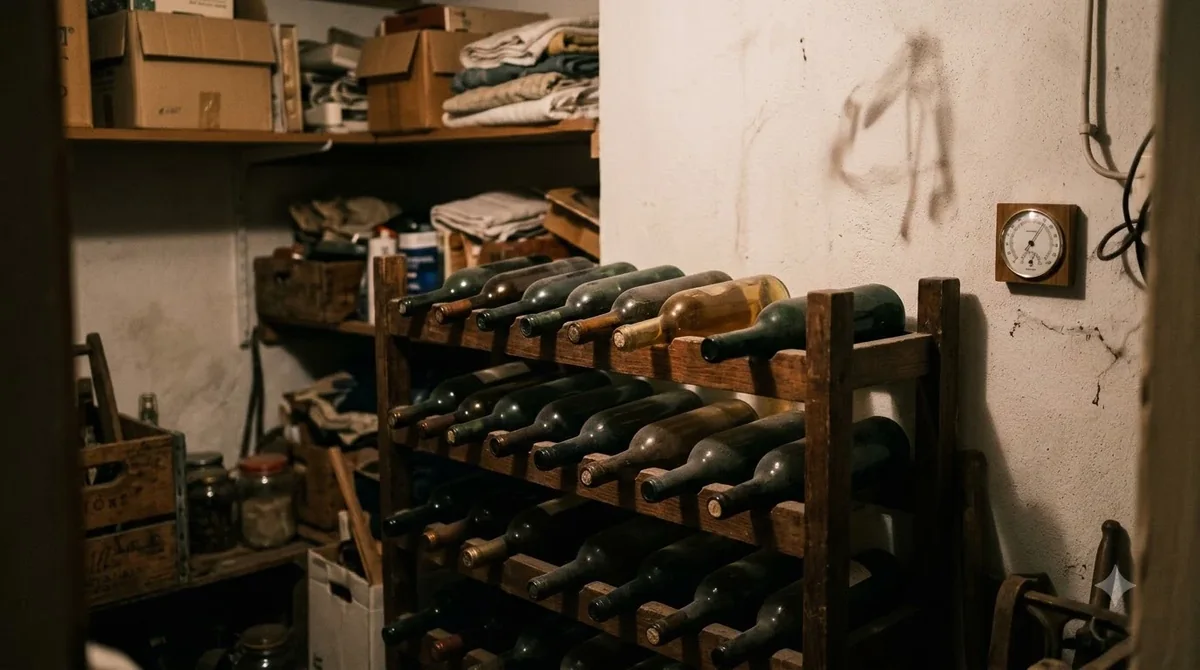
Start with the front and back labels. A recognized vegan mark or an explicit “suitable for vegans” statement is a useful first signal. A wine may qualify without displaying a vegan logo, however, because certification programs can involve costs and separate approval procedures. WSET notes that some producers make vegan wine without putting a certification mark on every bottle.
Next, visit the producer’s own product page for the exact wine. Check whether the claim applies to Prosecco DOC, Prosecco DOC Rosé, a particular cuvée, or the full range; a vegan statement for one bottle should not automatically be applied to every label under the same brand. When the site is unclear, contact the winery and ask: “Is this exact Prosecco made without animal-derived fining or processing aids, including egg albumen, casein, gelatin, isinglass, and animal-derived chitosan?” If the answer is yes, ask whether it applies to the current bottling and the specific product name. A direct answer about the process is more useful than a vague statement that the wine is “natural” or “clean.”
Do not treat “organic,” “biodynamic,” “sustainable,” “natural,” or “DOC” as synonyms for vegan. These terms address different production or origin standards: a wine can be certified organic and still be clarified with egg whites or milk casein, while a conventional wine can be vegan if the producer uses animal-free methods. Allergen information can provide clues, but it is not a complete vegan test. Egg or milk declarations are a clear reason to ask further questions, while the absence of those words does not prove that no animal fining agent was used. Some processing aids are removed before bottling and may not appear as ordinary ingredients on the finished bottle.
Tip: Save the producer’s written reply or the certification details with the exact wine name. That makes it easier to distinguish a confirmed vegan Prosecco from another style or bottling made by the same winery.
Serving Vegan Prosecco and Pairing It With Food
Once the bottle is confirmed vegan, serve it like other Prosecco: well chilled, in a glass that lets the aromas gather, and with food whose sweetness and intensity suit the wine. Vegan status affects how the wine was produced, not the basic serving temperature or pairing principles.
For a sparkling Prosecco, aim for about 40–50°F. A colder bottle can feel more refreshing, but extreme chilling can mute its floral and fruit aromas; letting a pour warm slightly in the glass can make notes of pear, apple, and citrus easier to notice. A 750 ml bottle yields about five standard 5 oz pours, which is a practical guide for planning a meal or small gathering.
Dry styles are useful with crisp, savory foods such as salted almonds, olive tapenade, vegetable fritters, and lemony white-bean dip. The wine’s acidity can refresh the palate after fried or oily foods, while bubbles provide a lively contrast to creamy plant-based spreads. For dishes with pronounced acidity, choose a Prosecco with enough freshness to match rather than a soft, low-acid drink.
Sweetness matters for dessert. A wine should be at least as sweet as the food alongside it, so a very dry Brut can taste sharp or thin next to a sugary pastry. A sweeter Prosecco style is usually a better fit for fruit tart, poached pear, or a chocolate dessert; our article on Prosecco with chocolate explores that pairing in more detail. For a simple plant-based spread, try crisp vegetable tempura, grilled zucchini, marinated artichokes, fresh strawberries, and almond biscotti. Keep very hot chili sauces modest: alcohol can make chili heat feel stronger, and a spicy dish can overwhelm a delicate sparkling wine. If serving a full meal, match the Prosecco’s sweetness and body to the food rather than choosing it only because it is sparkling.
Frequently Asked Questions
These quick answers cover common label and style questions that are separate from the winery’s choice of fining agent. In particular, sweetness terms such as Brut and Extra Dry, and the difference between Prosecco and Champagne, describe style or production rather than vegan status.
Does vegan Prosecco taste different from other Prosecco?
There is no inherent flavor difference caused by vegan status itself. Grape variety, growing conditions, fermentation choices, and the producer’s desired style have a much larger influence on aroma and taste than whether clarification used bentonite or an animal-free alternative.
Is Brut Prosecco automatically vegan?
No. Brut describes a dry sweetness category, not a winemaking or certification method. A Brut bottle can be made with animal-derived fining agents, while an Extra Dry or Dry bottle can be vegan if the producer avoids those materials.
Is Prosecco made the same way as Champagne?
No. Most Prosecco DOC sparkling wine receives its second fermentation in a sealed tank, while Champagne receives its second fermentation in the bottle. That distinction affects production and style, but neither method by itself proves that a wine is vegan.
Can a filtered sparkling wine still be vegan?
Yes. Filtration is a physical clarification step and does not automatically require animal material. The important question is whether any animal-derived fining or processing aid was used before the wine reached the filter.
Does vegan certification apply to every wine from the same producer?
Not necessarily. Certification and product statements may cover a defined wine, range, or production specification rather than every bottle a winery sells. Confirm the exact Prosecco name and style, especially when comparing a standard white bottling with a rosé or a separate special cuvée.
Prosecco can fit a vegan table, but the DOC name, grape blend, and bubbles do not settle the question. Choose a bottle with a clear vegan mark or a direct producer confirmation, then serve it chilled with food that matches its sweetness and acidity.
More in Wine Types & Grapes
 Zinfandel Sugar Content: Dry Red vs. White Zinfandel GramsUpdated Nov 21, 2026
 Best Zinfandel Substitute Options for Sipping and CookingUpdated Nov 21, 2026
 Zweigelt Food Pairing: Best Dishes, Cheeses, and Serving TipsUpdated Nov 21, 2026
 Zinfandel Tannins Explained: How Structure Shapes Every BottleUpdated Nov 21, 2026
 Zinfandel Sweetness Level: Dry Red vs. Sweet White Zin ExplainedUpdated Nov 21, 2026
 Xinomavro Food Pairing: Best Dishes, Styles, and Serving TipsUpdated Nov 21, 2026