

We may earn a commission when you buy through links on this page, at no extra cost to you. Learn more.
The simplest answer to how to store mead is to keep unopened bottles in a cool, dark place with steady temperatures, and refrigerate opened bottles promptly. Protect the bottle from sunlight, heat, and unnecessary movement, and limit the air left inside once you have poured a glass. The right storage period depends on the mead’s alcohol level, sweetness, fruit content, carbonation, closure, and the producer’s recommendations.
Mead is fermented honey wine, but it does not behave like one uniform product. A lightly sparkling session mead, a sweet traditional mead, and a fruit-rich melomel can respond differently to time and oxygen. Good storage is less about buying special equipment and more about matching the conditions to the bottle you have.
Choose a Cool, Dark Place for Unopened Mead
The best everyday location for an unopened bottle is a cool, dark spot where the temperature does not swing repeatedly. A pantry, interior closet, or wine cellar is usually a better choice than a sunny counter, a warm kitchen shelf, or a cabinet beside an oven.
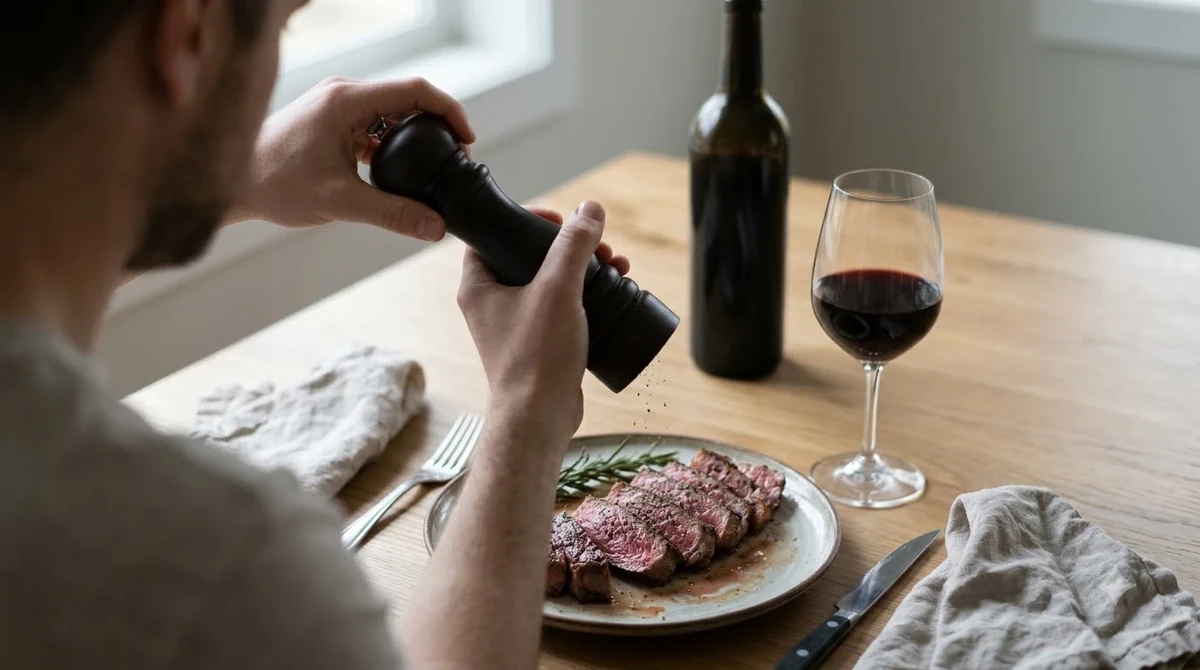
Heat speeds up the chemical reactions that change a mead’s aroma, flavor, and color. The Beer Judge Certification Program (BJCP) identifies heat, light, and mechanical agitation as factors that can degrade stored mead; when oxygen is present, those conditions can accelerate oxidation as well. In practical terms, keep bottles away from a radiator, a sunny window, the top of a refrigerator, and any appliance that releases heat. A steady cellar-like temperature near 55°F is a useful home target, not a universal temperature requirement for every mead.
Light matters even when a bottle is closed. Direct sunlight and strong indoor light can gradually mute delicate aromas, particularly in meads made to emphasize floral honey, fresh fruit, or herbs. An opaque cupboard or the original shipping carton provides a simple barrier. If you use a wine refrigerator, avoid repeatedly moving bottles between a cold refrigerator and a warm room for long-term storage; choose one stable location instead.
Keep the storage area dry and reasonably still. A bottle does not need to be disturbed while it ages, and repeated handling offers no benefit. Avoid a shelf above a washer, dryer, or other vibrating appliance, especially when you are keeping a bottle for months or years. For general background on how mead styles differ, the site’s Wine by Type overview can help put a traditional mead, fruit mead, and sparkling version in context.
Match Bottle Position and Closure to the Bottle
Store most mead bottles upright unless the producer gives a different instruction for the closure. A cool, dry shelf keeps the bottle stable, while the cap, cork, or swing top determines how well the mead is protected from oxygen over time.
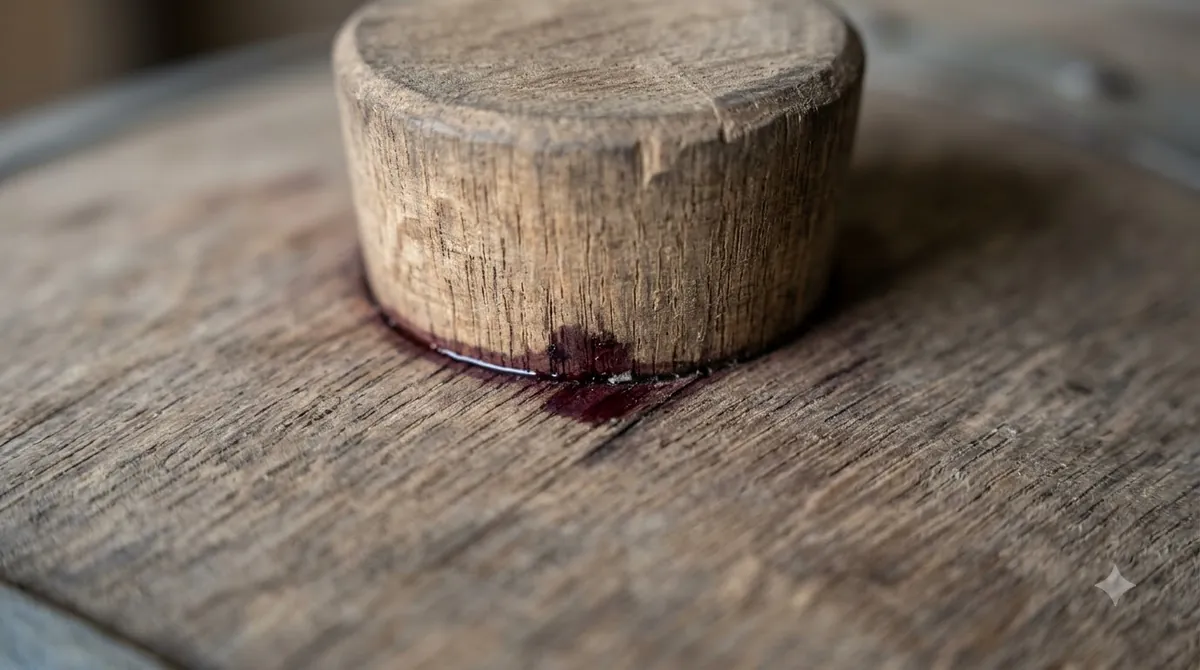
There is no single bottle-position rule shared by every meadery. Kinsale Mead Co. recommends storing its bottles upright in a cool, dry place away from direct sunlight. Superstition Meadery gives a more specific exception: a bottle with a cork, rather than a swing top, can be stored on its side when it will be aged longer than a few weeks. Those instructions are not interchangeable, because closure design and the producer’s bottling process matter. Follow the producer’s direction for that specific bottle rather than turning every mead bottle horizontally by habit.
The BJCP’s mead study material explains why closure quality matters. Synthetic corks can be effective oxygen barriers, while natural corks allow some oxygen to pass; traditional crown caps are described as less effective for very long aging. A wax dip can add an oxygen barrier to a bottle intended for long-term storage, but it cannot remove oxygen that entered during bottling. The most useful question is not whether a closure looks traditional, but whether it seals reliably and suits the intended storage period.
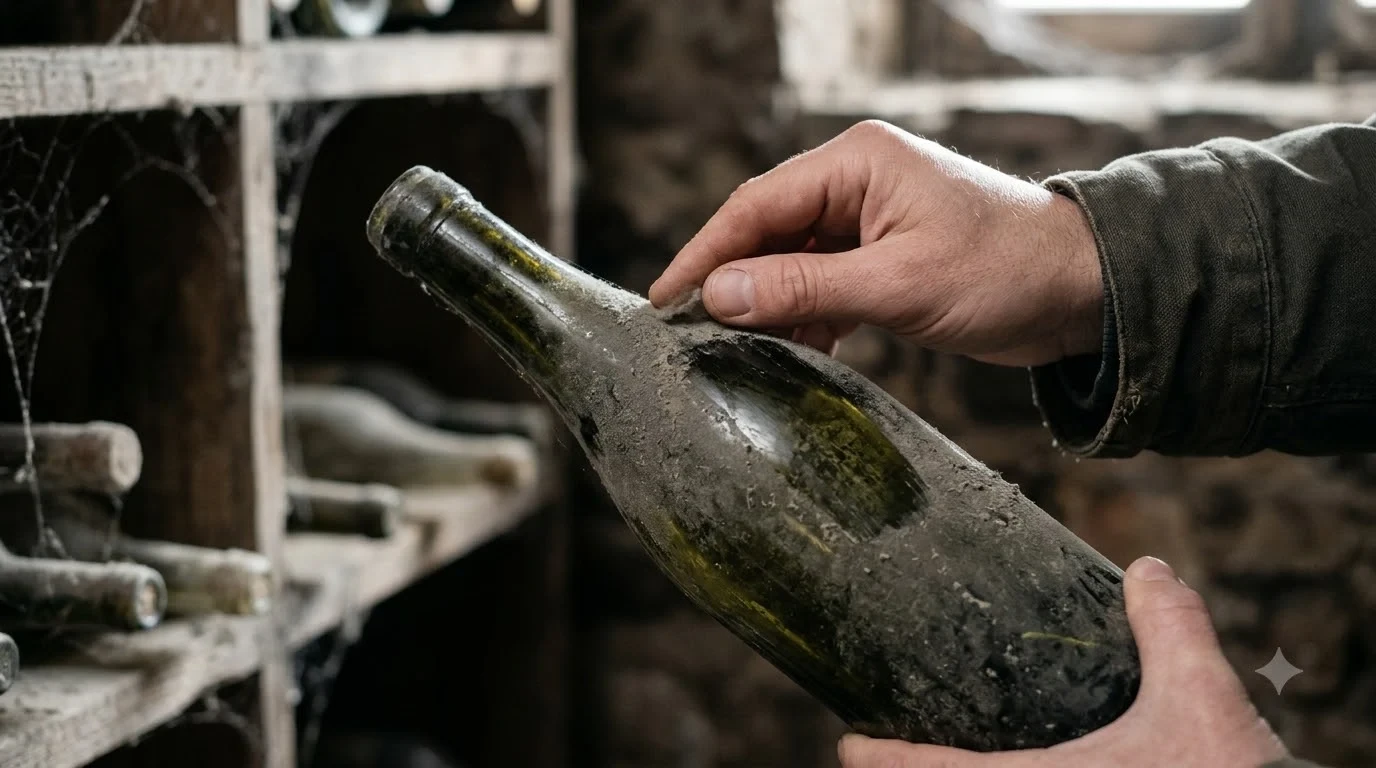
For bottles you plan to keep for years, inspect the closure before putting them away. A cork that sits unusually high, a sticky neck, seepage around the cap, or a loose swing top may signal a compromised seal. Set a questionable bottle aside for earlier opening rather than treating it as a dependable cellar bottle. For more detail on the unopened window, see how long mead lasts unopened; the answer varies by style and bottling, not just by the date you bought it.
Adjust Storage Expectations for Each Mead Style
Still, sparkling, fruit, and high-alcohol meads do not share one reliable shelf-life number. The table compares published producer recommendations; use them as examples of how widely advice can differ, not as guarantees for every bottle in the same category.
| Producer or style example | Unopened guidance | After opening | What the figures mean |
|---|---|---|---|
| Batch Mead canned products | Drink within 6 months | Producer’s general guidance: 1–3 days | Specific advice for that maker’s range |
| Batch Mead bottled products | Drink within 1–2 years | Producer’s general guidance: 1–3 days | Not a rule for all bottled mead |
| Orchid Cellar sparkling mead | 1–2 years | Within 24 hours | Unopened and opened recommendations for its sparkling meads |
| Kinsale Atlantic Dry Mead | At least 2 years | Flavor starts changing after 7 days | Kinsale’s published advice for this dry mead |
| Kinsale Wild Red and Hazy Summer | At least 2 years | About 2 weeks | Kinsale says fruit-skin components help these hold longer |
| Kinsale barrel-aged and semi-sweet examples | At least 2 years | Up to 4 weeks | Producer-specific advice, not a universal standard |
The differences are meaningful. Batch Mead recommends enjoying its opened bottles within 1–3 days, while Kinsale lists 7 days for Atlantic Dry, about 14 days for Wild Red and Hazy Summer, and up to 28 days for certain barrel-aged or semi-sweet bottles. Orchid Cellar recommends finishing its opened sparkling mead within 24 hours. Kinsale’s storage FAQ makes clear that these are style-specific recommendations, not a universal rule for all mead.
Fruit content, alcohol level, sweetness, acidity, tannin, residual yeast, and carbonation all affect how a mead changes. Superstition Meadery says its traditional meads tend to retain freshness longer than fruit-heavy meads, and that higher-alcohol versions generally last longer after opening than lower-alcohol session meads. That is a helpful pattern, but not permission to assume that every strong or sweet bottle will age well. A carefully made, stable mead with a sound seal has a different outlook from a low-alcohol, lightly carbonated product designed for fresh drinking.
Meads made with fruit or spices also need style-specific judgment. Fruit aromas can become less fresh as a bottle ages, while spice character may become more integrated or simply less vivid. A spiced mead intended for warming is still best stored like other finished mead, not left on a radiator or kept warm; the site’s guide to how to store mulled wine covers the separate handling question that comes up once a spiced drink has been heated. If you are unsure which family of mead you have, the label’s style description and the maker’s storage note are more useful than a generic shelf-life chart.
Refrigerate and Reseal Mead After Opening
Once a bottle is open, close it promptly, keep it cold, and reduce the amount of air inside. For most still meads, a tight stopper and refrigerator storage are the simplest way to slow flavor changes after each pour.
Oxygen enters the bottle as mead is poured and the remaining liquid is exposed to air. Over time, that contact can flatten fresh aromas, darken the color, and shift fruit notes toward dried or bruised-fruit character. The BJCP identifies oxygen control as the most important factor in successful long-term storage and recommends cool storage to limit post-fermentation oxidation. Its mead exam study guide also describes how oxygen, heat, light, and agitation can affect aroma and appearance.
For a still mead, replace the original cork or cap securely, or use a snug wine stopper. A vacuum pump can reduce the air in a bottle of still mead, and Kinsale Mead Co. specifically notes that a vacuum-pump closure can help after opening. Keep the bottle upright in the refrigerator so the remaining mead has less surface area exposed to the air. If only a small amount remains, transferring it carefully into a clean, smaller bottle can reduce headspace; pour gently rather than splashing, and make sure the new container has a reliable seal.
Sparkling mead needs a different closure. Use a stopper designed to hold pressure in sparkling wine rather than a vacuum pump, because the goal is to retain dissolved carbon dioxide as well as freshness. Chill the bottle promptly and keep it sealed between pours. The short window matters most here: Orchid Cellar recommends drinking its opened sparkling meads within 24 hours, while Batch Mead gives a 1–3 day general window for its opened products and advises a stopper plus refrigeration to preserve carbonation. A sparkling bottle that has gone flat may still be usable in a cocktail or cooking, but its original texture will not return. Do not treat a two-week rule as universal: Superstition Meadery suggests about 14 days for its opened bottles, while other makers recommend shorter or longer periods for their own products.
Tip: Write the opening date on a small piece of removable tape, then store the bottle upright in the refrigerator. For a still mead, use a tight stopper or vacuum closure; for a sparkling mead, use a pressure-rated sparkling-wine stopper instead.
Recognize Oxidation and Other Changes in an Older Bottle
Color and aroma changes can help you judge a mead, but a single visual change does not prove that it has spoiled. Look for a cluster of signs—especially a duller appearance, stale aromas, and a flavor that has lost its original balance—rather than relying on bottle age alone.
The BJCP describes oxidation as a process that can make mead darker and less brilliant, move fruit flavors from fresh toward dried fruit, and produce paper-like, wet-cardboard, almond, or nutty aromas. Some oxidation can create deliberate sherry-like complexity in certain styles, so not every nutty note is a defect. The distinction is whether the aroma and flavor fit the mead’s intended style and remain pleasant, or whether the drink has become flat, stale, harsh, or unpleasantly vinegary.
Inspect the bottle before opening. Leakage, sticky residue around the closure, a cork pushed out of position, or an unexpectedly bulging cap can indicate that the seal or pressure inside the bottle has changed. A still mead that unexpectedly gushes or shows strong new carbonation deserves caution, especially if the bottle was not sold as sparkling. A clearly contaminated surface or fuzzy growth is different from ordinary changes in color and clarity; do not taste a bottle that shows visible mold.
After opening, smell a small pour before serving it. A pronounced vinegar-like aroma, mold, or a flavor that is sharply unpleasant is a reason not to drink it. Do not assume that a sweet aroma guarantees freshness, or that a high alcohol level makes a damaged bottle immune to change. If the mead smells clean and tastes sound, a little evolution in color or dried-fruit character may simply reflect age; if the overall profile is unpleasant, discard it rather than trying to disguise it with mixers.
Frequently Asked Questions
These five answers cover common storage edge cases, including sediment, freezing, bottle fermentation, and the alcohol range associated with different mead styles.
Does sediment mean my mead has gone bad?
Not necessarily. A naturally conditioned or bottle-aged mead can contain settled yeast, fruit material, or lees, and a compact deposit may be a normal part of the bottle’s development. Stand the bottle upright for 24 hours before serving so the sediment can settle, then pour slowly and leave the final cloudy portion behind.
Can I freeze mead to make it last longer?
Freezing is not a good preservation method for a sealed glass bottle. Liquid expands as it freezes, which can push out a closure or crack the glass, and thawing will not restore any lost carbonation. Use a refrigerator for chilling and ordinary cool, dark storage for unopened bottles instead.
Can mead keep fermenting after it is bottled?
Yes, if fermentable sugar and active yeast remain, fermentation can continue in the bottle and create additional carbon dioxide. That can be intentional in a bottle-conditioned sparkling mead, but unintended pressure can also make a still bottle gush or break. Home mead should be fully fermented and appropriately stabilized before it is sealed for still storage.
Will every mead improve if I age it for several years?
No. Aging can soften some flavors and develop complexity, but it cannot reliably improve every recipe or correct poor bottling. Light, fresh, low-alcohol meads are often intended for earlier drinking, while some stronger, structured meads are better candidates for extended cellaring; the maker’s intended drinking window is the best starting point.
What do session mead and sack mead mean?
Session meads are lower in alcohol; Kinsale Mead Co. describes this category as roughly 4% to 8% ABV. Sack mead is a much stronger, often sweet style, and Kinsale notes examples can reach 16% ABV or higher. Those labels help set expectations, but alcohol percentage alone does not determine how long a specific bottle will keep.
For dependable results, give unopened mead a cool, dark, stable home and protect the closure from damage. After opening, refrigerate and reseal it promptly, then follow the producer’s timing for the specific style rather than relying on a universal number. A little attention to light, temperature, and air will help preserve the honey, fruit, and spice character that made the bottle worth saving.
More in Wine Types & Grapes
 Zinfandel Sugar Content: Dry Red vs. White Zinfandel GramsUpdated Nov 21, 2026
 Best Zinfandel Substitute Options for Sipping and CookingUpdated Nov 21, 2026
 Zweigelt Food Pairing: Best Dishes, Cheeses, and Serving TipsUpdated Nov 21, 2026
 Zinfandel Tannins Explained: How Structure Shapes Every BottleUpdated Nov 21, 2026
 Zinfandel Sweetness Level: Dry Red vs. Sweet White Zin ExplainedUpdated Nov 21, 2026
 Xinomavro Food Pairing: Best Dishes, Styles, and Serving TipsUpdated Nov 21, 2026