
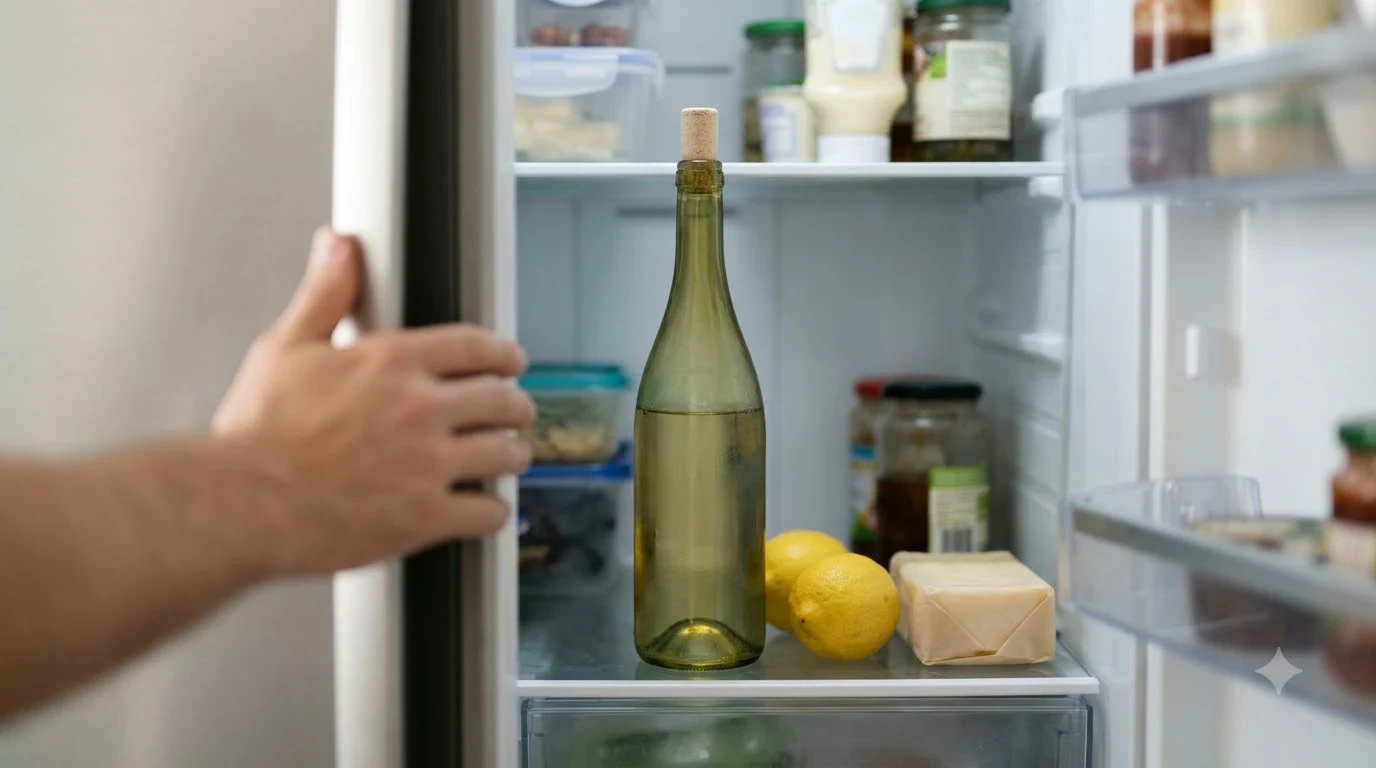

We may earn a commission when you buy through links on this page, at no extra cost to you. Learn more.
how long does cabernet sauvignon last unopened? Most everyday bottles are best enjoyed within 3 to 5 years of their vintage, while well-made, age-worthy examples can develop for 10 to 20 years or considerably longer. The difference comes down to the wine’s structure, quality, vintage, and storage conditions. Keeping an unopened bottle cool, dark, and at a steady temperature helps preserve its fruit and allows its tannins to develop as intended.
An unopened Cabernet Sauvignon can be an easy bottle to save for a special dinner, but keeping it for longer does not automatically make it better. Some bottles are made to deliver generous fruit while young, whereas others have the concentration and balance to reward years of careful cellaring. Understanding the difference helps you decide whether to open the bottle this weekend or give it more time.
How Long Does Cabernet Sauvignon Last Unopened?
Most everyday Cabernet Sauvignon is best enjoyed within 3 to 5 years of its vintage. Better-structured bottles can develop over 10 to 20 years, and exceptional examples from established regions such as Bordeaux and Napa Valley may remain rewarding for several decades.
For a typical supermarket or casual-dinner Cabernet, a long cellar stay is rarely necessary. These wines are generally made to show appealing dark fruit, accessible tannins, and a rounded texture without requiring years of bottle development. Holding one for another decade will not necessarily create additional complexity. It may instead leave the wine with less fresh fruit and a less lively finish. The vintage year provides a useful starting point because it identifies the harvest that produced the wine, rather than the date you bought it.
| Cabernet Sauvignon style | Typical unopened aging window | Practical approach |
|---|---|---|
| Everyday, fruit-forward Cabernet | 3–5 years | Enjoy while its primary fruit is fresh. |
| Well-made regional Cabernet | 5–10 years | Allow additional time when the wine has good structure. |
| Age-worthy premium Cabernet | 10–20 years | Follow the producer’s drinking window and store carefully. |
| Exceptional collectible Cabernet | 20–30 years or longer | Use reliable provenance and consistent cellar conditions. |
These are practical guidelines rather than expiration dates. Decanter describes everyday Cabernet Sauvignon as generally ready within three to five years of its vintage, while top Bordeaux and Napa Valley examples can evolve for several decades. Wine Enthusiast also identifies a broad aging capacity of 10 to 20 years for Cabernet Sauvignon, with particularly exceptional examples sometimes lasting 50 years or more. Those longest windows apply to wines with the concentration, balance, and storage history to support extended aging, not every bottle carrying the grape’s name.
The important distinction is between how long a wine can remain drinkable and how long it can stay at its best. A bottle may remain drinkable after its prime, but its fruit, aroma, and texture may become less appealing. For everyday wine, the recommended window is usually the better target than the maximum possible lifespan.
What Gives Cabernet Sauvignon Its Aging Potential?
Cabernet Sauvignon often ages well because it combines firm tannins, concentrated fruit, and supporting acidity. These structural qualities give certain bottles the ability to change gradually in the cellar instead of losing their balance soon after release.
Tannins are a major part of Cabernet Sauvignon’s identity. They create the drying, grippy sensation around the gums that many drinkers notice in a young glass. The grape’s thick skins and relatively small berries contribute to this firm structure, which can help a wine maintain its shape as it develops. With time, the texture may feel less angular, allowing the wine’s fruit and savory characteristics to work together more smoothly.
Acidity is another important part of the equation. A wine needs enough freshness to balance its alcohol, fruit concentration, and tannin. Without that balance, a Cabernet may seem heavy or harsh when young, and more time in the bottle will not necessarily solve the problem. A wine with concentrated fruit and well-integrated acidity has a better foundation for a gradual evolution.
Winemaking also influences how long Cabernet Sauvignon can last. Many examples spend time in oak before bottling; Wine Enthusiast notes that six to 24 months of barrel maturation is common. Oak can contribute structure and flavors associated with cedar, spice, or toast, but barrel time alone does not guarantee a long drinking window. The quality of the grapes, extraction choices, acidity, tannin management, and the wine’s overall balance matter more than simply using a new barrel or holding a bottle for a long time.
Decanter’s Cabernet Sauvignon grape guide describes the variety’s assertive tannins and affinity with oak as important reasons it can improve in bottle over years or decades. This potential is especially relevant to wines made for extended aging, rather than every Cabernet Sauvignon sold for immediate enjoyment.
How to Store Unopened Cabernet Sauvignon
Consistent temperature is the foundation of good Cabernet Sauvignon storage. Aim for approximately 55°F, keep the bottle away from direct light, and avoid places where daily temperature changes are common.
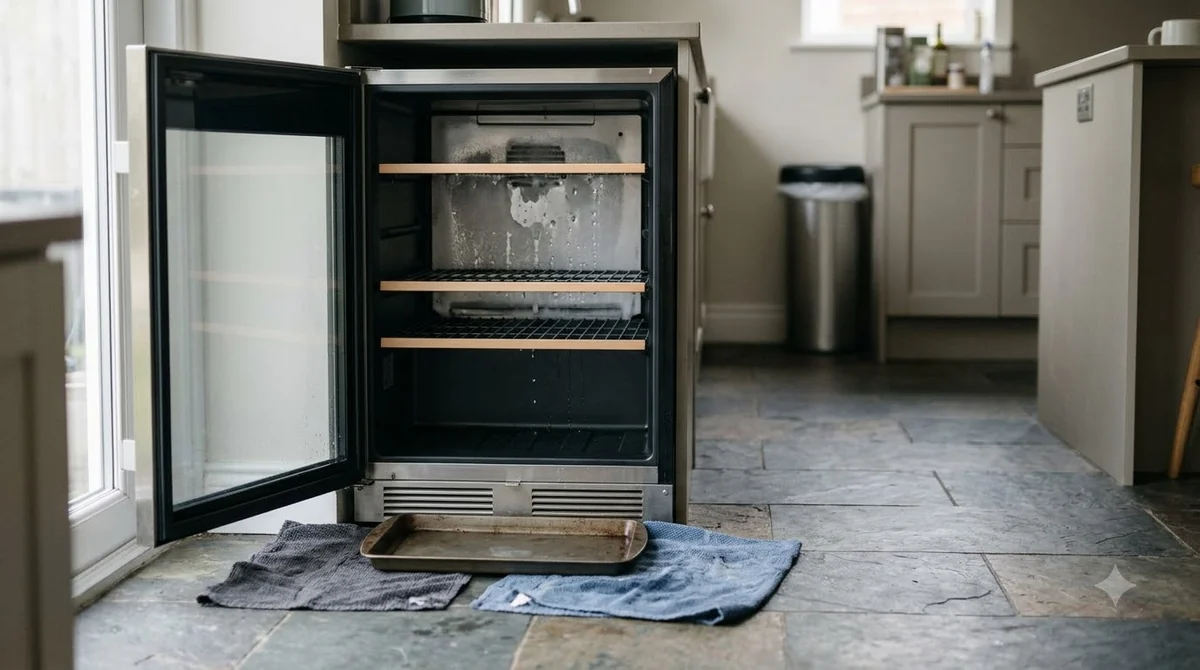
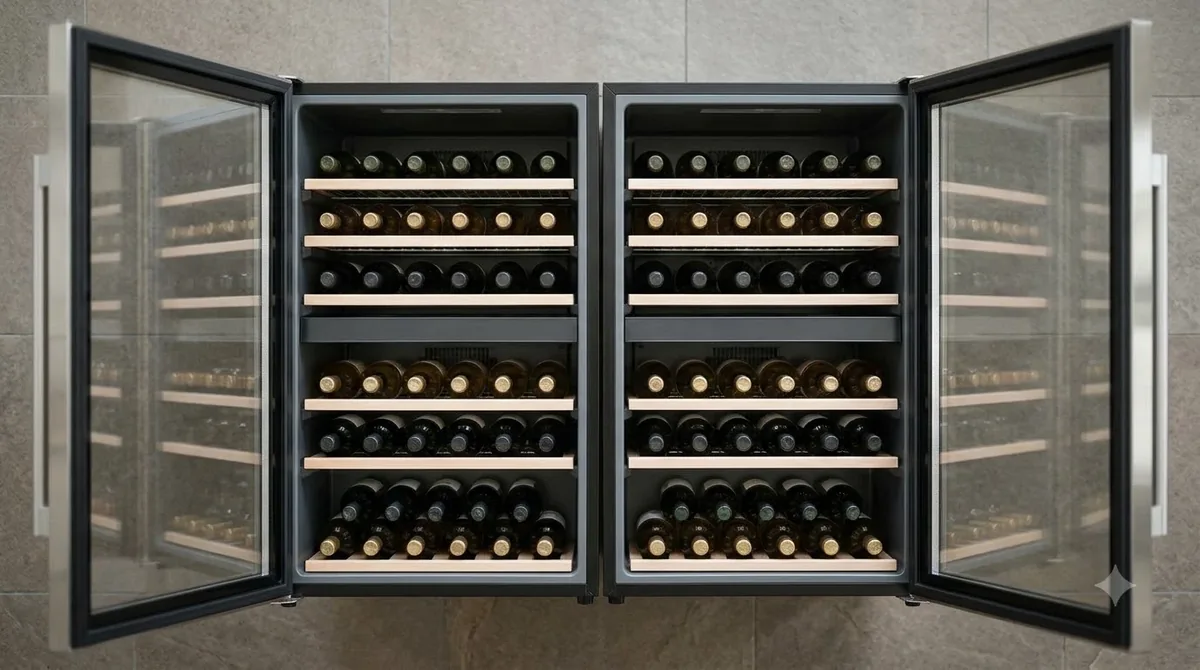
A wine cellar or temperature-controlled wine refrigerator is a reliable option for bottles you plan to hold for several years. Wine Enthusiast recommends a storage range of 53–57°F, which works for Cabernet Sauvignon and other wines intended for gradual development. A cool basement or interior storage area can also work when its temperature remains stable throughout the year. A cabinet beside an oven, a shelf above a refrigerator, or a sunny kitchen counter is less suitable because heat from appliances and sunlight can create conditions that accelerate unwanted changes.
For a bottle sealed with a natural cork, horizontal storage helps keep the cork in contact with the wine. This reduces the chance of the cork drying out and losing its seal. For longer-term storage, humidity matters as well: a relative humidity range around 50–75 percent helps prevent corks from drying. A screw-cap bottle does not need to lie on its side for cork maintenance, although it still benefits from a cool, dark, stable environment.
Tip: Choose the coolest stable storage location in your home, rather than the coldest spot you can find. A steady temperature near 55°F is more useful for aging Cabernet Sauvignon than repeatedly moving the bottle between warm and cold locations.
Position matters less than consistency when a bottle will be opened within a relatively short period, but it becomes more important for a collection intended to age for years. Try to store the bottle where it will not be knocked, shifted, or frequently handled. Constant movement can interfere with quiet bottle development. If you are comparing storage needs across different wine styles, the articles on how long does sauvignon blanc last unopened and how long does boxed wine last unopened explain why packaging, style, and intended drinking time can lead to different storage expectations.
Choosing a Drinking Window by Style and Origin
Cabernet Sauvignon’s origin and style offer helpful clues about its aging potential. Everyday bottlings from many regions are intended for relatively early enjoyment, while structured wines from Bordeaux, Napa Valley, and other quality-focused regions may be suitable for longer cellaring.
Bordeaux is one of the classic homes of Cabernet Sauvignon, particularly the Médoc on the Left Bank. Gravelly soils, a favorable growing environment, and blending traditions help produce wines with structure and complexity. Cabernet Sauvignon is often combined with Merlot, Cabernet Franc, and Petit Verdot in Bordeaux blends. The proportions and character of those grapes vary by producer and vintage, so two wines from the same broad area can have different drinking windows.
Napa Valley is another important source of age-worthy Cabernet Sauvignon. Some wines are made with concentrated fruit, substantial tannin, and oak influence intended to support a long period of development. Others emphasize ripe fruit and accessibility, making them enjoyable much earlier. A Napa Valley label is not, by itself, a reason to keep a bottle for 20 years. The producer’s stated drinking window and the wine’s overall style provide more useful guidance.
Cabernet Sauvignon is also produced in Chile, Australia, Tuscany, Washington State, and other regions. These places make a wide range of styles, from approachable bottles intended for a weeknight meal to wines with enough concentration for extended aging. Decanter notes that Cabernet Sauvignon can produce both affordable everyday reds and wines of considerable finesse in regions including Bordeaux, California, Tuscany, and Australia. The grape variety therefore gives a starting point, not a universal storage deadline.
For a bottle with a clear producer drinking window, use that as the first reference. A recommendation such as drink between five and ten years after the vintage is more useful than assuming every Cabernet should be held for a decade. If the producer provides no guidance, consider the wine’s style, vintage reputation, and storage history before deciding how long to keep it.
For a broader introduction to the differences among grape varieties, regions, and wine styles, the Wine by Type resource can help put Cabernet Sauvignon in context. This is particularly useful when a wine is a blend rather than a single-variety bottling.
How to Recognize a Cabernet That Has Passed Its Peak
An older Cabernet Sauvignon does not automatically become spoiled, but its quality can decline after the ideal drinking window. Changes in color, aroma, and flavor can help you decide whether the wine is still developing pleasantly or has lost much of its original character.
Young Cabernet Sauvignon often has a deep ruby or purple appearance, with blackcurrant, black cherry, and plum aromas. As it matures, the color can shift toward garnet or brick red, especially around the rim of the glass. Its aromas may become more savory, with cedar, tobacco, leather, dried herbs, and earthy notes replacing some of the brighter primary fruit. These changes can be signs of normal maturation, not spoilage.
The balance of the wine is more informative than color alone. A mature bottle that remains enjoyable should still have some freshness, structure, and harmony among its flavors. Tannins may become softer, while acidity gives the wine enough lift to avoid seeming flat. If the fruit has largely disappeared, the aroma seems tired, and the finish is unusually short or dull, the wine may have moved beyond its best stage.
Storage damage can produce a different set of warning signs. A cork that has pushed noticeably upward, wine seeping around the cork, or a sticky residue near the capsule can suggest that the bottle has experienced excess heat or pressure. On opening, aromas resembling cooked fruit, vinegar, or damp cardboard may indicate faults rather than normal bottle development. No single visual clue proves a wine is undrinkable, but several warning signs together are a reason to be cautious.
For an older bottle, assess the wine after pouring a small amount into a glass. Give it a little time and see whether the aroma and flavor become more expressive. A mature Cabernet that opens with cedar, dried fruit, and balanced acidity may be in a very appealing stage even if it no longer resembles a young bottle.
Opening and Serving an Older Cabernet Sauvignon
Serving temperature and careful handling help preserve the character of an aged Cabernet Sauvignon. A full-bodied red is generally best served at 60–65°F, while a young, structured bottle can benefit from 30–60 minutes of decanting.
For a mature bottle, avoid assuming that more air is always better. Older wines can be more delicate than younger examples, and prolonged exposure to oxygen may cause their aromas and flavors to fade. Open the bottle carefully, pour a small sample, and assess its condition before deciding whether it needs additional air. A younger full-bodied Cabernet may open up with half an hour in a decanter, but an older bottle may be best served with minimal aeration.
Allowing the bottle to reach an appropriate serving temperature can also make a difference. A Cabernet served too warm can seem more alcoholic, while a bottle served too cold may hide its aromas and make its tannins feel firmer. If the wine has been stored near 55°F, it may already be close to a suitable serving temperature. Give it a short period at room temperature if needed, rather than leaving it beside a heat source.
Use a large wine glass that gives the wine enough space to release its aroma. A 5-ounce pour is a practical serving size, and a standard 750 mL bottle contains about five such glasses. Serve the wine alongside foods that suit its structure, such as grilled beef, lamb, roasted mushrooms, or aged hard cheese. Salt and fat can soften the perception of tannin, making a structured Cabernet feel more balanced at the table.
Once opened, Cabernet Sauvignon is a different storage question from an unopened bottle. Reseal it and keep it in the refrigerator; most still wines are best consumed within three to five days after opening. That short post-opening window should not be confused with the years an unopened, properly stored Cabernet can remain in good condition.
Frequently Asked Questions
Does a larger bottle of Cabernet Sauvignon age more slowly?
Generally, yes. A 1.5-liter magnum contains twice the wine of a standard 750 mL bottle but does not have twice the air space, so the oxygen exposure relative to the wine volume is lower. The larger format often develops more slowly, while a 375 mL half-bottle can mature sooner than the same wine in a standard bottle.
Is sediment in an old Cabernet Sauvignon a sign that it has spoiled?
Not necessarily. Sediment can form as natural color compounds and tannins combine and settle during bottle aging. It is generally harmless, although it can make the wine cloudy or gritty if poured into the glass. Let the bottle stand upright before serving and pour carefully to leave the deposit behind.
Can Cabernet Sauvignon age under a screw cap?
Yes. A screw cap does not automatically make a Cabernet Sauvignon unsuitable for aging. The closure’s liner and oxygen transmission characteristics influence how the wine develops, so the wine’s structure and the producer’s intended drinking window remain more useful guides than the closure type alone.
Does a stained cork mean an unopened Cabernet Sauvignon is bad?
A small wine stain on the side of a natural cork can occur without indicating a serious fault. A cork that is pushed well above the bottle rim, feels unusually loose, or is accompanied by clear seepage deserves more attention. These signs may point to exposure to heat or a compromised seal, although tasting the wine is still necessary to judge its condition.
What does the vintage year on a Cabernet Sauvignon label mean?
The vintage year generally identifies the year the grapes were harvested, not the year the wine was purchased or opened. A bottle labeled with a 2018 vintage, for example, was made from grapes harvested in 2018, even if it was bottled or released later. This distinction helps you calculate its approximate age and compare it with a producer’s recommended drinking window.
Most unopened Cabernet Sauvignon is best enjoyed within three to five years, but well-made bottles with the right balance and structure can reward much longer cellaring. Keep the wine near 55°F, protect it from light and temperature swings, and use the producer’s drinking window to guide your decision. The best time to open a bottle is when its style, age, and condition come together in a way you will enjoy.
More in Wine Types & Grapes
 Zinfandel Sugar Content: Dry Red vs. White Zinfandel GramsUpdated Nov 21, 2026
 Best Zinfandel Substitute Options for Sipping and CookingUpdated Nov 21, 2026
 Zweigelt Food Pairing: Best Dishes, Cheeses, and Serving TipsUpdated Nov 21, 2026
 Zinfandel Tannins Explained: How Structure Shapes Every BottleUpdated Nov 21, 2026
 Zinfandel Sweetness Level: Dry Red vs. Sweet White Zin ExplainedUpdated Nov 21, 2026
 Xinomavro Food Pairing: Best Dishes, Styles, and Serving TipsUpdated Nov 21, 2026