

We may earn a commission when you buy through links on this page, at no extra cost to you. Learn more.
Grenache Tasting Notes most often feature ripe strawberry, raspberry, and cherry, joined by white pepper, warm spice, and a generous, rounded palate. Red Grenache is typically medium- to full-bodied, with moderate or softer tannins and acidity that can feel low to medium. The grape also makes fresh, fruit-forward rosé and, in some regions, fortified wine. Its exact character changes with climate, site, ripeness, and whether it is bottled alone or blended.
Grenache is called Garnacha in Spain, where it has a long history, and it is a leading red grape in the southern Rhône Valley of France. Learning its usual aromas and texture gives you a useful starting point for tasting bottles from Châteauneuf-du-Pape, Priorat, Navarra, Barossa Valley, McLaren Vale, and beyond.
Grenache Tasting Notes: Fruit, Spice, and Savory Detail
The clearest Grenache signature is ripe red fruit, especially strawberry, raspberry, and cherry, with white pepper and baking-spice accents. Depending on ripeness and origin, the fruit can shift toward plum, blackberry, or blackcurrant, while dried herbs and earthy notes add complexity.
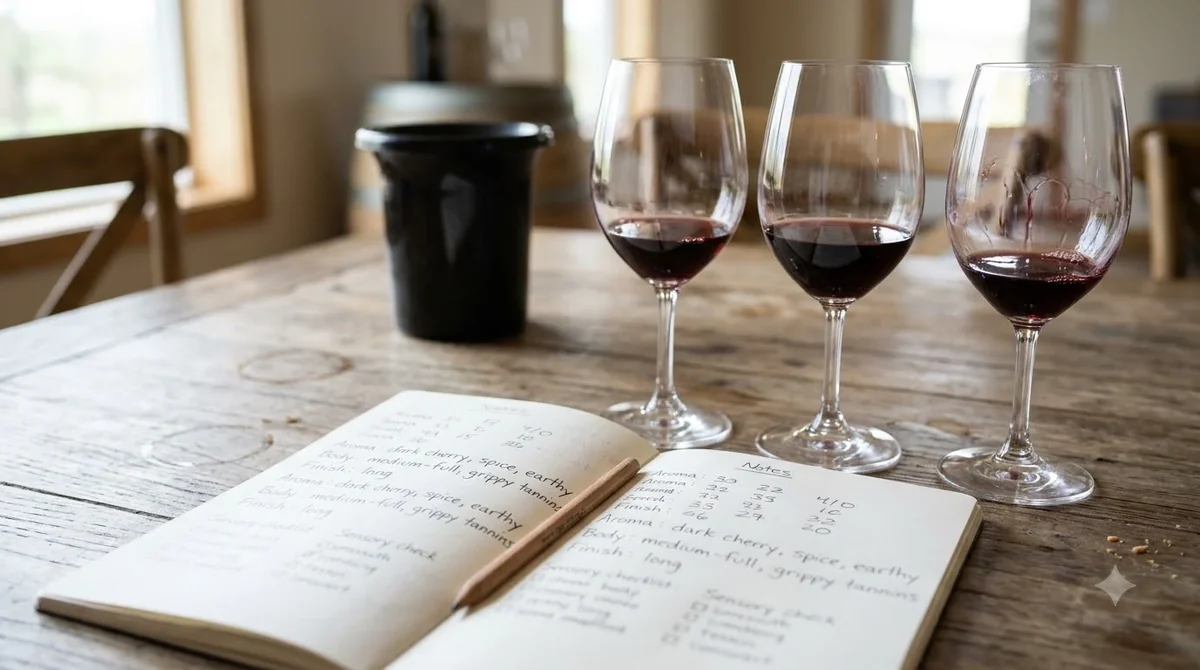
On the nose, look first for fresh or cooked red berries. A cooler-site or earlier-picked example may suggest tart cherry, raspberry, and red currant; a warmer, riper wine can move toward strawberry jam, stewed plum, and dark berry preserve. The fruit may smell sweet and vivid even when the wine is fully dry. That contrast is useful: aroma describes what you smell, not the wine’s actual sugar level.
White pepper is a helpful clue, but it is not the only spice note to look for. Grenache may show cinnamon, clove, anise, or a gentle heat-like impression, alongside dried thyme, rosemary, leather, or a faint earthy character as it develops. Wine Enthusiast’s Grenache varietal profile also singles out white pepper, strawberry, raspberry, and tart cherry as recognizable markers. In the southern Rhône, regional descriptions point to blackcurrant and blackberry in young Grenache-based wines, with a more pronounced spicy character after age. A well-made bottle should have fruit, spice, and savory notes working together rather than one aroma covering everything else.
Color can provide context, although it is not a reliable quality test. Red Grenache often appears ruby to garnet, and its relatively thin skins also make it useful for rosé production. A rosé made with Grenache can show strawberry, raspberry, red citrus, and soft herbal notes, with a lighter color and less grip than a red version. Do not expect every Grenache to taste like strawberry: site, harvest decisions, extraction, and blending all affect the final glass.
Acidity, Tannin, Body, and Alcohol
Grenache usually feels generous and rounded rather than sharply acidic or aggressively tannic. Many examples have medium to full body, low-to-medium acidity, soft-to-medium tannins, and noticeable alcohol warmth, though climate and winemaking can move the balance in either direction.
Acidity is often the part that surprises people who expect a bright, refreshing red. Grenache ripens well in warm, dry places, and its natural profile can be relatively low in acidity. In a balanced wine, ripe fruit is supported by enough freshness to keep the finish lively. Cooler sites, higher elevations, earlier picking, and careful harvest choices can help preserve that lift. Decanter’s account of Grenache across different growing areas notes that cooler climates and higher elevations tend to produce more restrained wines with better-balanced acidity, while warmer places can yield denser, more powerful styles.
Tannin is usually less firm than in Cabernet Sauvignon or many young Syrah wines. The texture may feel smooth, fine, or gently drying around the gums rather than strongly grippy. That does not mean Grenache has no structure: concentrated wines, old-vine examples, and blends with varieties such as Syrah or Mourvèdre can bring more weight and firmness. For a useful comparison, petit verdot tasting notes help illustrate a more deeply colored, more tannic red-grape profile.
Alcohol warmth is another common feature. Grenache ripens late and can accumulate substantial sugar in warm conditions, giving the finished wine a warming sensation in the throat and a broad, ripe impression on the palate. Alcohol should feel integrated with fruit and body, not like a sharp burn. A wine that is very ripe and high in alcohol may feel fuller and softer, while a fresher example can seem lighter even if its fruit remains intense.
Regional Differences from the Rhône to Spain and Australia
Grenache expresses place clearly: southern French wines often combine ripe berry fruit with herbs and spice, Spanish Garnacha can range from juicy and direct to deep and concentrated, and Australian examples may emphasize vivid fruit and warmth. Look at the region and the blend before assuming a bottle will match a single tasting template.
In the southern Rhône Valley, Grenache noir is a central red variety, commonly blended with Syrah, Mourvèdre, Carignan, and Cinsault. The regional wine body identifies Grenache and Mourvèdre as especially prevalent in the south, while Syrah is more dominant in the north. In appellations such as Châteauneuf-du-Pape, Gigondas, and Vacqueyras, Grenache can contribute ripe red and black fruit, body, and spice. The Côtes du Rhône regional overview describes Grenache as suited to hot summers and dry conditions, and notes its blackcurrant and blackberry character when young.
Spain uses the name Garnacha, and the grape is important in areas including Priorat, Rioja, Navarra, and Aragón. Its style depends on elevation, soil, vine age, and local practice. A lively Garnacha may lead with raspberry, red cherry, and pepper, while a more concentrated Priorat wine can show darker fruit, firmer structure, and an earthy or mineral edge. In Rioja, Garnacha may appear alongside Tempranillo; comparing it with Tempranillo tasting notes can help separate Grenache’s ripe, broad fruit from Tempranillo’s often firmer, more savory profile.
Australia’s Barossa Valley and McLaren Vale are recognized homes for expressive Grenache, including wines from old bush vines. Decanter highlights these areas alongside Châteauneuf-du-Pape as places where old, low-yielding Grenache can reach a particularly compelling expression. California also grows the grape, including in warmer parts of the state, where the profile may emphasize ripe berries, spice, and body. Across all these regions, cooler or higher-altitude sites tend to retain more freshness, while warmer places more readily produce darker fruit and a fuller, more warming style.
How Vineyard Choices, Blending, and Age Shape the Wine
Grenache’s thin skins, late ripening, and preference for warm, dry growing conditions influence both its flavor and its role in the cellar. Vineyard decisions and blending can make the finished wine feel brighter and more aromatic or darker, richer, and more structured.
Grenache is well suited to hot, dry climates and is known for tolerating wind; the Rhône’s Mistral is one reason that trait matters in the region. Its late ripening gives growers a long window for flavor development, but it also means the grapes can reach high sugar levels. Harvest timing therefore matters: picking earlier can preserve freshness, while waiting for fuller ripeness can intensify fruit and alcohol. Water availability, soil, elevation, and exposure also influence how quickly the berries mature.
In a single-variety wine, Grenache can show its own red-fruit, spice, and warm-textured character without another grape filling in the edges. In a Rhône-style blend, Syrah may add darker color, structure, and peppery depth, while Mourvèdre can contribute firmer tannin and savory complexity. Other varieties may add freshness or aromatic lift. The proportions are not fixed across every producer or appellation, so two wines from the same broad region can taste quite different.
Age changes the balance of fruit and savory detail. Young Grenache often emphasizes strawberry, raspberry, cherry, and pepper; with time, fresh fruit can move toward dried berry, leather, tobacco, dried herbs, and earthy spice. Not every bottle is intended for long cellaring: simple, fruit-led wines are often most enjoyable while their primary fruit is vivid, while concentrated examples from strong sites and serious blends may develop additional complexity. Dense, young red wines can benefit from a short rest in a decanter; for a particularly full, youthful Grenache, try 30 to 60 minutes and reassess rather than automatically leaving it open for hours.
How to Taste and Serve Grenache
A thoughtful tasting sequence makes Grenache’s fruit, spice, texture, and alcohol easier to identify. Use a clear glass, serve the wine slightly cool, and taste it before food so that the wine’s acidity and tannin are easier to assess.
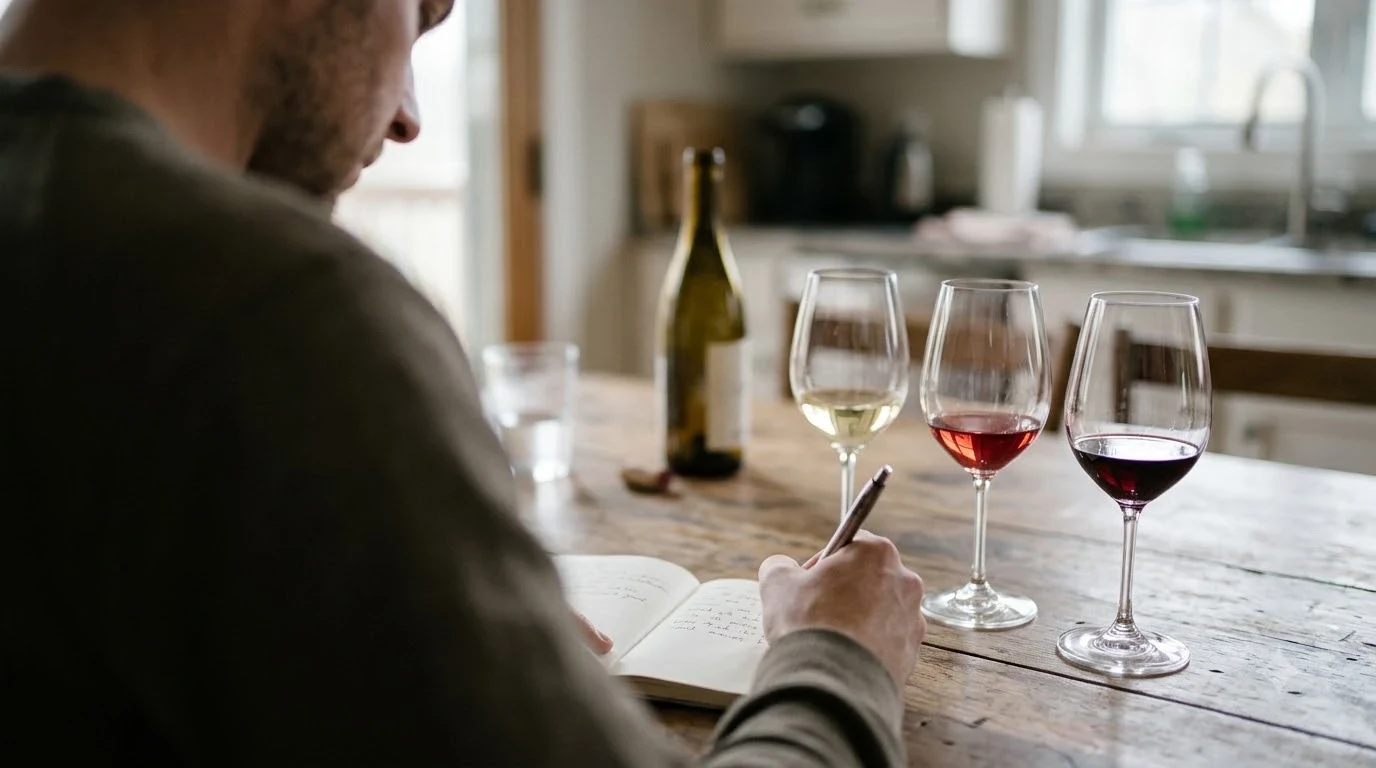
Start with the appearance. Tilt the glass against a white surface and note whether the wine is pale ruby, medium ruby, or deep garnet. Then smell before swirling: look for strawberry, raspberry, cherry, and pepper. Swirl gently and smell again for deeper fruit, herbs, baking spice, or earthy notes. Rather than trying to identify every possible aroma, choose the two or three that seem most distinct.
Take a small sip and notice the sequence. Does red fruit arrive first, followed by pepper or herbs? Does the wine feel light, medium, or full on the tongue? Check whether acidity makes your mouth water, whether tannin dries the gums, and whether alcohol warmth builds toward the finish. A useful note records the dominant fruit, one or two secondary aromas, the body, acidity, tannin, alcohol impression, and the length of the finish.
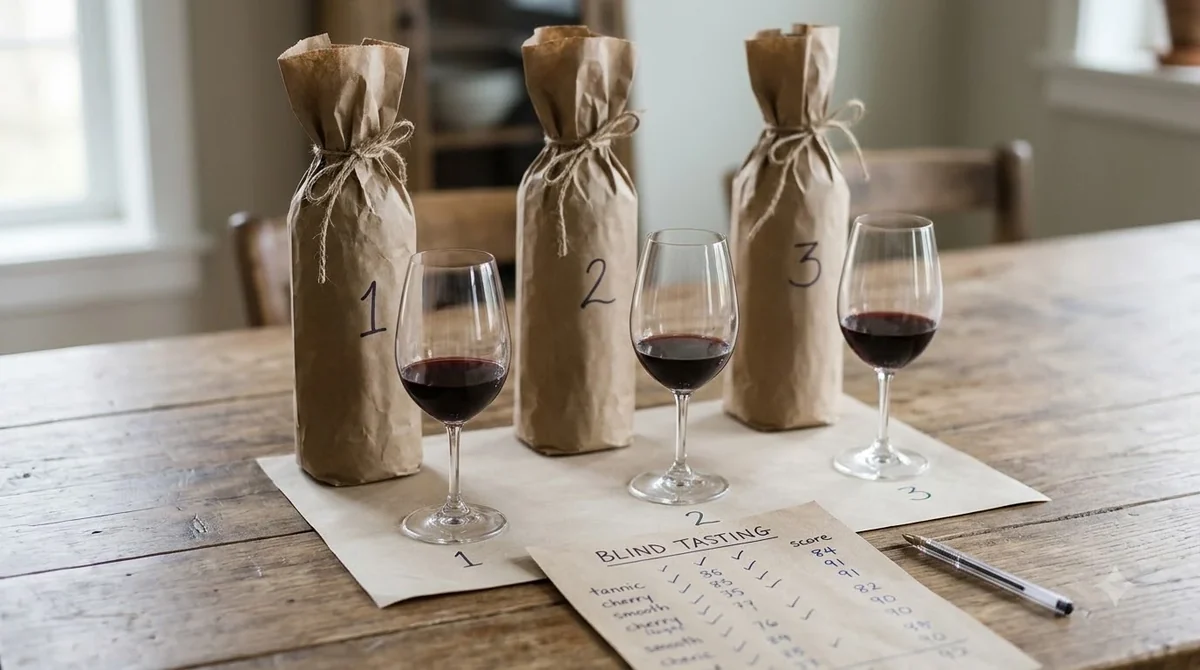
Serve lighter, fresher Grenache reds at about 55 to 60°F and fuller, warmer examples at about 60 to 65°F. Very cold service can mute aroma and make tannin seem more prominent; an overly warm pour can exaggerate alcohol. A standard 5-ounce pour gives room to swirl, while a 750-milliliter bottle yields about five such glasses. For a comparative tasting, set a southern Rhône blend beside a Spanish Garnacha and a McLaren Vale Grenache to see how similar fruit and spice markers take on different weight and freshness; a broader look at Wine by Type can help place red Grenache beside rosé, white, sparkling, and fortified styles.
| Serving situation | Practical guideline | What it helps preserve |
|---|---|---|
| Lighter, fresher red Grenache | 55–60°F | Fresh berry aromas and a brisker impression |
| Fuller, riper red Grenache | 60–65°F | Fragrant spice, body, and a rounded texture |
| Standard tasting pour | 5 ounces | Space for swirling and aroma assessment |
| Typical 750-milliliter bottle | About 5 pours | Consistent tasting portions |
Tip: If a Grenache tastes hot or heavy, chill the bottle for 15 to 20 minutes before serving and taste again. A modest temperature drop can make the fruit feel fresher and the alcohol less prominent.
Food Pairings for Grenache’s Fruit and Warmth
Grenache pairs well with savory foods that echo ripe fruit and spice without overwhelming the wine’s moderate structure. Roast meats, grilled vegetables, tomato-based dishes, and herbs such as rosemary and thyme are dependable starting points.
For red Grenache, try roast chicken with paprika, grilled pork, lamb kebabs, sausage, mushroom flatbread, or a lentil stew with smoked pepper. The wine’s fruit can complement browned and roasted flavors, while its spice works naturally with cumin, black pepper, oregano, and rosemary. A southern Rhône blend with more Syrah or Mourvèdre may have enough structure for grilled lamb or beef; a lighter Garnacha can suit roast chicken, charcuterie, and vegetable dishes.
Salt and fat soften the perception of tannin, which makes richer dishes useful with more structured Grenache. Think of lamb shoulder, pork belly, aged hard cheese, or grilled eggplant brushed with olive oil. The grape is generally less tannic than Cabernet Sauvignon, so it does not require a very fatty dish, but a little protein and richness can make a firm, youthful example feel more balanced. For rosé Grenache, choose lighter plates such as grilled shrimp, vegetable skewers, herbed couscous, or a picnic spread.
Be cautious with very hot chili dishes. Grenache can have substantial alcohol, and alcohol can amplify the sensation of chili heat; a highly spiced dish may make the wine seem hotter and less fruity. Oily fish can also be difficult with tannic red wines, so choose a fresher rosé or a white wine instead of a strongly structured red if the meal centers on salmon, sardines, or tuna. For acidic dishes, such as sharp vinaigrette or intensely citrusy sauces, choose a Grenache with enough freshness to meet the food rather than relying on a soft, low-acid example.
Frequently Asked Questions
These answers cover a few useful Grenache names and styles that may appear on a bottle label or regional wine list.
Is Cannonau the same grape as Grenache?
Yes. Cannonau is the name commonly used for Grenache in Sardinia, Italy. The grape is also known as Garnacha in Spain and Grenache in France and many English-language markets.
Can Grenache be used to make fortified wine?
Yes. Grenache is used in fortified red wines from southern France, including Banyuls, Rivesaltes, and Maury. These styles can be richer and sweeter than the dry table wines most people associate with the grape.
How many grape varieties are permitted in Châteauneuf-du-Pape?
Thirteen grape varieties are permitted in the appellation’s red and white wines, and Grenache is the most common. That broad palette helps explain why a Châteauneuf-du-Pape blend can contain more than the familiar Grenache, Syrah, and Mourvèdre trio.
What is Grenache blanc?
Grenache blanc is a white-skinned member of the Grenache family, also called Garnacha blanca in Spain. The Rhône Valley’s regional wine body describes it as an important white blending grape that contributes weight and volume, with wines that are generally fruity, round, and low in acidity.
Can Grenache blanc be made into fortified wine?
Yes. Grenache blanc is used for both dry still white wines and fortified wines in the Rhône and Roussillon traditions. It is related to Grenache noir and Grenache gris, but its white-wine profile is generally rounder and less acidic than many crisp white varieties.
The most reliable Grenache tasting notes begin with ripe red fruit, then look for pepper, herbs, body, and alcohol warmth. Once you recognize those markers, comparing regions and blends becomes easier—and each glass can show you a different side of the grape.
More in Wine Types & Grapes
 Zinfandel Sugar Content: Dry Red vs. White Zinfandel GramsUpdated Nov 21, 2026
 Best Zinfandel Substitute Options for Sipping and CookingUpdated Nov 21, 2026
 Zweigelt Food Pairing: Best Dishes, Cheeses, and Serving TipsUpdated Nov 21, 2026
 Zinfandel Tannins Explained: How Structure Shapes Every BottleUpdated Nov 21, 2026
 Zinfandel Sweetness Level: Dry Red vs. Sweet White Zin ExplainedUpdated Nov 21, 2026
 Xinomavro Food Pairing: Best Dishes, Styles, and Serving TipsUpdated Nov 21, 2026