


We may earn a commission when you buy through links on this page, at no extra cost to you. Learn more.
How to get a cork out of a wine bottle: use a corkscrew suited to the cork, such as a basic screw, a winged puller, or a lever model. Most corks come out with a steady screw and a straight pull. When a cork is crumbling or broken, a twin-prong puller is often the tool that works best, because its two prongs slide between the cork and the bottle neck to grip the stopper.
This guide covers the common corkscrew types, how each one is used, and what to do when a cork breaks or slips down into the bottle. It is written for home drinkers who want a practical answer without buying a special tool for every bottle.
Start with the right type of corkscrew
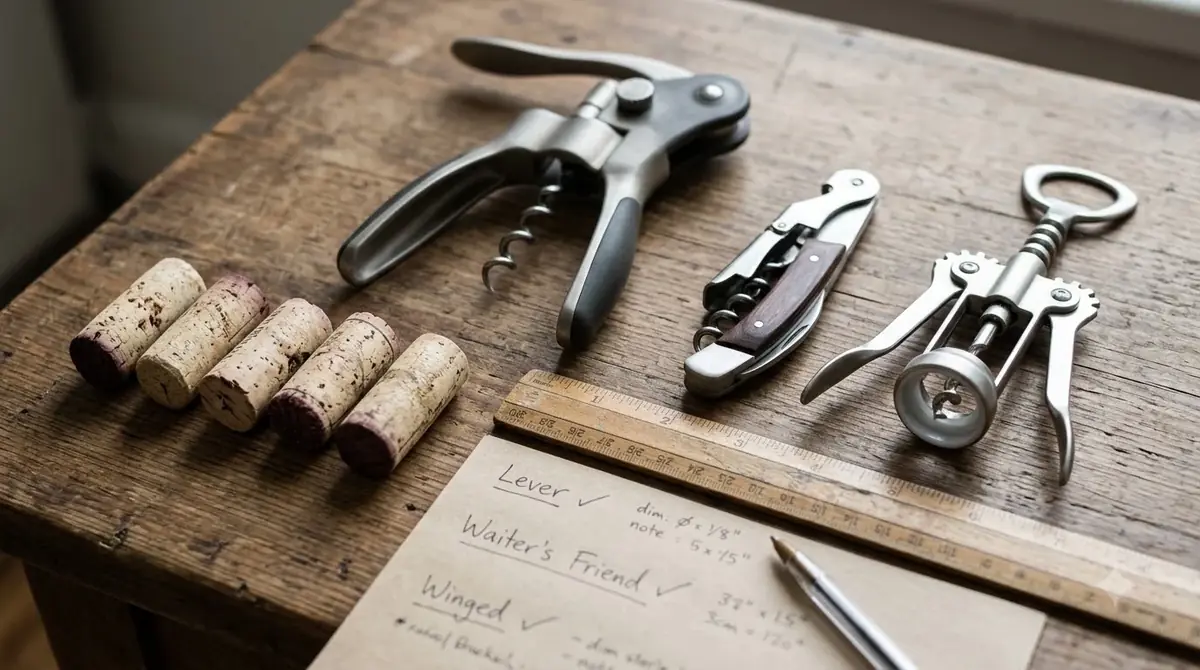
A corkscrew is a simple tool, but the design affects how easily a cork comes out. The main categories are the basic corkscrew, the winged corkscrew, the sommelier knife, the twin-prong puller, the lever, and the screwpull. Each has a different mechanism, and each is suited to different kinds of cork.
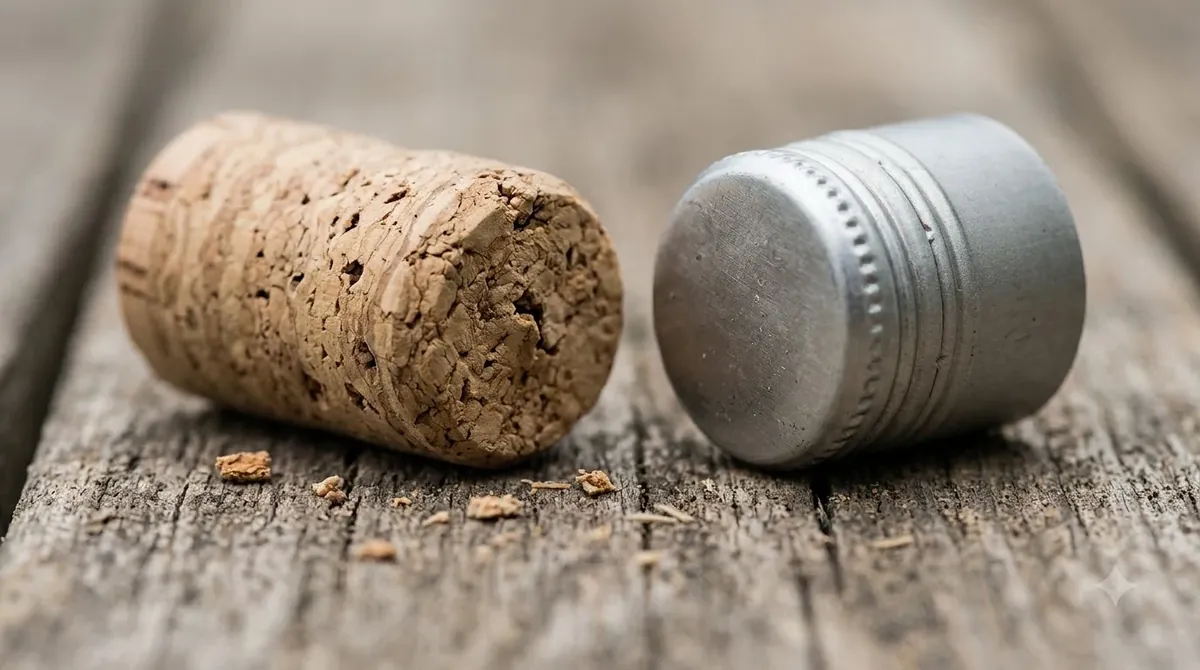
For a standard cork in good condition, almost any of these tools will work. The differences show up when the cork is old, dry, or damaged, or when you want to open a bottle quickly and with less effort.
How the common corkscrew types work
The basic corkscrew is a steel screw set at a right angle to a handle. You turn it into the center of the cork and pull straight up. It is the most common design and takes a little practice to keep the screw centered so it does not pass through the cork.
The winged corkscrew has two levers that flank the screw. As the worm turns into the cork, the levers rise, and pressing them down draws the cork out. Winged models are often called owl or butterfly corkscrews, and they are popular because they need less upper-body force.
The sommelier knife is a folding, pocket-style tool with a bracing arm, often with a foil cutter and bottle opener. It is compact and easy to carry, though it asks for a steady hand and a bit of technique.
The lever, sometimes called a rabbit, grips the bottle neck with its handles, and a lever twists the screw in and out. It is faster than the others but bulkier and usually more expensive. The screwpull uses a Teflon-coated spiral that wraps around the bottle top, and a turn of a plastic screw removes the cork.
| Corkscrew type | How it lifts the cork | Best suited for |
|---|---|---|
| Basic screw | Straight upward pull | Standard corks in good condition |
| Winged | Levers press down as the screw turns | Easy everyday opening |
| Sommelier knife | Bracing arm with a screw | Carrying in a pocket |
| Twin-prong puller | Prongs grip between cork and neck | Broken or crumbling corks |
| Lever | Handles grip the neck and a lever twists the screw | Fast, frequent opening |
What to do when the cork breaks or crumbles
A broken cork is one of the most common frustrations, and it is usually caused by an old or dry stopper. Drive the screw in carefully, keeping it centered, and pull slowly rather than yanking. If the cork starts to tear, stop and reposition the screw rather than forcing it.
When the cork is badly damaged, the twin-prong puller is often the best option. According to a Wikipedia overview of corkscrews, the twin-prong cork puller, also called a butler’s friend or “Ah-So,” has prongs that slide between the cork and the neck so the stopper can come out intact. The same description notes that the tool can also extract a stopper in bad condition.
Work slowly with a twin-prong puller. Slide one prong down each side of the cork, rock the tool gently, and then lift. Patience matters more than force, since a rushed pull is what tends to break the cork further.
When a cork falls into the bottle
Sometimes the cork slips down into the wine instead of coming out. The usual fix is to use the twin-prong puller to grip the stopper and bring it back up. The same tool can be used to push the stopper back into place when you want to reseal the bottle.
If a small piece of cork is floating in the glass, it is harmless. Pour carefully, and use a fine strainer or a cheesecloth if you want the wine completely clear. A wine that has been opened can be resealed with a stopper or a wine saver for a short time.
Mistakes that make a cork harder to remove
Most cork problems start before the screw ever touches the stopper. Pushing the screw in at an angle, starting too far from the center, or driving it too deep can all tear the cork and leave fragments behind. Taking a moment to line up the tool and insert the screw straight down usually makes the rest of the opening easier.
Another common mistake is pulling too quickly. A sudden yank can snap a dry cork at the point where the screw meets the wood, which leaves the lower half in the neck. Slow, steady lifts give the cork time to come out in one piece, and they are much easier to control if you pause to reposition the tool partway.
Bottles stored on their side can also have stoppers that are drier than expected, especially when a bottle has been kept in a warm room. Opening such a bottle slowly, with the neck wiped clean and the screw started gently, reduces the chance that the cork crumbles into the wine.
Tips for a clean opening
Cut the foil or capsule neatly below the lip of the bottle before you start, so the screw has a clear path. Keep the bottle steady on a flat surface, and turn the screw in straight rather than at an angle. Once the cork is partway out, support it with your hand as you lift to avoid a sudden pop of crumbs into the wine.
Sharp tools help. A dull screw tends to grind rather than bite, which can crush the cork. If you open bottles often, clean and sharpen the worm, and keep the tool in good condition so it does the work with less force.
Frequently Asked Questions
What is the easiest corkscrew for beginners?
A winged corkscrew is often the easiest for beginners, because the levers do much of the lifting. A basic screw is also simple, but it takes a little more practice to keep the screw straight.
How do I remove a cork that broke in half?
A twin-prong puller is usually the best choice for a broken cork. Slide the prongs between the cork and the bottle neck, rock gently, and lift slowly to bring the stopper out.
Can I push a cork into the bottle?
Yes, a twin-prong puller can be used to reinsert a stopper by taking it between the two prongs, twisting it into the bottle, and then withdrawing the prongs. This is a practical way to reseal a partly used bottle.
Is a piece of cork in wine dangerous?
A small piece of cork is not a health concern, but many people prefer to strain it out. A fine strainer or cheesecloth works well for removing it before pouring.
Once the bottle is open, you may want to plan the next step. Our guide on how to get wine out of carpet covers a common spill after a dinner, and the standard wine bottle size article explains how many glasses to expect from each bottle. For readers who also need to remove a bottle’s wrapper, how to remove a label from a wine bottle has simple steps.
More in Wine Basics
 Which Rose Is Best for Your Taste, Budget, and Food PairingsUpdated Nov 21, 2026
 Is Cheap Wine Bad? How to Find Bottles Worth DrinkingUpdated Nov 21, 2026
 What To Write On A Wine Gift Tag: Thoughtful Messages For Every OccasionUpdated Nov 21, 2026
 Which Wine Is Best For Weight Loss? Compare Lower-Calorie ChoicesUpdated Nov 21, 2026
 What Is The Best Wine For Mimosas? Choose Bubbly That Balances Orange JuiceUpdated Nov 20, 2026
 Which Prosecco Is Best for Your Taste and OccasionUpdated Nov 20, 2026