

We may earn a commission when you buy through links on this page, at no extra cost to you. Learn more.
A standard wine bottle size is 750 milliliters, which is about 25 fluid ounces. That volume is the common reference point for still wine sold in the United States and most of the world, and it holds roughly five standard pours of 5 ounces each. Bottles bigger or smaller than that are usually named after a fixed multiple or fraction of the 750 ml format.
This guide explains where the standard wine bottle size comes from, how it compares with the half bottle and the magnum, and what the larger formats mean for a dinner party, a cellar, or a gift. It also covers why the number of glasses in a bottle matters when you are planning how much to buy.
Why 750 ml is the standard wine bottle size
The 750 ml bottle is the size most shoppers see on a store shelf, and it is the size most wine labels are written for. According to the wine reference site Wine Folly’s bottle size guide, 750 ml is the “common bottle size for most wine,” and the same source notes that a standard bottle contains five servings. The number is practical rather than mystical: a bottle that is easy to hold, pour, and store, and that gives a small group a glass or two each.
Producers tend to stay with this format because it is familiar to buyers, fits standard wine racks and cases, and keeps shipping and packaging consistent across brands. A winery that bottles a Pinot Noir in 750 ml and a Riesling in 750 ml can use the same boxes, labels, and shelf space, which keeps costs predictable for the producer and the retailer.
Common wine bottle sizes at a glance
Several named formats sit above and below the standard bottle. Most are simple multiples or fractions of 750 ml, so the arithmetic is easy to remember once you know the base unit. The table below lists the sizes shoppers see most often and how many standard bottles each one equals.
| Format name | Volume | Equal to standard bottles |
|---|---|---|
| Piccolo or split | 187.5 ml | One quarter of a standard bottle |
| Demi or half bottle | 375 ml | Half of a standard bottle |
| Standard | 750 ml | 1 |
| Magnum | 1.5 L | 2 |
| Double magnum | 3.0 L | 4 |
| Methuselah (also called imperial) | 6.0 L | 8 |
| Salmanazar | 9.0 L | 12 |
| Balthazar | 12.0 L | 16 |
| Nebuchadnezzar | 15.0 L | 20 |
| Solomon (also called melchior) | 18.0 L | 24 |
Smaller and larger formats, and when they make sense
Half bottles are useful for a single person who wants a glass with dinner, for a dessert wine that is sweet and rich in small quantities, or for a tasting where you want to try two or three wines without opening full bottles. A half bottle is also easier to finish in one evening, so it suits a single meal better than a long stretch of leftovers.
The larger formats are mostly for celebrations, events, and display. A magnum is the most practical of them, since it holds two standard bottles and is still easy to lift and pour. The Wine Folly reference notes that a 3-liter box of wine is comparable to a double magnum, which is a useful way to picture how much a box contains compared with the bottles most people buy.
Sparkling wine and the bottle size question
Sparkling wine uses many of the same format names, but the bottle has to hold the pressure of carbonation, so the glass is heavier and the shape can differ from a still wine bottle. When you buy a large sparkling bottle as a gift, check the label for the exact volume, since the name alone does not always settle how much is inside.
How many glasses are in a standard wine bottle
A standard 750 ml bottle usually holds five pours of 5 ounces, which is the serving size most restaurants and tasting guides use for still wine. Some people pour smaller glasses at home, and some pour more generously, so the real number of glasses changes with the host. For planning, five glasses per bottle is a sound starting point, and two bottles will cover a typical dinner for four people who each have two glasses.
When you need to plan for a bigger group, count pours first and bottles second. Ten guests who will each have two glasses need about twenty pours, which is four standard bottles. Adding a half bottle or a magnum for a toast can make the arithmetic easier when the group is larger than expected.
Storage and serving considerations for each size
Storage depends more on how long the wine stays closed than on the bottle size itself. A standard bottle that has been opened for a day loses freshness faster than a sealed bottle, and a smaller bottle that is finished in one sitting never has the problem. Large formats are harder to store on a standard rack and often need their own shelf space, so check the dimensions before buying one as a gift.
Serving temperature and glassware do not change with bottle size. The same red wine should be served at the same temperature in a magnum as in a standard bottle, and the same glass works for both. The only difference is how many people you can serve before the bottle is empty.
How to choose the right bottle for your needs
Start with the number of people and the number of glasses each person will drink, then choose the bottle size that fits. For everyday meals, the standard 750 ml bottle is the most convenient choice because it is easy to find, easy to store, and matches the size most recipes and wine pairings assume. For a gathering where guests drink more slowly or sample several wines, a set of half bottles can reduce waste, and for a large celebration a magnum or larger bottle gives the event a clear focal point.
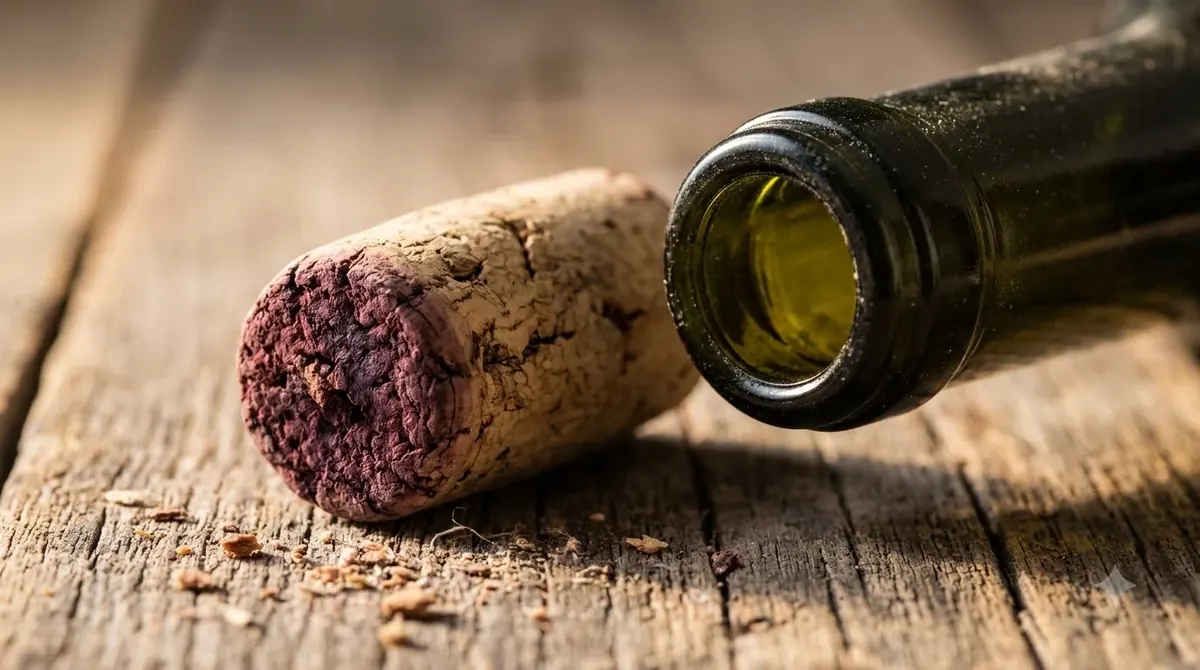
If you are unsure, buy standard bottles for the meal and keep one larger format for a special moment. That approach keeps the everyday budget simple and still gives you something memorable to open. You can read more about the parts of a bottle and its label in our guide to removing a label from a wine bottle if you plan to reuse the bottle for a craft or a gift.
Frequently Asked Questions
What is the standard size of a wine bottle in ounces?
A standard wine bottle holds 750 milliliters, which is about 25 fluid ounces. That is the size most still wines are sold in, and it is the reference size for the other formats listed on wine labels and in shop catalogs.
How many glasses of wine are in a standard bottle?
A standard 750 ml bottle usually gives five pours of 5 ounces. Smaller home pours can stretch it to six or seven glasses, while generous pours will use it up faster, so the count depends on how the wine is served.
Is a magnum equal to two bottles of wine?
Yes. A magnum holds 1.5 liters, which is twice the volume of a standard 750 ml bottle. It is a common choice for celebrations because two standard bottles’ worth of wine can be poured from a single bottle.
Why do wine bottles come in different sizes?
Different sizes suit different occasions. Half bottles work for one person or for tasting several wines, the standard bottle fits most meals, and large formats are chosen for events or as a display piece. Producers also use the standard size because it fits common racks, cases, and shipping boxes.
Knowing the standard wine bottle size makes shopping and hosting easier because every other format is just a multiple or fraction of it. Start with the 750 ml bottle, count your pours, and move up or down in size only when the occasion calls for it. If you are opening a standard bottle for the first time, our steps for getting a cork out of a wine bottle cover the common problems, and what tannins are in wine explains why a red served from a big bottle may taste different after it has been open for a while.
More in Wine Basics
 What Is The Best Wine For Mimosas? Choose Bubbly That Balances Orange JuiceUpdated Nov 20, 2026
 Which Prosecco Is Best for Your Taste and OccasionUpdated Nov 20, 2026
 Which Wine Is Best For Health? Understand the Risks and BenefitsUpdated Nov 20, 2026
 Which Champagne Is Best for Your Taste and OccasionUpdated Nov 20, 2026
 What To Put In A Wine Gift Basket For A Thoughtful, Memorable GiftUpdated Nov 20, 2026
 What Is the Best Wine for Mulled Wine? Choose a Smooth, Fruity RedUpdated Nov 20, 2026