

We may earn a commission when you buy through links on this page, at no extra cost to you. Learn more.
Across the Basque Country, txakoli wineries produce crisp, often lightly spritzy wines from native grapes, with the best-known places to visit spread across Getaria, Bizkaia, and Álava. The three appellations share an Atlantic influence, but their vineyards, producers, and wine styles are not identical. Start with the designation on the bottle, then choose a winery based on the kind of tasting you want: a coastal family estate, a broader range of styles near Bilbao, or a smaller inland producer in the Ayala Valley.
Txakoli is one of northern Spain’s most distinctive wines, but it is not a single uniform style or a single village specialty. A focused winery trip can connect sea-facing vineyards, small inland valleys, traditional Basque food, and producers who are experimenting with lees aging, oak, and single-vineyard bottlings. The names below offer a practical starting point for learning where the wine comes from and what to look for in the glass.
What Txakoli Wineries Produce
Txakoli wineries work mainly with Hondarrabi Zuri, a local white grape, and also use the red Hondarrabi Beltza for rosé and red wines. The classic white is fresh and high in acidity, with citrus, green fruit, herbal notes, and, in many examples, a light natural sparkle.
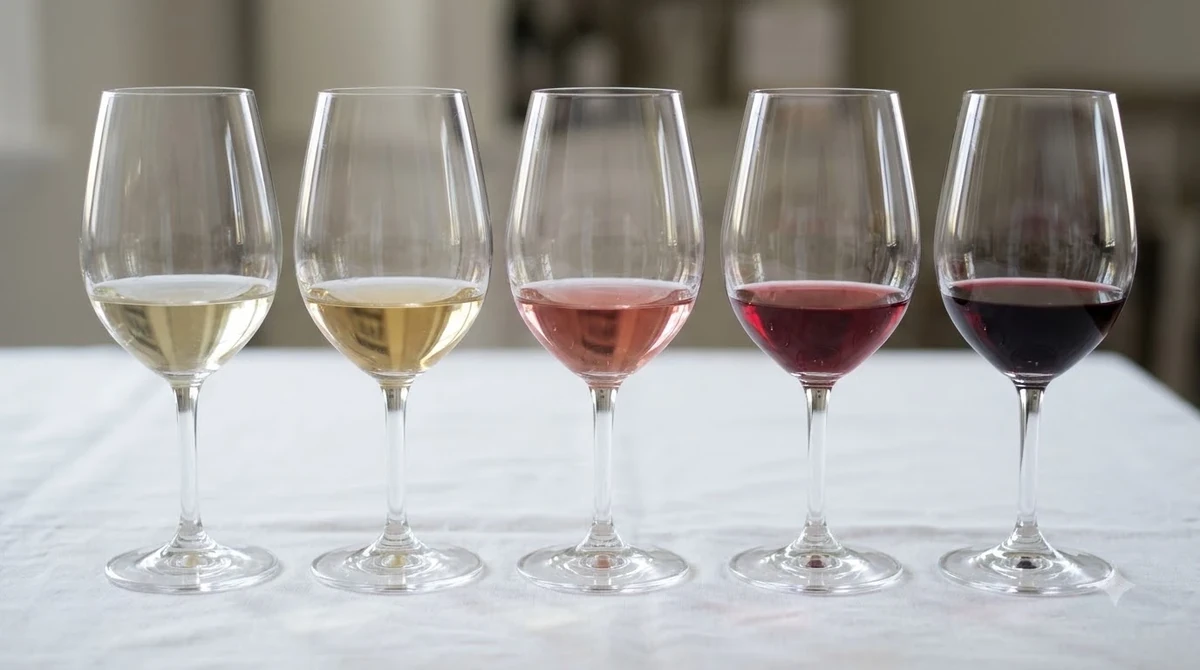
Basque Wine describes Hondarrabi Zuri as the principal grape, while Hondarrabi Beltza gives the region a red-wine option that remains much less common. Hondarrabi Zuri Zerratia, also known as Petit Courbu, appears in the region’s permitted varieties, alongside grapes such as Gros Manseng, Riesling, Chardonnay, and Sauvignon Blanc. The authorized mix varies by designation, so two wines labeled Txakoli may not share the same blend or texture.
Think of the familiar version as a dry, brisk white intended to be enjoyed young, often with seafood or pintxos. That is a useful first reference point, not a rule that every bottle must follow. Decanter’s regional report describes the wider category as roughly 95% white and notes how producers have broadened the range with rosé, red, sparkling, orange, late-harvest, barrel-aged, and lees-aged wines. The shift matters for visitors: a tasting can move from a lively coastal white to a more layered bottle with texture and savory detail.
A light natural spritz is not the same as a fully sparkling wine made by one fixed method. Producers choose how to handle fermentation, lees contact, and maturation; compare a young stainless-steel white with a barrel-fermented or lees-aged example to see how far the style can stretch. For U.S. shoppers, the designation name is a useful first clue: Getariako Txakolina, Bizkaiko Txakolina, or Arabako Txakolina identifies the regulated origin. The producer name then helps distinguish vineyard practices and house style within that place, especially when a front label emphasizes a winery name or cuvée.
The Three Txakoli Designations and Their Scale
The three designations are Getariako Txakolina in Gipuzkoa, Bizkaiko Txakolina in Biscay, and Arabako Txakolina in Álava. Their published regional figures show very different scales, from the broad coastal production zone of Getaria to the smallest designation in the Ayala Valley.
Basque Wine’s regional profiles list the following winery counts, vineyard areas, and annual production figures. Treat the table as a published reference snapshot rather than a live register: winery totals and harvest volumes can change, while the geographic distinctions remain useful for planning.
| Designation | Wineries | Vineyards | Annual production | Typical emphasis |
|---|---|---|---|---|
| Getariako Txakolina | 34 | 440 hectares | 3,002,200 liters | Coastal, crisp white Txakoli |
| Bizkaiko Txakolina | 39 | 426 hectares | 1,557,344 liters | Broader range of styles and sites |
| Arabako Txakolina | 8 | 99 hectares | 503,320 liters | Small-scale wines from the Ayala Valley |
| Combined profile totals | 81 | 965 hectares | 5,062,864 liters | Three distinct Basque growing areas |
The differences are geographic as well as administrative. Getaria is closely tied to the coast and fresh white wine; Bizkaia stretches from the shore into inland valleys; Álava is a compact, inland designation centered on the Ayala Valley.
For a compact coastal itinerary, begin in Getaria. Bizkaia suits visitors combining Gernika, Bakio, and Urdaibai with a Bilbao stay, while Álava is a specialized detour for the smallest appellation. The same place-first approach helps when comparing wine regions or planning a visit to Chianti Classico wineries.
Getaria’s Coastal Txakoli Wineries
Getaria is the classic starting point for a Txakoli visit, with family estates clustered around Getaria, Zarautz, Aia, and nearby Gipuzkoa towns. Gaintza, Ameztoi, Txomin Etxaniz, Gañeta, and Akarregi-Txiki are useful names to know when building a short coastal itinerary.
Gaintza and Ameztoi
Gaintza is based in Getaria, and Decanter describes an estate tour that includes a tasting of aged Txakoli among the vines. Ameztoi is another prominent name: Decanter identifies it as a fifth-generation, family-owned winery and reports its claim to have been among the first to age Txakoli on its lees more than two decades ago. The two estates give visitors a chance to compare the familiar crisp white with wines that have more texture and maturation.
Other producers to look for around Getaria
The official appellation directory lists Akarregi-Txiki, Ameztoi, Gaintza, Gañeta, and Txomin Etxaniz in Getaria, with other producers in nearby Zarautz, Aia, and Orio. Txomin Etxaniz is in Getaria’s Eitzaga neighborhood. With only one or two appointments, choose a winery based on its visitor format and compare a basic white with rosé or a more structured bottle.
For producer names, addresses, and contact details, use the official Getariako Txakolina winery directory. Opening hours and visitor arrangements vary among small estates, so contact the winery before setting out.
Bizkaiko Txakolina Wineries Around Urdaibai and Bakio
Bizkaiko Txakolina is the best area to explore if you want to compare several wine styles and vineyard settings beyond the Getaria coast. Itsasmendi, Gorka Izagirre, and Doniene Gorrondona are three producers that show the range of the designation, from multi-site experimentation to coastal farmstead winemaking.
Itsasmendi, Gorka Izagirre, and Doniene Gorrondona
Itsasmendi is near Gernika in the Urdaibai Biosphere Reserve. Decanter reports a portfolio of up to 14 wines, including eight single-vineyard bottlings, and 18 vineyard plots across 11 villages. Gorka Izagirre, in Larrabetzu, is another important name; Decanter places the winery beneath restaurants associated with Basque chef Eneko Atxa. Together they show how inland sites and multi-village sourcing add range to Bizkaiko Txakolina.
Doniene Gorrondona is based in Bakio, where Decanter describes a mid-19th-century farmhouse housing the winery. The estate offers vineyard tours with views of the coast and surfers below, making it a good stop for visitors who want the landscape to remain part of the tasting.
Bizkaiko vineyards range from sea level to around 400 meters, according to Basque Wine. Beyond Hondarrabi Zuri and Hondarrabi Beltza, permitted grapes include Mune Mahatsa, Izkiriota, Izkiriota Ttippia, Sauvignon Blanc, Riesling, and Chardonnay. In Bakio, the Txakolingunea museum is less than 30 kilometers from Bilbao and offers an interactive introduction to Txakoli production with tasting opportunities, according to Spain’s official tourism guide.
Arabako Txakolina Wineries in the Ayala Valley
Arabako Txakolina is the smallest of the three designations and the most distinctly inland option, centered on five municipalities in the Ayala Valley: Aiara, Artziniega, Amurrio, Llodio, and Okondo. Astobiza is a producer to know, and the area rewards visitors who are curious about a less familiar side of Basque wine.
Basque Wine’s profile lists eight wineries, 99 hectares of vineyards, and annual production of 503,320 liters for the designation. The same profile describes a mild Atlantic climate, with an average temperature of 13.1 degrees Celsius and about 899 liters of rainfall per year. Vineyards are kept close to the wineries, within a radius of 3 kilometers, which makes the production area feel compact even though it spans several municipalities.
Hondarrabi Zuri and Hondarrabi Beltza are the recommended grapes. Permitted additions include Petit Courbu, Gros Manseng, Petit Manseng, Sauvignon Blanc, Riesling, and Chardonnay. Basque Wine describes the whites with green apple, tropical fruit, citrus, and herbal or floral notes, sometimes followed by a slight bitterness.
Álava suits visitors who prefer a quieter inland route to a string of coastal stops. Its small vineyard area and valley geography offer a useful contrast with the Getaria and Bizkaia designations. For another trip built around local grapes and distinct subregions, see our overview of Puglia wineries.
How to Plan a Txakoli Winery Visit
Plan Txakoli visits by municipality and appointment time, not by assuming that every producer is open for casual drop-ins. A Getaria day can focus on Gaintza and Ameztoi, while a Bizkaia route can connect Itsasmendi near Gernika with Doniene Gorrondona in Bakio and the Txakolingunea museum.
Contact each winery before traveling and ask about the vineyard walk, cellar tour, seated tasting, food pairing, language, duration, and group size. A listing in a regional directory does not guarantee a same-day appointment. Confirm the address too, since estates may use a rural neighborhood name rather than the village center.
Allow time for the landscape between appointments. Coastal roads around Getaria and Zarautz are slower than direct routes, and the drive from San Sebastián to Bilbao takes just over an hour according to Decanter. Two stops in one day are usually more rewarding than trying to cover all three designations. For a contrasting European itinerary, Wachau wineries offer a different vineyard landscape and regional identity.
Tip: Book winery appointments before setting out, and leave room for a relaxed meal in Getaria, Zarautz, Bakio, or Gernika. Bring the names of the wines you liked so you can compare grape mix, vineyard location, and aging method at the next stop. At the tasting, ask to compare a young white with a lees-aged or barrel-fermented bottle.
What to Taste and Serve with Txakoli
Start with a dry white Txakoli, then compare a rosé or a more structured white if the winery makes one. The region’s high-acid whites work naturally with the Basque table, especially seafood, grilled fish, shellfish, vegetables, and small pintxos served in bars around Getaria, San Sebastián, and Bilbao.
Basque Wine specifically recommends Bizkaiko Txakolina with pintxos, fish, and vegetables, while its Álava profile points to cheese, potatoes, and vegetables. These pairings make sense because the wine’s acidity refreshes the palate between bites, while citrus and herbal notes complement salty seafood and simply prepared produce. For a classic local meal, try Txakoli with anchovies, grilled hake, or a small plate built around tomato, peppers, and olives; it also works as an aperitif with salty snacks.
Serve a fresh white Txakoli at 45–50 degrees Fahrenheit so its citrus character stays clear. A more structured or barrel-fermented white can be served at 50–55 degrees, while rosé suits 45–50 degrees. A normal white-wine glass works well for a careful comparison; a traditional high pour is not required at home.
Compare four details: acidity, texture, natural spritz, and finish. A young coastal white can emphasize lemon and green apple; lees aging adds a rounder mouthfeel, while barrel fermentation may bring weight and wood spice. Rosé offers red-fruit notes, and the less common red Txakoli gives another expression of Hondarrabi Beltza. A tasting makes these differences easier to recognize in bottles bought later.
Frequently Asked Questions
First-time visitors often ask how the three designations differ, how to pronounce Txakoli, and where to learn about the wine near Bakio or Bilbao.
Is Txakoli always sparkling?
No. Many classic whites have a light natural spritz, but some Txakoli is made completely still. The gentle prickle is a familiar regional trait, not a requirement that every bottle be effervescent.
What does “ojo de gallo” mean in Txakoli?
It translates as “rooster’s eye” and is a traditional name used for a rosé style in Bizkaia. The name is a regional wine term rather than the name of a fourth Txakoli designation.
How do you pronounce Txakoli?
Decanter gives the pronunciation as “cha-co-li,” with three clear syllables. The spelling comes from Basque, so English readers may find the initial letters unfamiliar.
Why is Txakoli poured from a height?
Txakoli is traditionally poured from a height into flat-bottomed glasses. Decanter notes that this practice helps the wine’s bubbles act as flavor carriers, and it remains a recognizable part of local service.
Did Txakoli production nearly disappear in Álava?
Basque Wine’s Arabako Txakolina profile says the Ayala Valley had been reduced to only 5 hectares of vines during the last century before a recovery effort began. The area’s vineyard revival is one reason its modern wines are a distinctive part of the Basque wine story.
For a first Txakoli trip, begin in Getaria and taste the classic coastal white before comparing it with producers in Bizkaia or the Ayala Valley. The three designations share local grapes and an Atlantic setting, but each offers a different view of Basque winemaking, from seaside family estates to smaller inland vineyards.
More in Wine Regions
 Willcox Wine Trail: Discover Arizona’s High-Elevation Wine CountryUpdated Nov 20, 2026
 Yakima Valley Wine Region: Find the Best Styles to TryUpdated Nov 20, 2026
 Vosne Romanee Wine Tasting: Identify Aromas and Choose Better PairingsUpdated Nov 20, 2026
 Yakima Valley Wine Festival: Find the Best Seasonal Wine EventsUpdated Nov 20, 2026
 Wales Vineyards: Discover Cool-Climate Wines and Where to VisitUpdated Nov 20, 2026
 Yountville Wine Festival: Discover Napa Wines and Local FoodUpdated Nov 20, 2026